
alpine eryngo
Also known as: Information to be completed
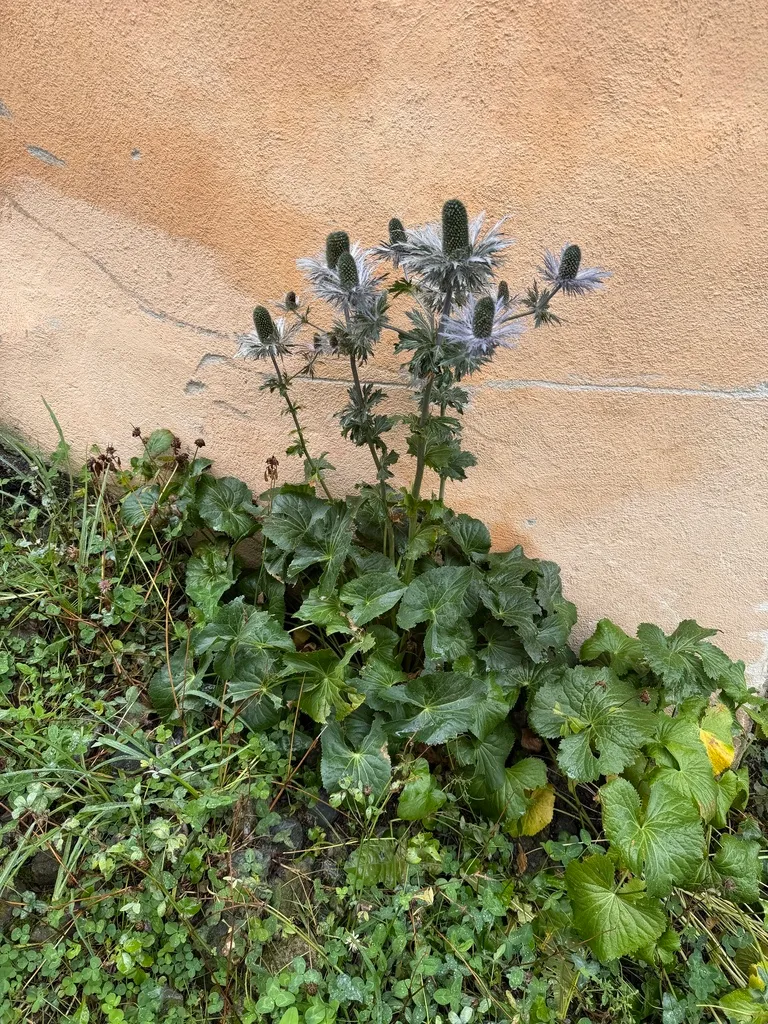
An erect herbaceous perennial to 90cm, with heart-shaped, glossy dark green basal leaves. Large, cone-like, purplish flower-heads surrounded by 6cm in length vivid blue, spiny bracts, borne on blue stems
Scientific classification
- Species
- alpine eryngo (Eryngium alpinum)
- Genus
- Eryngium
- Family
- Apiaceae
- Order
- Apiales
- Class
- Magnoliopsida
- Phylum
- Magnoliophyta
- Information to be completed
- Toxicity
- Herbaceous Perennial
- Plant type
- 0.5-1 metres
- Height
- 0.1-0.5 metres
- Spread
- Deciduous
- Foliage
- Clump forming
- Habit
- Spring · Summer · Autumn
- Season of interest
- Full sun
- Sunlight
- Information to be completed
- Ideal temperature









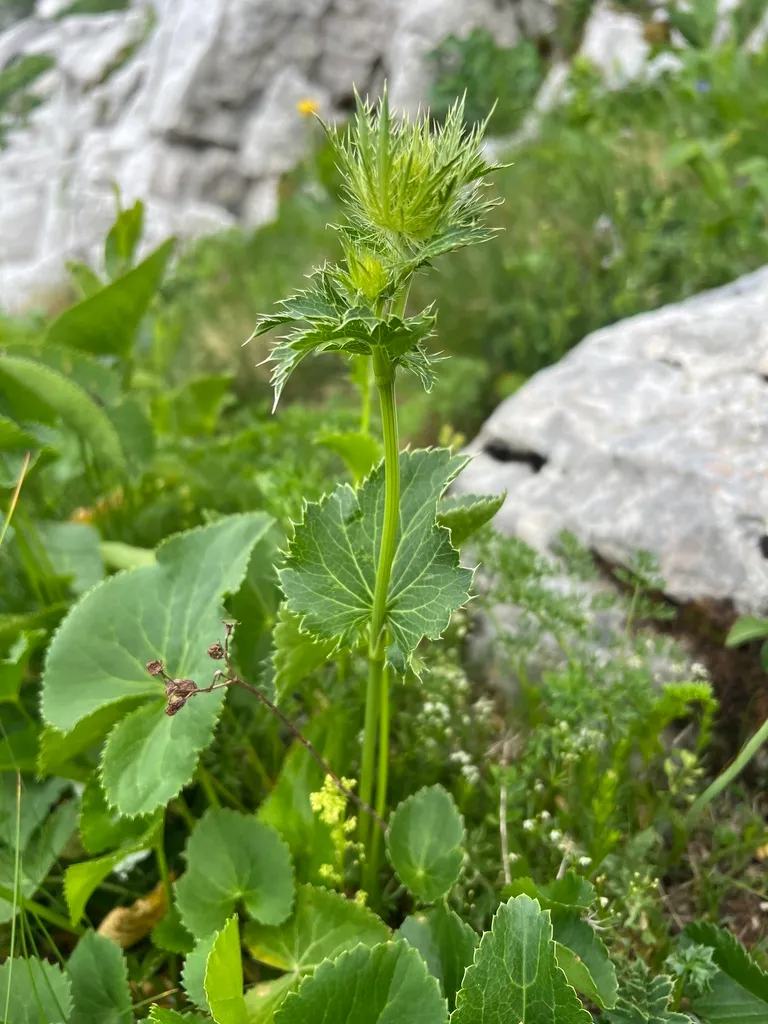
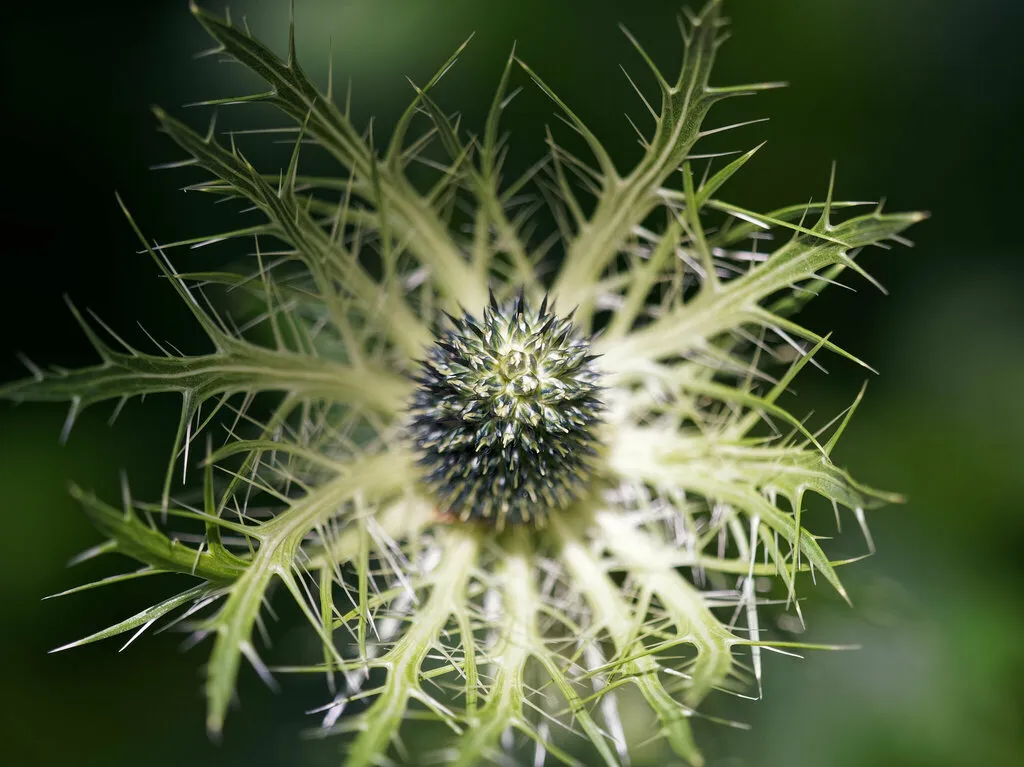
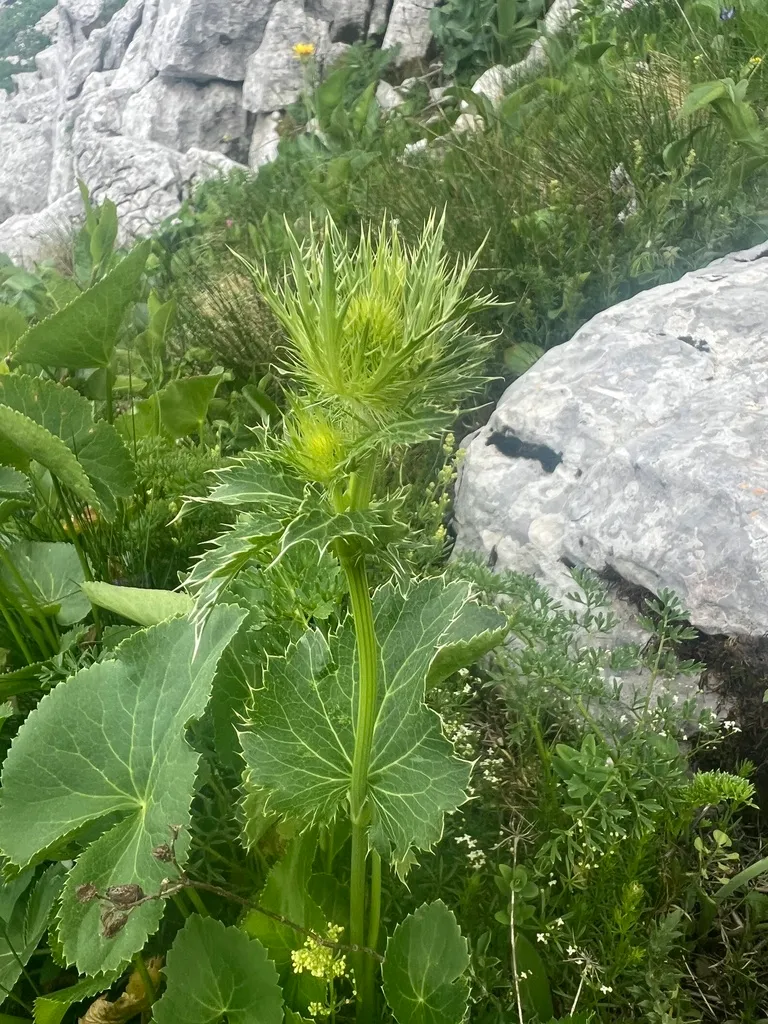
alpine eryngo pictures
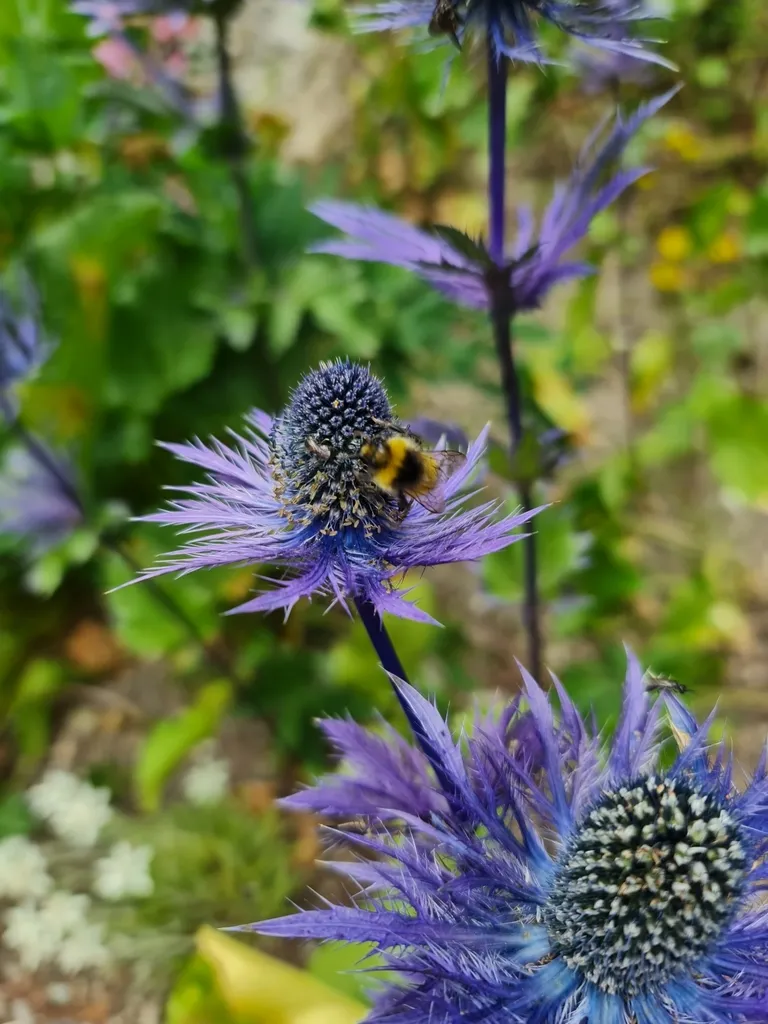
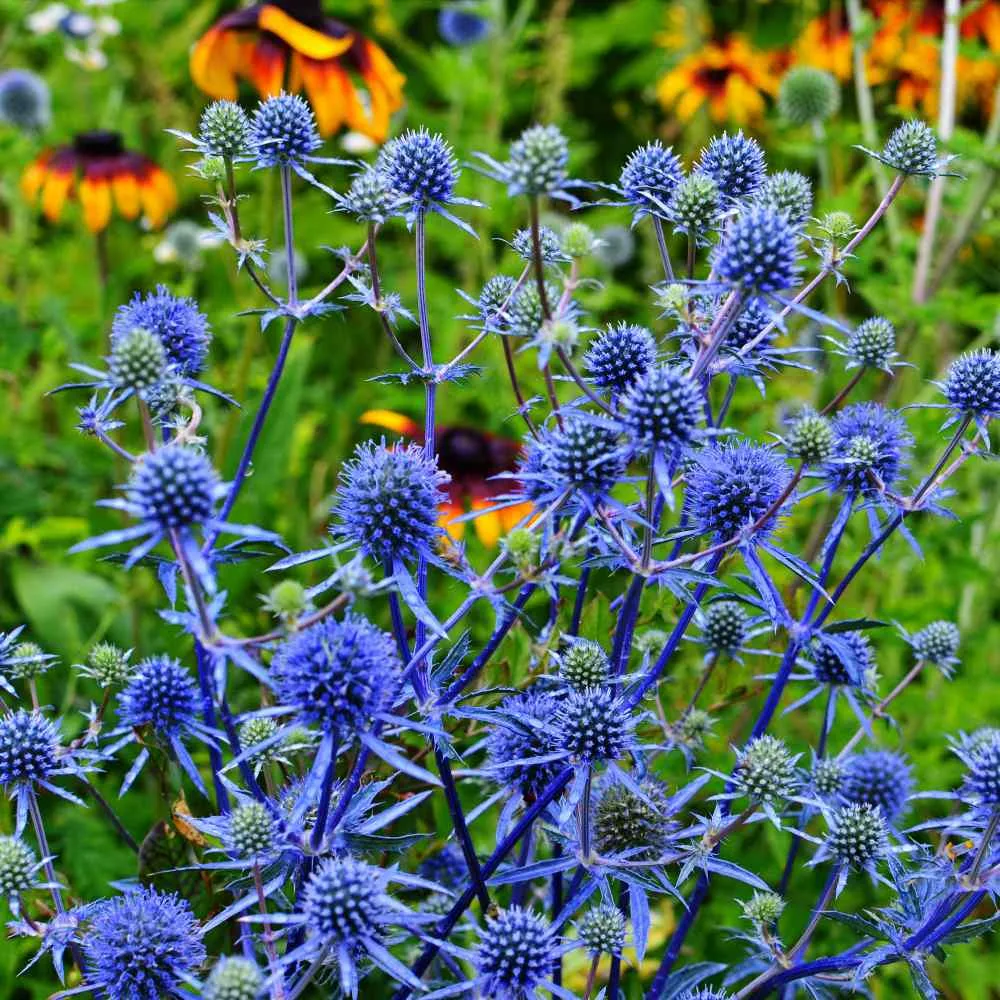
Distribution of alpine eryngo
Distribution map
W and Central Balkans
alpine eryngo care guide
- Moderate regular watering, allowing brief slight drying between soakings
- Watering
- Full sun
- Sunlight

Watering
Moderate regular watering, allowing brief slight drying between soakings
Fertilizing
 Fertilizing
Balanced perennial feed every four weeks from spring through summer
Pruning
 Pruning
Although you can cut back flower stems after flowering the seedheads are a very attractive feature so are usually left over winter
Propagation
 Propagation
Propagate by seed sown in pots in a cold frame as soon as seed is ripe
Growing
 Growing
Grow in fairly dry, well-drained soil that is poor to moderately fertile. Full sun is essential as is protection from winter wet
Common pests and diseases
Diseases
May be susceptible to root rot and powdery mildews
Pests
May be susceptible to leaf and bud eelworms, and slugs and snails
Explore the plant health library →




