
sea holly
Also known as: sea eryngium; sea eryngo; sea holm
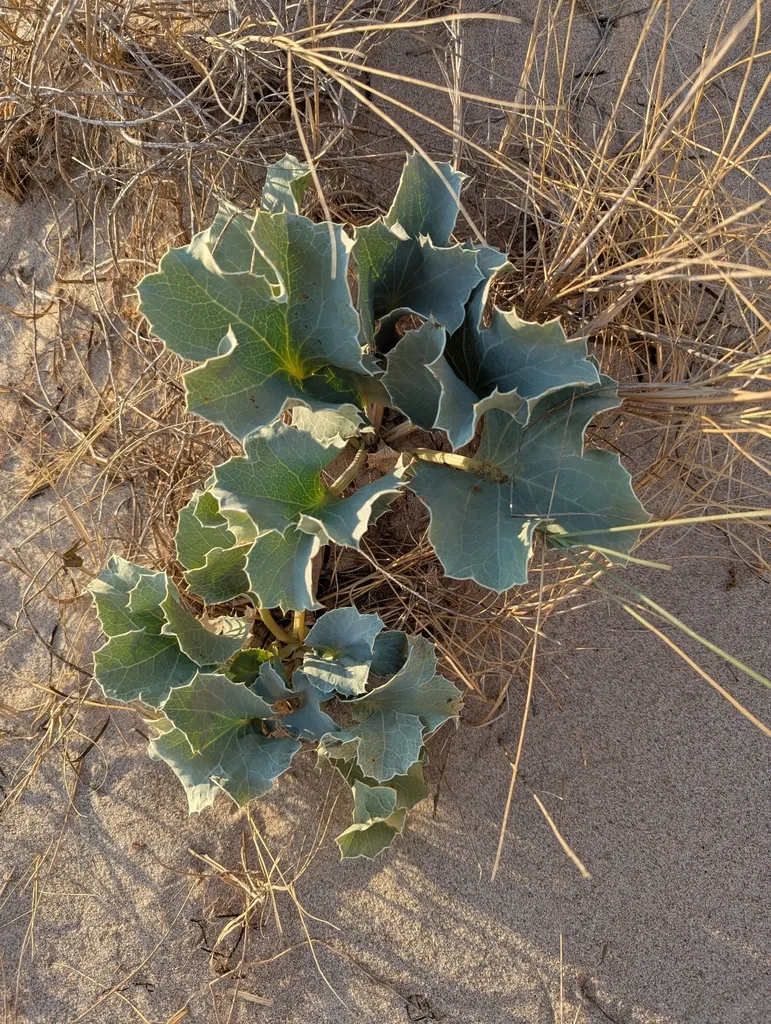
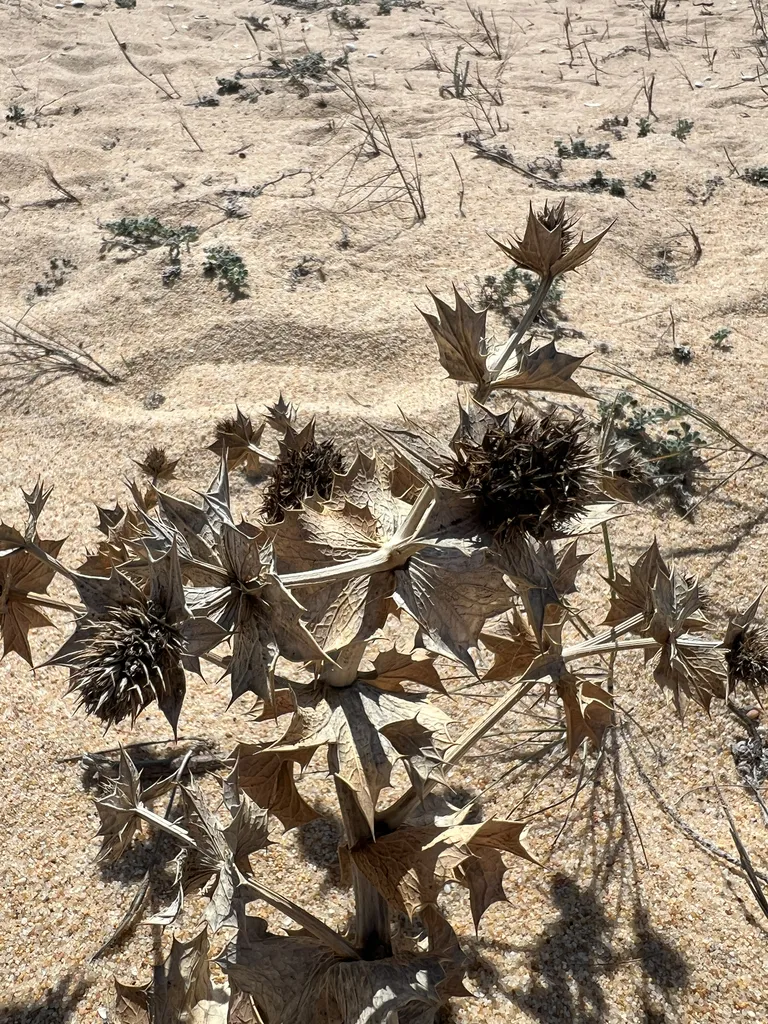
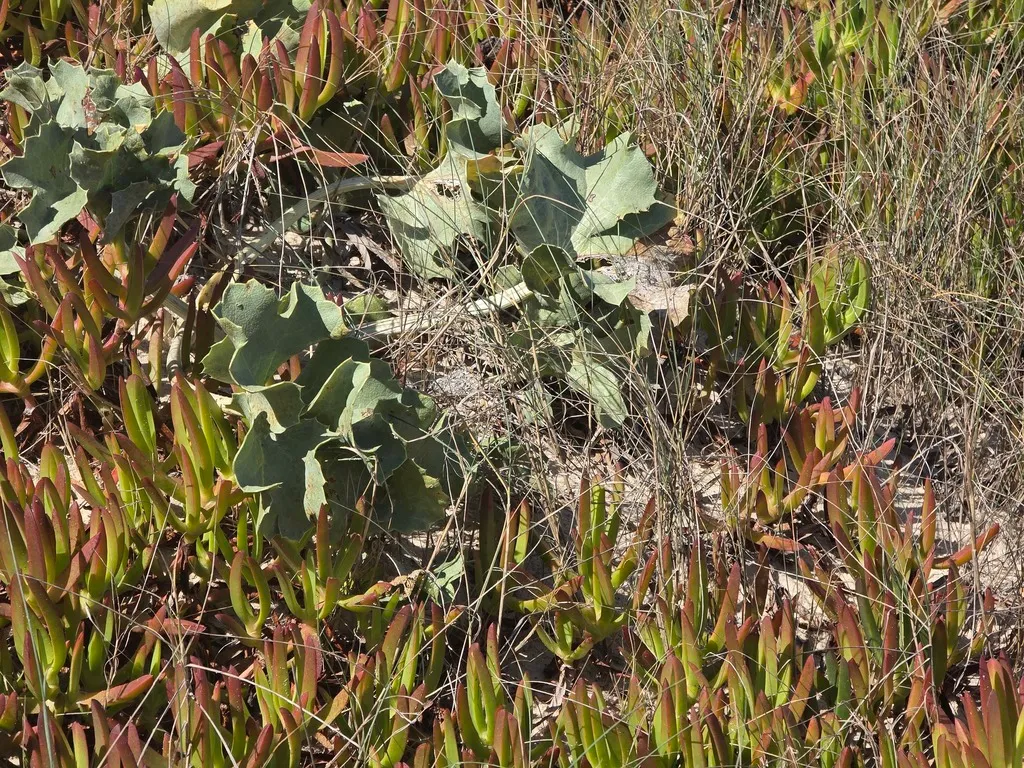
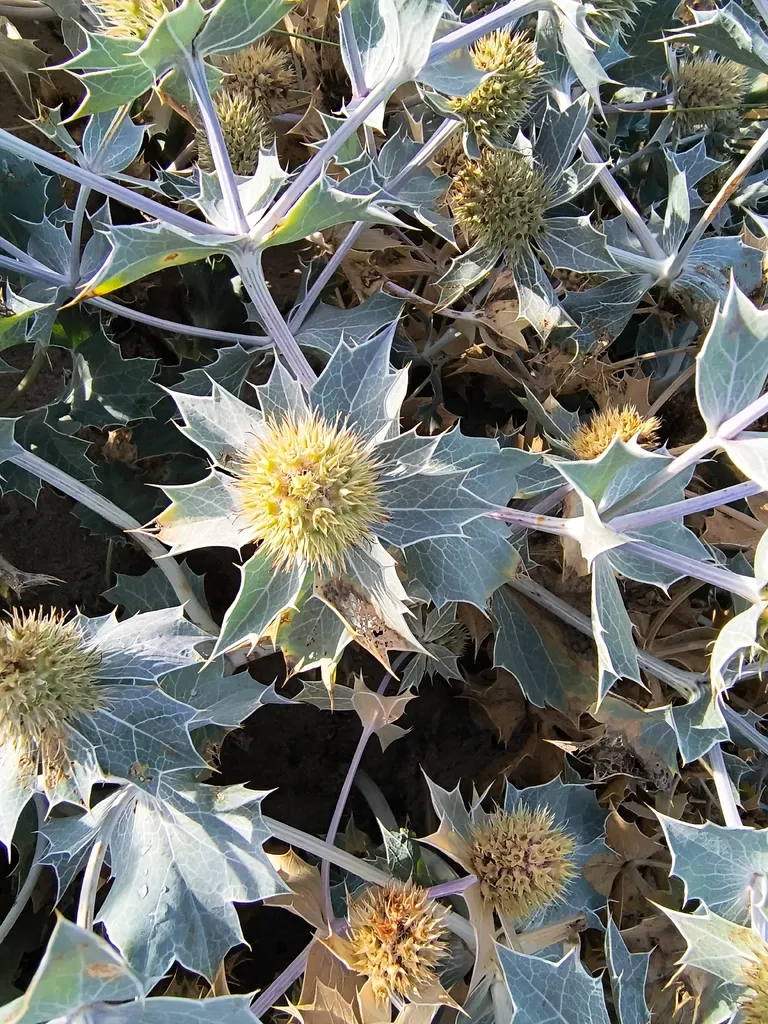
A clump-forming perennial to around 60cm in height. Leaves are waxy, stiff and spiny, blue-green in colour with white veins. Flowerheads of globular blue umbels are borne in April to September surrounded by collars of spiky bracts
Scientific classification
- Species
- sea holly (Eryngium maritimum)
- Genus
- Eryngium
- Family
- Apiaceae
- Information to be completed
- Toxicity
- Herbaceous Perennial
- Plant type
- 0.5-1 metres
- Height
- 0.1-0.5 metres
- Spread
- Semi evergreen
- Foliage
- Bushy
- Habit
- Spring · Summer · Autumn · Winter
- Season of interest
- Full sun
- Sunlight
- Information to be completed
- Ideal temperature









sea holly pictures
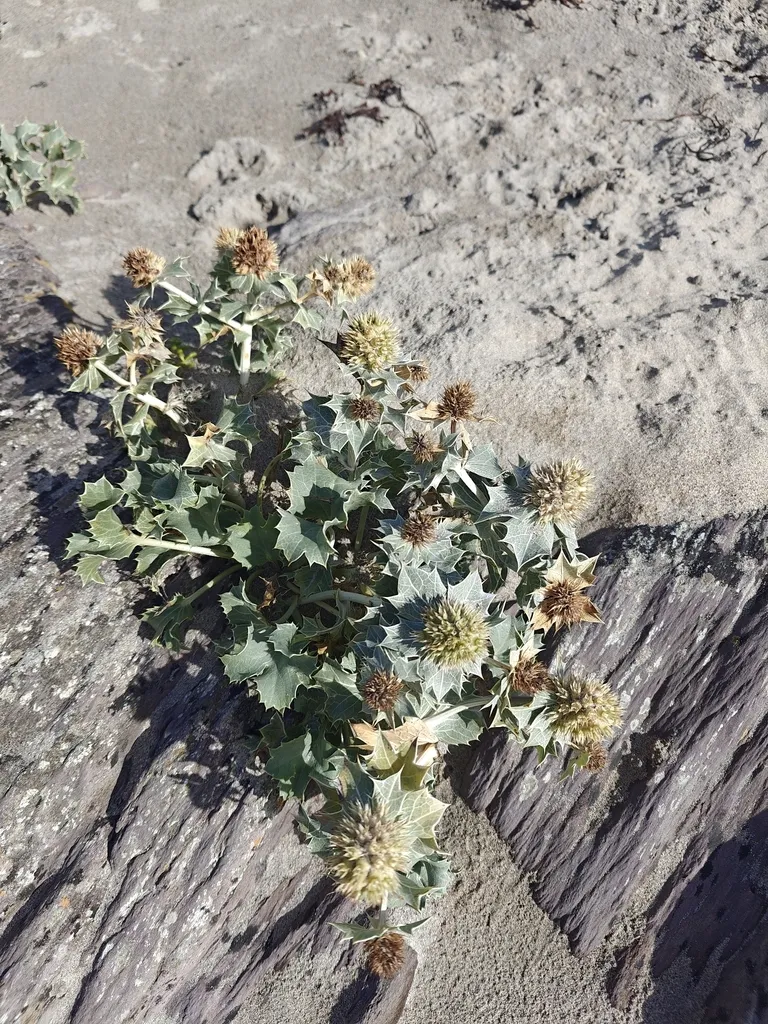
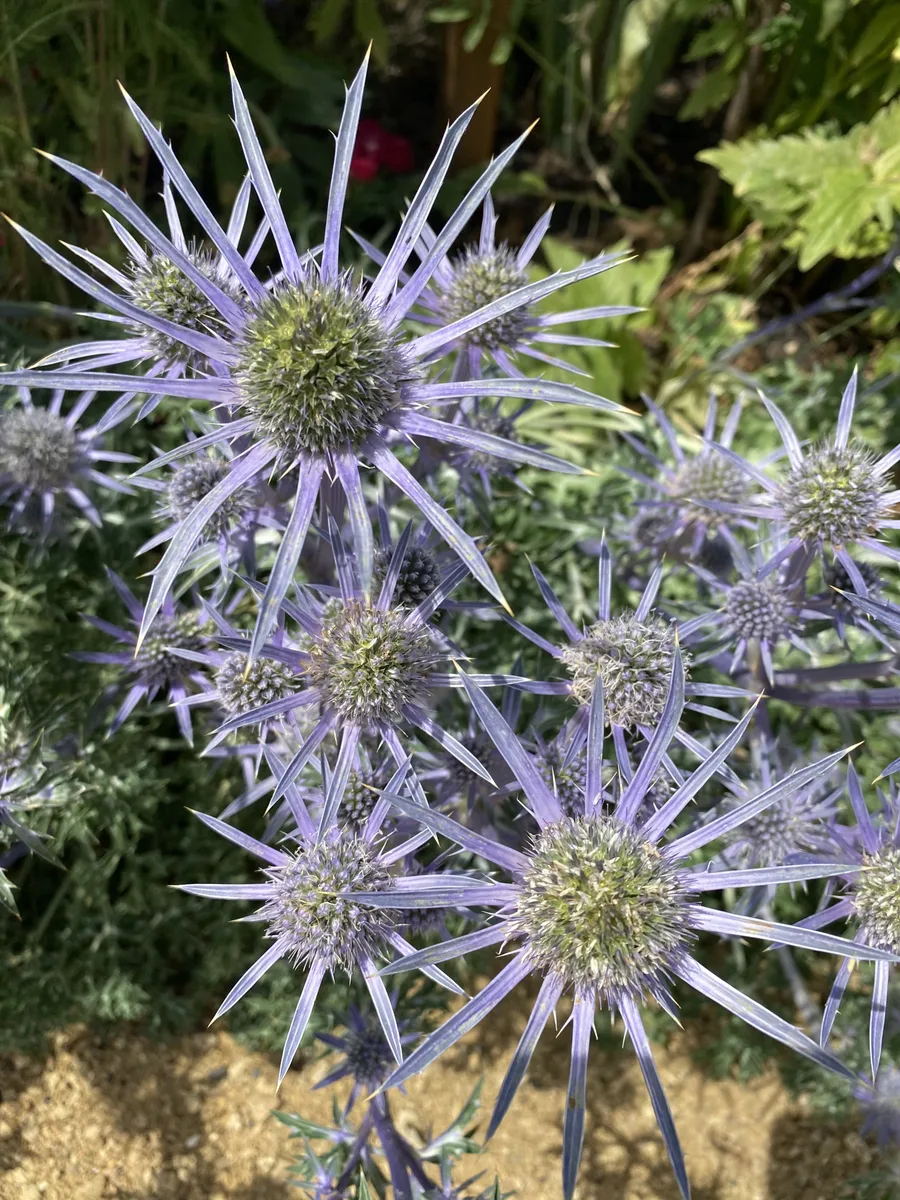
Distribution of sea holly
Distribution map
- Native
- Introduced
- Cultivated
Source:WCVP v16 · Royal Botanic Gardens, Kew · CC BY 3.0 · Boundaries:WGSRPD / TDWG
Culture
Information to be completed
Toxicity
Information to be completed
Quick identification of sea holly
Information to be completed
sea holly care guide
- Moderate regular watering, allowing brief slight drying between soakings
- Watering
- Full sun
- Sunlight
- Information to be completed
- Ideal temperature

Watering
Moderate regular watering, allowing brief slight drying between soakings
Fertilizing
 Fertilizing
Balanced perennial feed every four weeks from spring through summer
Pruning
 Pruning
None required
Propagation
 Propagation
Propagate by seed in autumn
Growing
 Growing
Occurs naturally on coast lines in sand dunes or shingle so prefers free-draining, sunny conditions
People also ask
Information to be completed
Common pests and diseases
Diseases
May be susceptible to root rot and powdery mildews
Pests
May be susceptible to leaf and bud eelworms, and slugs and snails
Explore the plant health library →




