
Peruvian lily
Also known as: Information to be completed
A robust, perennial species, forming spreading clumps about 1m tall, with upright stems supporting up to 7 branches, each with clusters of bright orange or yellow flowers, the upper petals darker with red speckles and streaks, the flowers borne during summer
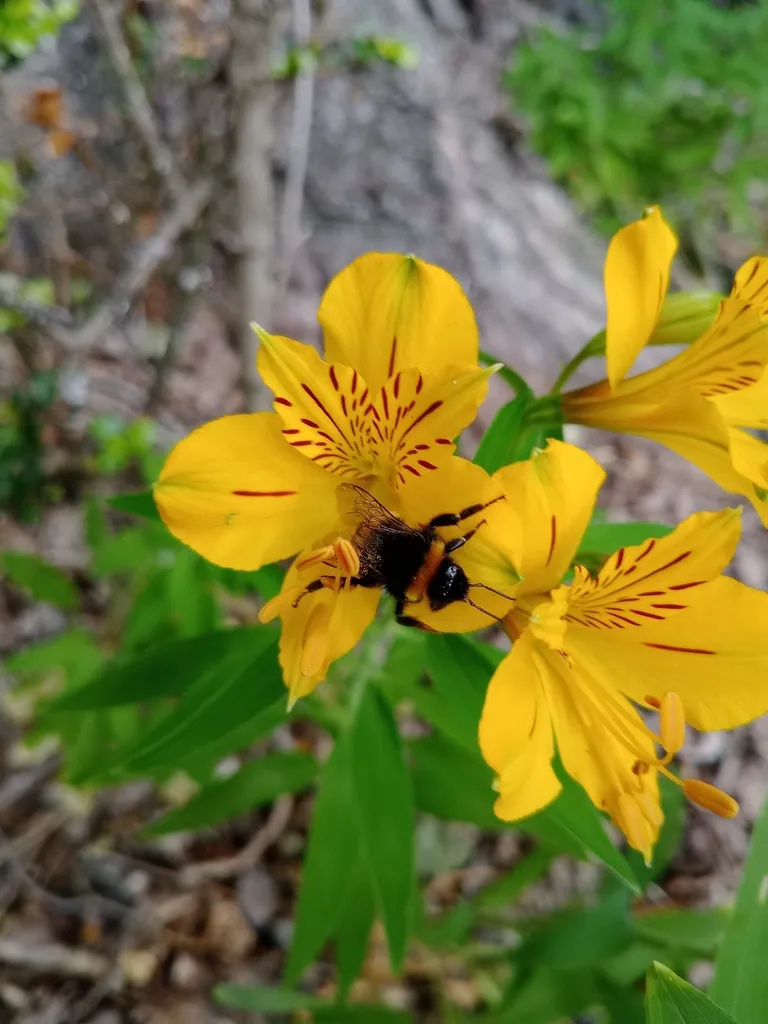
Scientific classification
- Species
- Peruvian lily (Alstroemeria aurea)
- Genus
- Alstroemeria
- Family
- Alstroemeriaceae
- Skin allergen. Wear gloves and other protective equipment when handling
- Toxicity
- Herbaceous Perennial
- Plant type
- 0.5-1 metres
- Height
- 0.1-0.5 metres
- Spread
- Deciduous
- Foliage
- Clump forming
- Habit
- Spring · Summer · Autumn
- Season of interest
- Full sun · Partial shade
- Sunlight
- Information to be completed
- Ideal temperature









Peruvian lily pictures
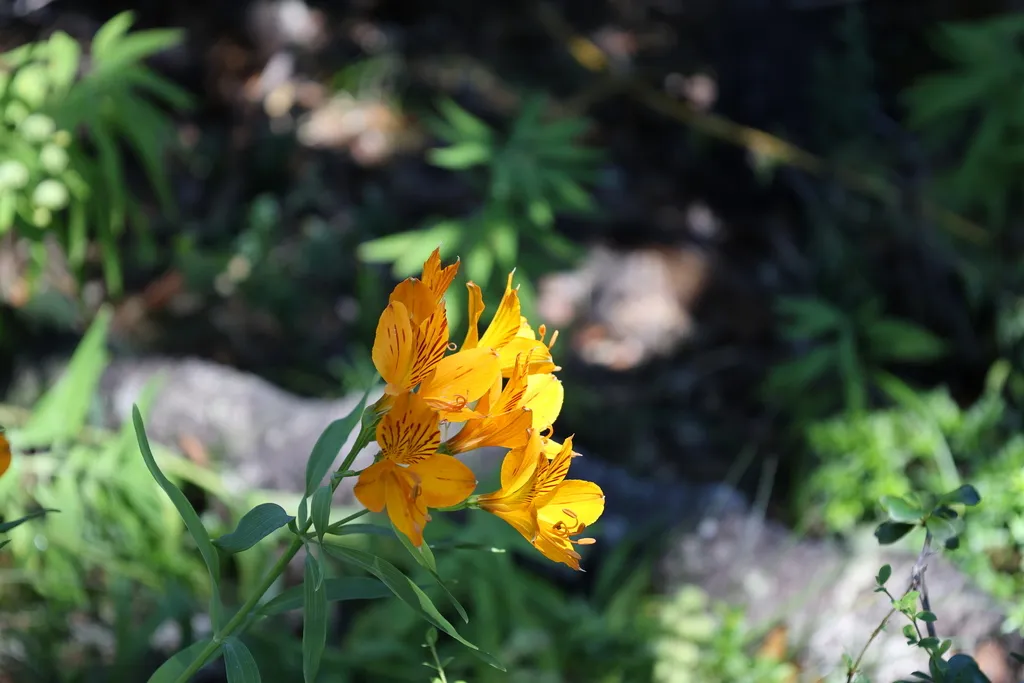
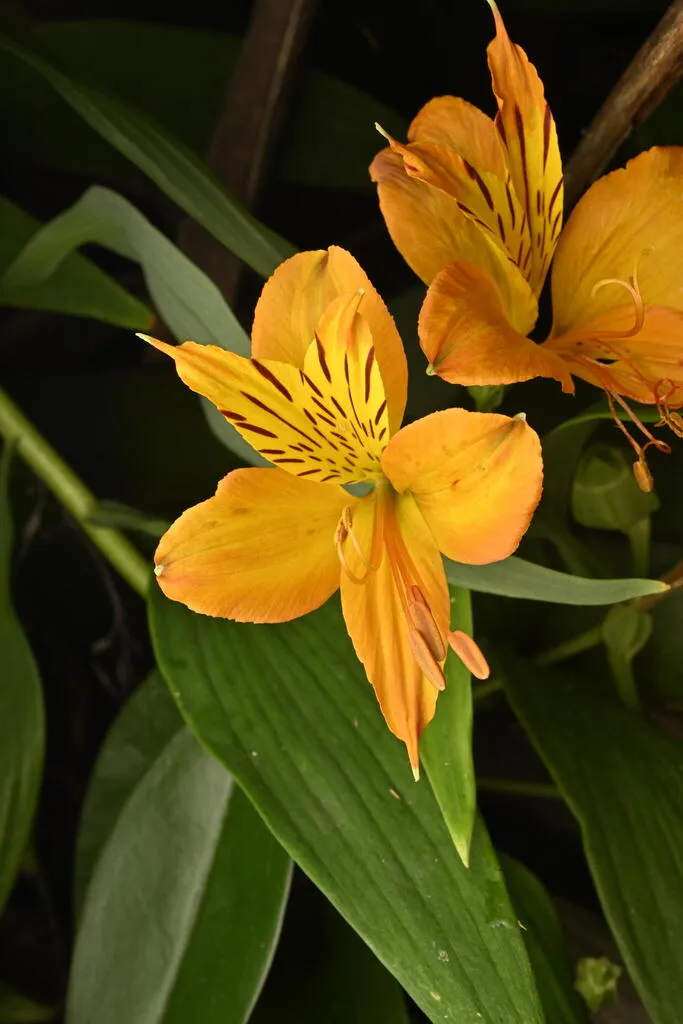
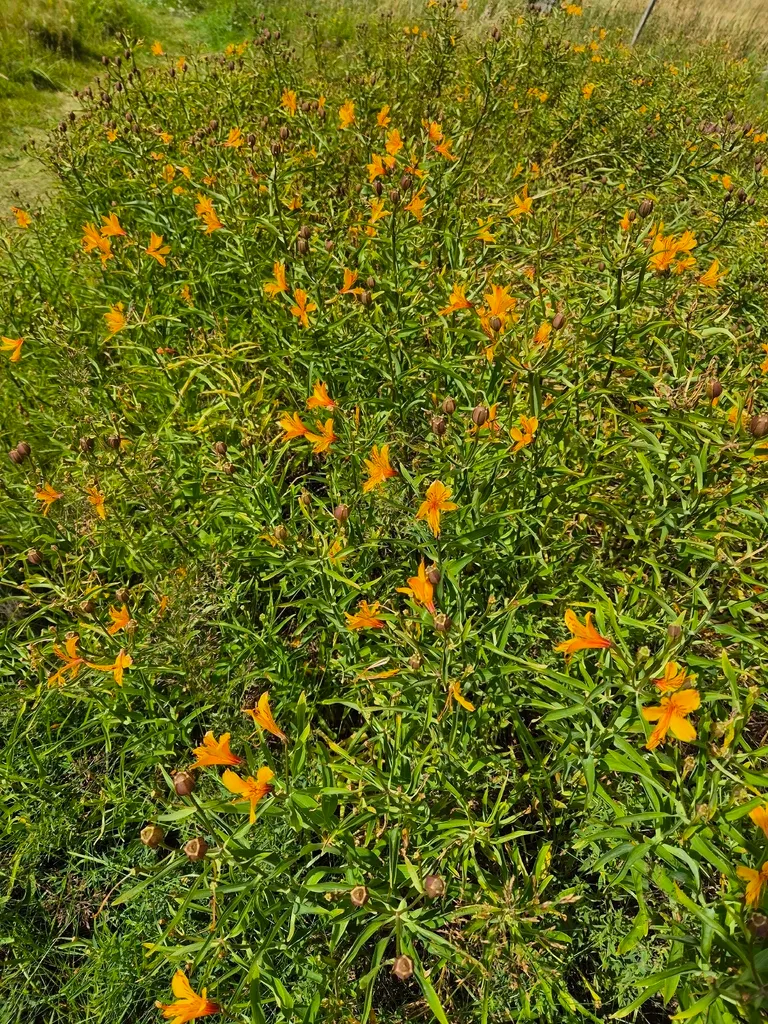
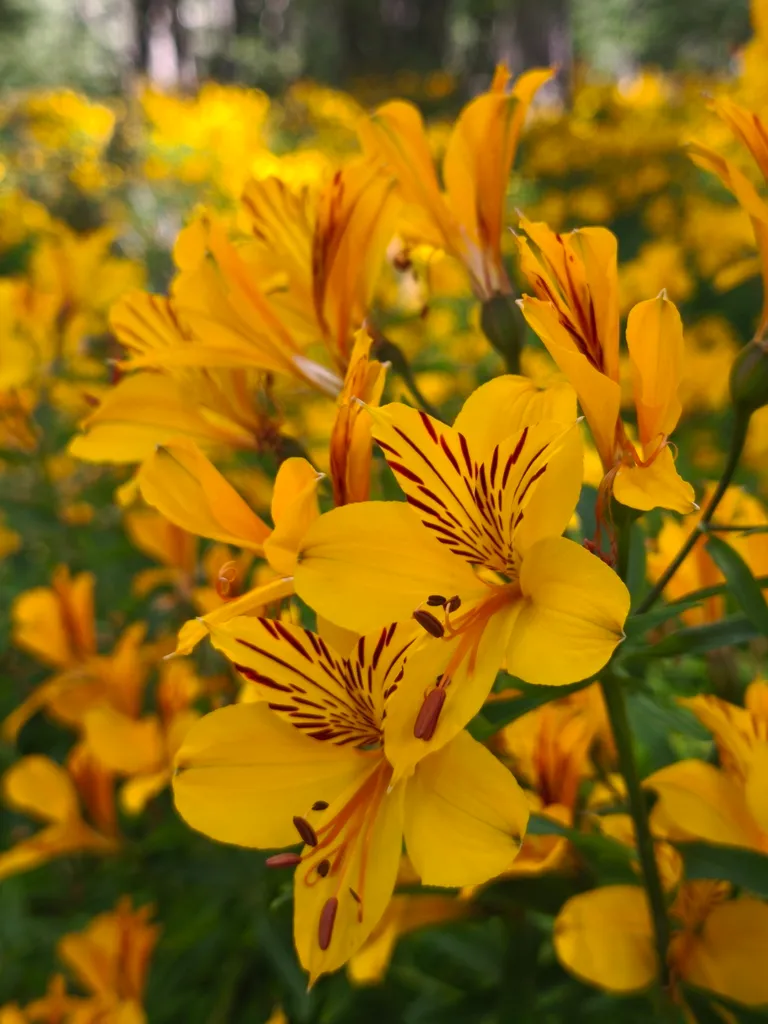
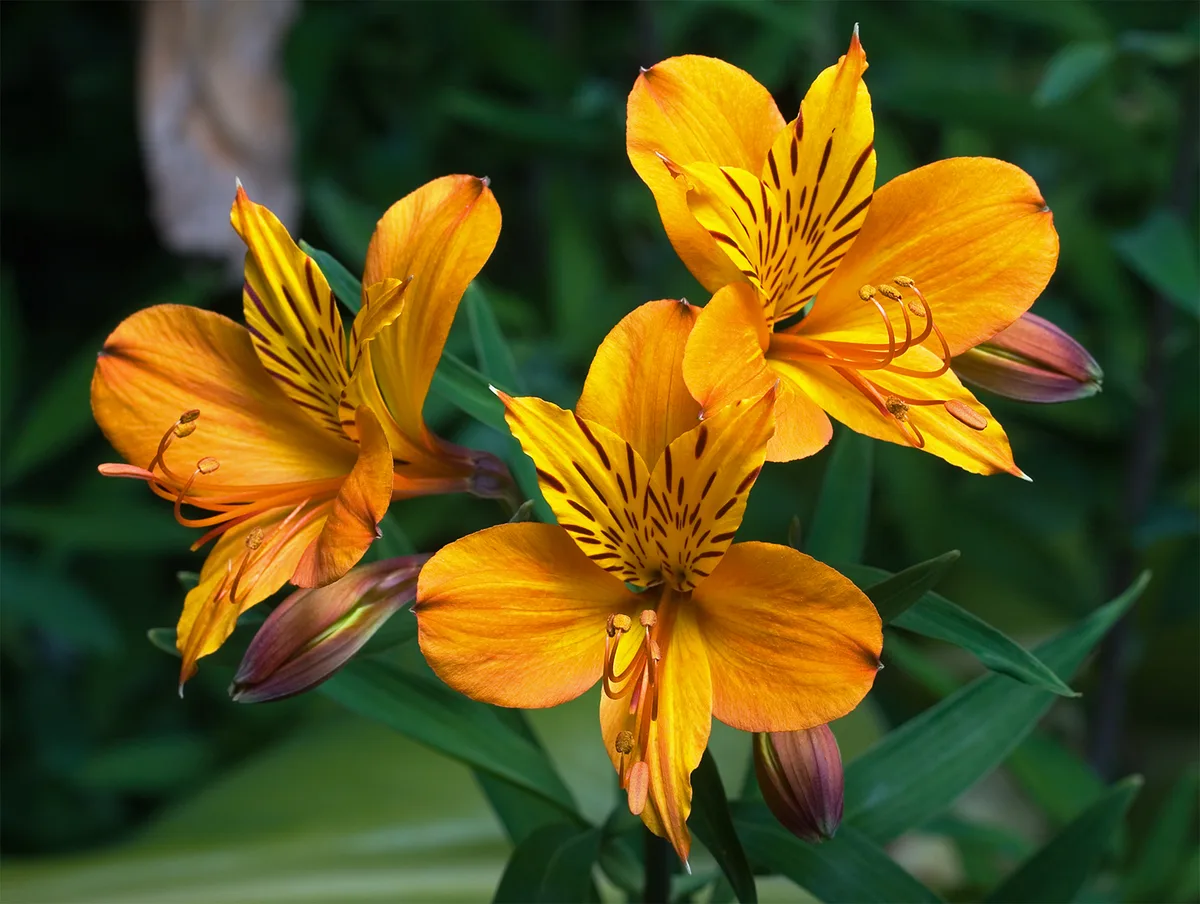
Distribution of Peruvian lily
Distribution map
Chile, Argentina
Information to be completed
Culture
Information to be completed
Toxicity
Skin allergen. Wear gloves and other protective equipment when handling
Quick identification of Peruvian lily
Information to be completed
Peruvian lily care guide
- Moderate regular watering, allowing brief slight drying between soakings
- Watering
- Full sun · Partial shade
- Sunlight
- Information to be completed
- Ideal temperature

Watering
Moderate regular watering, allowing brief slight drying between soakings
Fertilizing
 Fertilizing
Balanced perennial feed every four weeks from spring through summer
Pruning
 Pruning
Pull up spent flowered stems, leaving tubers in ground
Propagation
 Propagation
Propagate by division in autumn or very early spring
Growing
 Growing
Grow in fertile, moist but well-drained soils in full sun or partial shade. Young plants are best left undisturbed to form clumps; use a dry mulch for the first two winters. See Alstroemeria cultivation
People also ask
Information to be completed
Common pests and diseases
Diseases
Generally disease-free but may be susceptible to a virus
Pests
May be susceptible to slugs
Explore the plant health library →




