
sweet granadilla
Also known as: Information to be completed
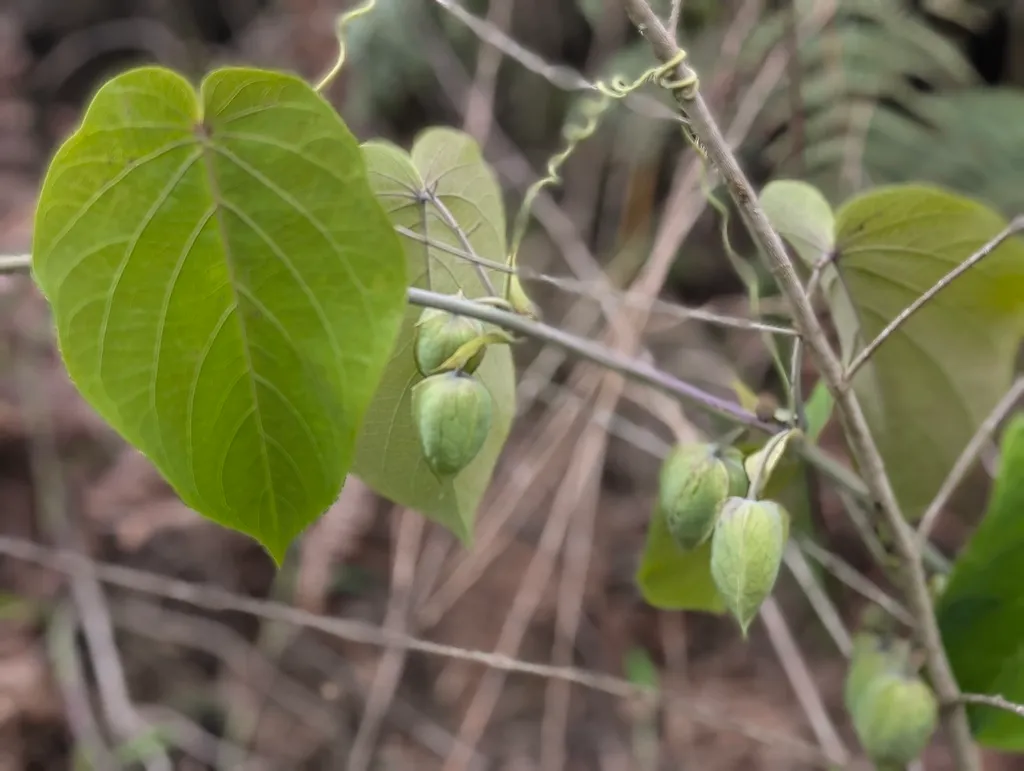
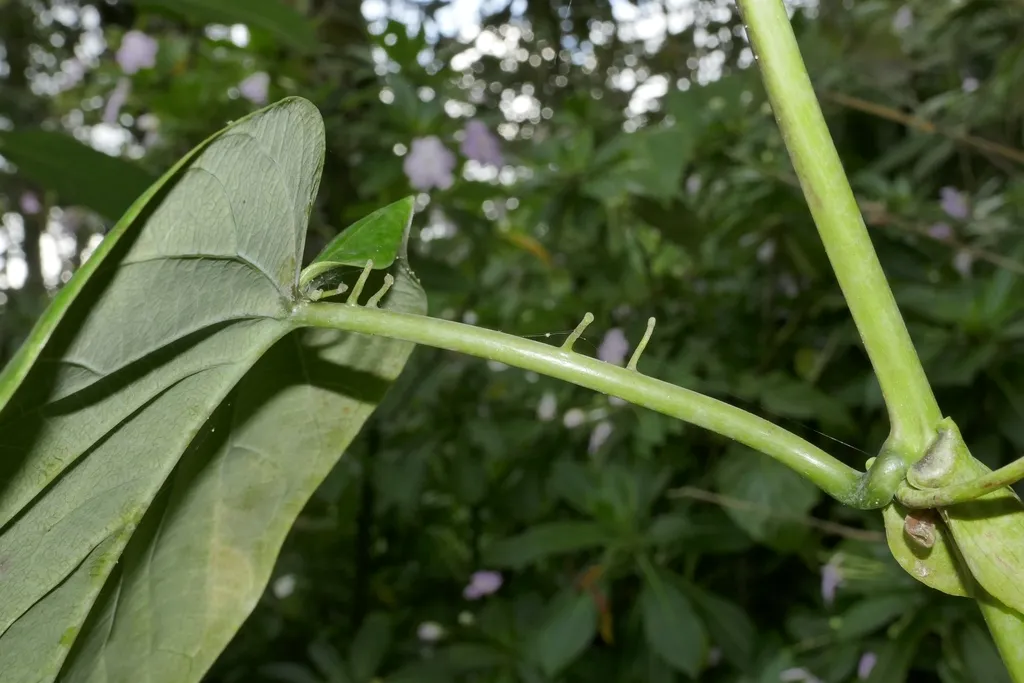
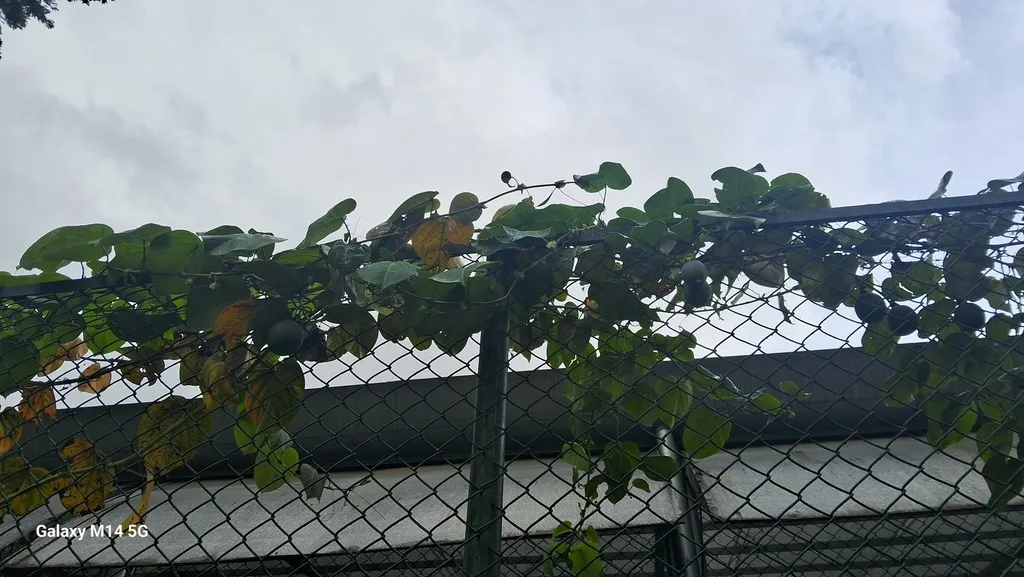
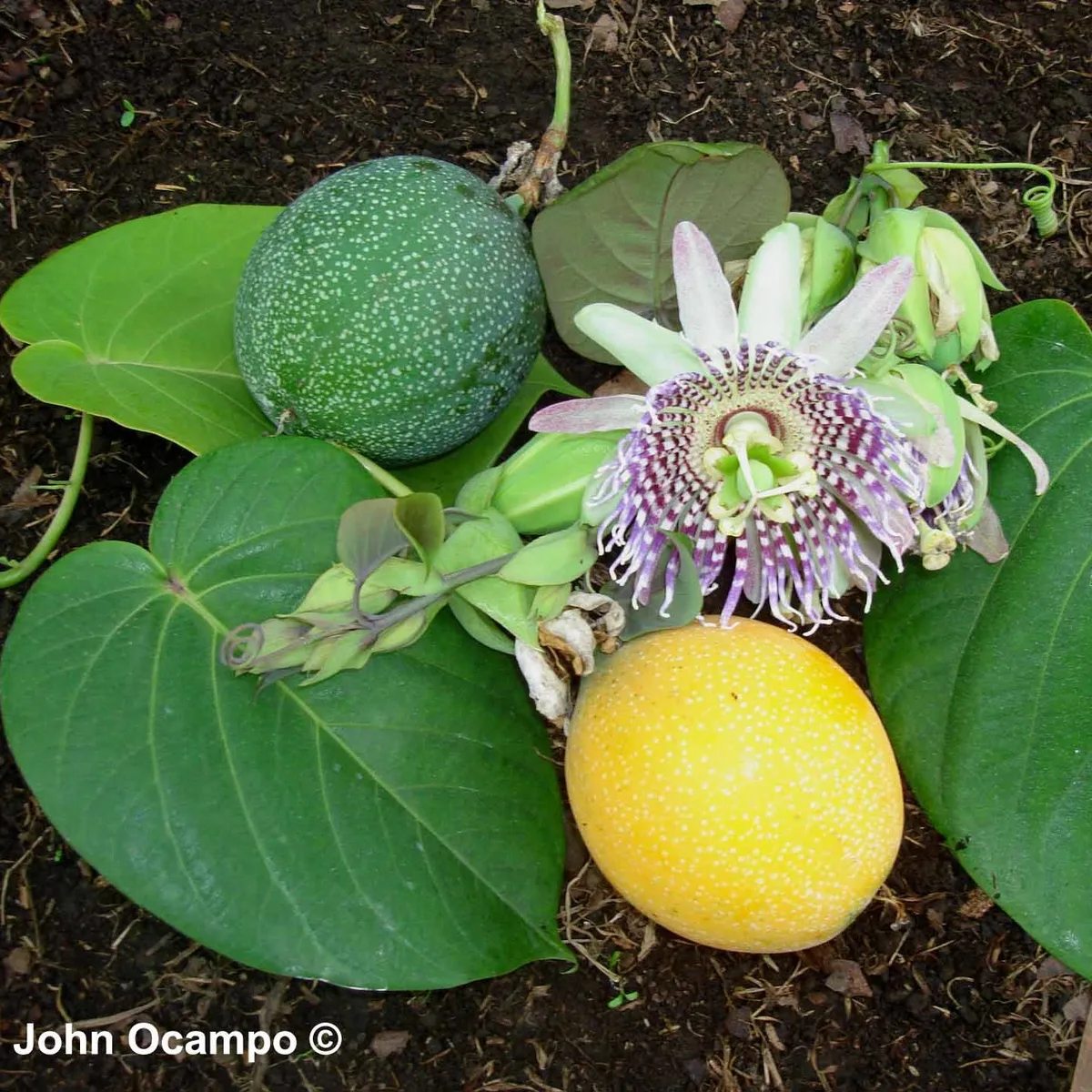
P. ligularis is a vigorous, evergreen climber, to around 5m tall, with heart-shaped, prominently-veined leaves, 10-20cm long. Fragrant summer flowers, up to 10cm in diameter, have greenish-white sepals and lilac-white petals surrounding the bluish-purple and white banded coronal filaments. Flowers are followed by edible orange-yellow, rounded fruit
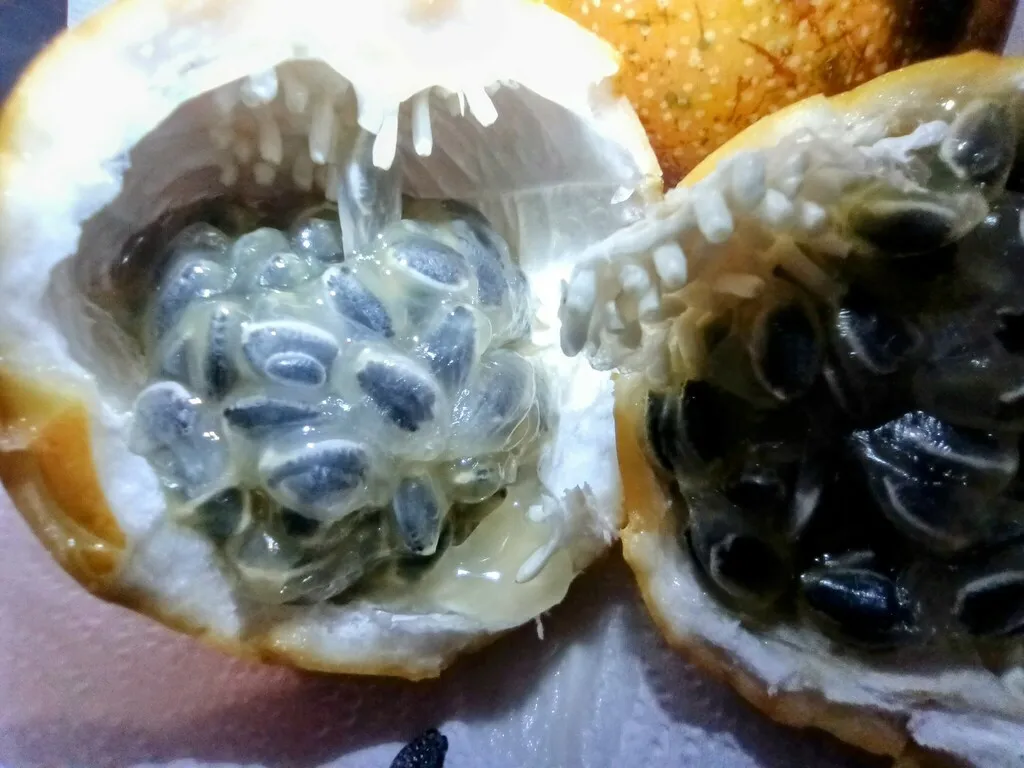
Scientific classification
- Species
- sweet granadilla (Passiflora ligularis)
- Genus
- Passiflora
- Family
- Passifloraceae
- Information to be completed
- Toxicity
- Climber Wall Shrub · Fruit Edible · Conservatory Greenhouse
- Plant type
- 4-8 metres
- Height
- 1.5-2.5 metres
- Spread
- Evergreen
- Foliage
- Climbing
- Habit
- Spring · Summer · Autumn · Winter
- Season of interest
- Full sun · Partial shade
- Sunlight
- Information to be completed
- Ideal temperature









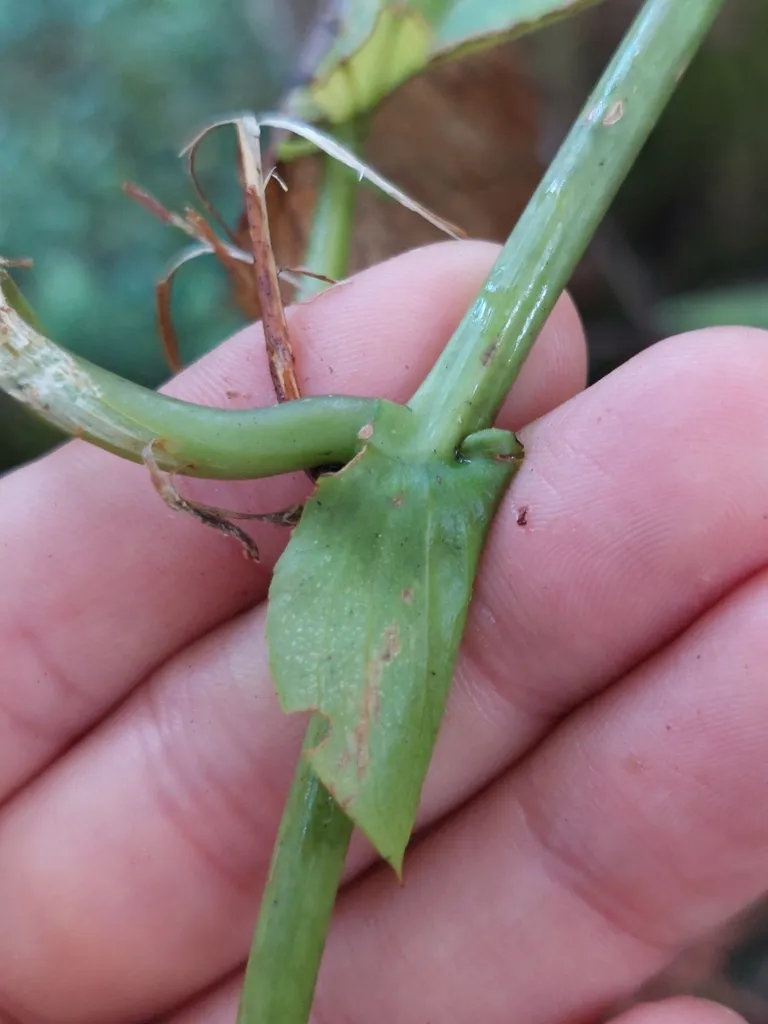
sweet granadilla pictures
Distribution of sweet granadilla
Distribution map
Information to be completed
Information to be completed
Culture
Information to be completed
Toxicity
Information to be completed
Quick identification of sweet granadilla
Information to be completed
sweet granadilla care guide
- Moderate regular watering, allowing brief slight drying between soakings
- Watering
- Full sun · Partial shade
- Sunlight
- Information to be completed
- Ideal temperature

Watering
Moderate regular watering, allowing brief slight drying between soakings
Fertilizing
 Fertilizing
Balanced perennial feed every four weeks from spring through summer
Pruning
 Pruning
Routine pruning is unnecessary; shorten overlong shoots to fit the available space. For last-year flowering growth, prune after flowering; for current-year flowering growth, prune in late winter or spring. This guidance is for established plants.
Propagation
 Propagation
Propagate by seed, semi-hardwood cuttings or by layering in spring or autumn
Growing
 Growing
Under glass grow in loam-based potting compost such as John Innes No. 3 in full light with shade from hot sun. Water freely when in growth and sparingly in winter. Well suited for a cool conservatory. May be grown outdoors in most fertile, moist but well-drained soils in mild areas
People also ask
Information to be completed
Common pests and diseases
Diseases
May be susceptible to honey fungus (rarely) and a virus
Pests
May be susceptible to glasshouse red spider mite, scale insects and glasshouse whitefly
Explore the plant health library →




