
bird vetch
Also known as: Canada pea; common tufted vetch; cow vetch; tine grass; tufted vetch; wild fetches; wild fitches
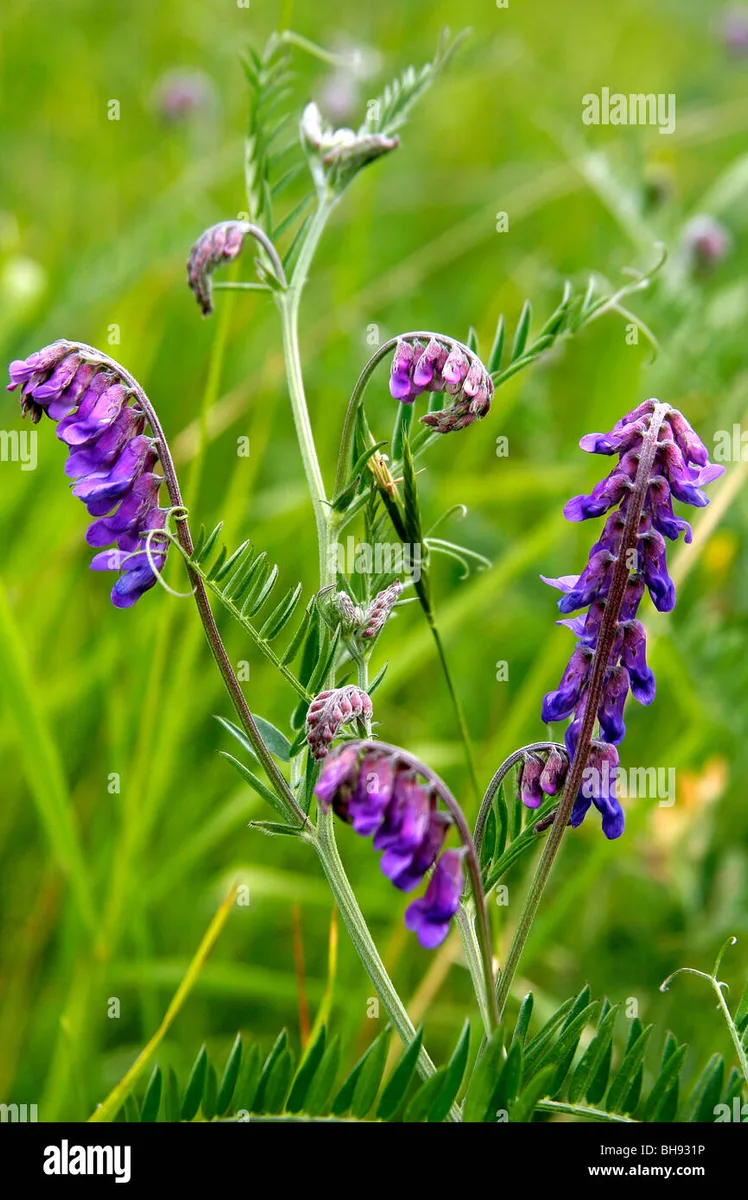
A scrambling perennial which climbs with leaf tendrils to a length of around 1.5m. The leaves have many pairs of green leaflets in a ladder-like arrangement, the last two of which are tendrils instead. The flowers are made up of many of small purple-blue pea-type flowers all arranged on one side side of the stem. They are visitied by pollinating insects and develop into pods of seeds. The roots have nodules which fix nitrogen from the air, so improve soil fertility
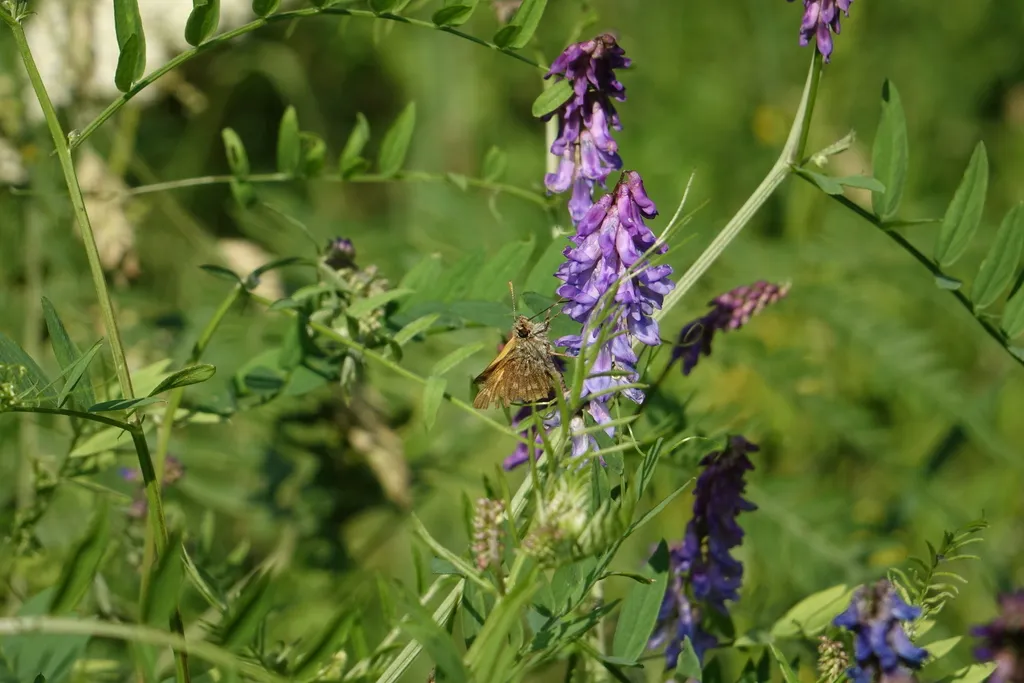
Scientific classification
- Species
- bird vetch (Vicia cracca)
- Genus
- Vicia
- Family
- Fabaceae
- Information to be completed
- Toxicity
- Herbaceous Perennial
- Plant type
- 1-1.5 metres
- Height
- 0.5-1 metres
- Spread
- Deciduous
- Foliage
- Climbing
- Habit
- Spring · Summer · Autumn
- Season of interest
- Full sun
- Sunlight
- Information to be completed
- Ideal temperature









bird vetch pictures


Distribution of bird vetch
Distribution map
Information to be completed
Information to be completed
Culture
Information to be completed
Toxicity
Information to be completed
Quick identification of bird vetch
Information to be completed
bird vetch care guide
- Consistently lightly moist soil, avoid full root ball dehydration entirely
- Watering
- Full sun
- Sunlight
- Information to be completed
- Ideal temperature

Watering
Consistently lightly moist soil, avoid full root ball dehydration entirely
Fertilizing
 Fertilizing
Weak balanced wild perennial feed monthly spring active growth season
Pruning
 Pruning
No pruning required
Propagation
 Propagation
Propagate from seed sown outdoors, in sun or light shade, where it is to grow
Growing
 Growing
Grow in any moist but well drained soil in sun or semi-shade
People also ask
Information to be completed
Common pests and diseases
Diseases
Generally disease free
Pests
Generally pest free
Explore the plant health library →




