
geranium 'Magic Lantern'
Also known as: Information to be completed
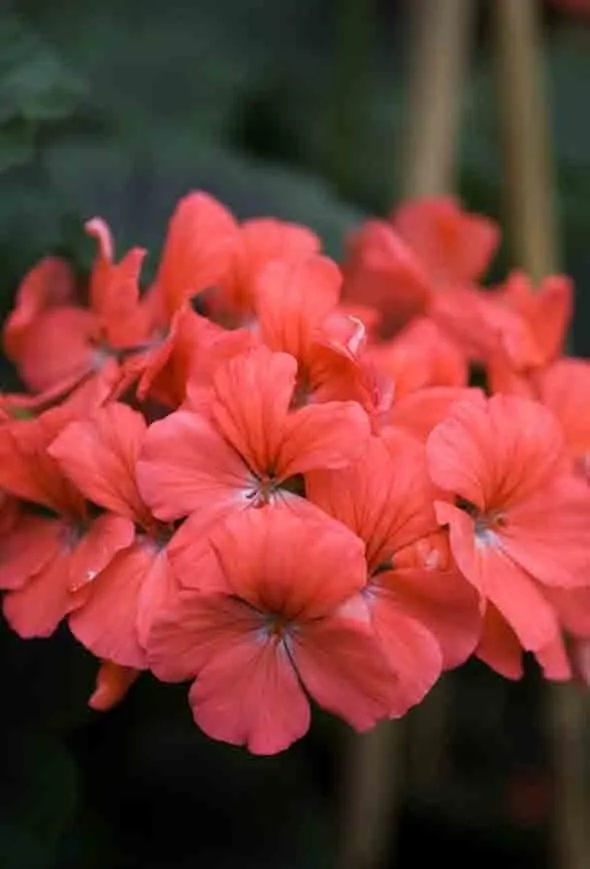
Magic Lantern' is a compact, bushy, evergreen perennial with rounded, lobed leaves zoned with deep red and clusters of salmon pink flowers in summer
Scientific classification
- Species
- geranium 'Magic Lantern' (Pelargonium 'Magic Lantern')
- Genus
- Pelargonium
- Family
- Geraniaceae
- Information to be completed
- Toxicity
- Conservatory Greenhouse · Houseplants · Bedding
- Plant type
- 0.1-0.5 metres
- Height
- 0.1-0.5 metres
- Spread
- Evergreen
- Foliage
- Bushy
- Habit
- Spring · Summer · Autumn
- Season of interest
- Full sun
- Sunlight
- Information to be completed
- Ideal temperature









geranium 'Magic Lantern' pictures
Distribution of geranium 'Magic Lantern'
Distribution map
Information to be completed
Information to be completed
Culture
Information to be completed
Toxicity
Information to be completed
Quick identification of geranium 'Magic Lantern'
Information to be completed
geranium 'Magic Lantern' care guide
- Moderate regular watering, allowing brief slight drying between soakings
- Watering
- Full sun
- Sunlight
- Information to be completed
- Ideal temperature

Watering
Moderate regular watering, allowing brief slight drying between soakings
Fertilizing
 Fertilizing
Balanced perennial feed every four weeks from spring through summer
Pruning
 Pruning
Deadhead regularly
Propagation
 Propagation
Propagate by softwood cuttings
Growing
 Growing
Under glass grow in a loam-less or loam-based potting compost in full light with shade from hot sun with good ventilation. When in growth water moderately and apply a balanced liquid fertiliser in spring and early summer. A high potash fertiliser should be used when in flower. Water sparingly in winter. Can be grown outside in frost-free areas in a fertile soil. Further pelargonium cultivation advice
People also ask
Information to be completed
Common pests and diseases
Diseases
May be subject to grey moulds when grown under glass. Pelargonium rust and a virus may affect plants
Pests
Vine weevil, leafhoppers, caterpillars, thrips, fungus gnats and aphids can be troublesome
Explore the plant health library →




