
Kybean mallee ash
Also known as: Information to be completed
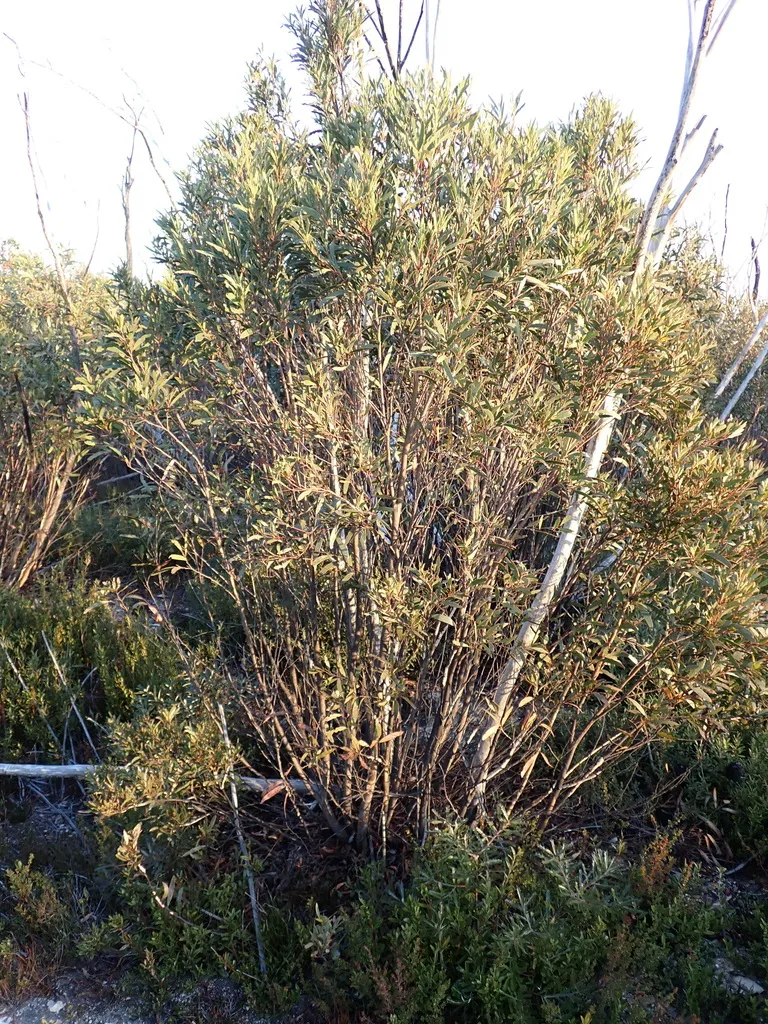
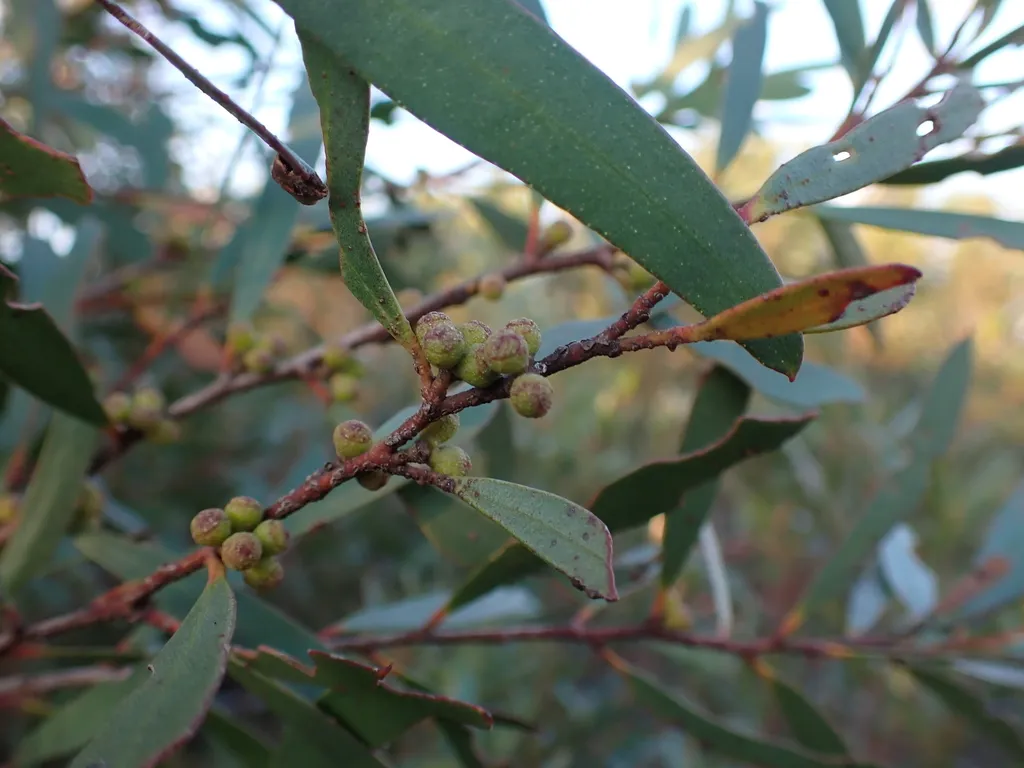
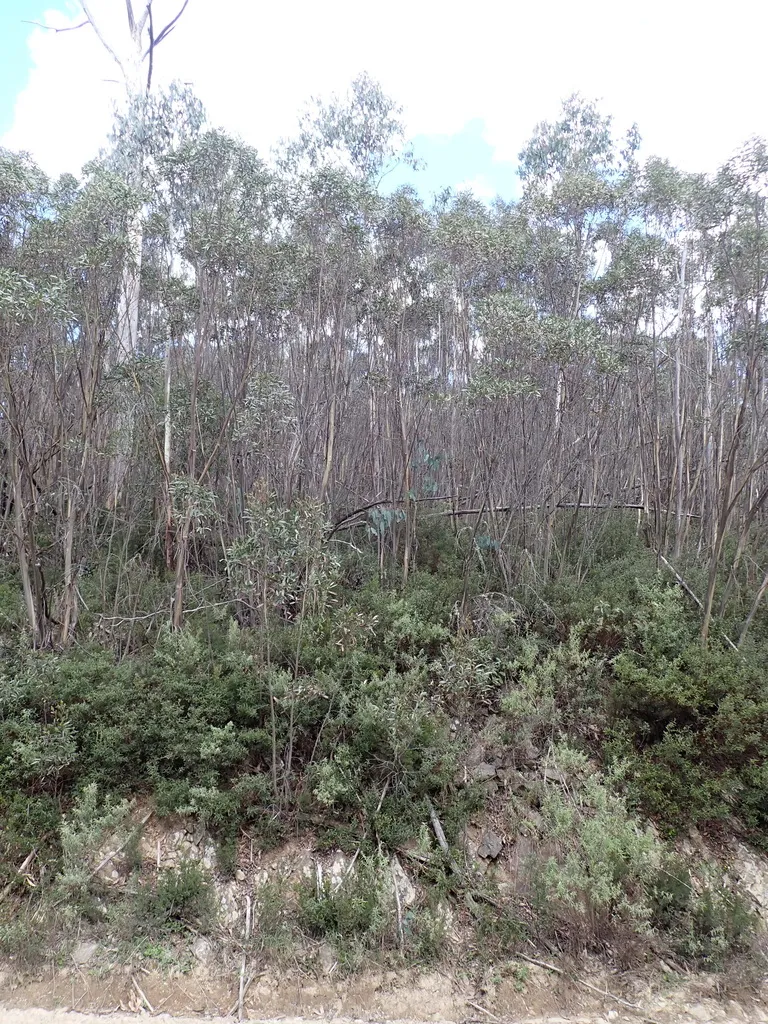
An evergreen tree, usually growing to no more than 7m (23ft) in the UK. bark is a rich chocolate brown with white striations, which when shed exposes lighter brown bark beneath. Juvenile foliage is lance-shaped and a bronze purple when young maturing to dark green. Adult foliage is lance-shaped and a glossy dark green. The foliage is lightly aromatic. White flowers are produced from late autumn through winter and are honey-scented. A high altitude eucalyptus in its native habitat, it can tolerate colder gardens in the UK well once mature, provided the soil is well drained.
Scientific classification
- Species
- Kybean mallee ash (Eucalyptus kybeanensis)
- Genus
- Eucalyptus
- Family
- Myrtaceae
- Information to be completed
- Toxicity
- Trees
- Plant type
- 4-8 metres
- Height
- 2.5-4 metres
- Spread
- Evergreen
- Foliage
- Bushy
- Habit
- Autumn · Winter · Spring · Summer
- Season of interest
- Full sun
- Sunlight
- Information to be completed
- Ideal temperature









Kybean mallee ash pictures
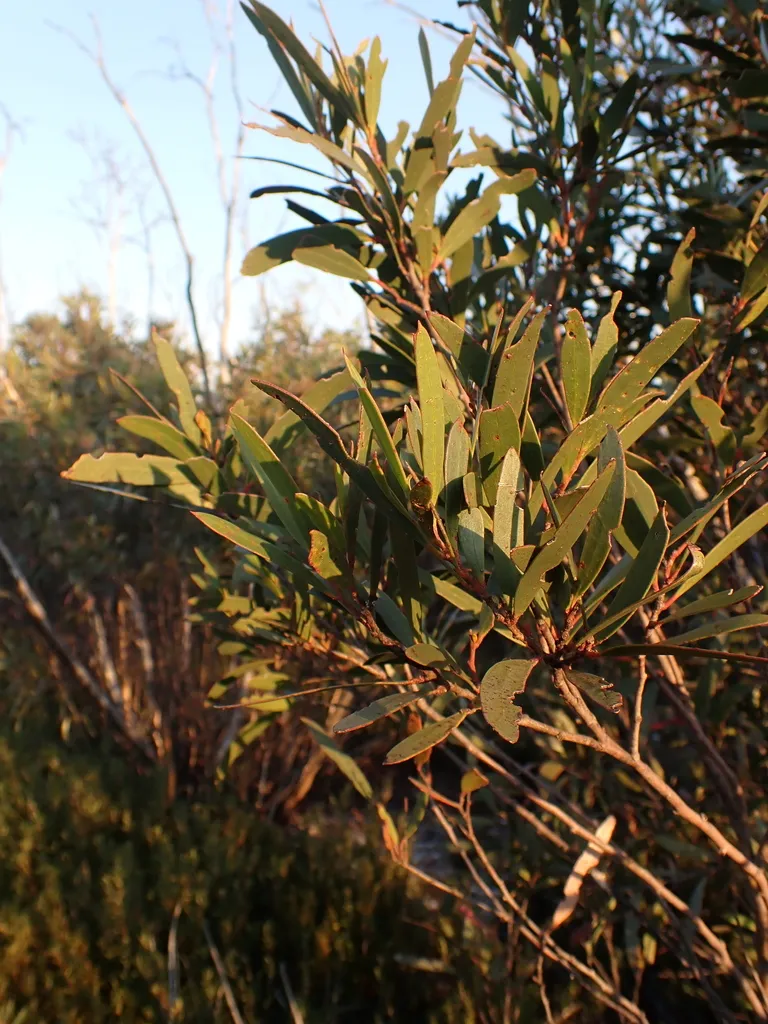
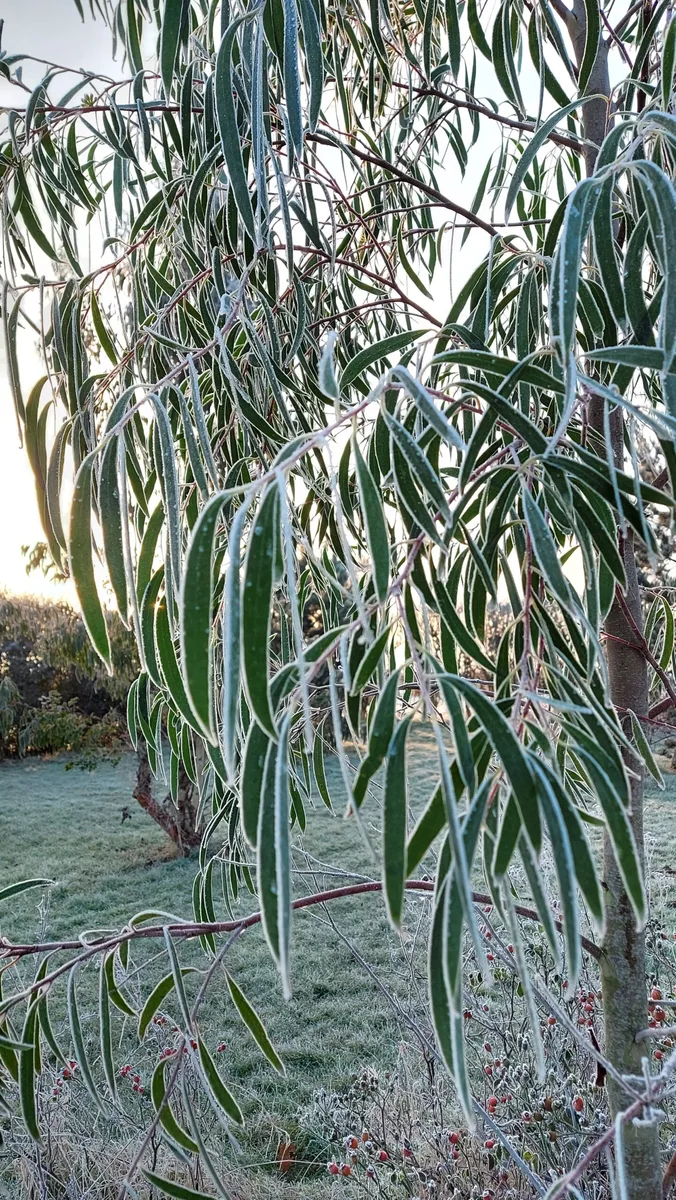
Distribution of Kybean mallee ash
Distribution map
Southeastern Australia
Information to be completed
Culture
Information to be completed
Toxicity
Information to be completed
Quick identification of Kybean mallee ash
Information to be completed
Kybean mallee ash care guide
- Deep infrequent watering, let top soil dry fully between irrigation cycles
- Watering
- Full sun
- Sunlight
- Information to be completed
- Ideal temperature

Watering
Deep infrequent watering, let top soil dry fully between irrigation cycles
Fertilizing
 Fertilizing
Low-phosphorus mild tree fertilizer once monthly in warm summer days
Pruning
 Pruning
Little pruning is needed. Remove diseased, damaged, crowded or crossing shoots and unwanted growth. Timing depends on the plant: generally late winter or early spring; plants prone to bleeding and deciduous magnolias need different timing, and deciduous azaleas and lilacs are pruned after flowering.
Propagation
 Propagation
Propagate by seed or semi-ripe cuttings
Growing
 Growing
Grows best in slightly acidic, moist but well drained soil in full sun, but unlike many other eucalypts will also tolerate wetter soils. Shelter from cold, drying winds especially when young. See eucalyptus cultivation
People also ask
Information to be completed
Common pests and diseases
Diseases
May be susceptible to silver leaf, oedema and honey fungus
Pests
May be susceptible to eucalyptus gall wasp and eucalyptus sucker
Explore the plant health library →




