
Siberian fir
Also known as: Information to be completed
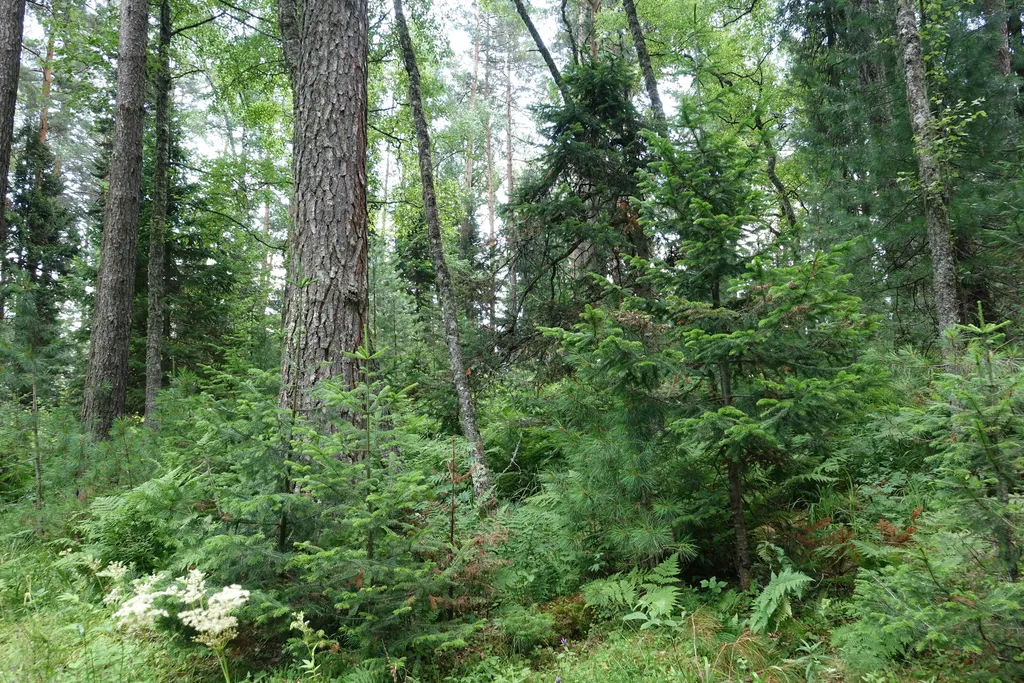
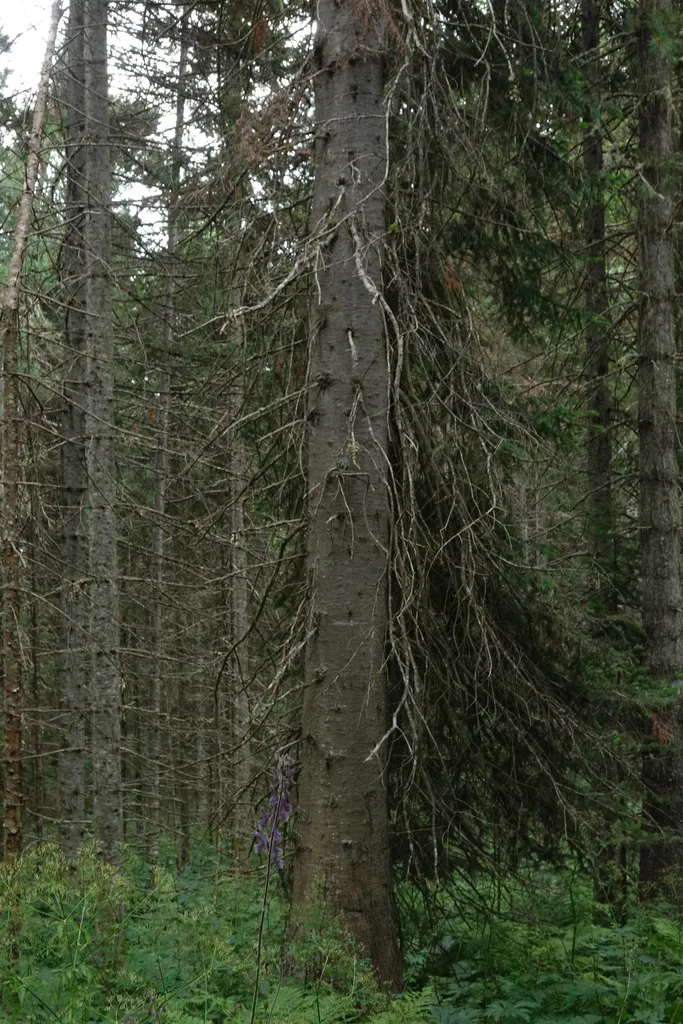
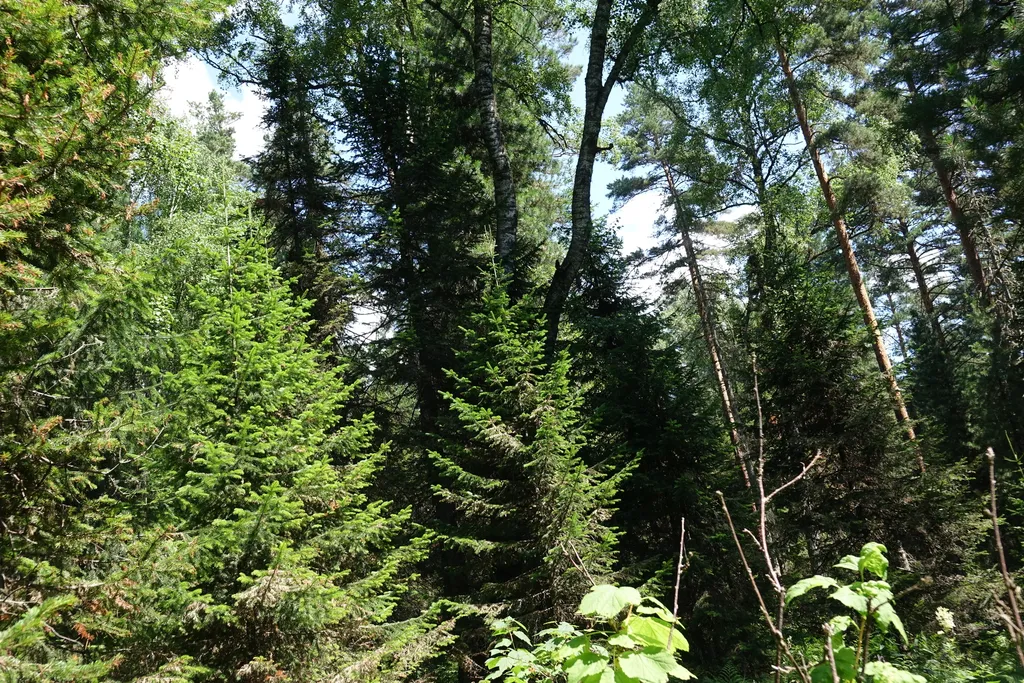
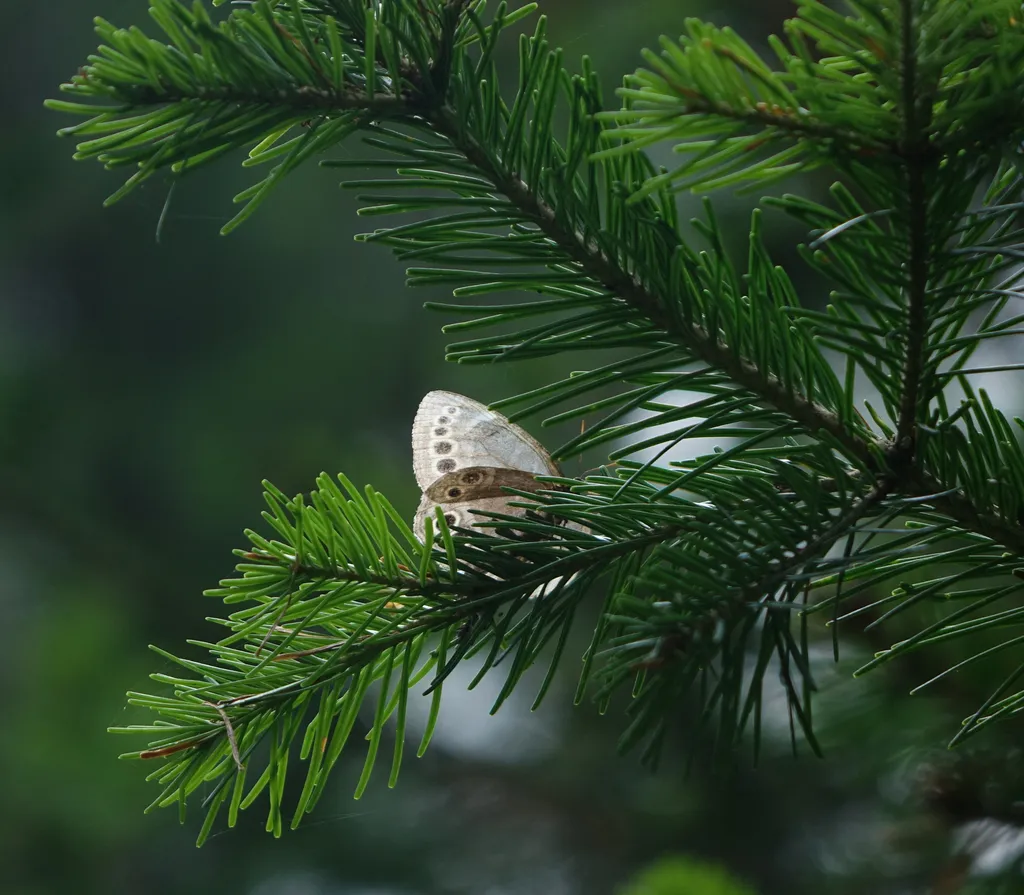
An evergreen, coniferous tree up to 30 - 35 metre high, with conical crown. Needles are soft to touch, bright green with two pale stripes on the underside, 2-3cm long and 1.5mm wide. Young shoots are yellow-grey and resinous. Seed cones are cylindrical, 5-9cm long and 2.5-3.5cm in diameter. Surviving temperatures down to -50°C, this is one of the most hardy trees.
Scientific classification
- Species
- Siberian fir (Abies sibirica)
- Genus
- Abies
- Family
- Pinaceae
- Order
- Pinales
- Class
- Pinopsida
- Phylum
- Coniferophyta
- Information to be completed
- Toxicity
- Conifers · Trees
- Plant type
- Higher than 12 metres
- Height
- 4-8 metres
- Spread
- Evergreen
- Foliage
- Columnar upright
- Habit
- Spring · Summer · Autumn · Winter
- Season of interest
- Full sun
- Sunlight
- Information to be completed
- Ideal temperature









Siberian fir pictures
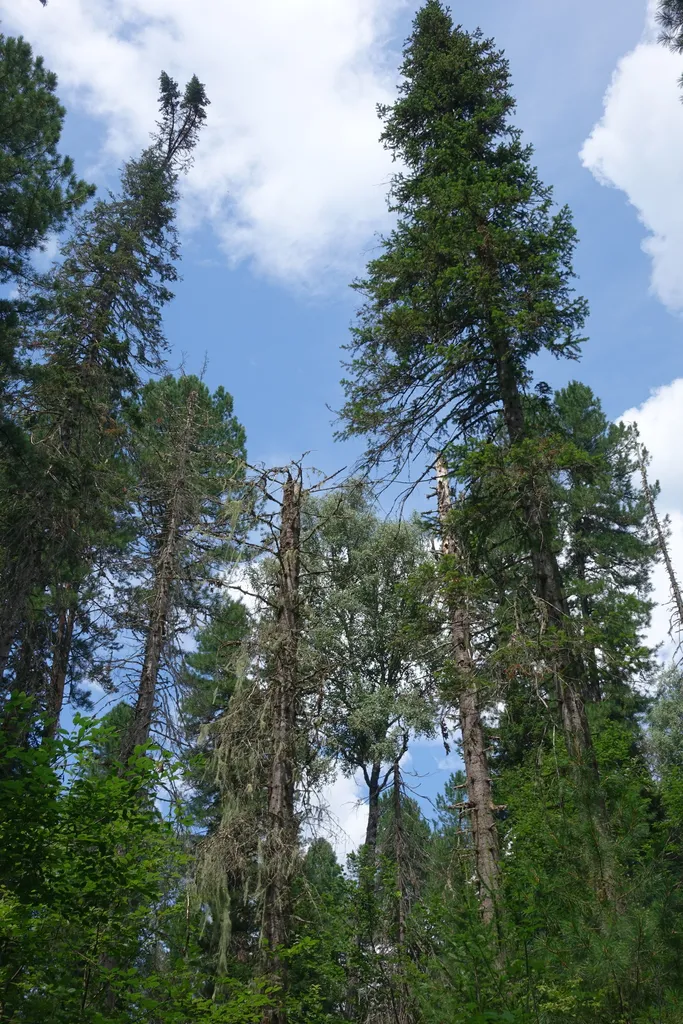
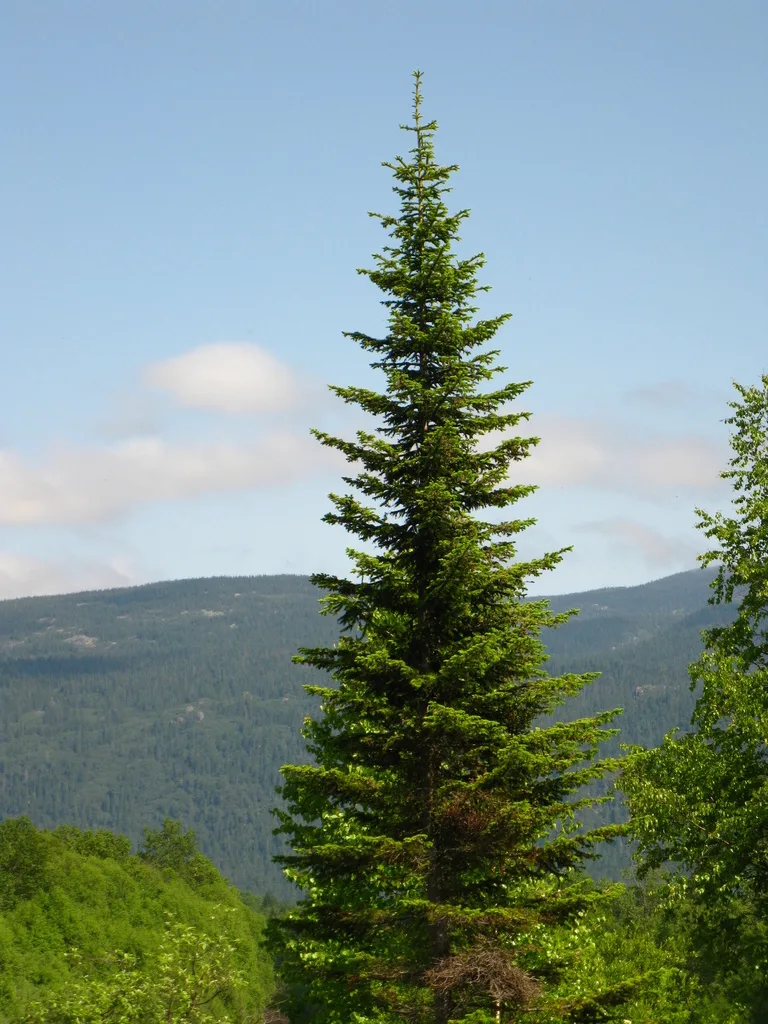
Distribution of Siberian fir
Distribution map
- Native
- Introduced
- Cultivated
Source:WCVP v16 · Royal Botanic Gardens, Kew · CC BY 3.0 · Boundaries:WGSRPD / TDWG
Siberian fir care guide
- Water deeply and regularly during the first few years; established trees are drought-tolerant.
- Watering
- Full sun
- Sunlight

Watering
Water deeply and regularly during the first few years; established trees are drought-tolerant.
Fertilizing
 Fertilizing
Apply a balanced slow-release fertilizer in spring if growth is poor.
Pruning
 Pruning
No pruning required
Propagation
 Propagation
Propagate by seed
Growing
 Growing
Grows best in deep, slightly acidic, moist but well-drained soils. This fir grows best in cold, continental climates, in humid conditions the tree is more prone to fungal diseases. See conifer cultivation
Common pests and diseases
Diseases
Generally disease-free, but may be affected by honey fungus.
Pests
May be susceptible to adelgids and aphids
Explore the plant health library →




