
Australian mountain ash
Also known as: Australian mountain oak; giant gum
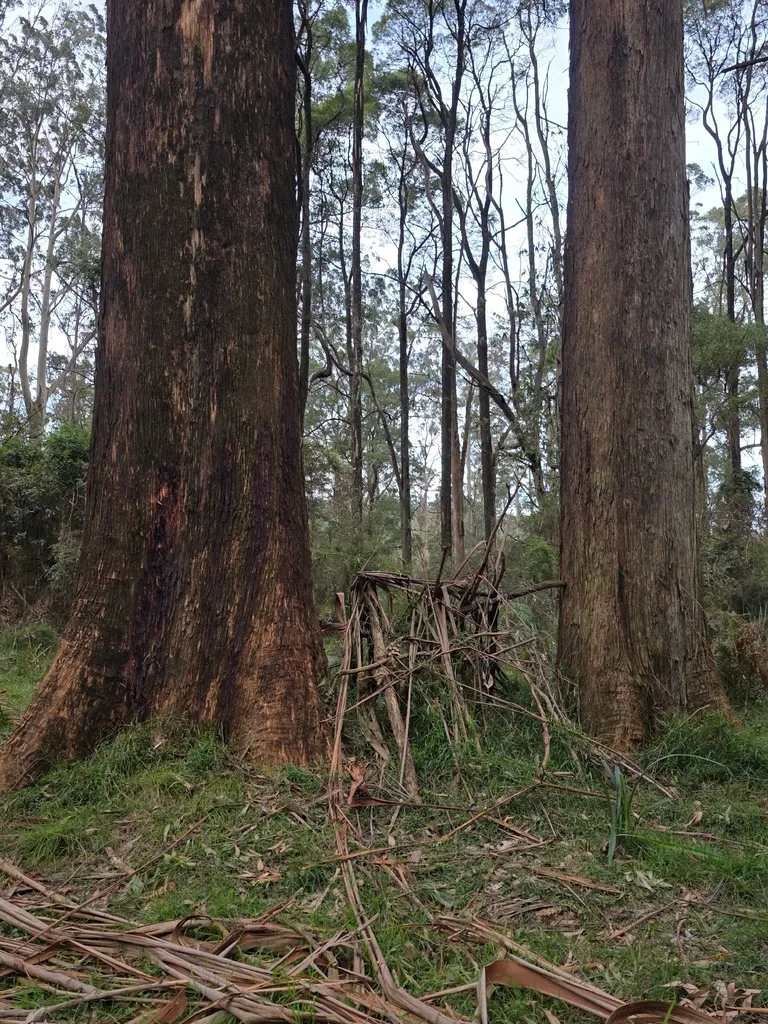
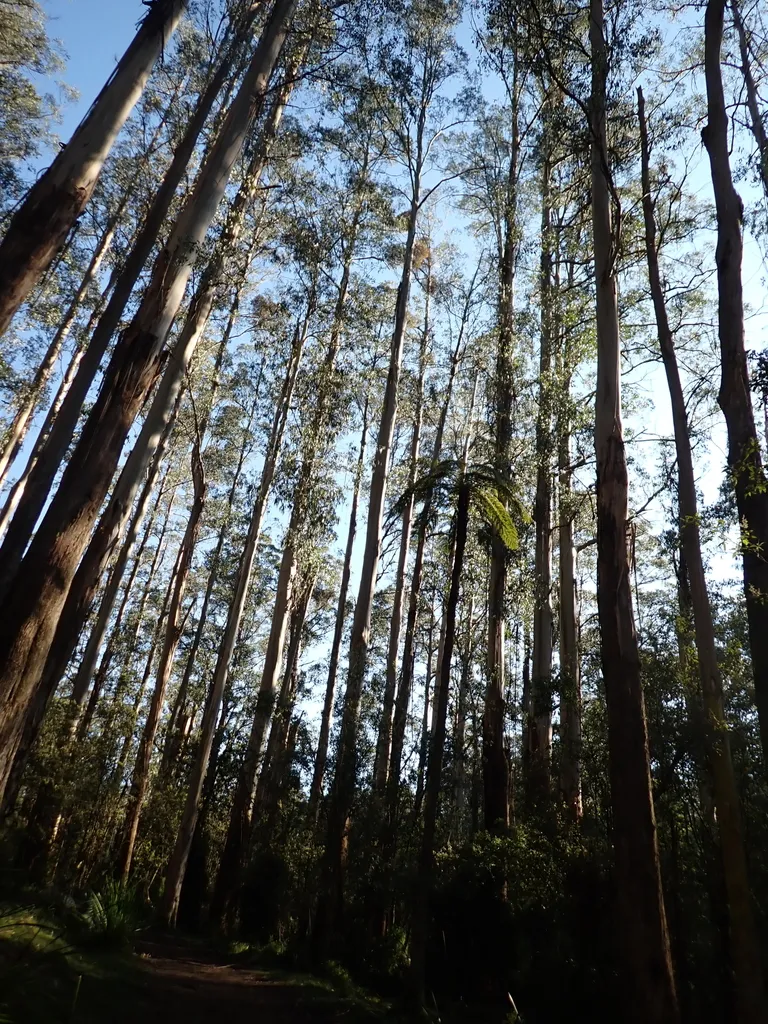
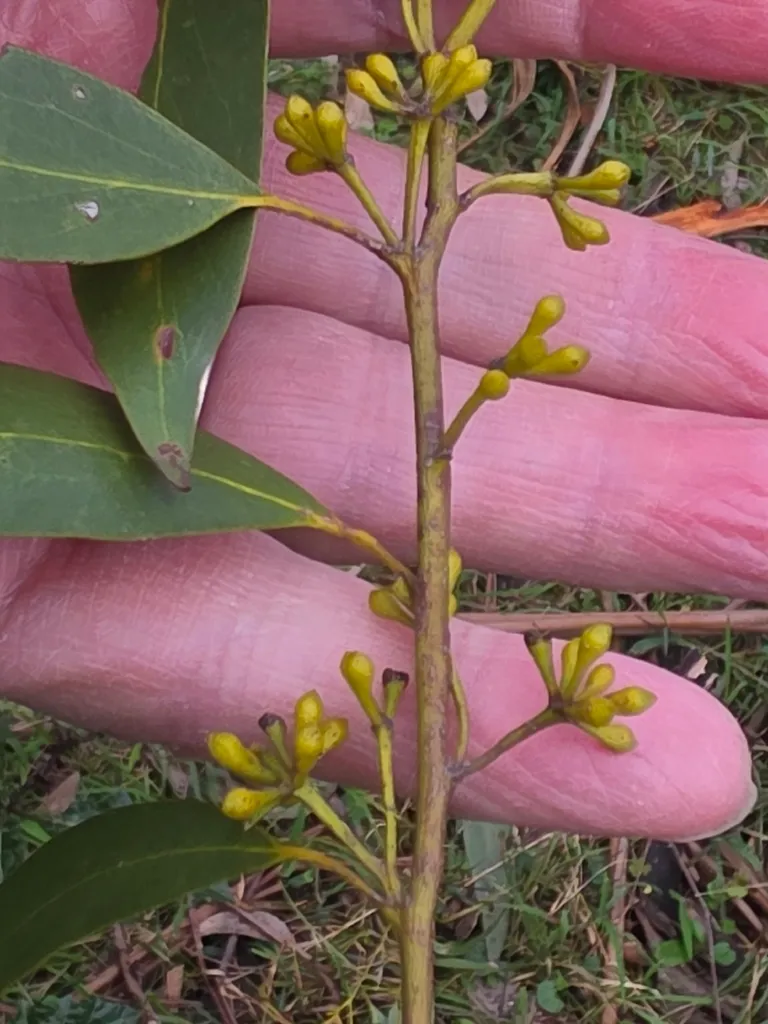
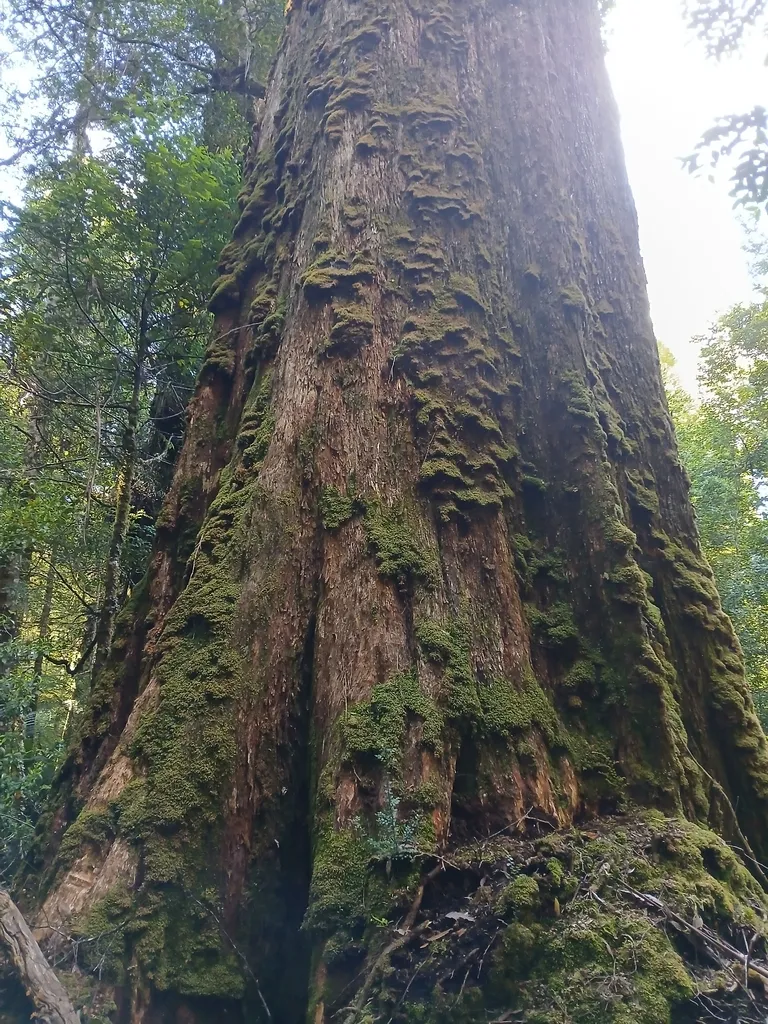
A very large, evergreen tree with a mature height of 90m (300ft) rivalling giant redwoods for size and making it suitable for only the largest gardens or parkland. The rough-textured bark on the trunk does not shed and is greyish brown. On the branches, the bark sheds in strips to reveal new bark beneath in cream, green and grey. The juvenile foliage and adult foliage are both lance-shaped and green. Flowers are white and appear in autumn. The foliage and stems are aromatic of eucalyptus and balsam when crushed
Scientific classification
- Species
- Australian mountain ash (Eucalyptus regnans)
- Genus
- Eucalyptus
- Family
- Myrtaceae
- Information to be completed
- Toxicity
- Trees
- Plant type
- Higher than 12 metres
- Height
- wider than 8 metres
- Spread
- Evergreen
- Foliage
- Bushy · Columnar upright
- Habit
- Spring · Summer · Autumn · Winter
- Season of interest
- Full sun
- Sunlight
- Information to be completed
- Ideal temperature









Australian mountain ash pictures
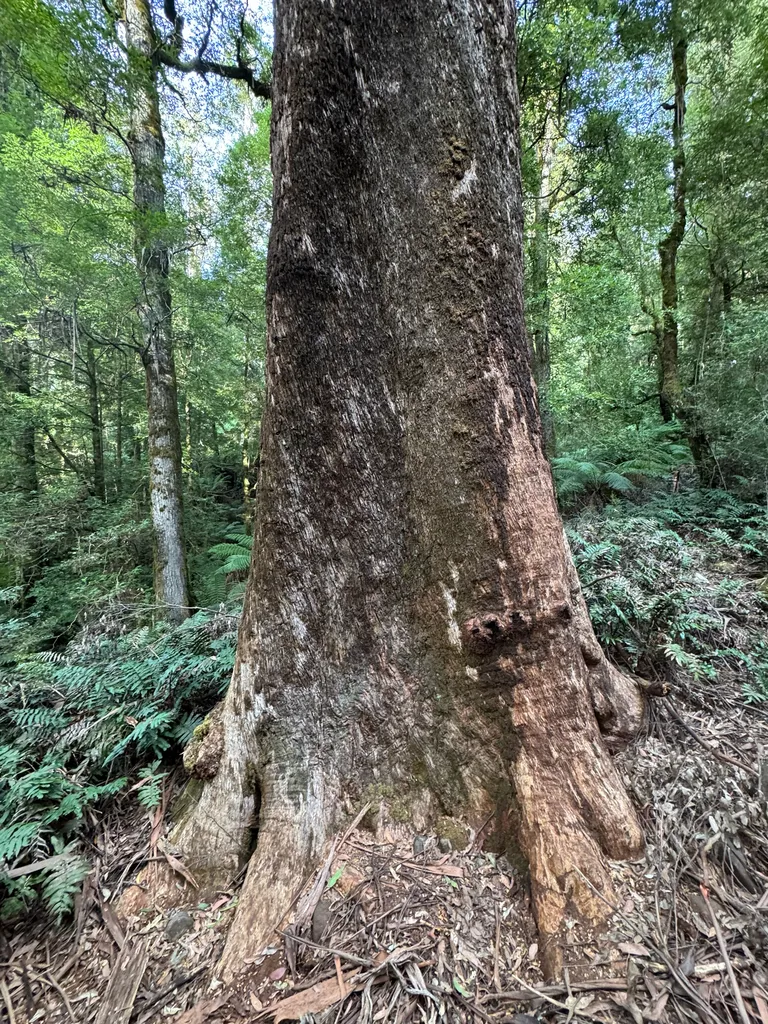
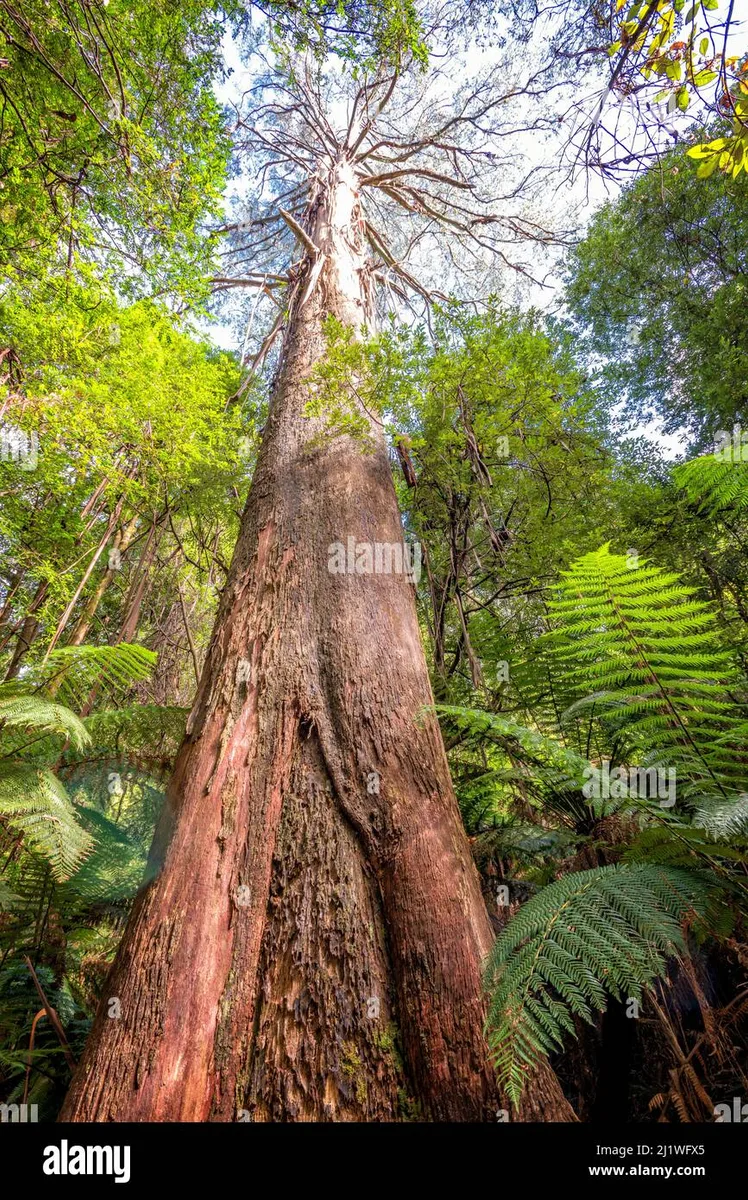
Distribution of Australian mountain ash
Distribution map
Australia
Information to be completed
Culture
Information to be completed
Toxicity
Information to be completed
Quick identification of Australian mountain ash
Information to be completed
Australian mountain ash care guide
- Moderate regular watering, allowing brief slight drying between soakings
- Watering
- Full sun
- Sunlight
- Information to be completed
- Ideal temperature

Watering
Moderate regular watering, allowing brief slight drying between soakings
Fertilizing
 Fertilizing
Balanced perennial feed every four weeks from spring through summer
Pruning
 Pruning
Little pruning is needed. Remove diseased, damaged, crowded or crossing shoots and unwanted growth. Timing depends on the plant: generally late winter or early spring; plants prone to bleeding and deciduous magnolias need different timing, and deciduous azaleas and lilacs are pruned after flowering.
Propagation
 Propagation
Propagate by seed at 13-18°C in spring and summer
Growing
 Growing
Grows best in full sun and a mildly acidic, neutral, or mildly alkaline soil that is moist but well-drained. Able to withstand cold temperatures when mature, but shelter from cold, drying winds especially when young. See eucalyptus cultivation
People also ask
Information to be completed
Common pests and diseases
Diseases
May be susceptible to silver leaf, oedema and honey fungus
Pests
May be susceptible to eucalyptus gall wasp and eucalyptus sucker
Explore the plant health library →




