
Tasmanian alpine yellow gum
Also known as: Information to be completed
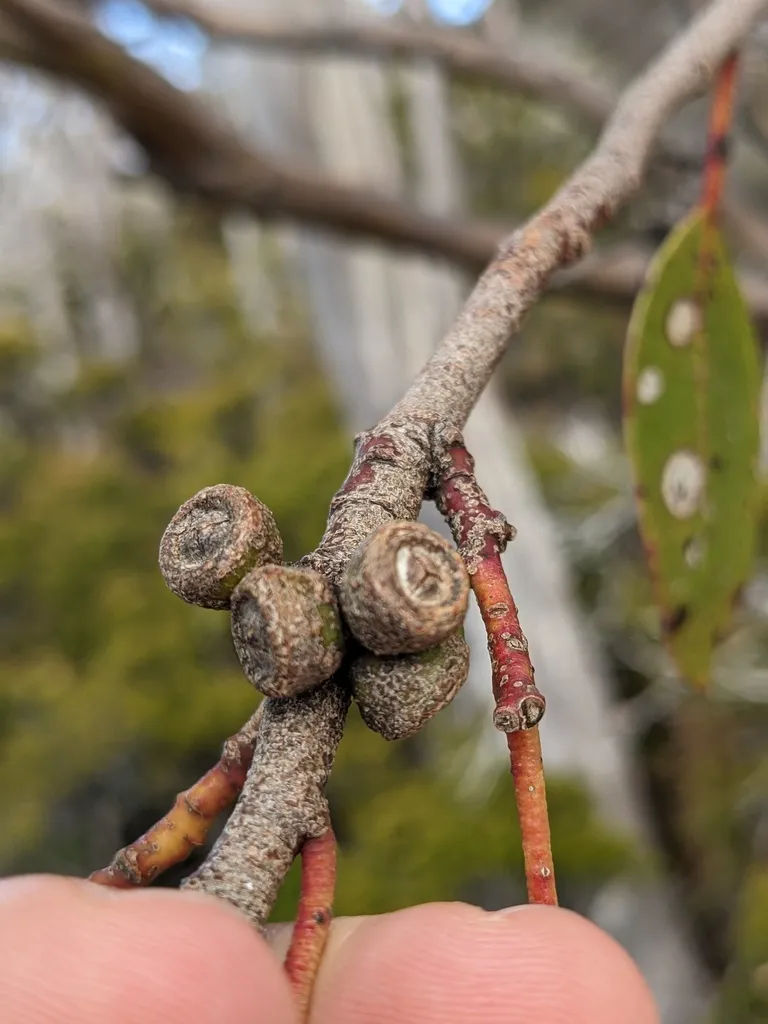
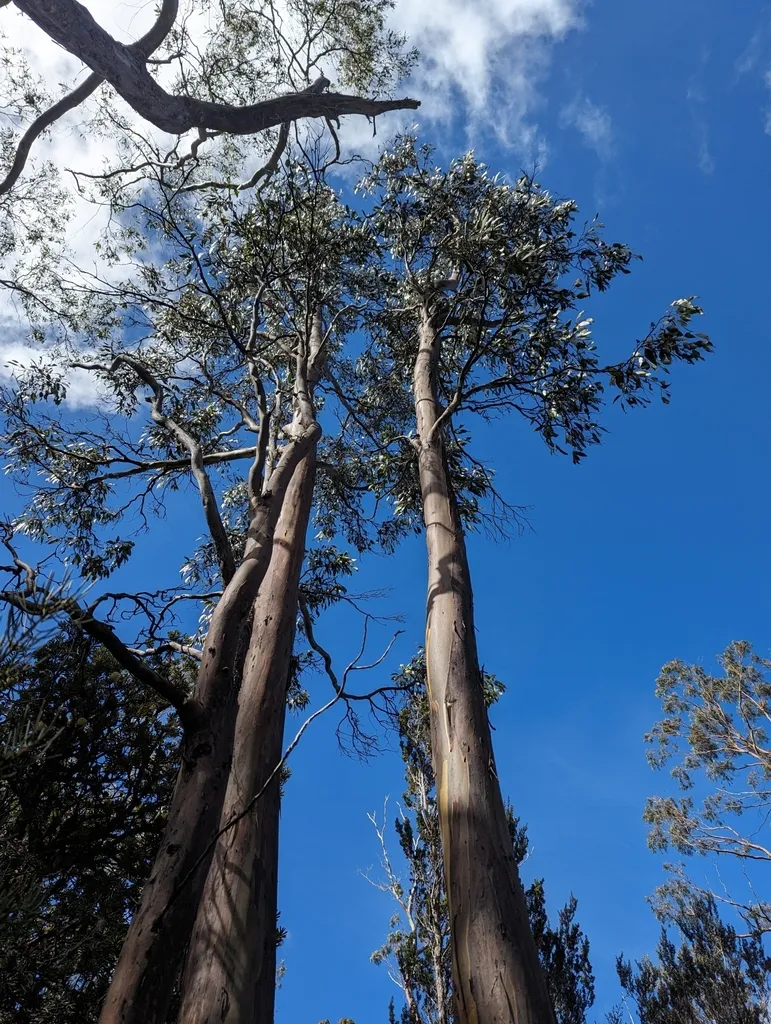
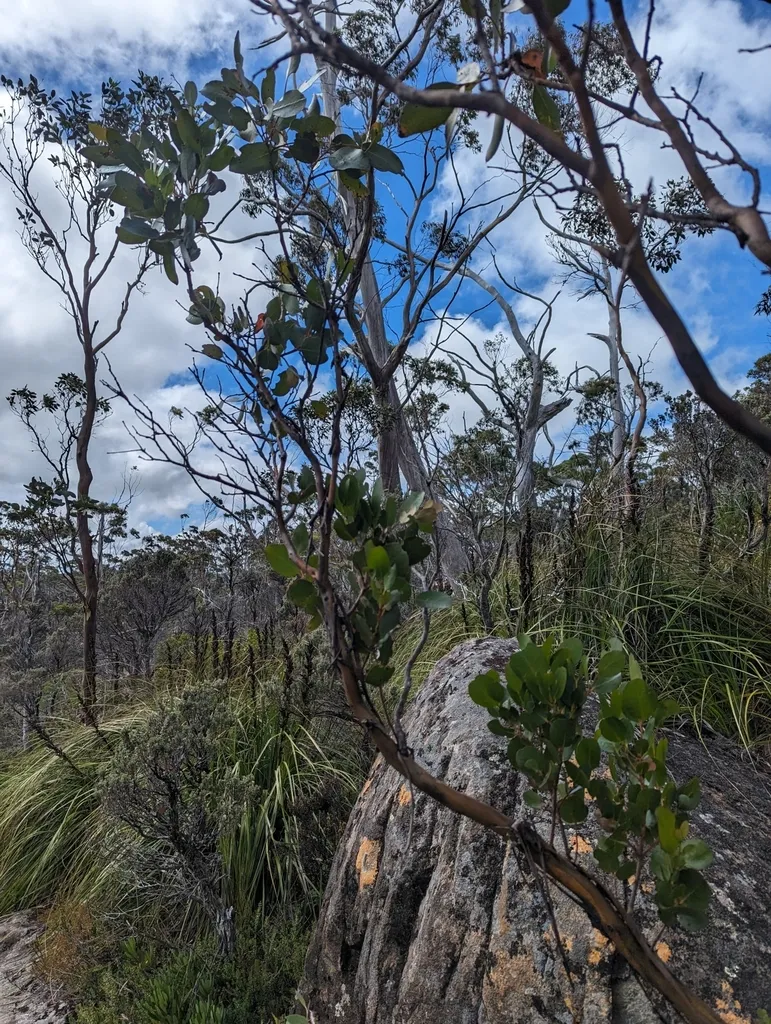
A tree to potentially 10-20m, with a moderately fast growth rate, but can be managed by pruning or coppicing. Bark is smooth and grey, with yellow-green patches, peeling when mature. Leaves are oval, glossy green and sometimes red-edged on juvenile growth, darker and more lanceolate on mature growth, aromatic
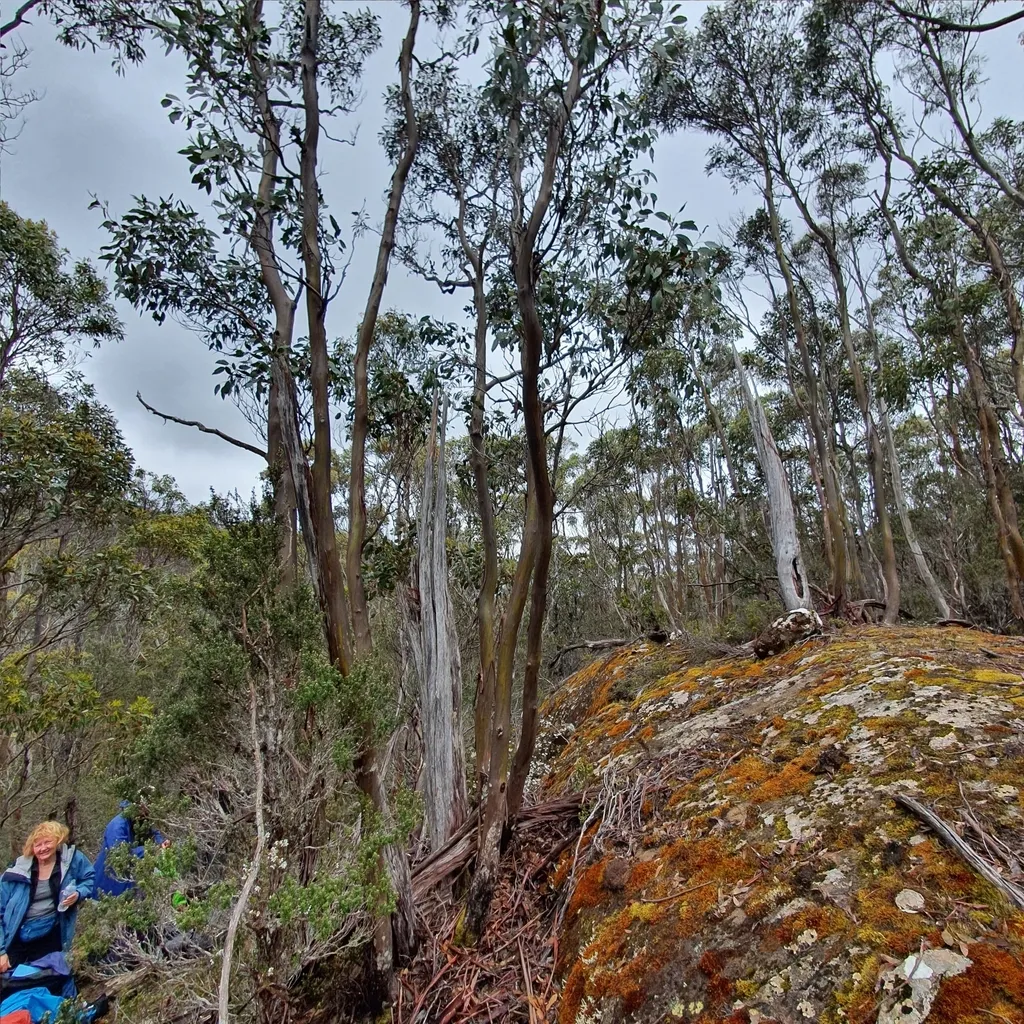
Scientific classification
- Species
- Tasmanian alpine yellow gum (Eucalyptus subcrenulata)
- Genus
- Eucalyptus
- Family
- Myrtaceae
- Information to be completed
- Toxicity
- Trees
- Plant type
- Higher than 12 metres
- Height
- wider than 8 metres
- Spread
- Evergreen
- Foliage
- Information to be completed
- Habit
- Spring · Summer · Autumn · Winter
- Season of interest
- Full sun
- Sunlight
- Information to be completed
- Ideal temperature









Tasmanian alpine yellow gum pictures
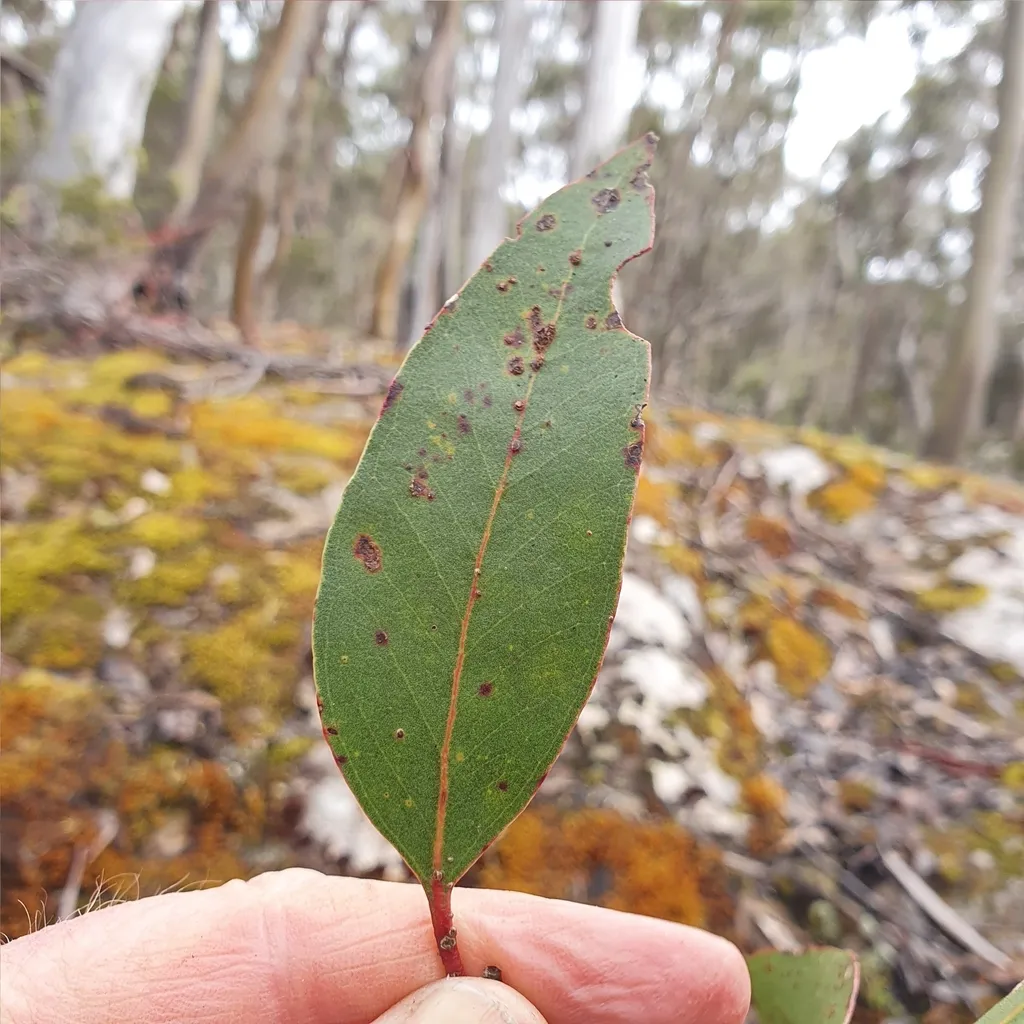
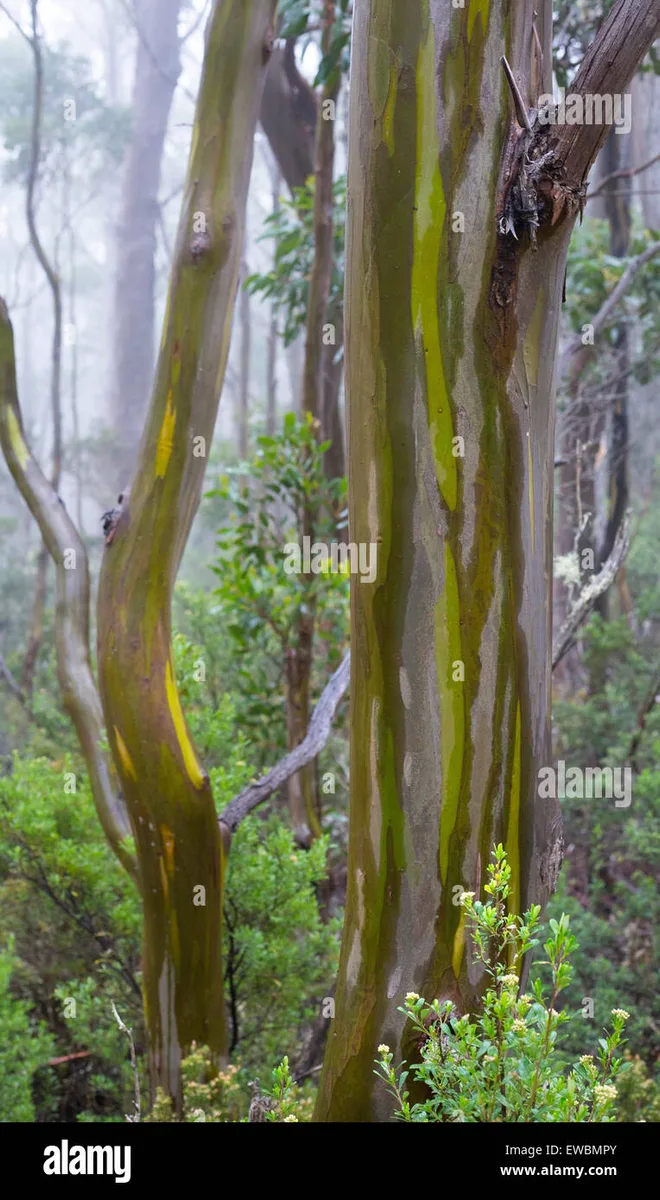
Distribution of Tasmanian alpine yellow gum
Distribution map
Australia (Tasmania)
Information to be completed
Culture
Information to be completed
Toxicity
Information to be completed
Quick identification of Tasmanian alpine yellow gum
Information to be completed
Tasmanian alpine yellow gum care guide
- Moderate regular watering, avoid prolonged drought and stagnant waterlogging
- Watering
- Full sun
- Sunlight
- Information to be completed
- Ideal temperature

Watering
Moderate regular watering, avoid prolonged drought and stagnant waterlogging
Fertilizing
 Fertilizing
Balanced perennial feed every four weeks spring through summer growth
Pruning
 Pruning
Little pruning is needed. Remove diseased, damaged, crowded or crossing shoots and unwanted growth. Timing depends on the plant: generally late winter or early spring; plants prone to bleeding and deciduous magnolias need different timing, and deciduous azaleas and lilacs are pruned after flowering.
Propagation
 Propagation
Propagate by seed at 13-18°C in spring and summer
Growing
 Growing
Grow in slightly acidic soil with full sun and shelter when young
People also ask
Information to be completed
Common pests and diseases
Diseases
May be susceptible to silver leaf, oedema and honey fungus
Pests
May be susceptible to eucalyptus gall wasp and eucalyptus sucker
Explore the plant health library →




