
ulmo
Also known as: roble de Chile
An evergreen, broad columnar tree or large shrub eventually reaching up to around 15-20m tall. Leathery textured, oblong, dull green leaves with downy grey undersides have shallowly-toothed margins; fragrant, white flowers, 4-5cm across are borne from late summer into autumn
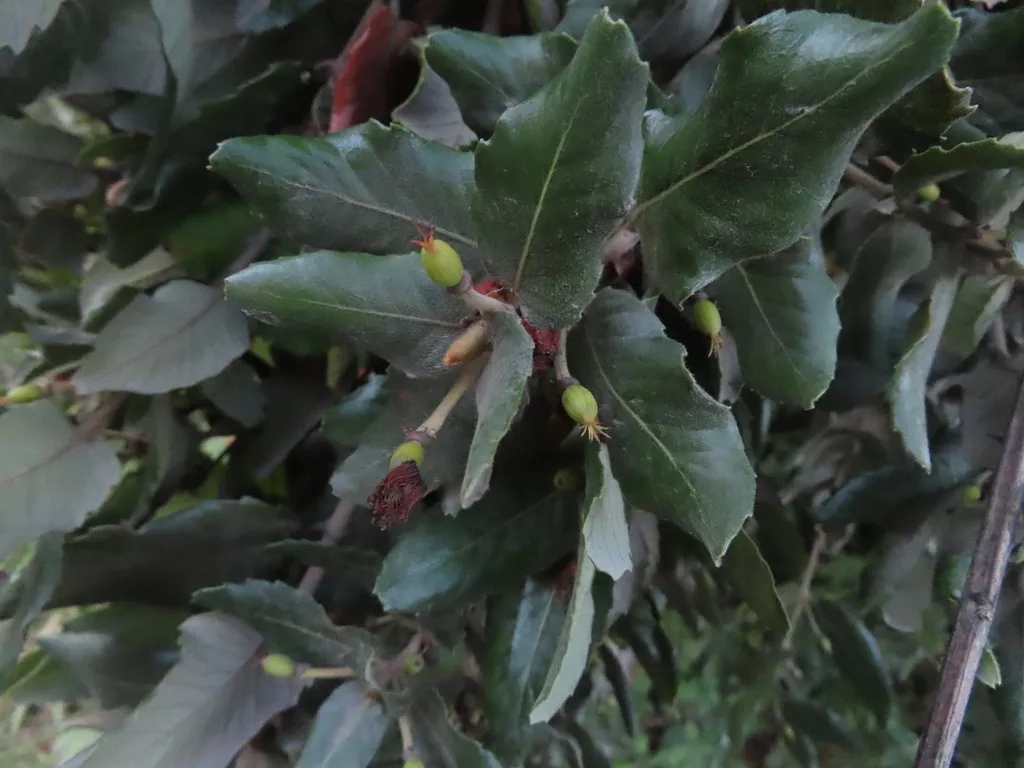
Scientific classification
- Species
- ulmo (Eucryphia cordifolia)
- Genus
- Eucryphia
- Family
- Cunoniaceae
- Information to be completed
- Toxicity
- Trees · Shrubs
- Plant type
- Higher than 12 metres
- Height
- 4-8 metres
- Spread
- Evergreen
- Foliage
- Columnar upright · Bushy
- Habit
- Spring · Summer · Autumn · Winter
- Season of interest
- Partial shade · Full sun
- Sunlight
- Information to be completed
- Ideal temperature









ulmo pictures
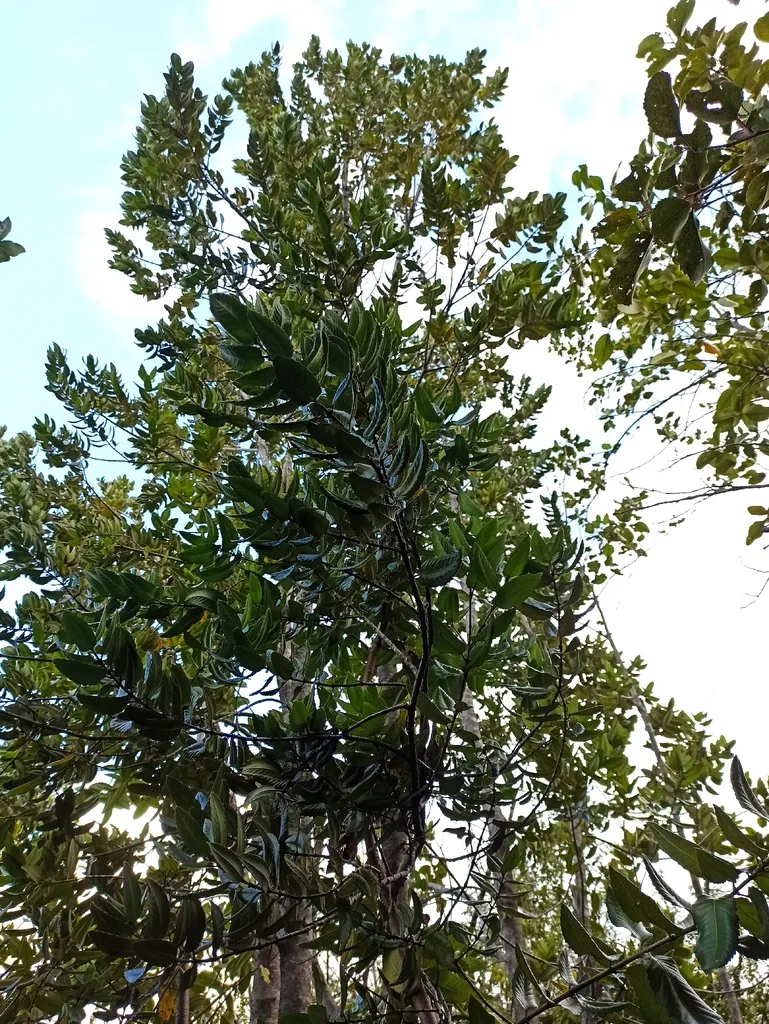
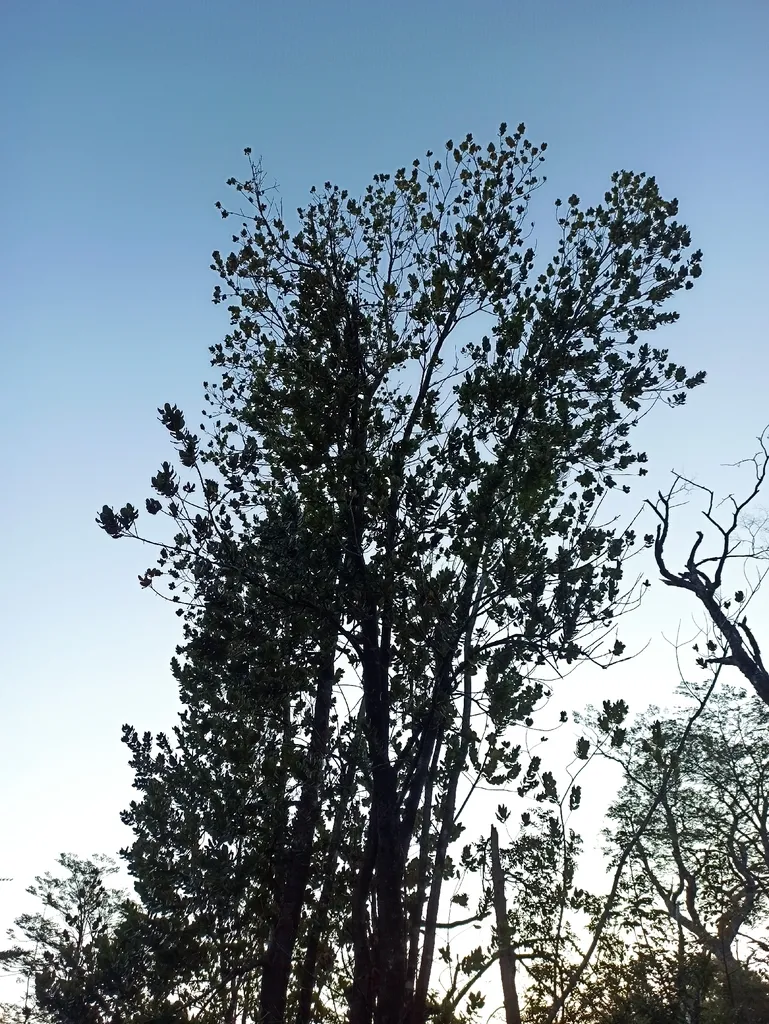
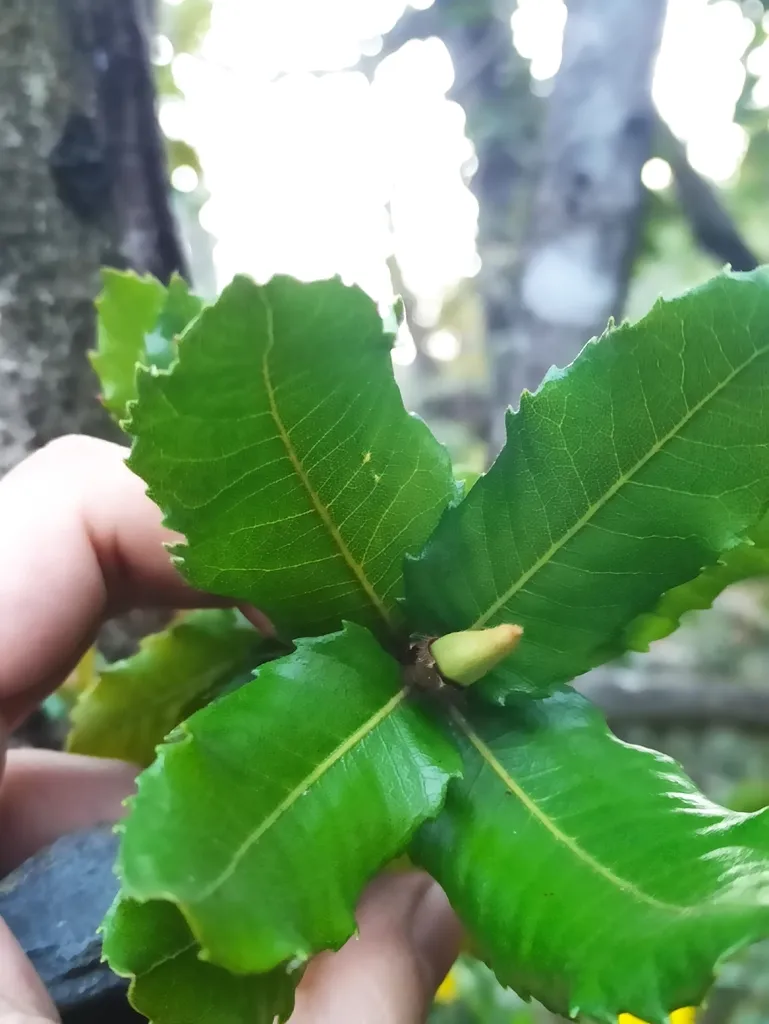
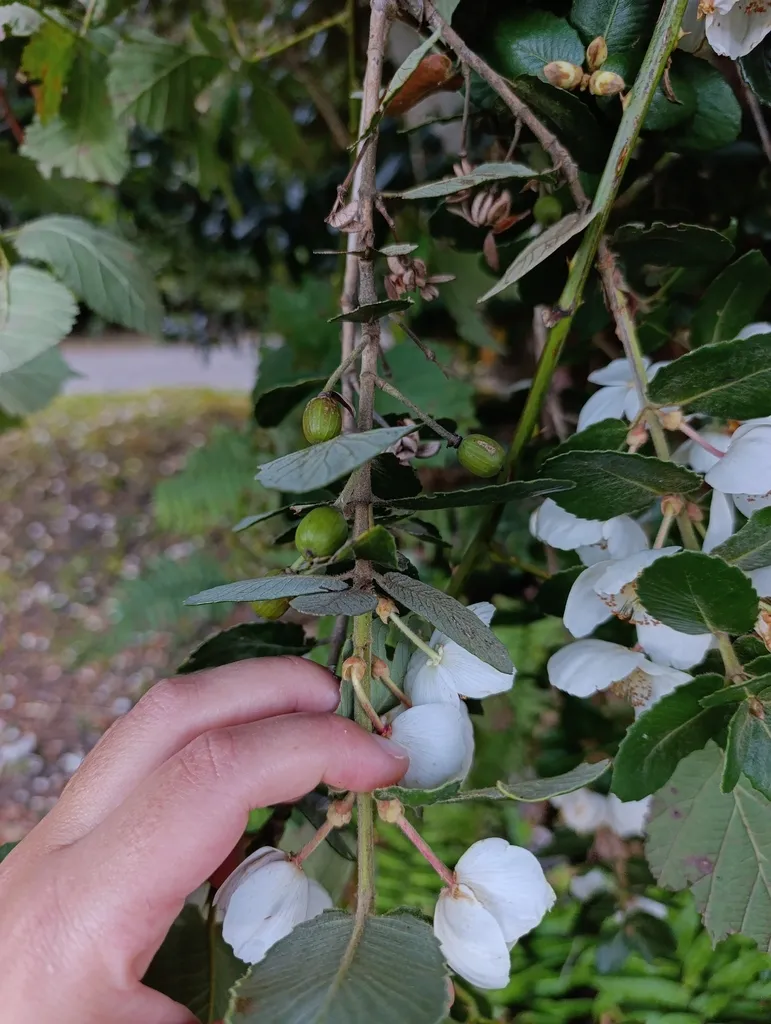
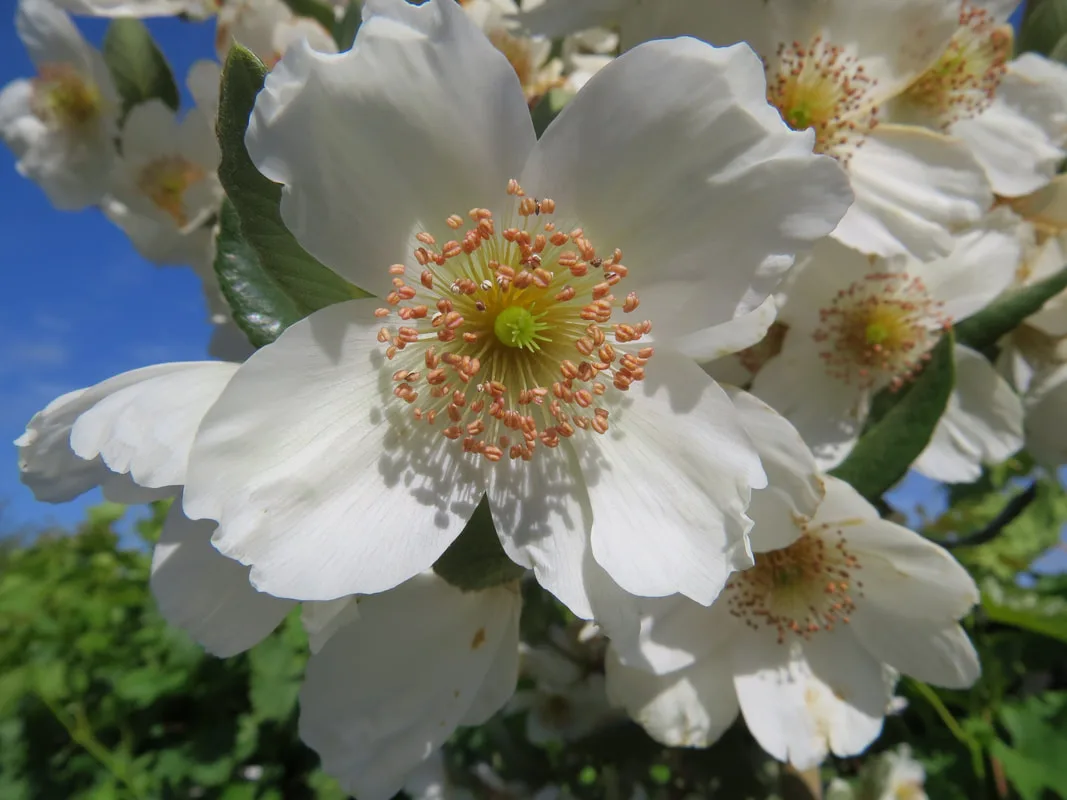
Distribution of ulmo
Distribution map
Central Chile to Southwestern Argentina
Information to be completed
Culture
Information to be completed
Toxicity
Information to be completed
Quick identification of ulmo
Information to be completed
ulmo care guide
- Deep soak once weekly, soil may dry moderately between watering
- Watering
- Partial shade · Full sun
- Sunlight
- Information to be completed
- Ideal temperature

Watering
Deep soak once weekly, soil may dry moderately between watering
Fertilizing
 Fertilizing
Slow release shrub nutrition applied once at early springtime
Pruning
 Pruning
Keep pruning to a minimum: remove dead, damaged or unwanted growth; if shaping is needed, trim lightly after flowering.
Propagation
 Propagation
Propagate by semi-ripe cuttings in summer, and overwinter young plants in a cool greenhouse
Growing
 Growing
Grow in a position sheltered from cold, drying winds in full sun or partial shade, but with the roots shaded from hot sun and in fertile, humus-rich, moist but well-drained neutral or acidic soil
People also ask
Information to be completed
Common pests and diseases
Diseases
May be susceptible to honey fungus
Pests
Generally pest-free
Explore the plant health library →




