
flamboyant
Also known as: flamboyante; flame tree; gul mohur; mohur; royal peacock flower; royal poinciana; peacock flower
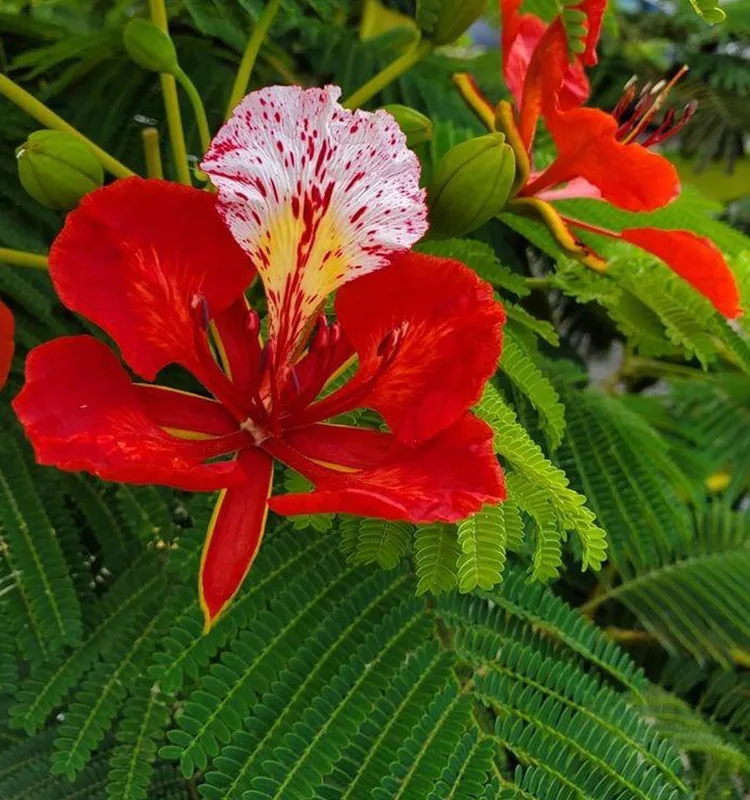
A tropical, evergreen tree to 10m tall and wide in its native Madagascar. It bears elegant, fern-like leaves and clusters of exotic-looking, bright red flowers. In frost-prone areas grow in a temperate greenhouse as foliage plants, since they rarely flower in a container

Scientific classification
- Species
- flamboyant (Delonix regia)
- Genus
- Delonix
- Family
- Fabaceae
- Information to be completed
- Toxicity
- Conservatory Greenhouse · Trees
- Plant type
- 1.5-2.5 metres
- Height
- 1.5-2.5 metres
- Spread
- Semi evergreen
- Foliage
- Information to be completed
- Habit
- Spring · Summer · Autumn · Winter
- Season of interest
- Full sun
- Sunlight
- 20 – 30 °C
- Ideal temperature









flamboyant pictures
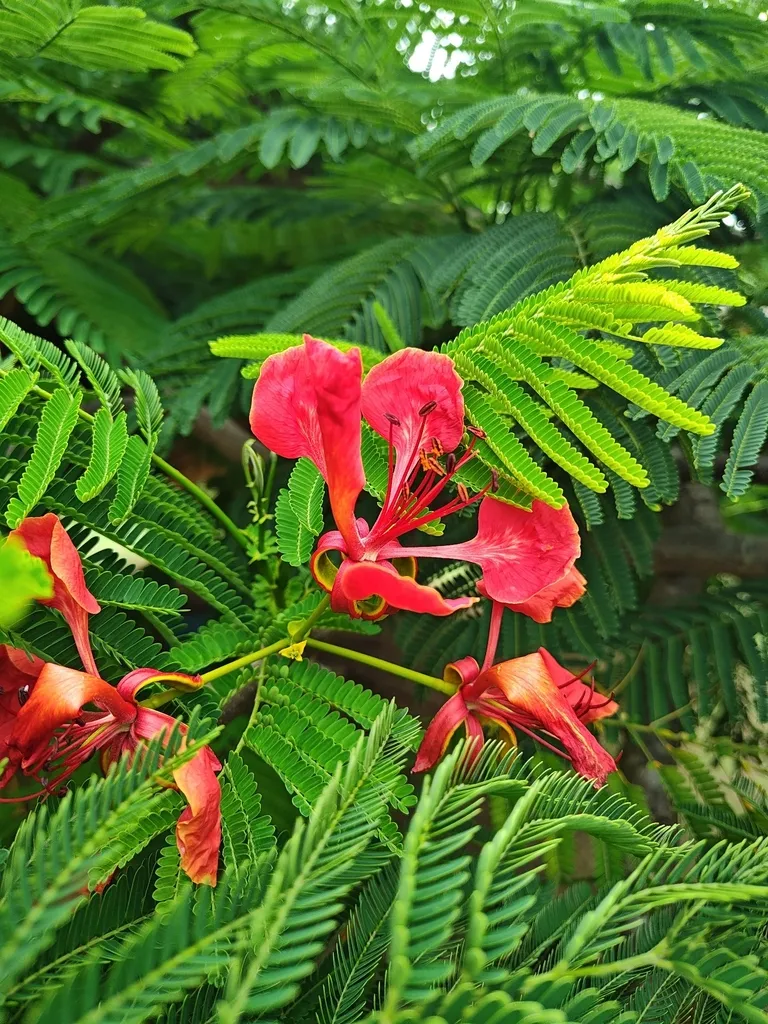
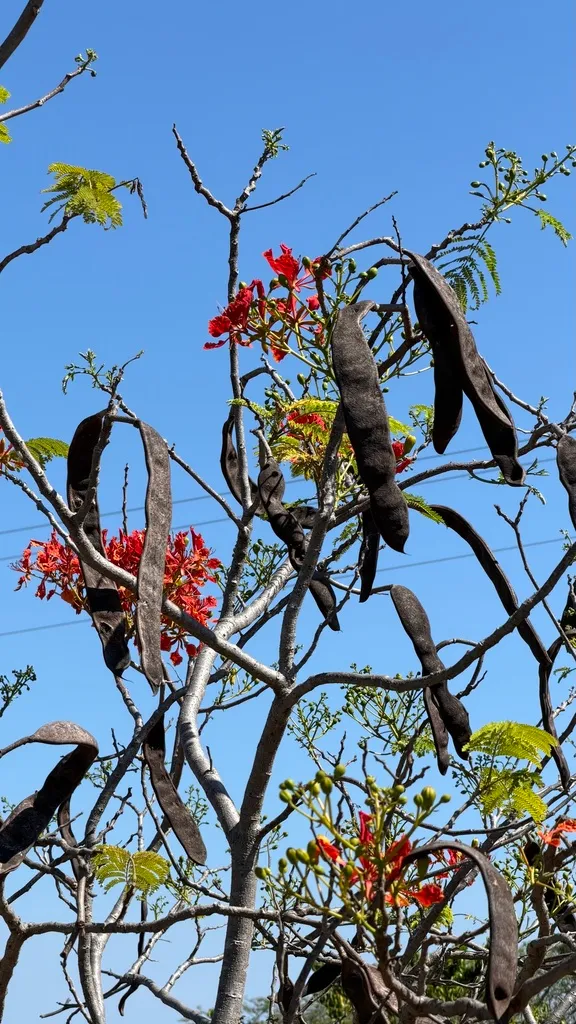
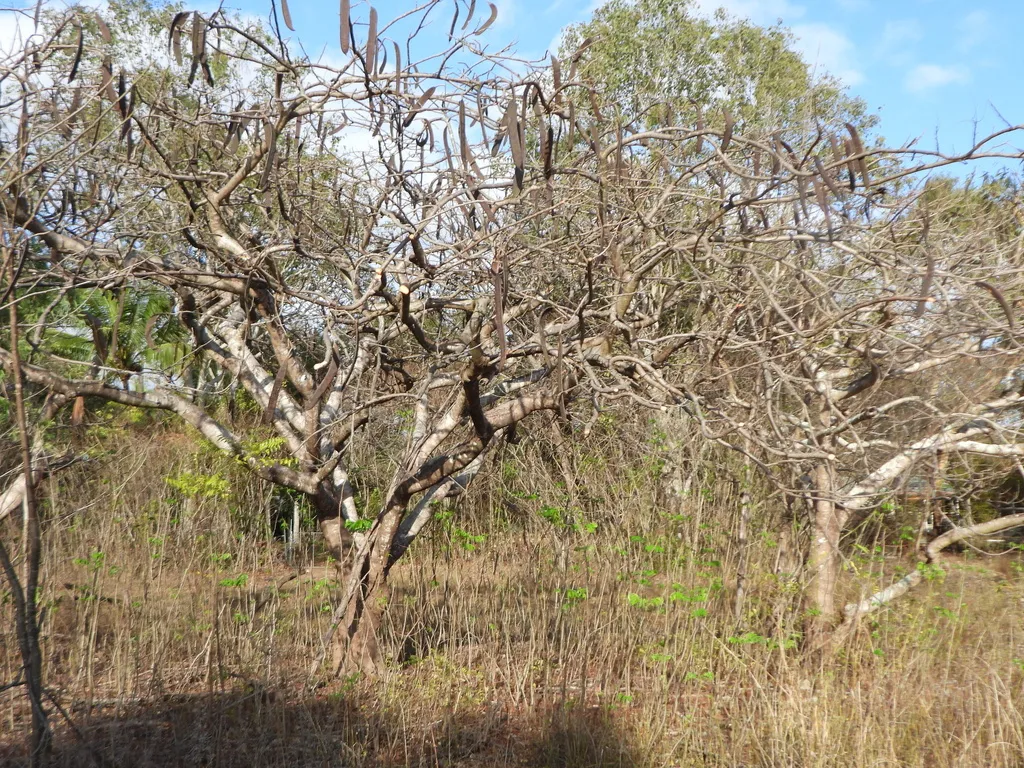
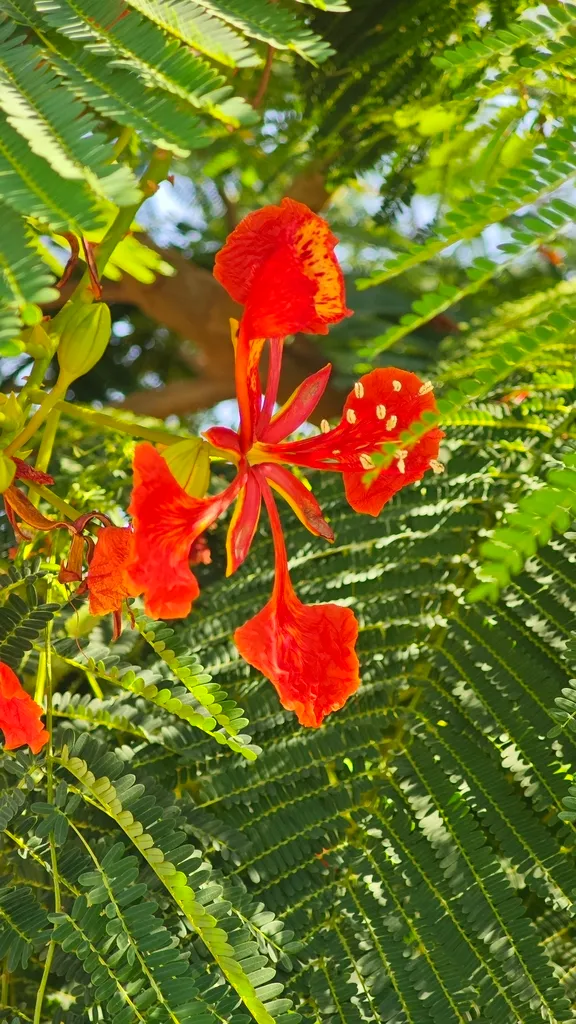
Distribution of flamboyant
Distribution map
Madagascar
Information to be completed
Culture
Information to be completed
Toxicity
Information to be completed
Quick identification of flamboyant
Information to be completed
flamboyant care guide
- Water deeply but infrequently, allowing soil to dry between waterings
- Watering
- Full sun
- Sunlight
- 20 – 30 °C
- Ideal temperature

Watering
Water deeply but infrequently, allowing soil to dry between waterings
Fertilizing
 Fertilizing
Every 2-3 months during growing season
Pruning
 Pruning
Little pruning is needed. Remove diseased, damaged, crowded or crossing shoots and unwanted growth. Timing depends on the plant: generally late winter or early spring; plants prone to bleeding and deciduous magnolias need different timing, and deciduous azaleas and lilacs are pruned after flowering.
Propagation
 Propagation
Propagate by seed or semi-ripe cuttings
Growing
 Growing
Under glass, grow in loam-based potting compost (JI No. 3) in full light. In the growing season, water freely and apply a balanced liquid fertiliser monthly; water sparingly at other times. Top dress or pot on in spring
People also ask
Information to be completed
Common pests and diseases
Diseases
Generally disease-free
Pests
May be susceptible to glasshouse red spider mite and glasshouse whitefly
Explore the plant health library →




