
snapdragon
Also known as: greater snapdragon
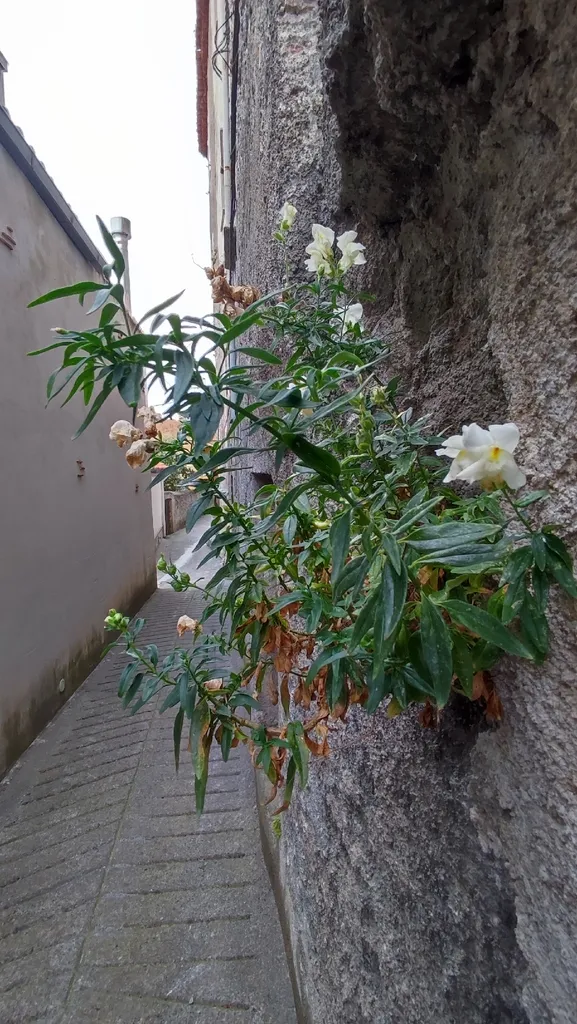
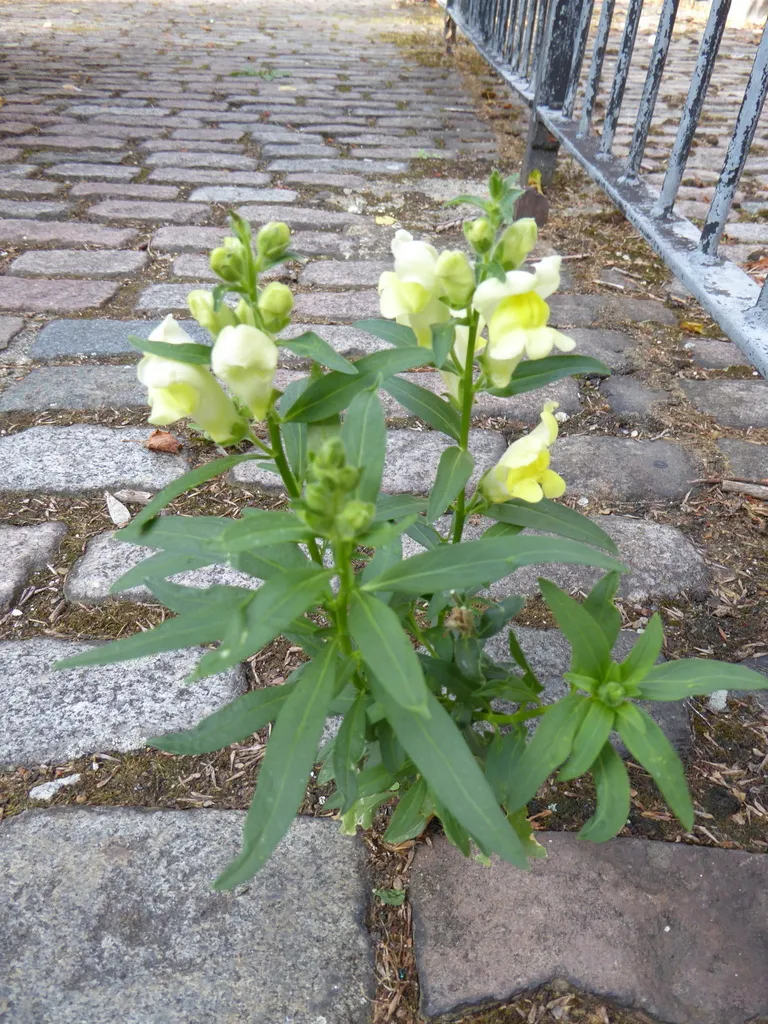
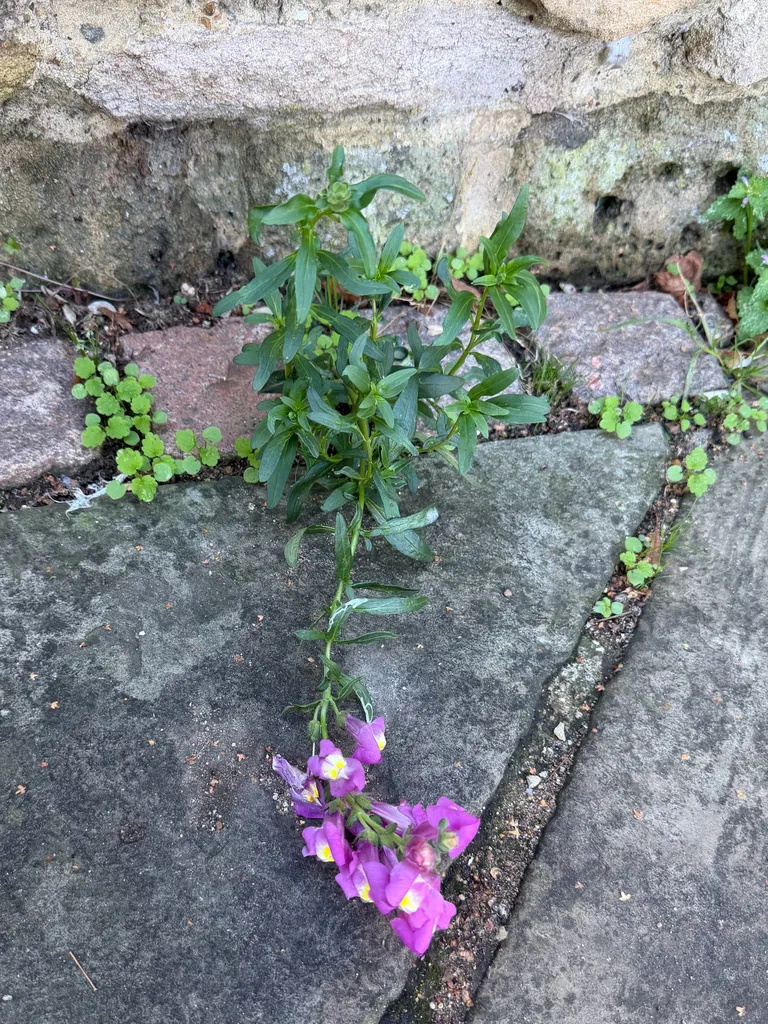
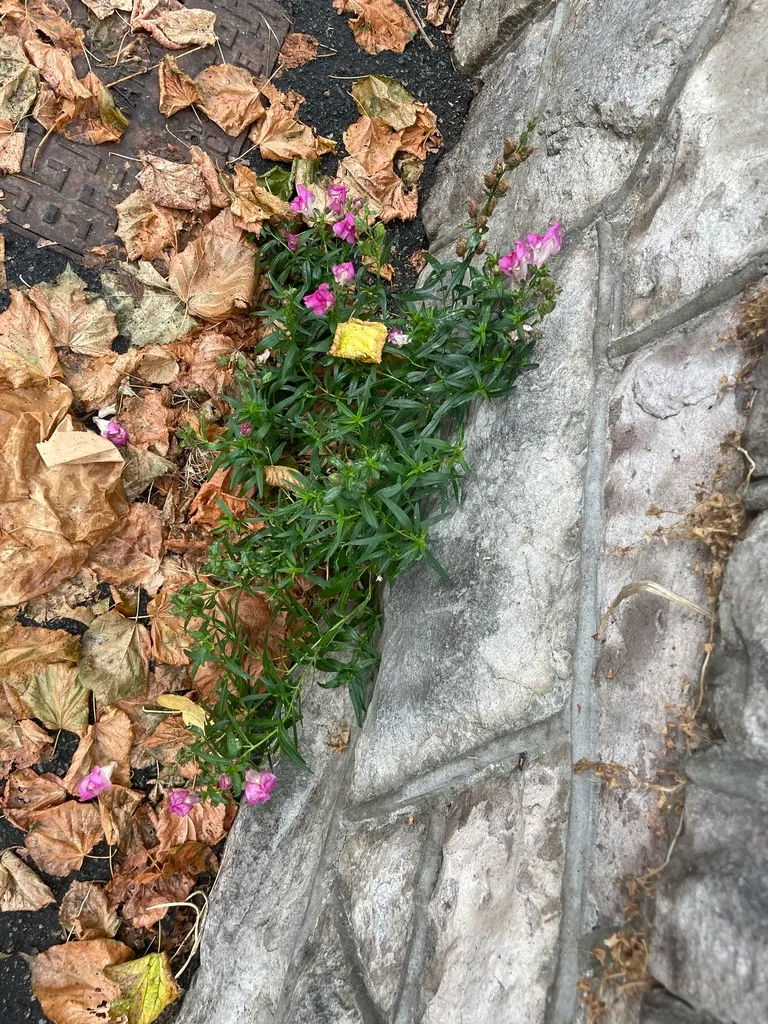
A short-lived herbaceous perennial, often woody at the base, with upright or scrambling stems up to 2m high or long, with lance-shaped green leaves up to 7cm long, and racemes of fragrant pink or purple flowers, up to 5cm across, from late spring to autumn
Scientific classification
- Species
- snapdragon (Antirrhinum majus)
- Genus
- Antirrhinum
- Family
- Plantaginaceae
- Order
- Lamiales
- Class
- Magnoliopsida
- Phylum
- Magnoliophyta
- Information to be completed
- Toxicity
- Herbaceous Perennial
- Plant type
- 1.5-2.5 metres
- Height
- 0.1-0.5 metres
- Spread
- Deciduous
- Foliage
- Bushy
- Habit
- Spring · Summer · Autumn
- Season of interest
- Full sun
- Sunlight
- Information to be completed
- Ideal temperature









snapdragon pictures
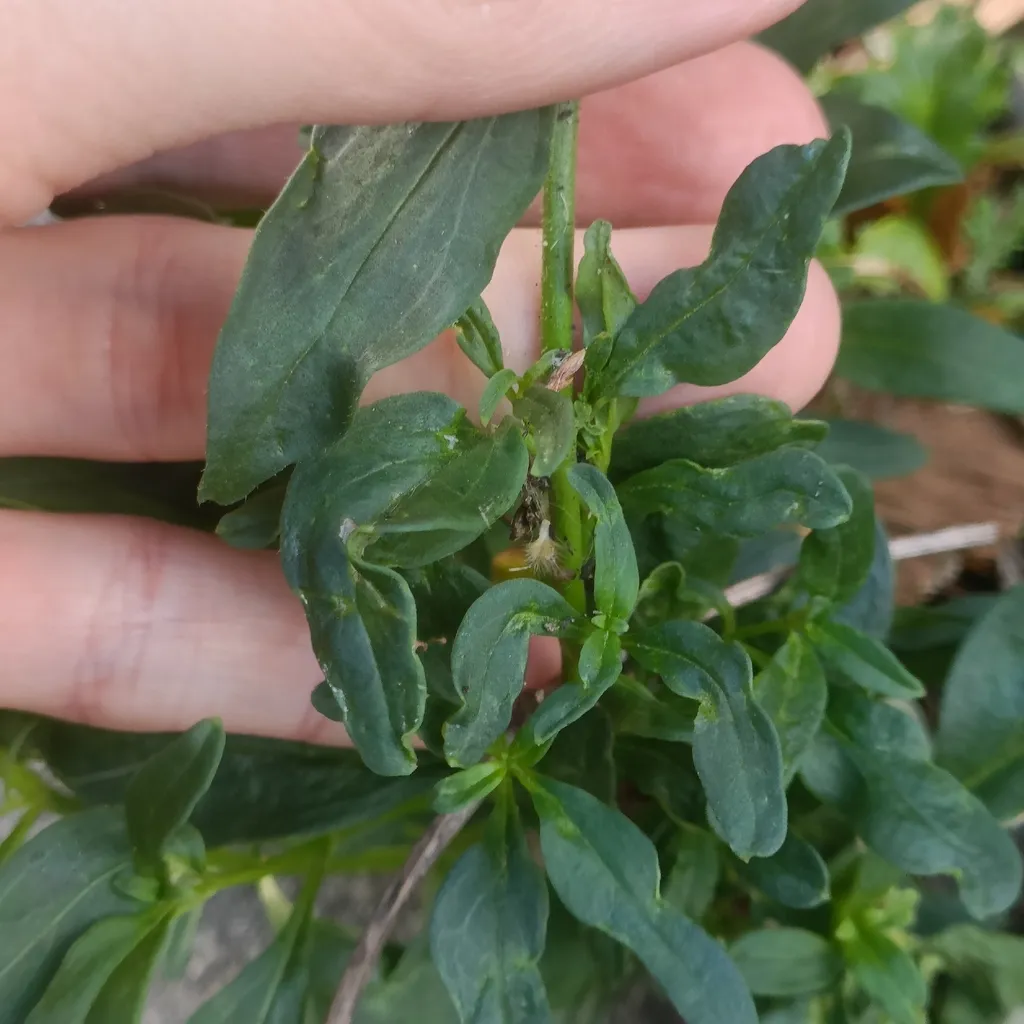
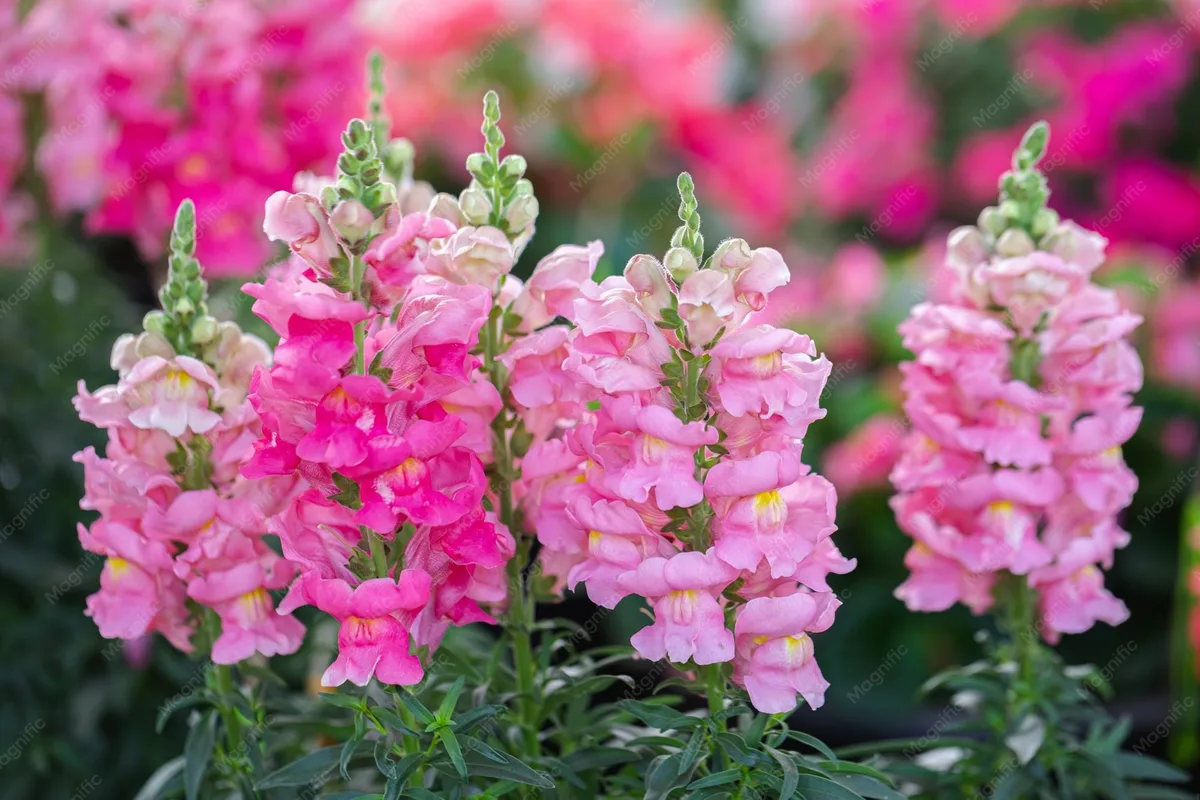
Distribution of snapdragon
Distribution map
- Native
- Introduced
- Cultivated
Source:WCVP v16 · Royal Botanic Gardens, Kew · CC BY 3.0 · Boundaries:WGSRPD / TDWG
snapdragon care guide
- Keep compost lightly moist, never fully drying out while blooming
- Watering
- Full sun
- Sunlight

Watering
Keep compost lightly moist, never fully drying out while blooming
Fertilizing
 Fertilizing
Weak flowering feed every two to three weeks in active bloom
Pruning
 Pruning
No pruning required, but deadheading will prolong the flowering period
Propagation
 Propagation
Propagate by seed sown at 16-18°C in late summer or early autumn, and overwinter young plants under glass, or by seed in early spring
Growing
 Growing
Grow in a sunny position in well-drained soil
Common pests and diseases
Diseases
May be susceptible to antirrhinum rust, and powdery mildews; may also be affected by damping off, downy mildews, Fusarium wilt, leaf spots, sclerotinia diseases, shothole, Verticillium wilt, and other wilts
Pests
May be susceptible to aphids
Explore the plant health library →




