
coastal willow
Also known as: dune willow; Hooker's willow
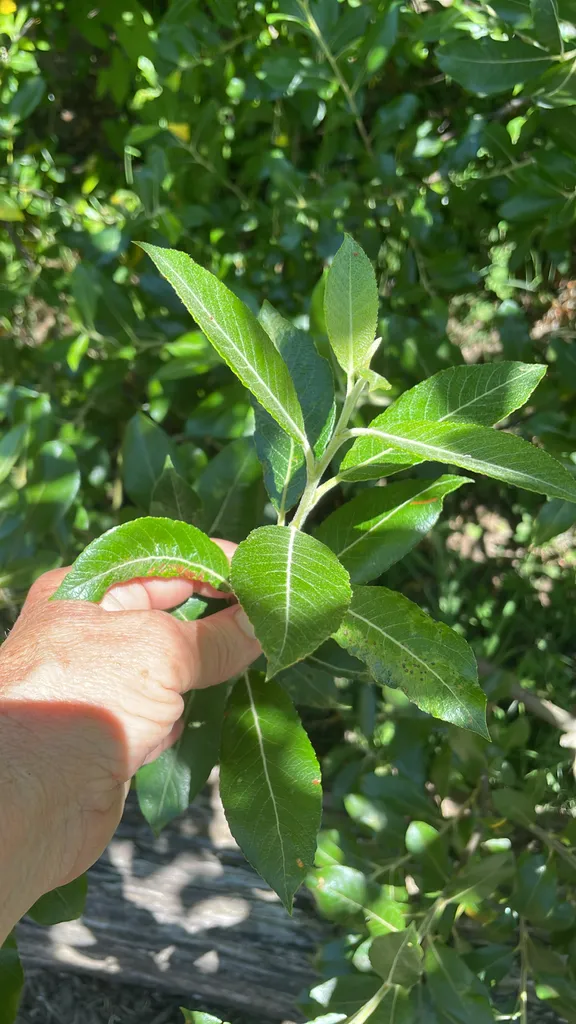
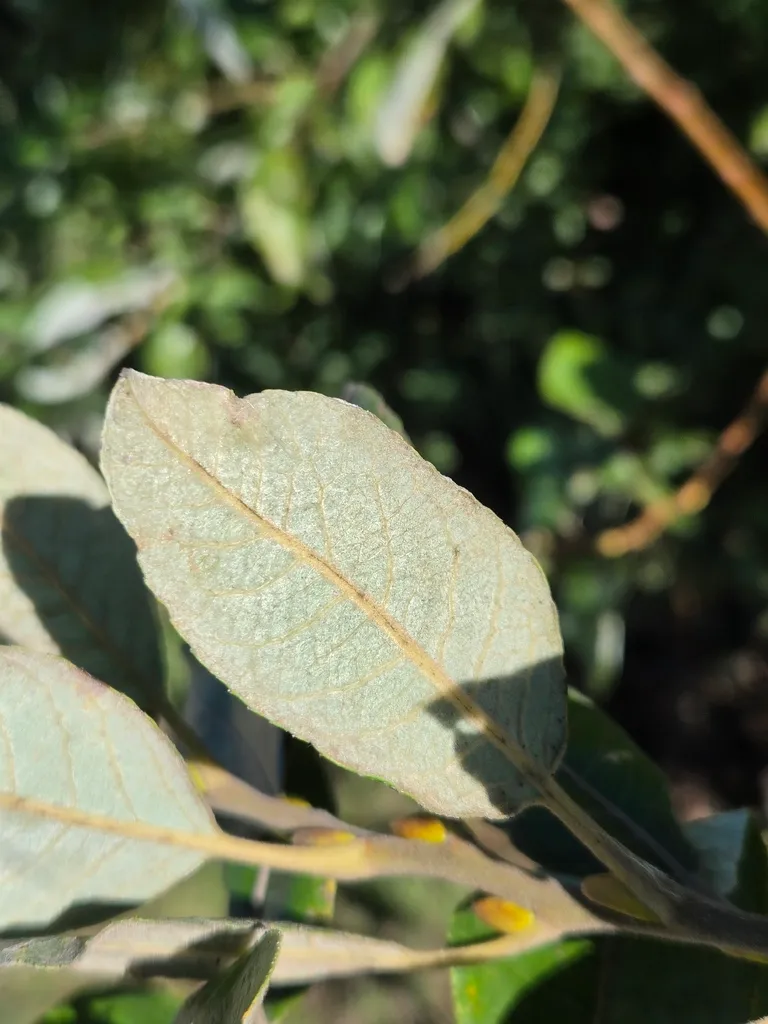
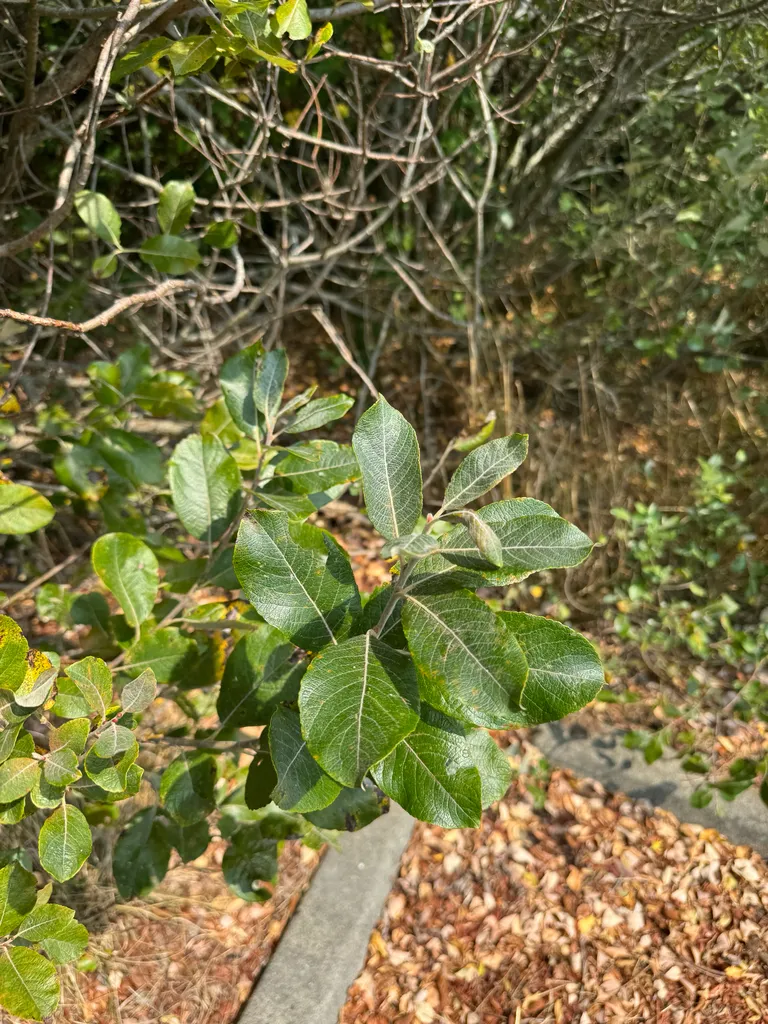
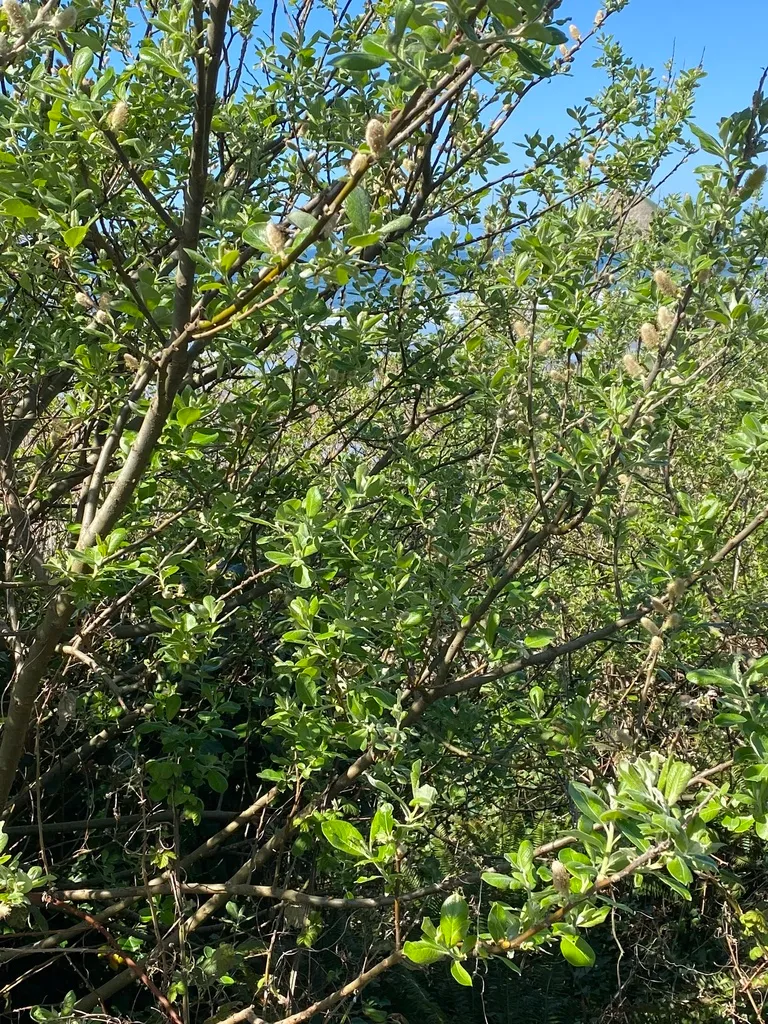
A very variable species, either a small tree up to 8m high or a shrub, sometimes forming shrubby thickets when prostrate branches layer themselves. Oblong leaves, up to 15cm long, which are glossy dark green above and felted blue-green below are held on glossy, red-brown branches. Catkins appear in spring; the males up to 5cm long and the females up to 12 cm long
Scientific classification
- Species
- coastal willow (Salix hookeriana)
- Genus
- Salix
- Family
- Salicaceae
- Order
- Malpighiales
- Class
- Magnoliopsida
- Phylum
- Tracheophyta
- Information to be completed
- Toxicity
- Shrubs · Trees
- Plant type
- 4-8 metres
- Height
- 4-8 metres
- Spread
- Deciduous
- Foliage
- Bushy
- Habit
- Spring · Summer · Autumn · Winter
- Season of interest
- Full sun
- Sunlight
- Information to be completed
- Ideal temperature









coastal willow pictures
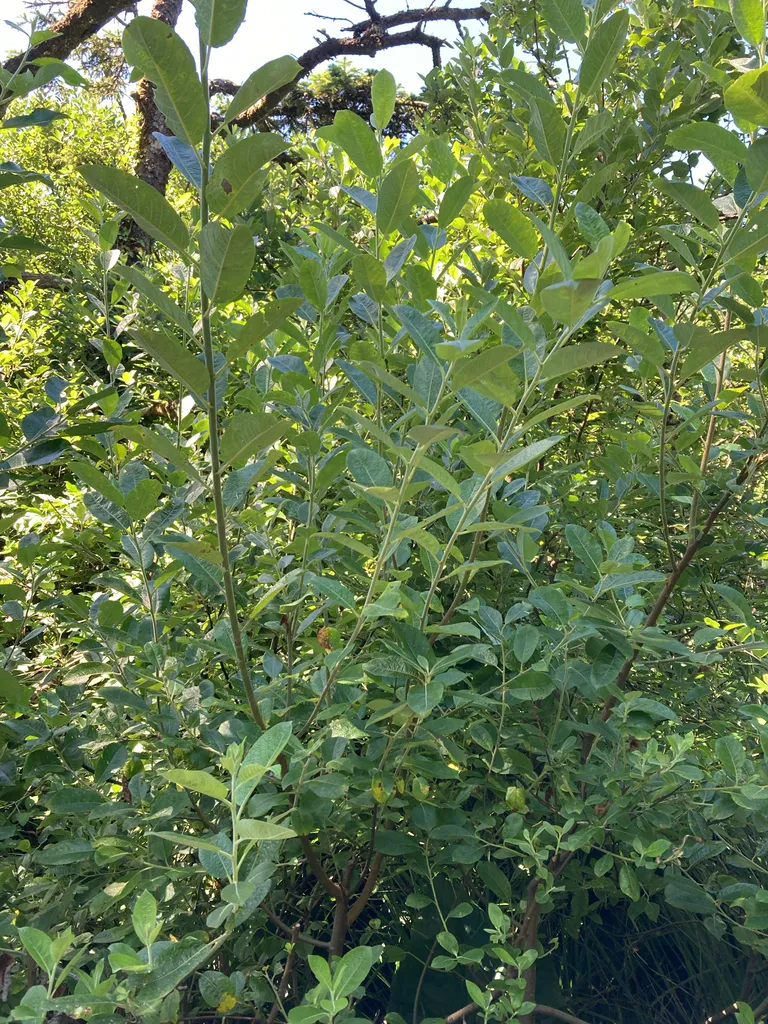
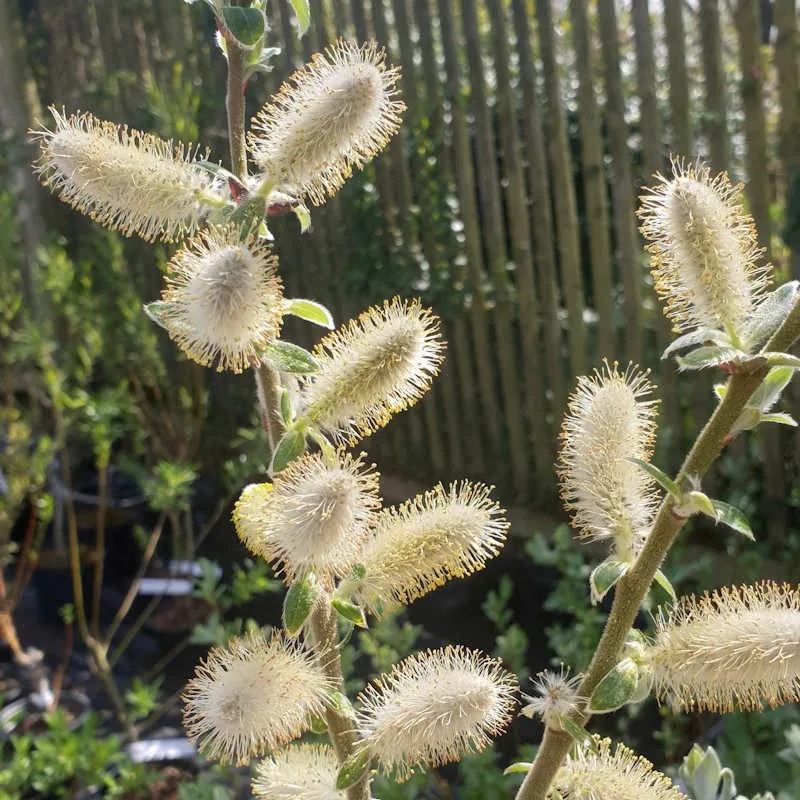
Distribution of coastal willow
Distribution map
- Native
- Introduced
- Cultivated
Source:WCVP v16 · Royal Botanic Gardens, Kew · CC BY 3.0 · Boundaries:WGSRPD / TDWG
coastal willow care guide
- Tolerate wet soil, provide ample water throughout spring and summer months
- Watering
- Full sun
- Sunlight

Watering
Tolerate wet soil, provide ample water throughout spring and summer months
Fertilizing
 Fertilizing
General purpose granular fertilizer applied once at early spring time
Pruning
 Pruning
Little pruning is needed. Remove diseased, damaged, crowded or crossing shoots and unwanted growth. Timing depends on the plant: generally late winter or early spring; plants prone to bleeding and deciduous magnolias need different timing, and deciduous azaleas and lilacs are pruned after flowering.
Propagation
 Propagation
Propagate by softwood cuttings in early summer or hardwood cuttings in winter
Growing
 Growing
Grow in full sun in moist or wet soil
Common pests and diseases
Diseases
May be susceptible to willow anthracnose, scab, canker, honey fungus and rust
Pests
May be susceptible to aphids, caterpillars, leaf beetles, sawflies, willow scale
Explore the plant health library →




