
woodland tobacco plant
Also known as: flowering tobacco; South American tobacco plant
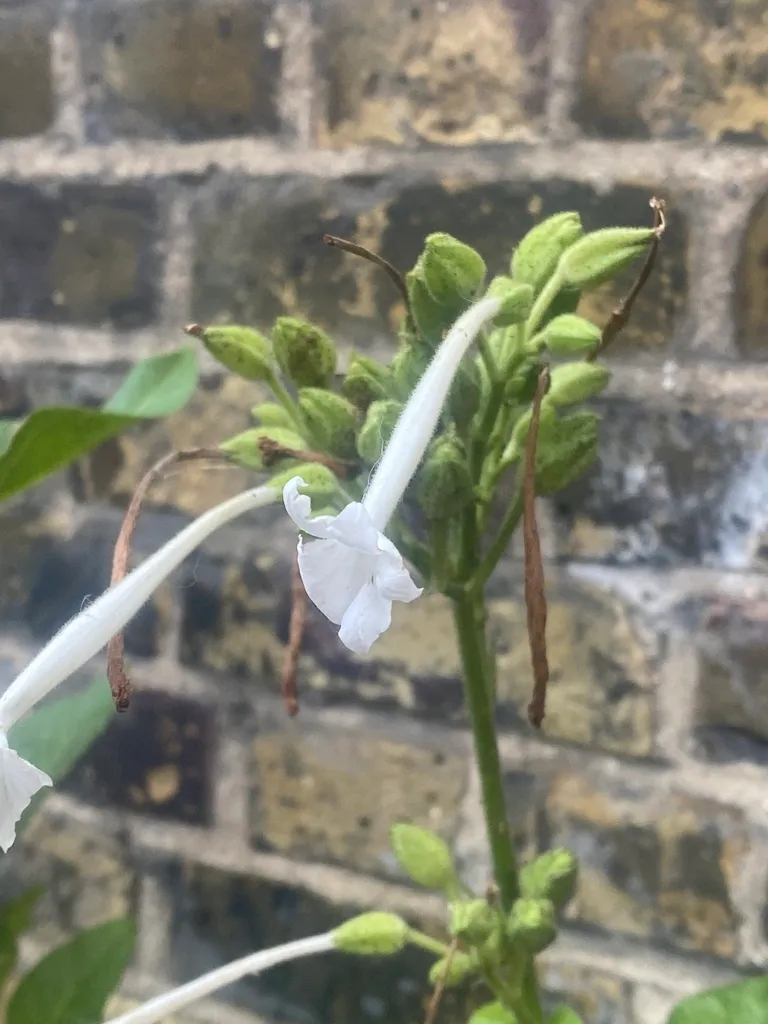
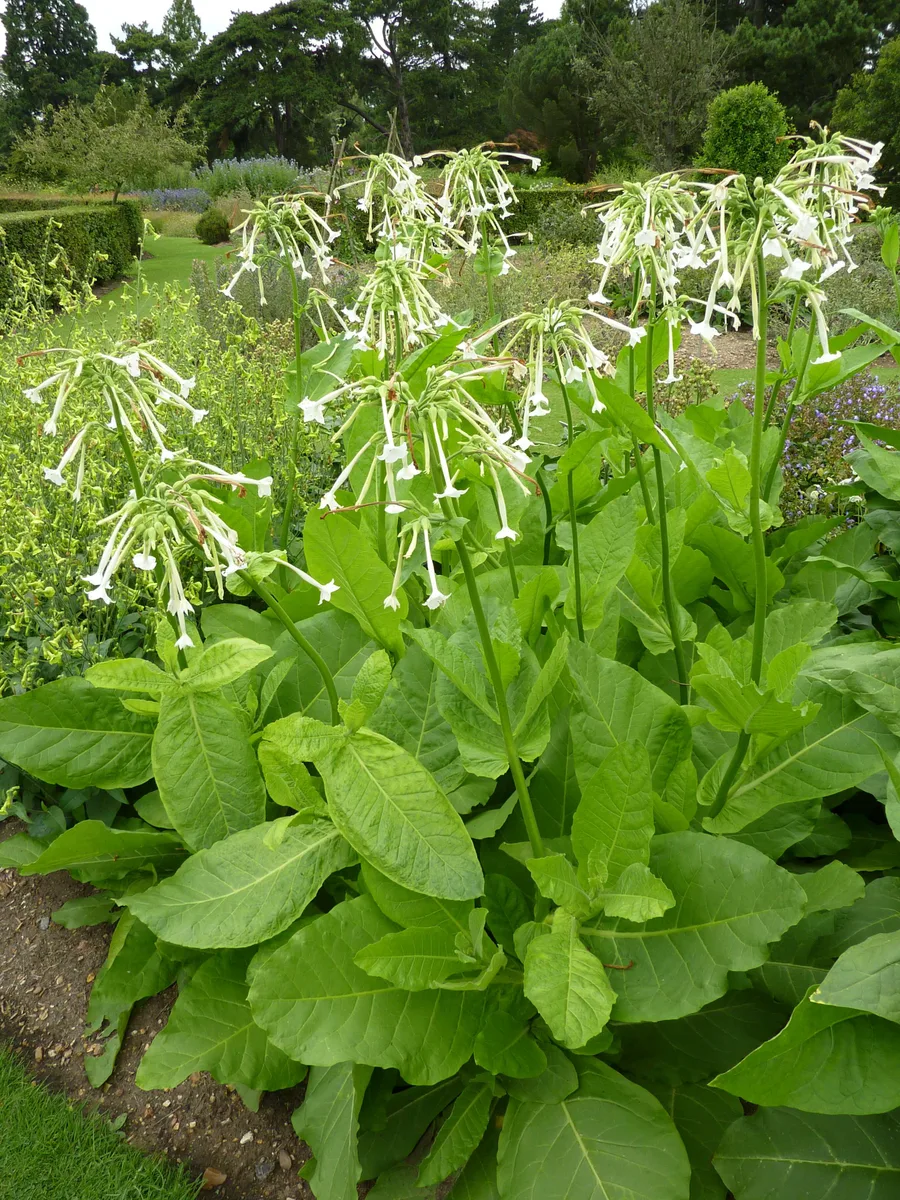
N. sylvestris is a branching biennial or short-lived perennial grown as a half hardy annual in colder climates. Growing to 1.5m high, with a basal rosette of elliptic dark green leaves to 30cm in length, and a compact panicle of sweetly fragrant, salver-shaped white flowers to 9cm in length in summer
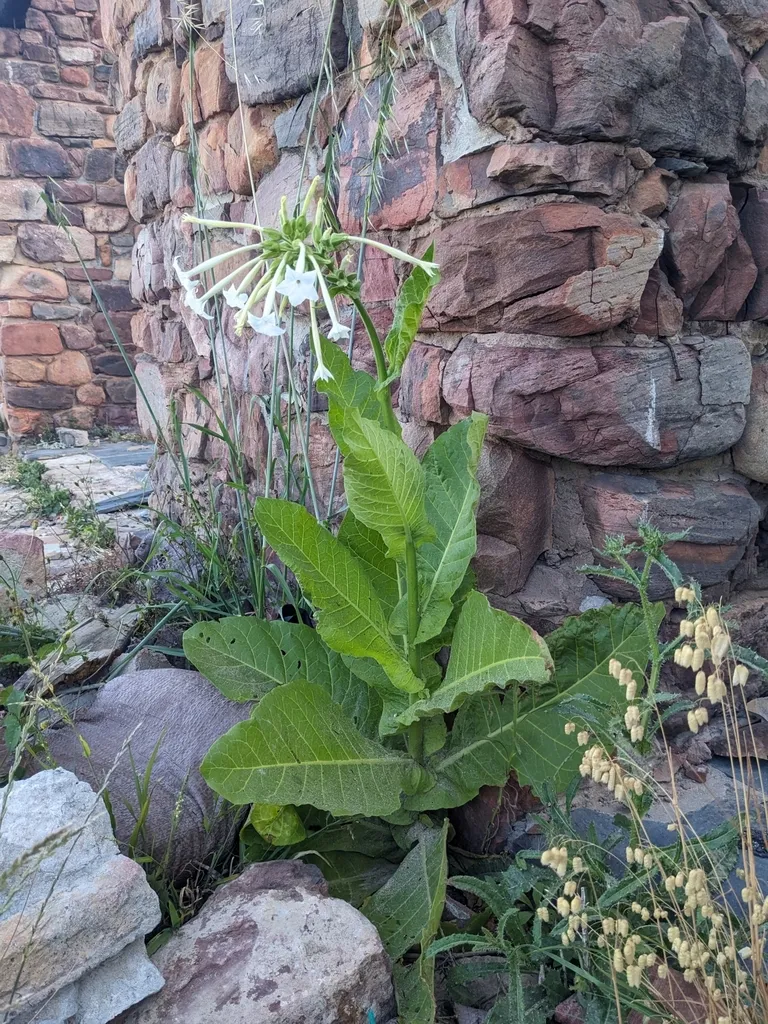
Scientific classification
- Species
- woodland tobacco plant (Nicotiana sylvestris)
- Genus
- Nicotiana
- Family
- Solanaceae
- Order
- Solanales
- Class
- Magnoliopsida
- Phylum
- Magnoliophyta
- Harmful if eaten, avoid skin contact. Wear gloves and other protective equipment when handling]
- Toxicity
- Annual Biennial · Bedding
- Plant type
- 1-1.5 metres
- Height
- 0.1-0.5 metres
- Spread
- Deciduous
- Foliage
- Bushy
- Habit
- Spring · Summer
- Season of interest
- Full sun · Partial shade
- Sunlight
- Information to be completed
- Ideal temperature









woodland tobacco plant pictures
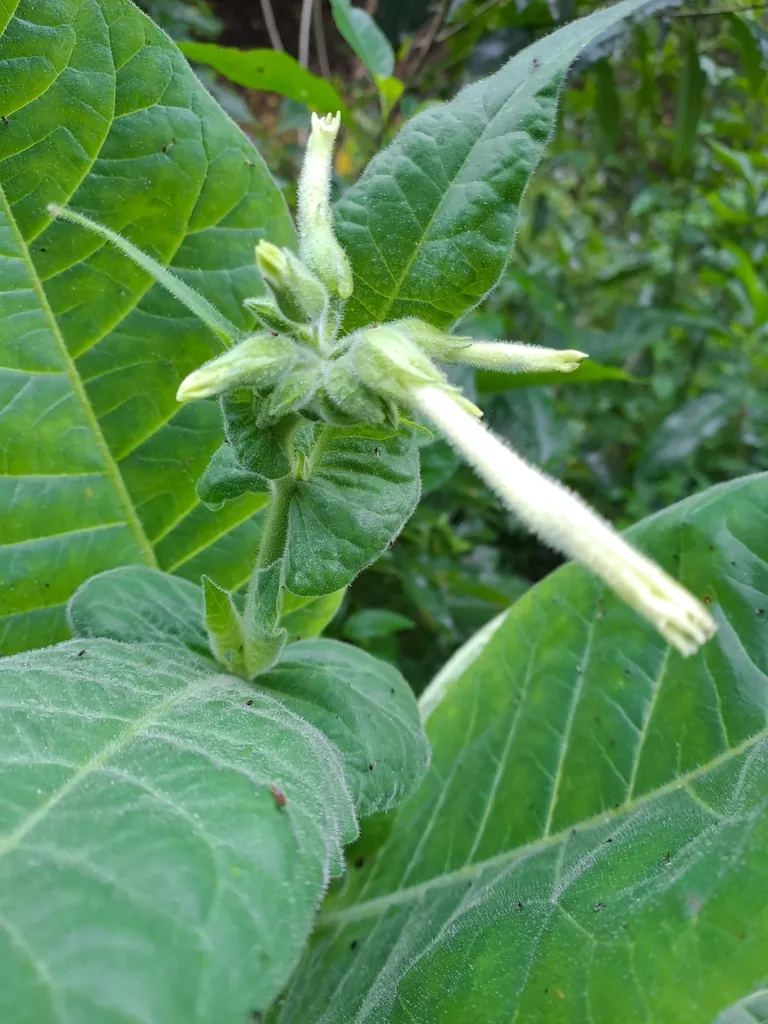
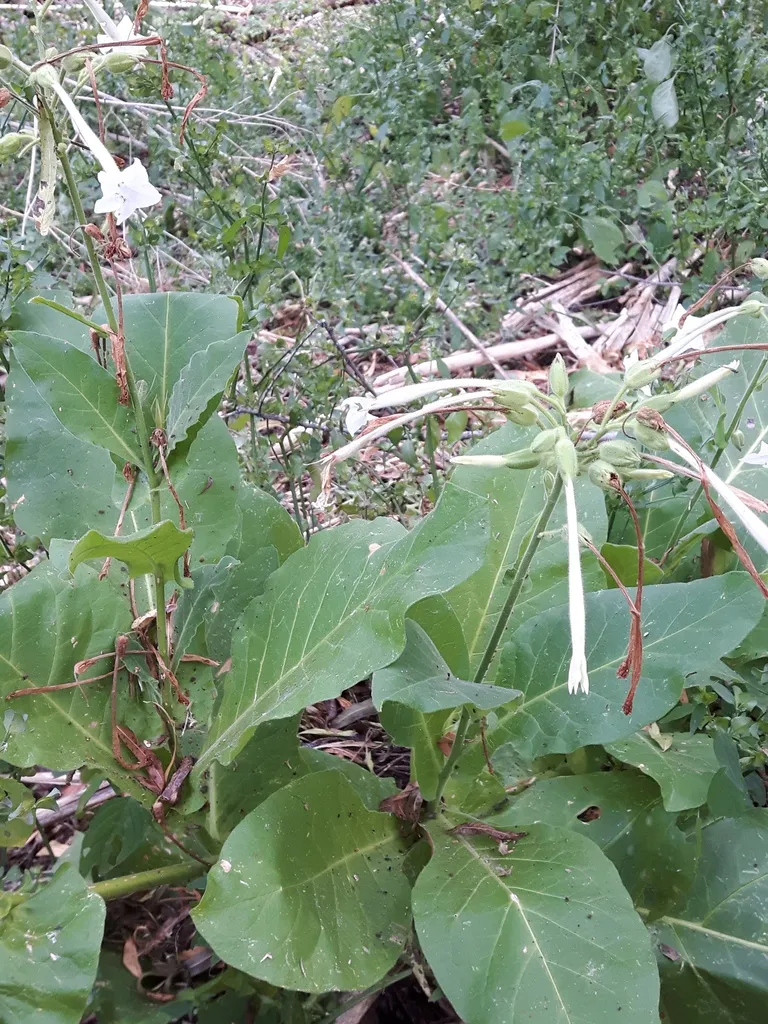
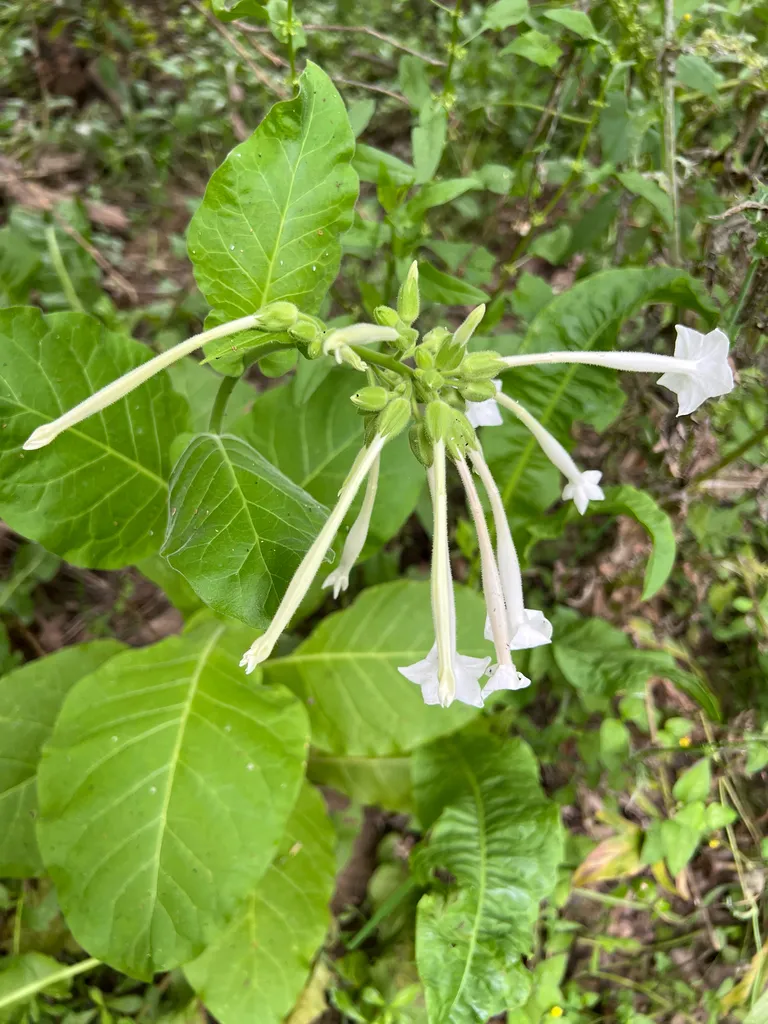
Distribution of woodland tobacco plant
Distribution map
- Native
- Introduced
- Cultivated
Source:WCVP v16 · Royal Botanic Gardens, Kew · CC BY 3.0 · Boundaries:WGSRPD / TDWG
Toxicity
Harmful if eaten, avoid skin contact. Wear gloves and other protective equipment when handling]
woodland tobacco plant care guide
- Moderate regular watering, allowing brief slight drying between soakings
- Watering
- Full sun · Partial shade
- Sunlight

Watering
Moderate regular watering, allowing brief slight drying between soakings
Fertilizing
 Fertilizing
Balanced perennial feed every four weeks from spring through summer
Pruning
 Pruning
No pruning required
Propagation
 Propagation
Propagate by seed
Growing
 Growing
Grow as a half-hardy annual in fertile, moist but well-drained soil in full sun or partial shade. Can be overwintered outdoors in southern counties or London gardens where temperatures only occasionally fall to -5°C, resprouting from rootstocks the following spring. Provide a dry winter mulch
Common pests and diseases
Diseases
May be susceptible to grey moulds and to virus diseases
Pests
May be susceptible to aphids, thrips, glasshouse whitefly and glasshouse leafhopper
Explore the plant health library →




