
royal agave
Also known as: Queen Victoria century plant
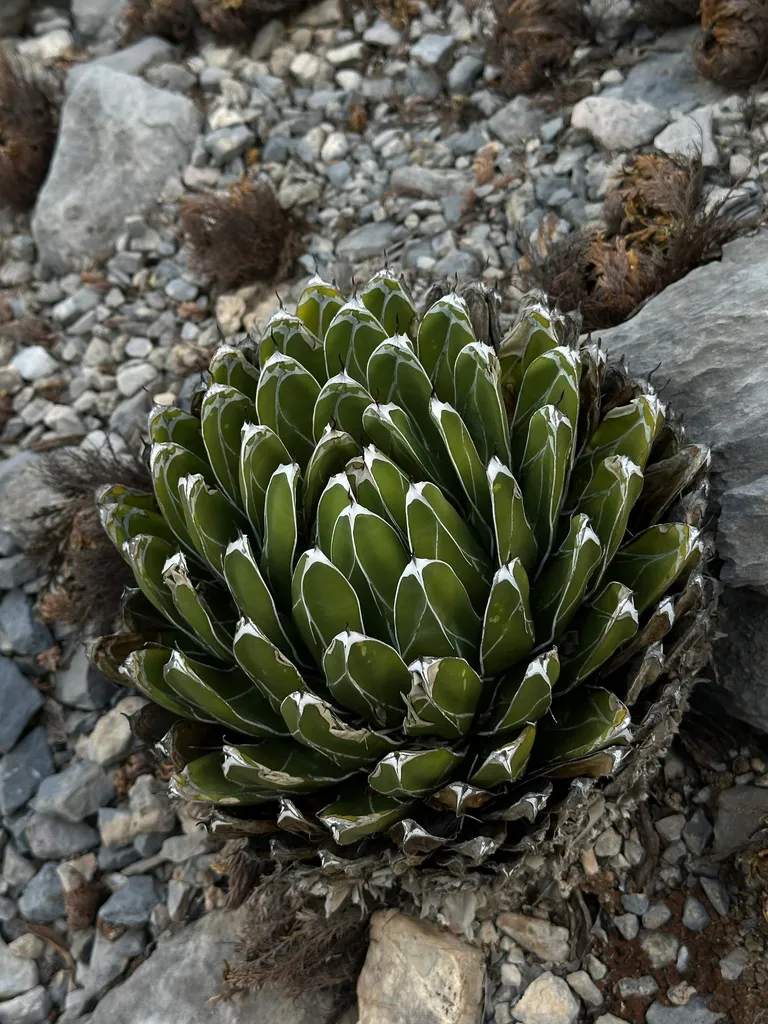
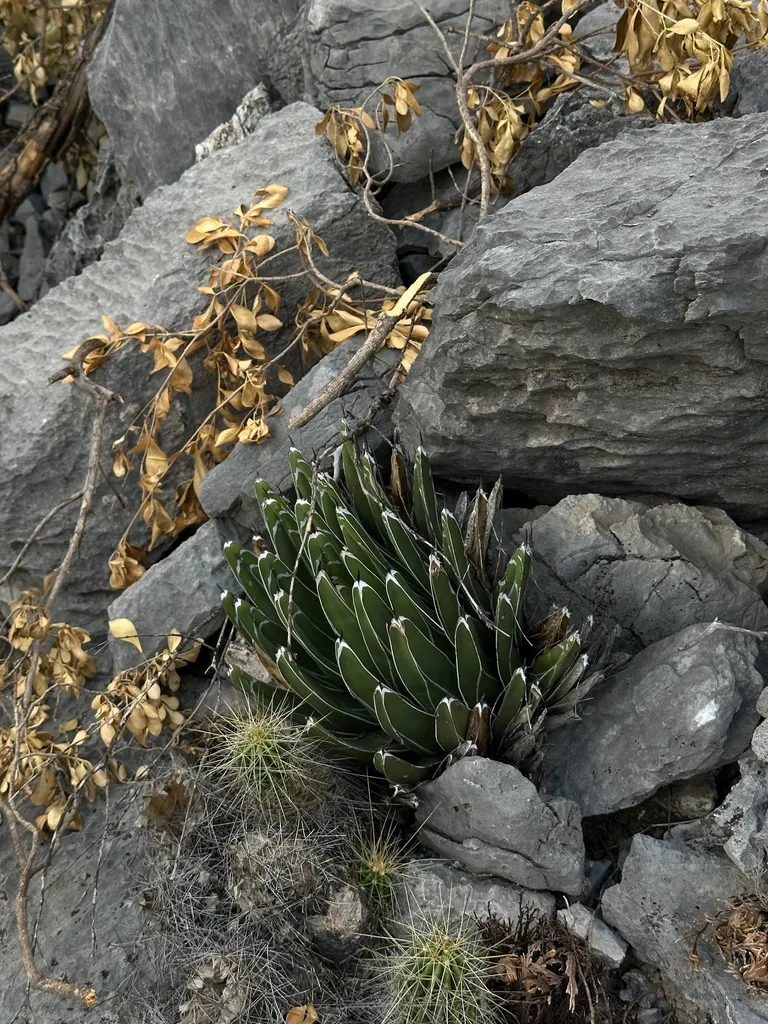
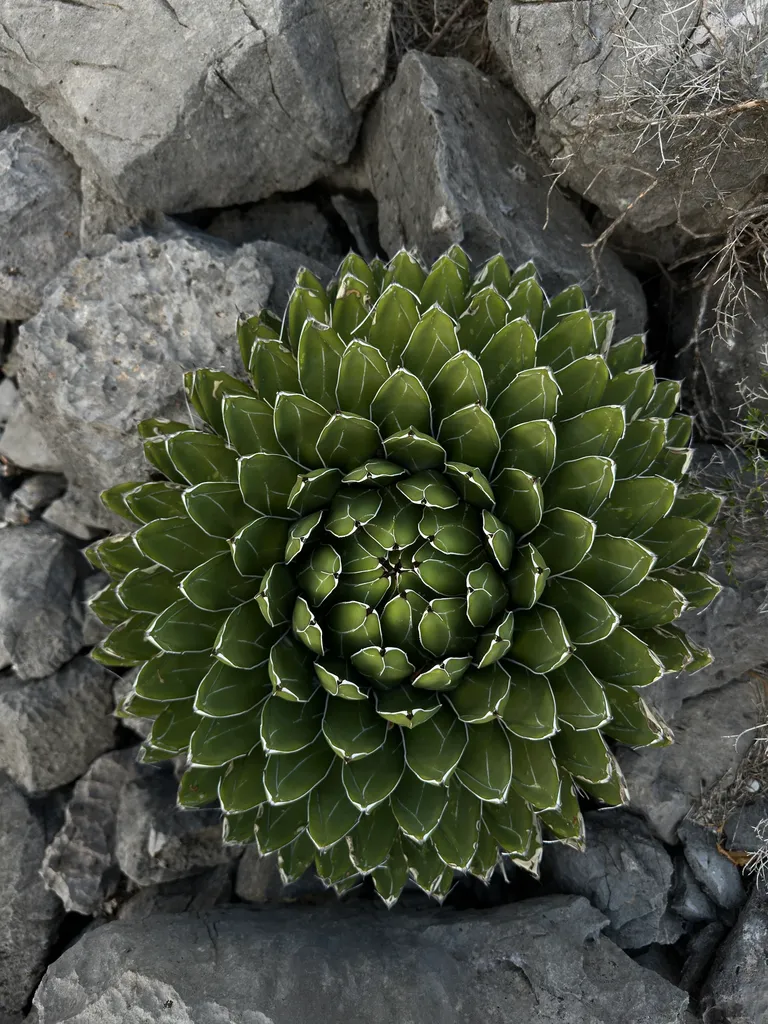
An evergreen perennial forming a rosette of thick, straight, mid-green, spine-tipped leaves to 30cm in length, with creamy-white flowers borne in narrow, erect or arching racemes to 4m in length
Scientific classification
- Species
- royal agave (Agave victoriae-reginae)
- Genus
- Agave
- Family
- Asparagaceae
- Order
- Asparagales
- Class
- Liliopsida
- Phylum
- Magnoliophyta
- Skin irritant. Wear gloves and other protective equipment when handling
- Toxicity
- Cactus Succulent · Conservatory Greenhouse
- Plant type
- 0.1-0.5 metres
- Height
- 0.1-0.5 metres
- Spread
- Evergreen
- Foliage
- Tufted
- Habit
- Spring · Summer · Autumn · Winter
- Season of interest
- Full sun
- Sunlight
- Information to be completed
- Ideal temperature









royal agave pictures
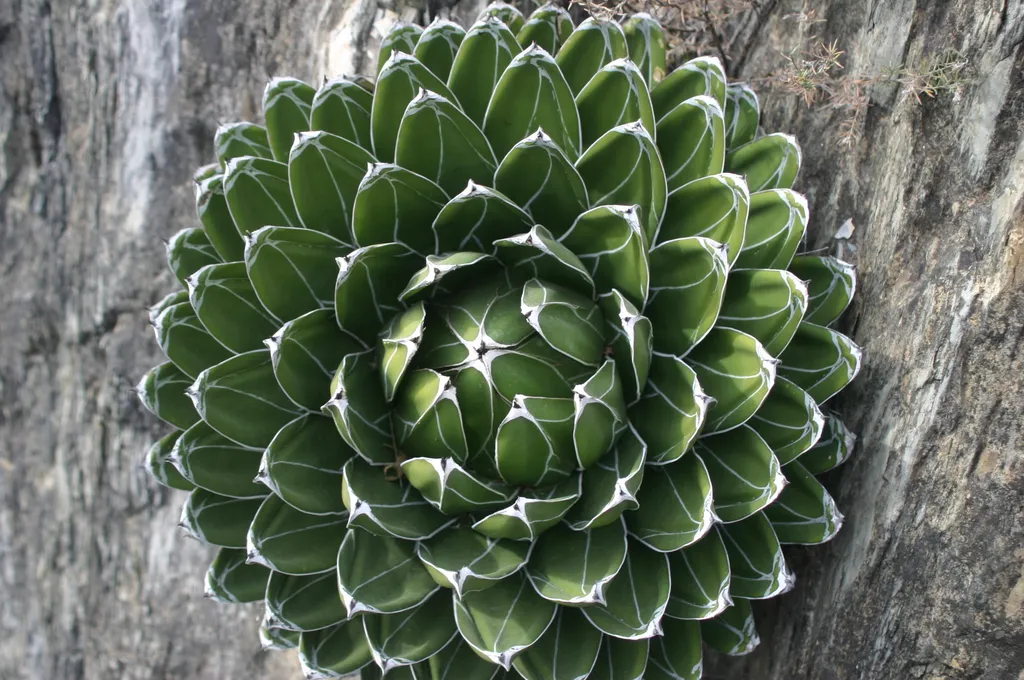
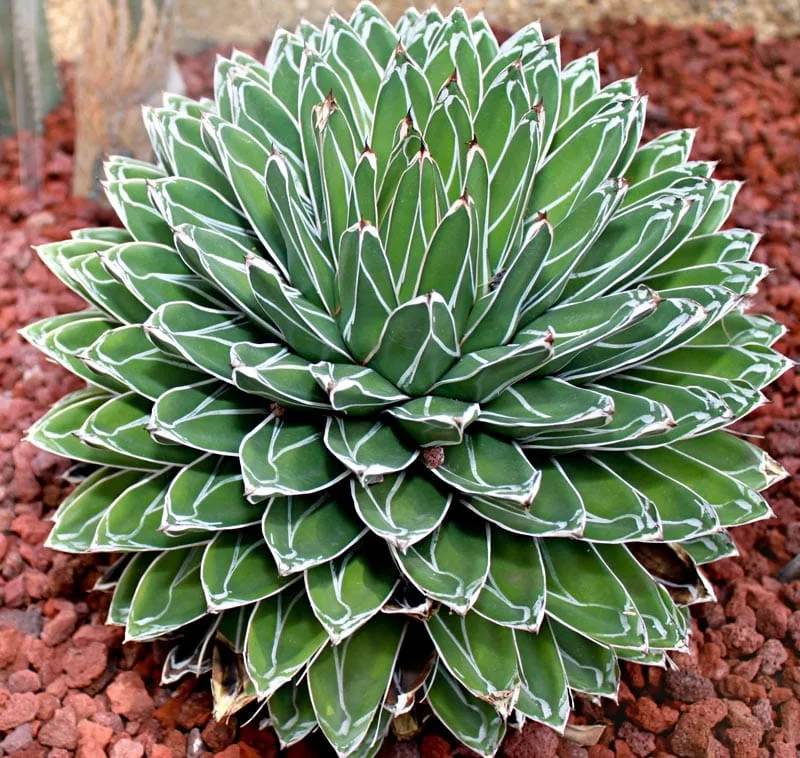
Distribution of royal agave
Distribution map
- Native
- Introduced
- Cultivated
Source:WCVP v16 · Royal Botanic Gardens, Kew · CC BY 3.0 · Boundaries:WGSRPD / TDWG
Toxicity
Skin irritant. Wear gloves and other protective equipment when handling
royal agave care guide
- Let gritty soil dry fully before each deep watering cycle
- Watering
- Full sun
- Sunlight

Watering
Let gritty soil dry fully before each deep watering cycle
Fertilizing
 Fertilizing
Very dilute low-nitrogen succulent feed monthly in warm growth
Pruning
 Pruning
No pruning required
Propagation
 Propagation
Propagate by offsets taken in spring or autumn
Growing
 Growing
Grow under glass in a standard cactus compost, water freely in summer and apply a balanced liquid fertiliser 3-4 times during the growing season. May be bedded or stood out in borders or patios in summer. Keep almost dry in winter. Provide winter protection, or grow in a container and overwinter in a greenhouse or conservatory. See houseplant cacti and succulent cultivation for further information
Common pests and diseases
Diseases
Generally disease-free
Pests
May be susceptible to scale insects
Explore the plant health library →




