
canary creeper
Also known as: canary bird flower
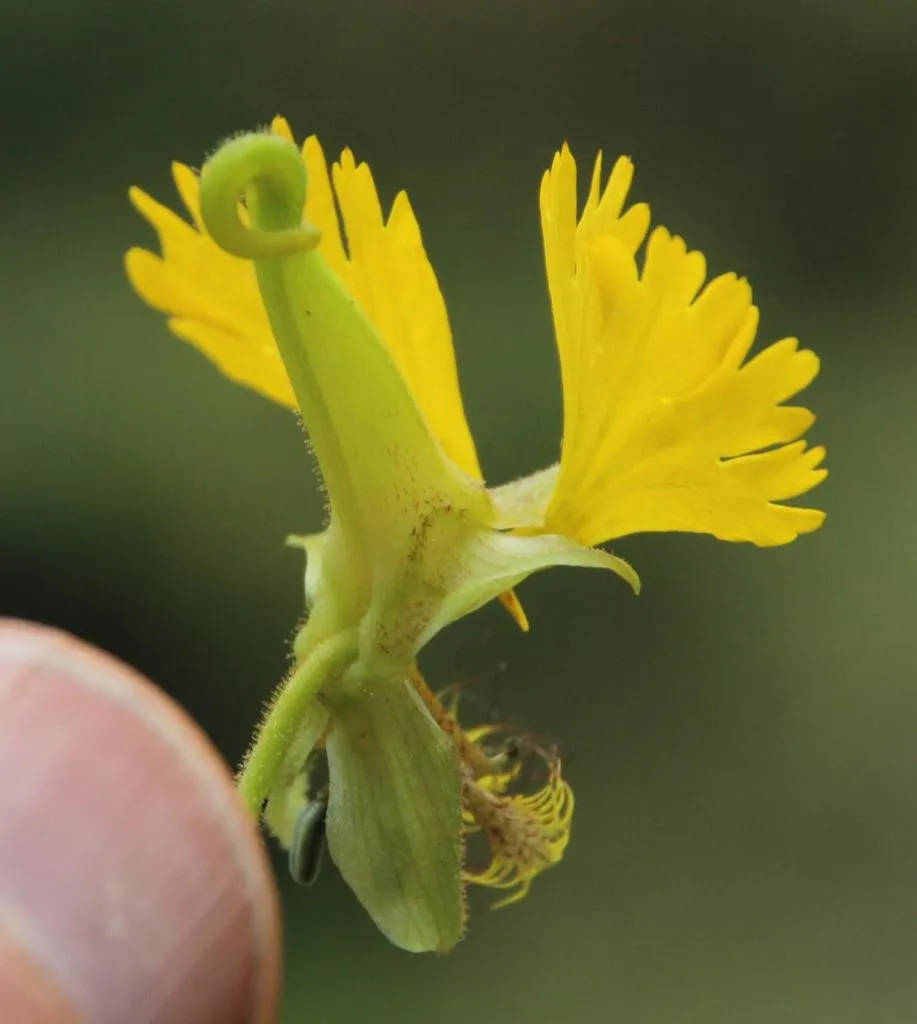
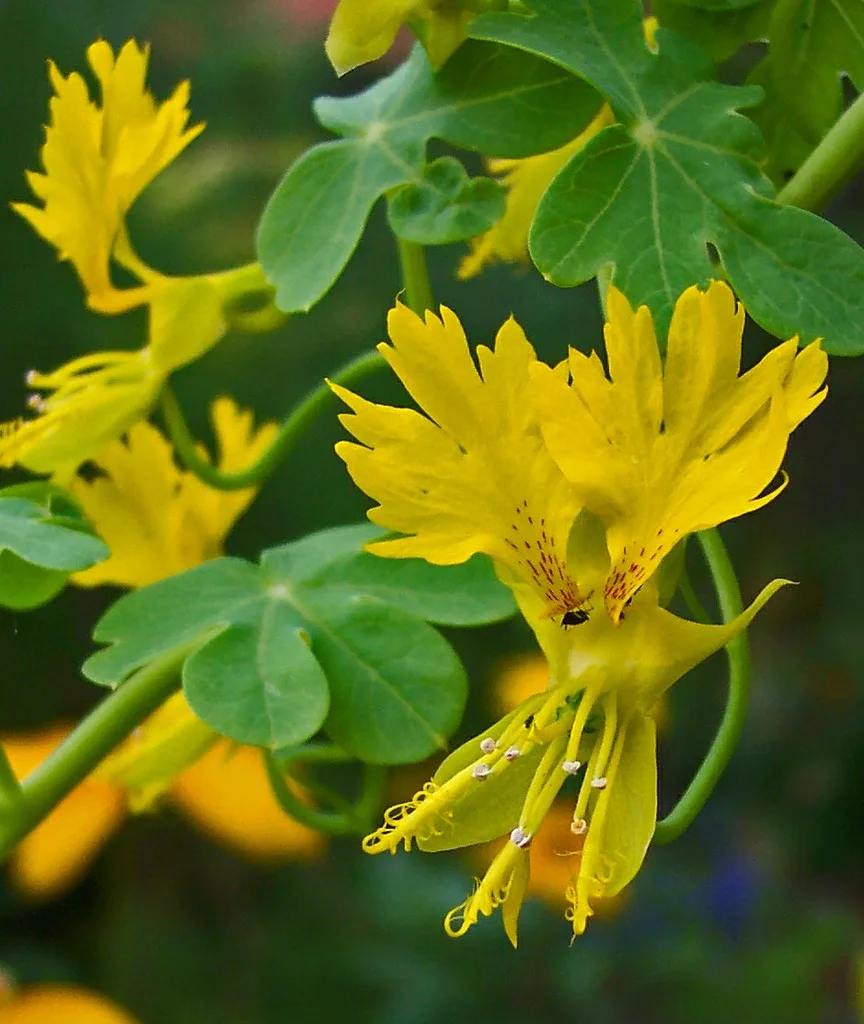
T. peregrinum is a frost-tender perennial climber to 4m tall usually grown as an annual. Leaves 2-5cm across are divided into five broad lobes. Spurred, bright yellow flowers with small lower petals and two, much larger, fringed upper petals are borne from summer until the first frosts
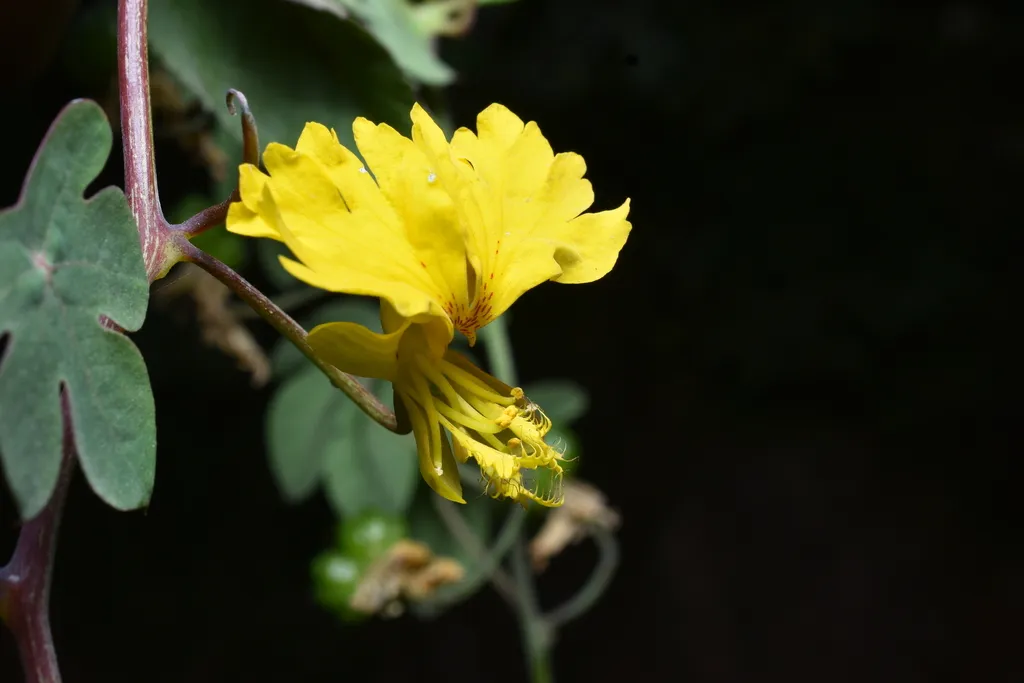
Scientific classification
- Species
- canary creeper (Tropaeolum peregrinum)
- Genus
- Tropaeolum
- Family
- Tropaeolaceae
- Order
- Brassicales
- Class
- Magnoliopsida
- Phylum
- Magnoliophyta
- Skin allergen. Wear gloves and other protective equipment when handling
- Toxicity
- Annual Biennial · Climber Wall Shrub
- Plant type
- 2.5-4 metres
- Height
- 1-1.5 metres
- Spread
- Deciduous
- Foliage
- Climbing
- Habit
- Spring · Summer · Autumn
- Season of interest
- Full sun
- Sunlight
- Information to be completed
- Ideal temperature









canary creeper pictures
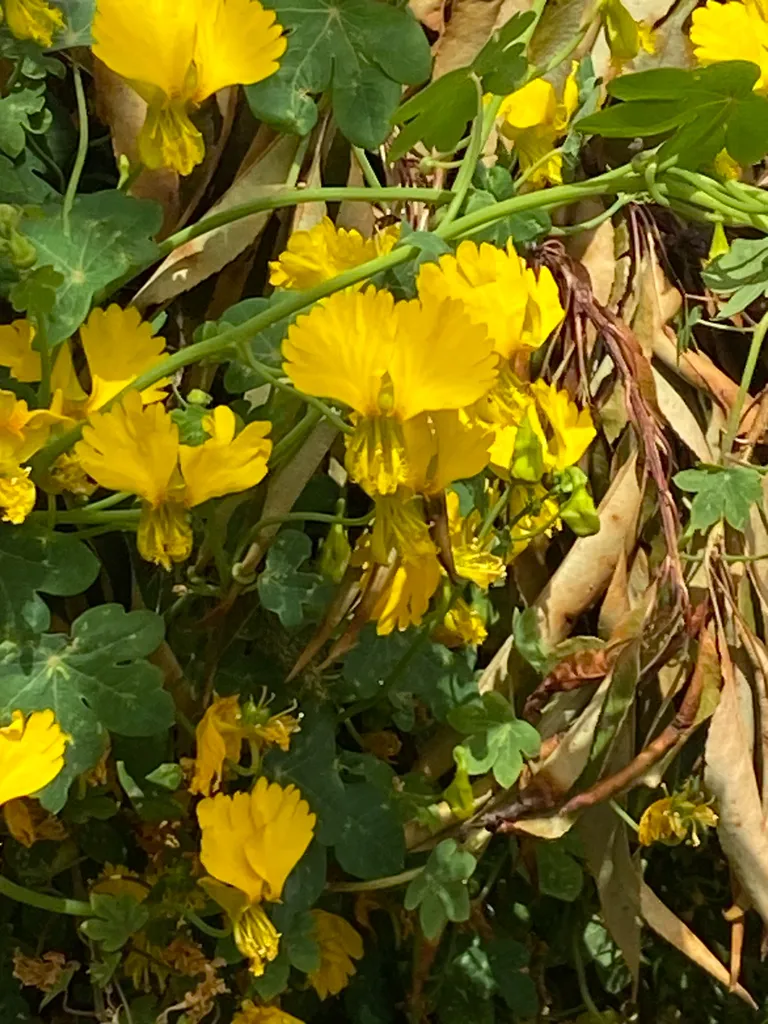
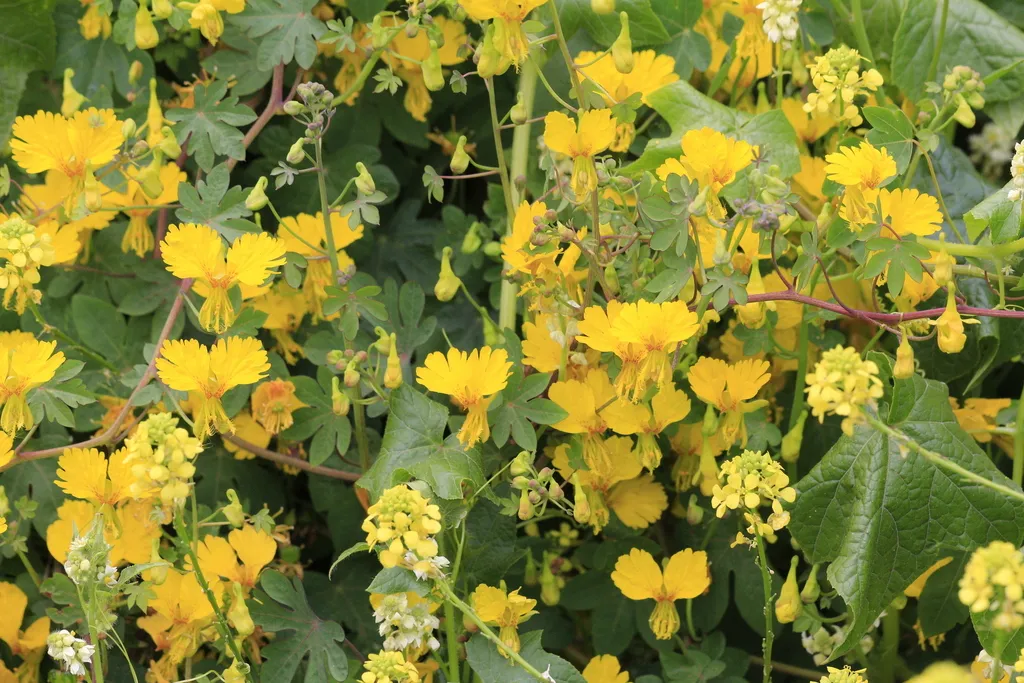
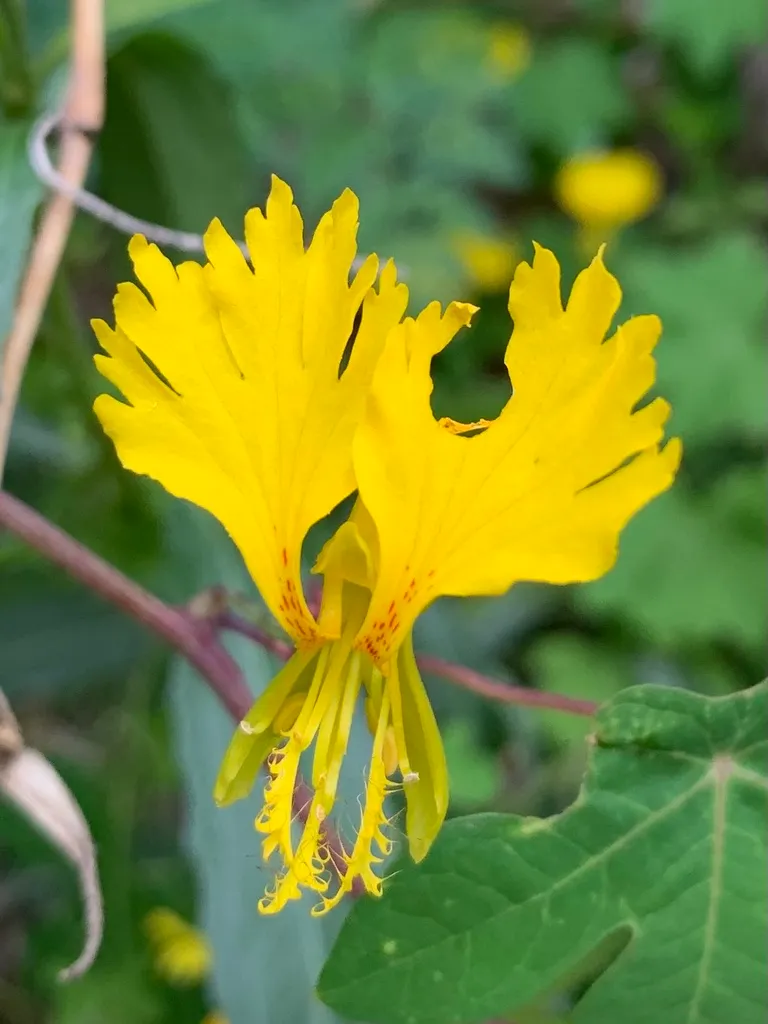
Distribution of canary creeper
Distribution map
- Native
- Introduced
- Cultivated
Source:WCVP v16 · Royal Botanic Gardens, Kew · CC BY 3.0 · Boundaries:WGSRPD / TDWG
Toxicity
Skin allergen. Wear gloves and other protective equipment when handling
canary creeper care guide
- Moderate regular watering, avoid prolonged drought and stagnant waterlogging
- Watering
- Full sun
- Sunlight

Watering
Moderate regular watering, avoid prolonged drought and stagnant waterlogging
Fertilizing
 Fertilizing
Balanced perennial feed every four weeks spring through summer growth
Pruning
 Pruning
None required
Propagation
 Propagation
Propagate by seed
Growing
 Growing
Grows best in a well-drained soil in full sun; mulch in autumn to protect from frosts. Best grown as an annual in cool areas
Common pests and diseases
Diseases
Generally disease-free
Pests
May be susceptible to glasshouse whitefly and glasshouse red spider mite and whitefly
Explore the plant health library →




