
dwarf baboon flower
Also known as: Information to be completed
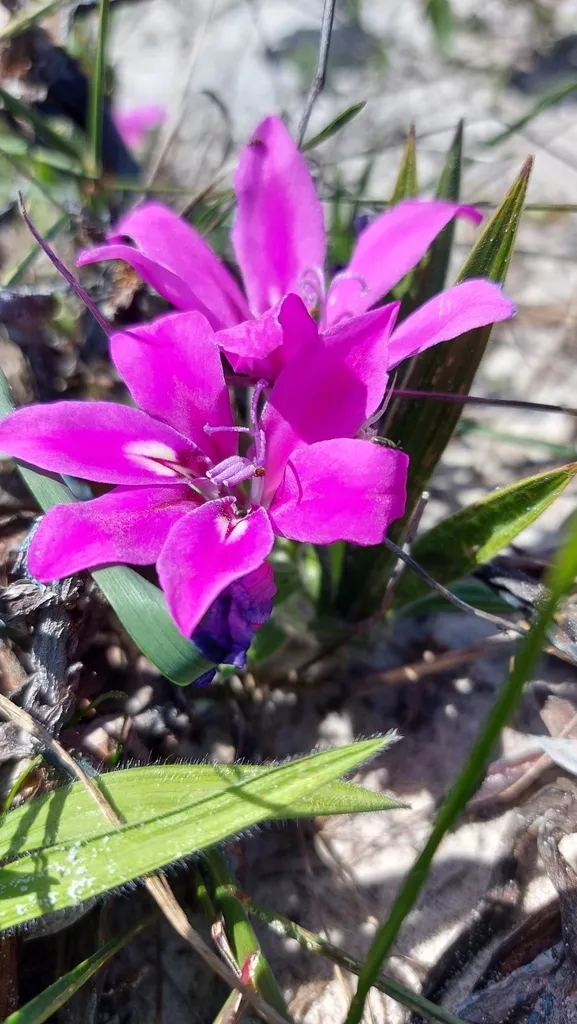
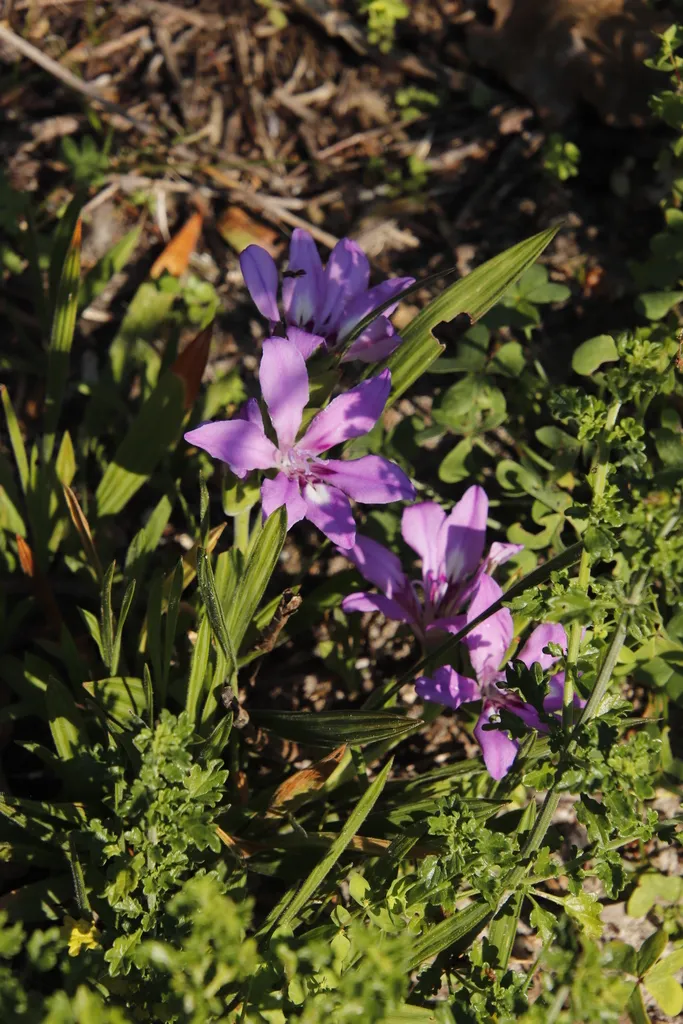
A rare, compact cormous perennial with lance-shaped ribbed green leaves and large rose-violet scented blue or purple flowers with white markings appearing in the spring
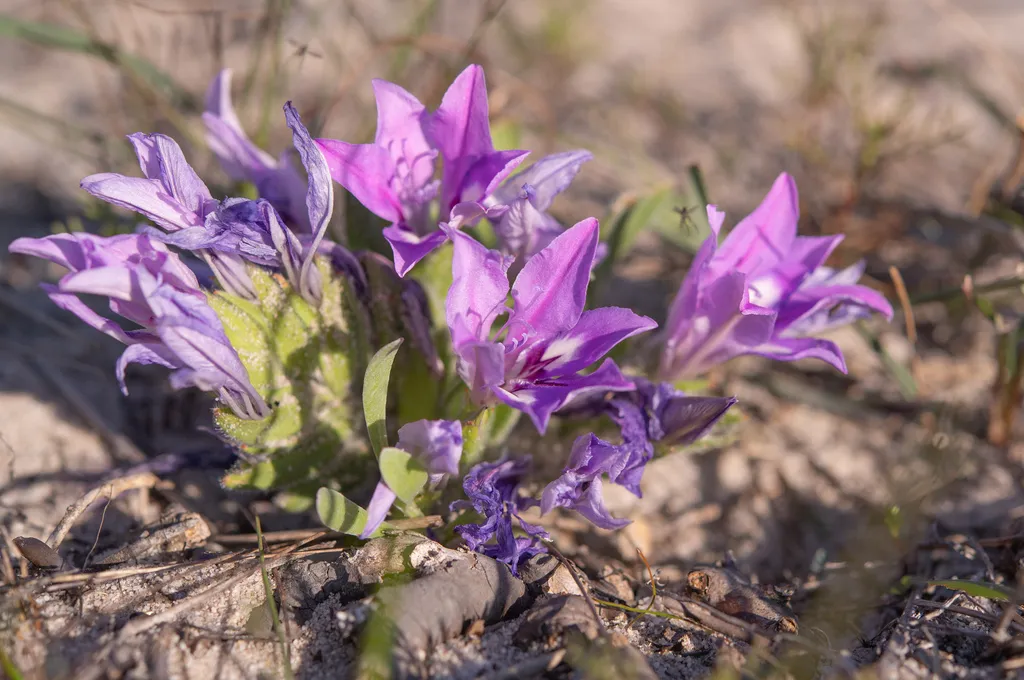
Scientific classification
- Species
- dwarf baboon flower (Babiana nana)
- Genus
- Babiana
- Family
- Iridaceae
- Order
- Asparagales
- Class
- Liliopsida
- Phylum
- Magnoliophyta
- Information to be completed
- Toxicity
- Bulbs · Herbaceous Perennial
- Plant type
- 0.1-0.5 metres
- Height
- 0.1-0.5 metres
- Spread
- Deciduous
- Foliage
- Bushy
- Habit
- Spring
- Season of interest
- Full sun
- Sunlight
- Information to be completed
- Ideal temperature









dwarf baboon flower pictures
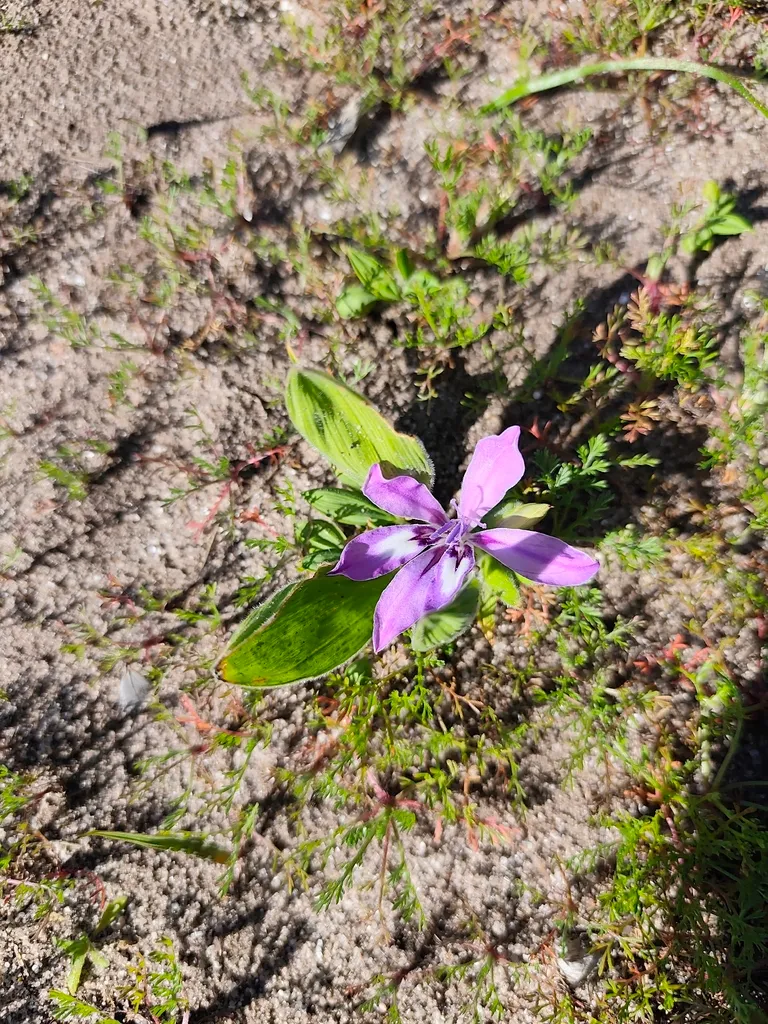
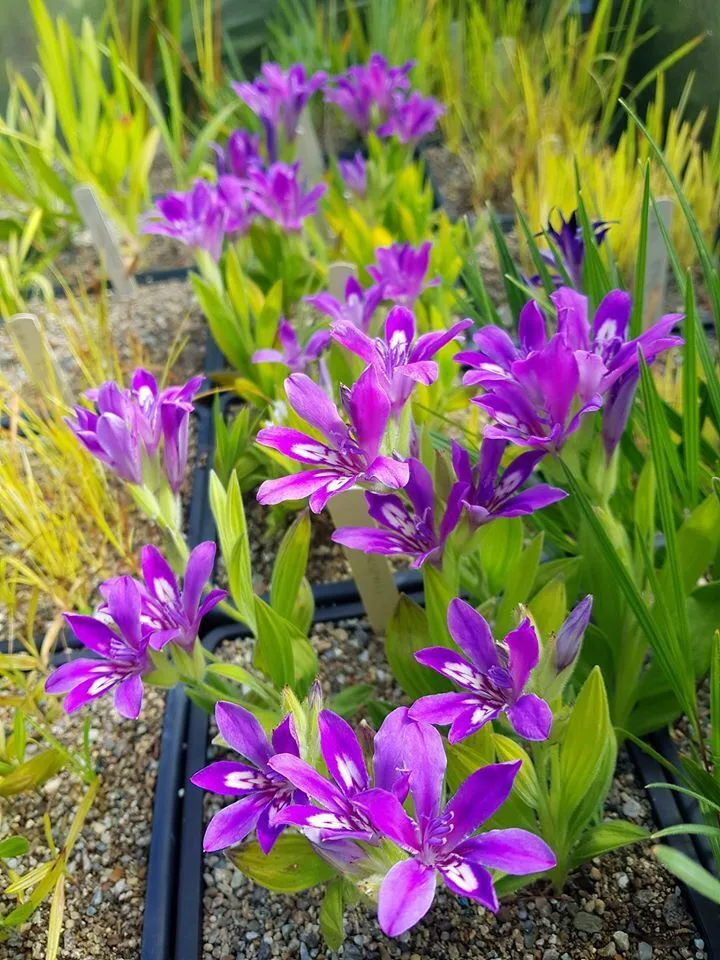
Distribution of dwarf baboon flower
Distribution map
- Native
- Introduced
- Cultivated
Source:WCVP v16 · Royal Botanic Gardens, Kew · CC BY 3.0 · Boundaries:WGSRPD / TDWG
dwarf baboon flower care guide
- Consistent moisture before blooming, halt heavy watering post leaf dieback
- Watering
- Full sun
- Sunlight

Watering
Consistent moisture before blooming, halt heavy watering post leaf dieback
Fertilizing
 Fertilizing
Weak bulb diluted feed monthly spring before bud formation arrives
Pruning
 Pruning
No pruning required
Propagation
 Propagation
Propagate by seed as soon as ripe in autumn in a temperature of 13°C-15°C (55°F-59°F). Remove offsets when the corms are dormant in autumn. Pot into equal parts loam-based compost and sharp sand
Growing
 Growing
Grow under glass from corms in autumn. Plant into John Innes No 2 compost and grow on in full light. Apply a weak, balanced liquid fertiliser every 3 weeks before flowering. Dry off as the leaves die down in summer. Corms can also be bought in spring for planting outside for a one off summer blooming, but after this, would need to be grown under glass and allowed to winter grow. Plant corms 15cm (6in) deep
Common pests and diseases
Diseases
Generally disease-free
Pests
May be susceptible to glasshouse red spider mite
Explore the plant health library →




