
Euonymus macropterus
Also known as: Information to be completed
A large deciduous shrub, to around 3m high, with a broadly spreading habit. Leaves are oval, finely toothed and deep green with paler undersides. Clusters of small, greenish flowers are produced in late spring, followed by deep pink, four-winged seed cases that split open to reveal bright orange seeds
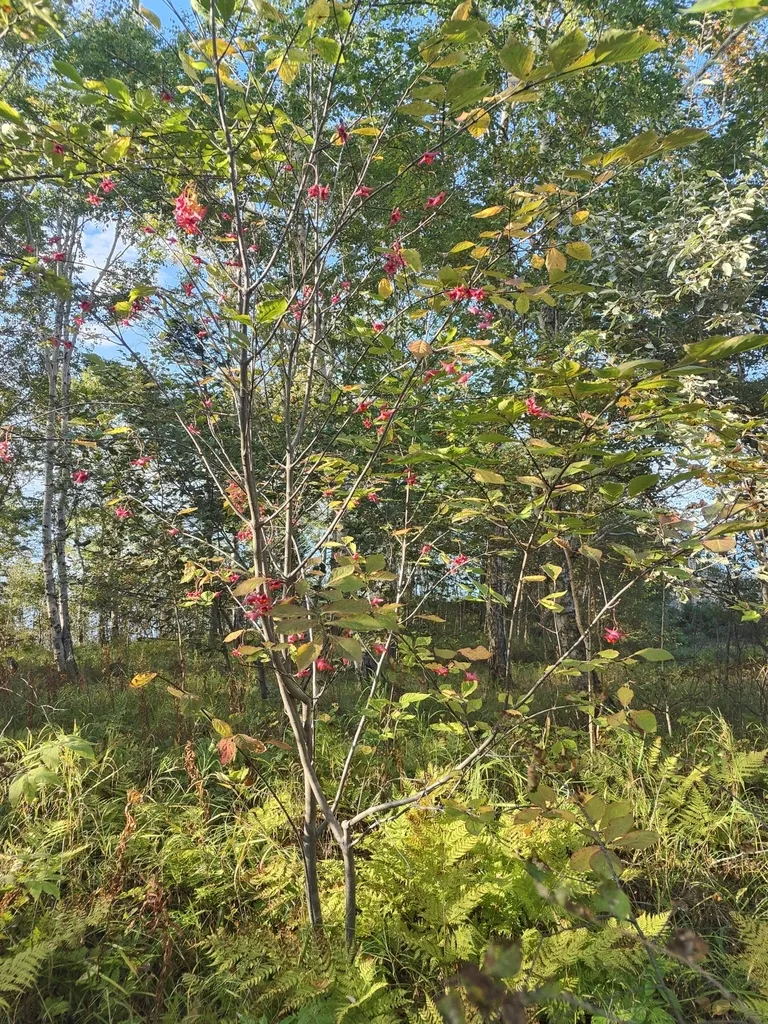
Scientific classification
- Species
- Euonymus macropterus (Euonymus macropterus)
- Genus
- Euonymus
- Family
- Celastraceae
- Harmful if eaten. Wear gloves and other protective equipment when handling
- Toxicity
- Shrubs
- Plant type
- 2.5-4 metres
- Height
- 2.5-4 metres
- Spread
- Deciduous
- Foliage
- Information to be completed
- Habit
- Autumn · Spring · Summer
- Season of interest
- Full sun · Partial shade
- Sunlight
- Information to be completed
- Ideal temperature









Euonymus macropterus pictures
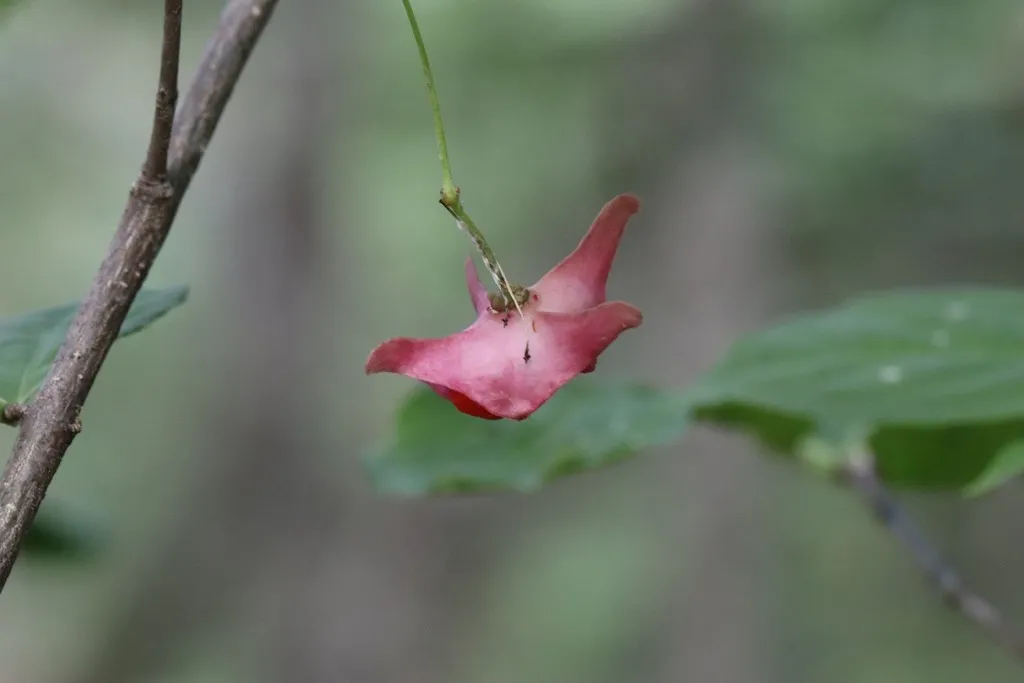
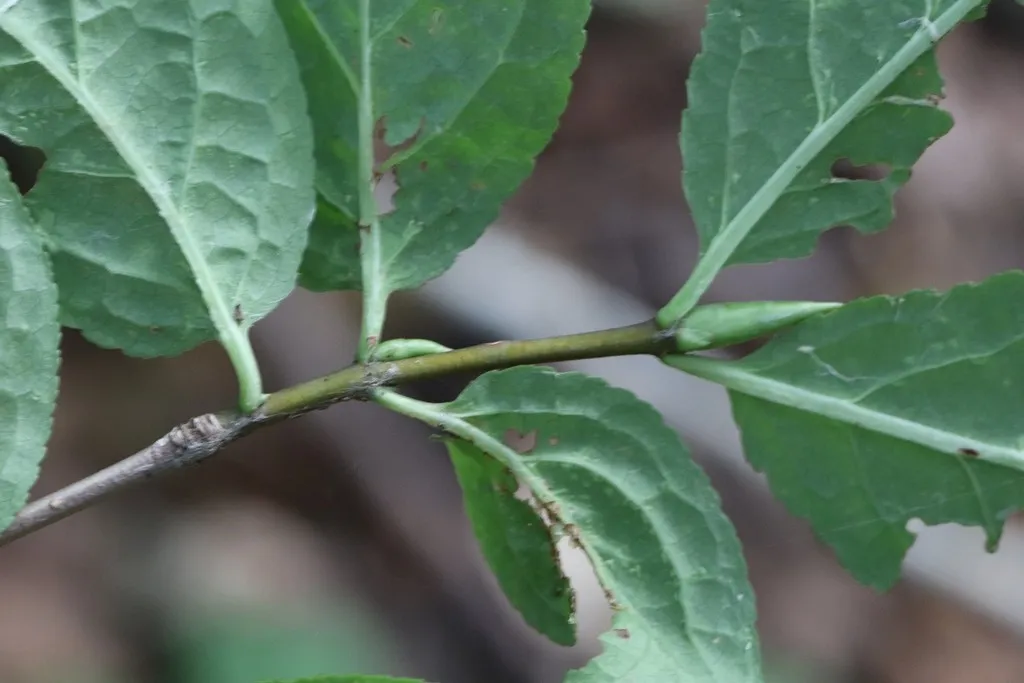
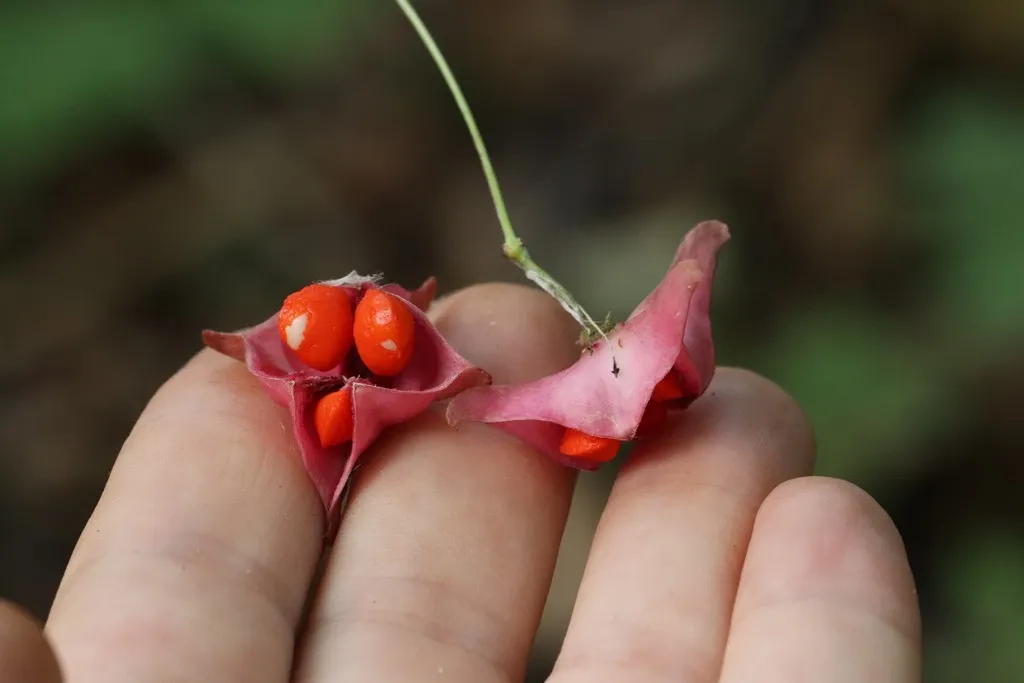
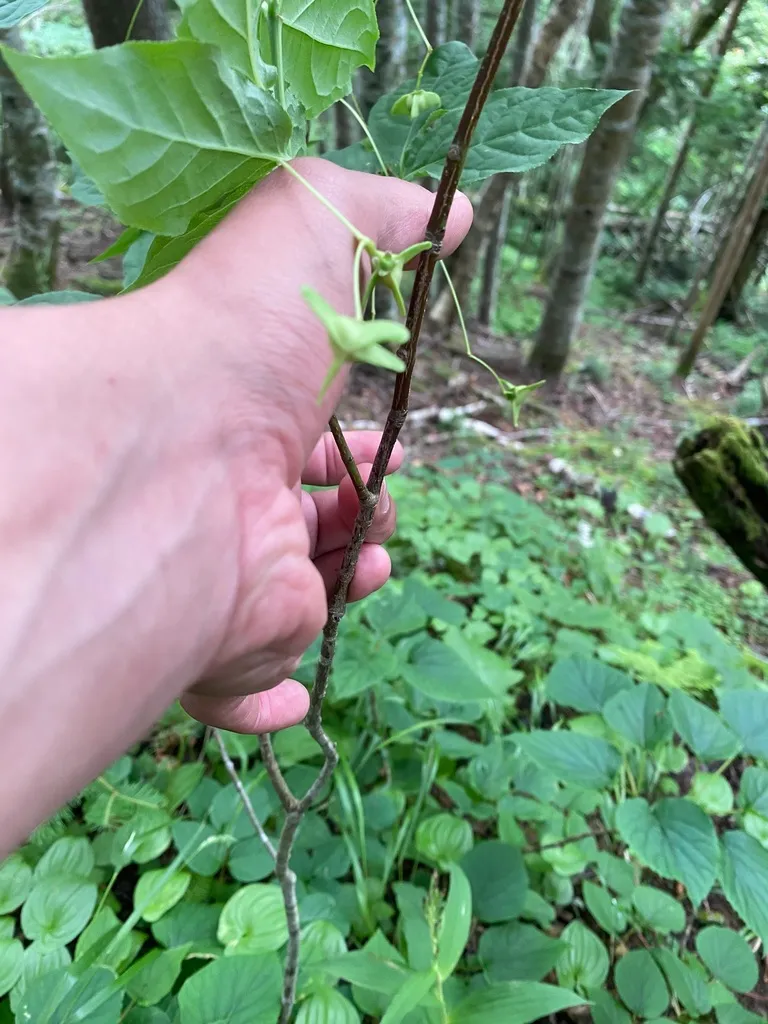
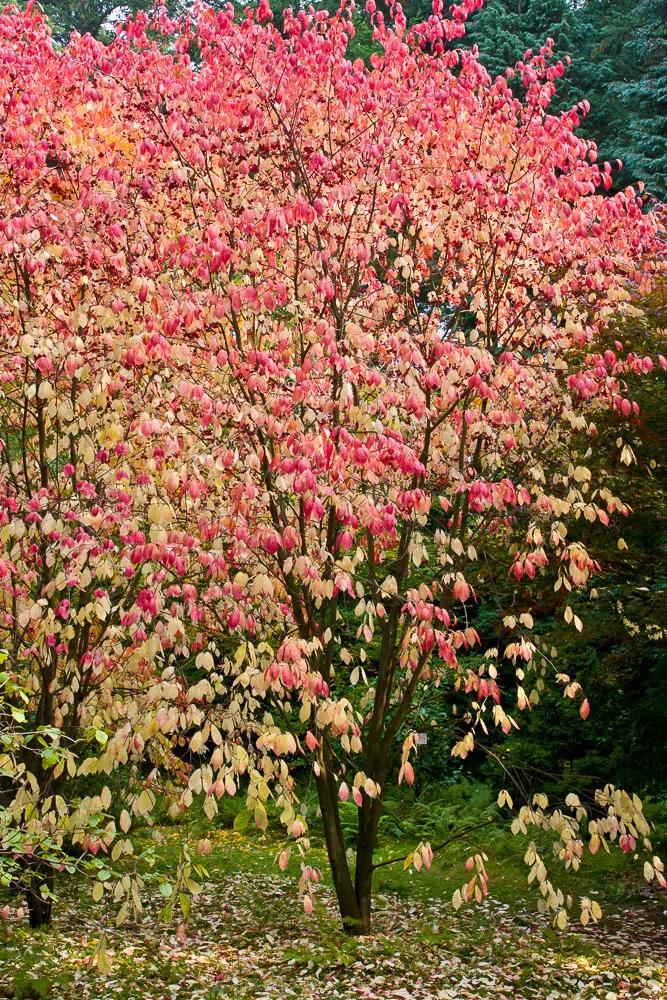
Distribution of Euonymus macropterus
Distribution map
E and Northern Asia
Information to be completed
Culture
Information to be completed
Toxicity
Harmful if eaten. Wear gloves and other protective equipment when handling
Quick identification of Euonymus macropterus
Information to be completed
Euonymus macropterus care guide
- Moderate regular watering, dry slightly in winter dormancy
- Watering
- Full sun · Partial shade
- Sunlight
- Information to be completed
- Ideal temperature

Watering
Moderate regular watering, dry slightly in winter dormancy
Fertilizing
 Fertilizing
General shrub fertilizer applied one time each spring
Pruning
 Pruning
Little pruning is needed. Remove diseased, damaged, crowded or crossing shoots and unwanted growth. Timing depends on the plant: generally late winter or early spring; plants prone to bleeding and deciduous magnolias need different timing, and deciduous azaleas and lilacs are pruned after flowering.
Propagation
 Propagation
Propagate by seed or by softwood cuttings in summer
Growing
 Growing
Grows in most well-drained soils in sun or part shade; may be slow growing in very acid soils
People also ask
Information to be completed
Common pests and diseases
Diseases
May be susceptible to powdery mildews and a leaf spot
Pests
May be susceptible to vine weevil, horse chestnut scale, euonymus scale and caterpillars
Explore the plant health library →




