
wood spurge
Also known as: Information to be completed
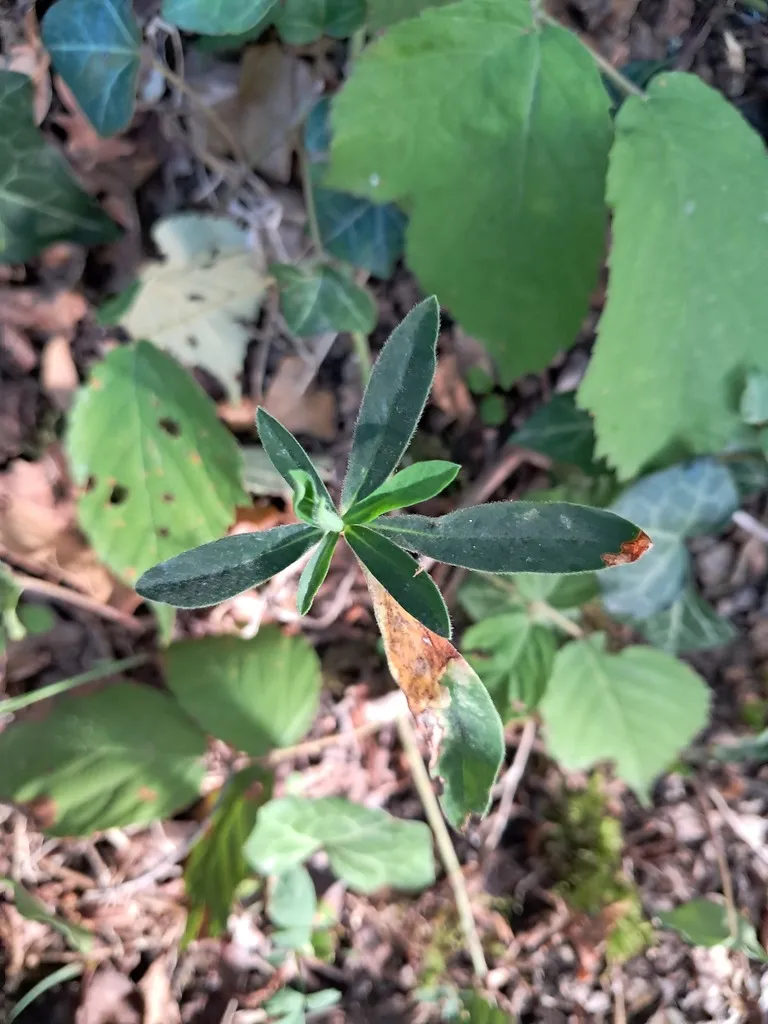
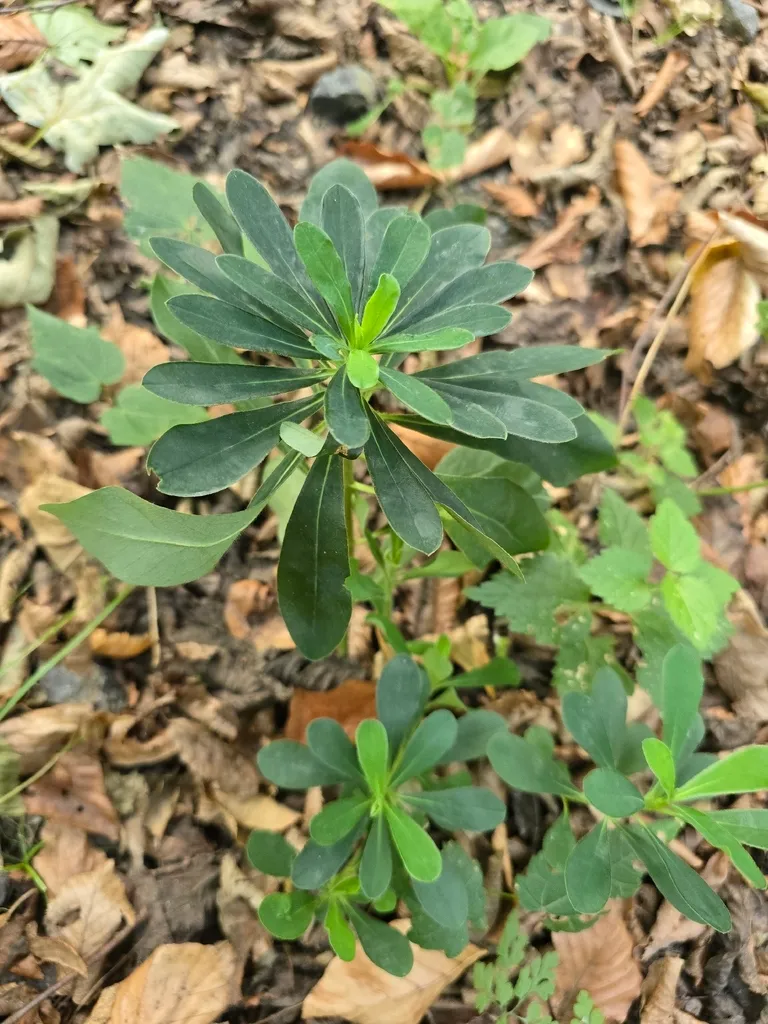
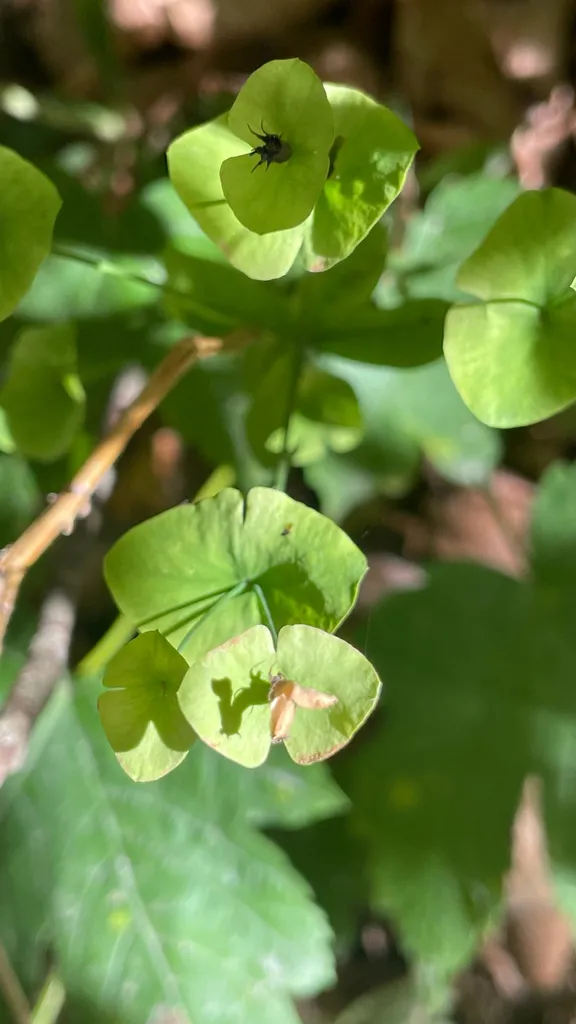
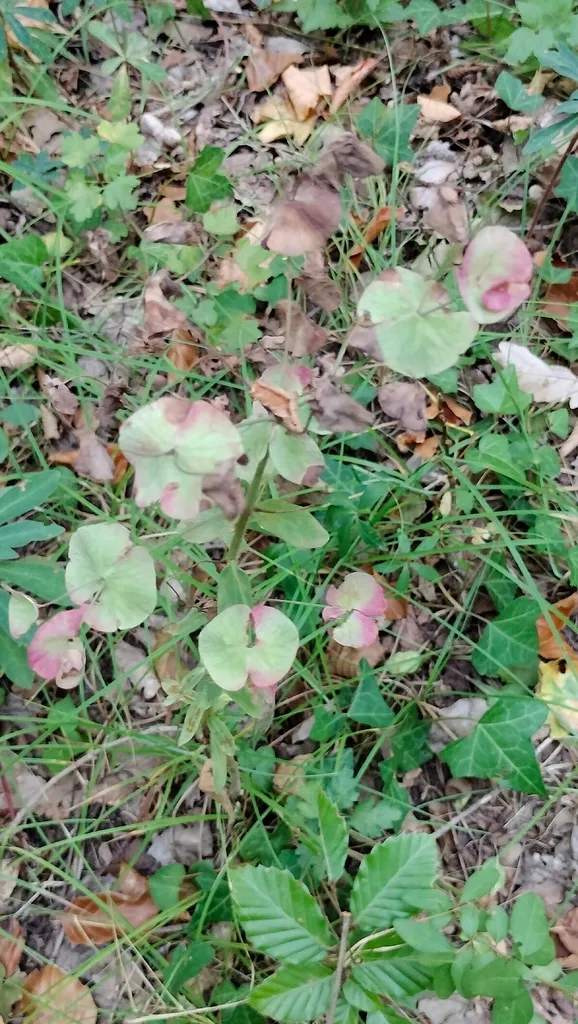
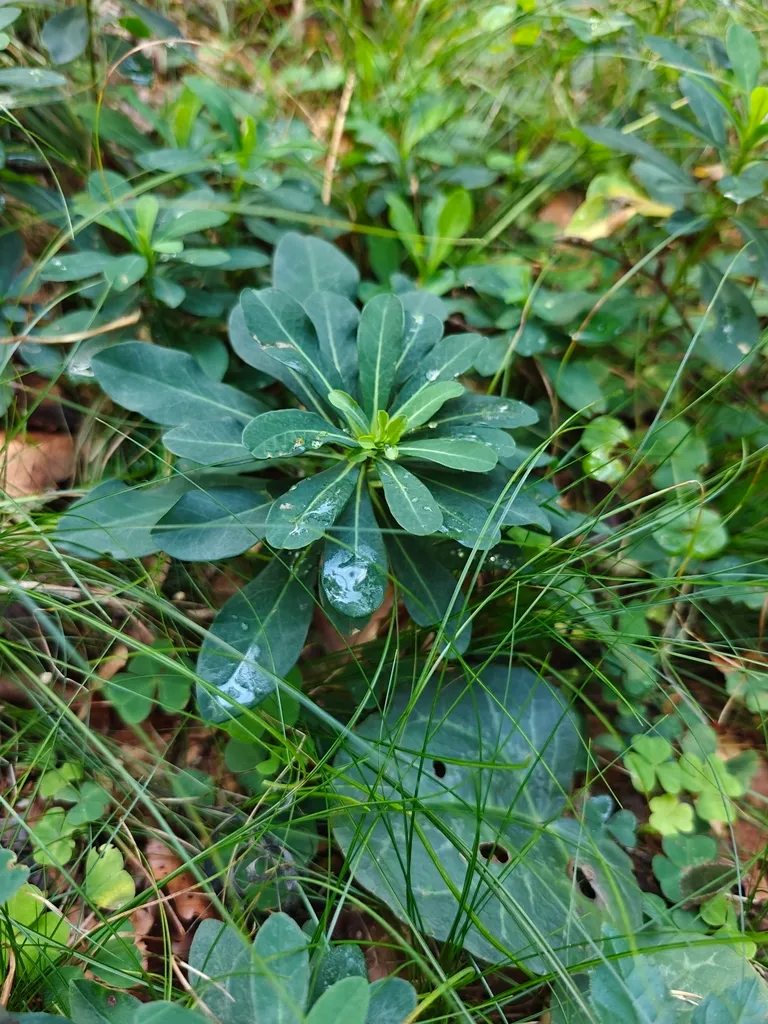
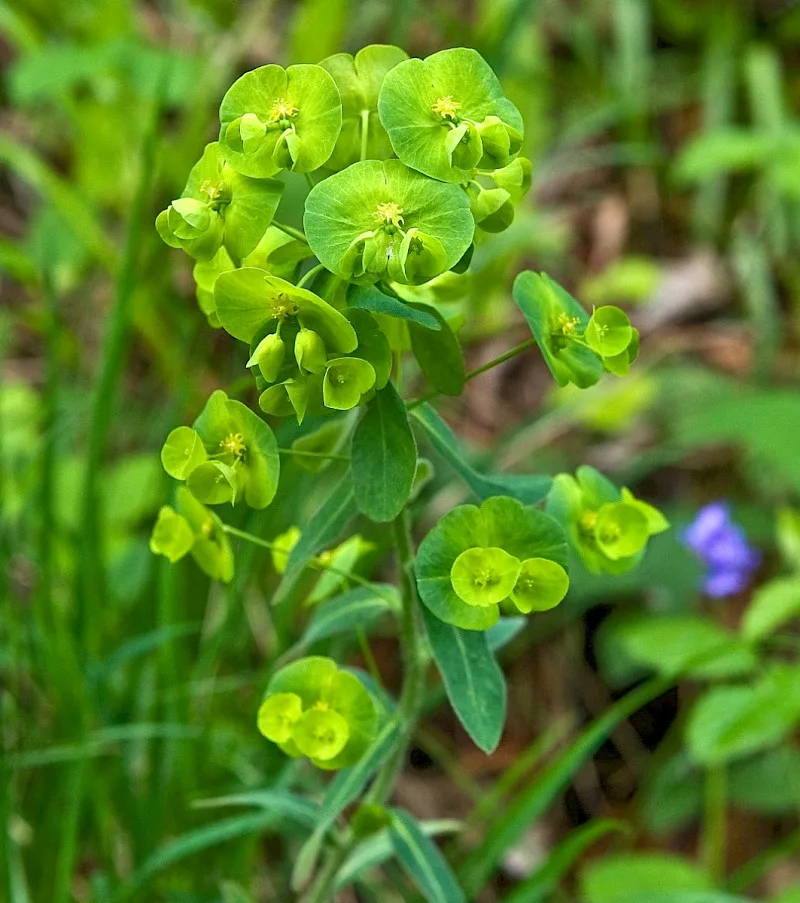
A bushy, evergreen perennial with reddish green stems and matt green leaves, which can be reddish benneath and become darker in the winter. Yellow clusters of flowers in spring and summer
Scientific classification
- Species
- wood spurge (Euphorbia amygdaloides)
- Genus
- Euphorbia
- Family
- Euphorbiaceae
- Order
- Malpighiales
- Class
- Magnoliopsida
- Phylum
- Magnoliophyta
- IRRITANT to skin/eye, harmful if eaten. Wear gloves and other protective equipment when handling]
- Toxicity
- Herbaceous Perennial
- Plant type
- 0.1-0.5 metres
- Height
- 0.1-0.5 metres
- Spread
- Evergreen
- Foliage
- Bushy
- Habit
- Spring · Summer · Autumn · Winter
- Season of interest
- Partial shade
- Sunlight
- Information to be completed
- Ideal temperature









wood spurge pictures
Toxicity
IRRITANT to skin/eye, harmful if eaten. Wear gloves and other protective equipment when handling]
wood spurge care guide
- Moderate regular watering, avoid prolonged drought and stagnant waterlogging
- Watering
- Partial shade
- Sunlight

Watering
Moderate regular watering, avoid prolonged drought and stagnant waterlogging
Fertilizing
 Fertilizing
Balanced perennial feed every four weeks spring through summer growth
Pruning
 Pruning
Remove stems imediatley after flowering to encourage new basal growth.
Propagation
 Propagation
Divide in spring, basal cuttings in early summer, sow seeds.
Growing
 Growing
See Euphorbia for further adviceGrow in moist, humus rich soil in light dappled shade.
Common pests and diseases
Diseases
May be susceptible to botrytis (grey mould)
Pests
May be susceptible to aphids
Explore the plant health library →




