
candelabra tree
Also known as: Information to be completed
A fast-growing, succulent tree capable of reaching 15m, but is usually grown as a pot plant. Thebranching, leafless stems have four or five vertical ridges bearing small spines. Mature plants can produce greenish-yellow flowers at the branch tips, followed by dark red to purple fruit

Scientific classification
- Species
- candelabra tree (Euphorbia ingens)
- Genus
- Euphorbia
- Family
- Euphorbiaceae
- Order
- Malpighiales
- Class
- Magnoliopsida
- Phylum
- Magnoliophyta
- IRRITANT to skin/eye, harmful if eaten. Wear gloves and other protective equipment when handling]
- Toxicity
- Houseplants · Cactus Succulent · Conservatory Greenhouse
- Plant type
- Higher than 12 metres
- Height
- wider than 8 metres
- Spread
- Evergreen
- Foliage
- Columnar upright
- Habit
- Spring · Summer · Autumn · Winter
- Season of interest
- Full sun
- Sunlight
- Information to be completed
- Ideal temperature









candelabra tree pictures

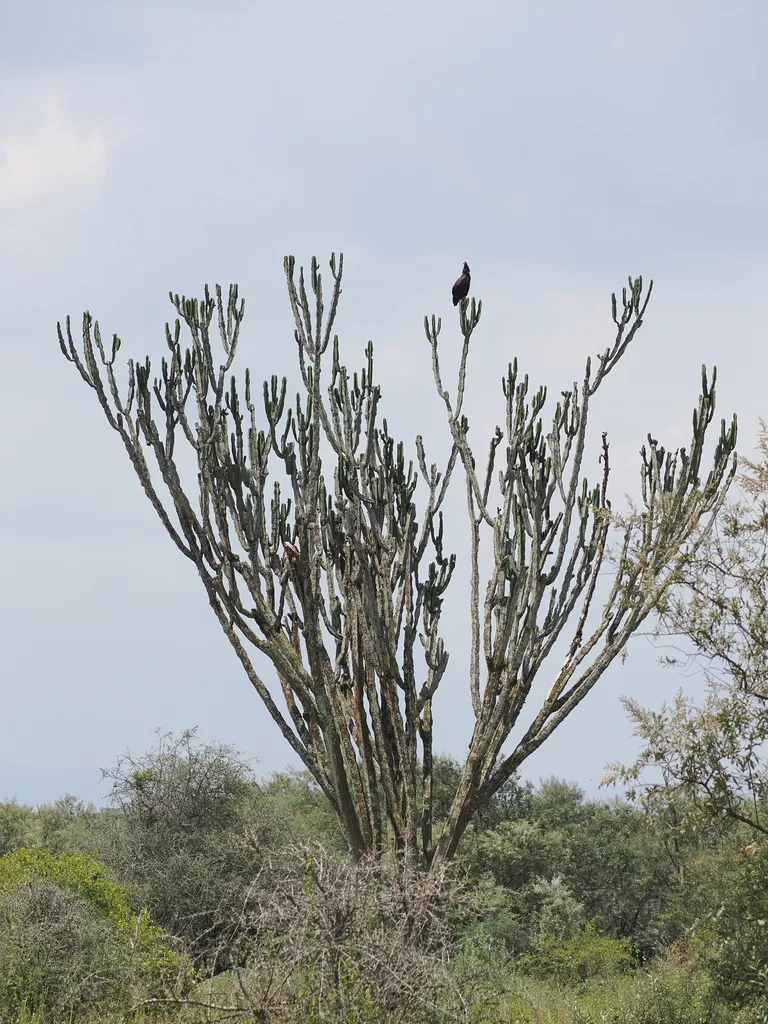
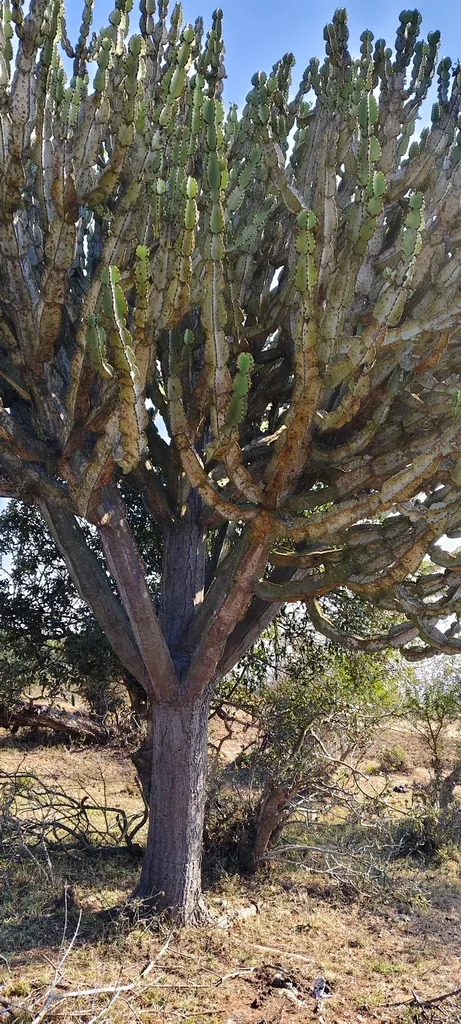
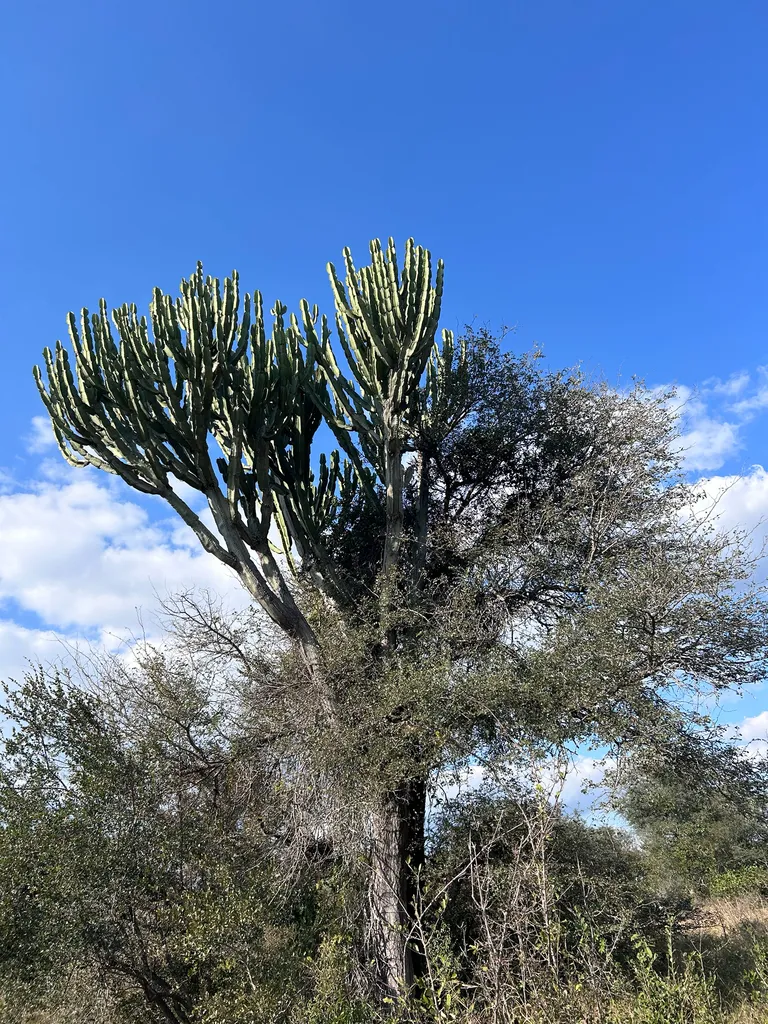
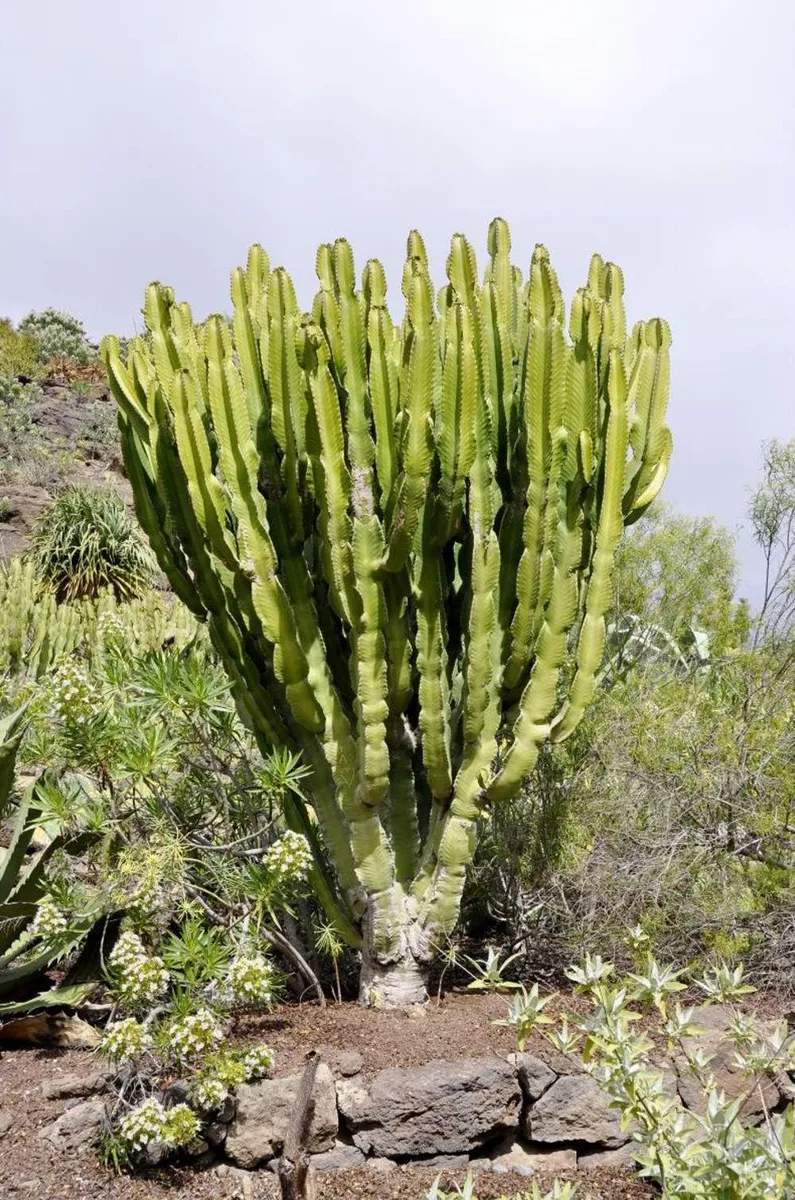
Distribution of candelabra tree
Distribution map
- Native
- Introduced
- Cultivated
Source:WCVP v16 · Royal Botanic Gardens, Kew · CC BY 3.0 · Boundaries:WGSRPD / TDWG
Toxicity
IRRITANT to skin/eye, harmful if eaten. Wear gloves and other protective equipment when handling]
candelabra tree care guide
- Moderate regular watering, allowing brief slight drying between soakings
- Watering
- Full sun
- Sunlight

Watering
Moderate regular watering, allowing brief slight drying between soakings
Fertilizing
 Fertilizing
Balanced perennial feed every four weeks from spring through summer
Pruning
 Pruning
No pruning required but can be cut back to restrict size
Propagation
 Propagation
Propagate by seed sown at 15-18°C in early spring or stem cuttings in spring or early summer
Growing
 Growing
Grow indoors in equal quantities of loam-based potting compost and grit in full light. Water moderately when in growth and keep dry in winter. In the growing season feed a low nitrogen liquid fertiliser 2 or 3 times. See houseplant cacti and succulent cultivation and Euphorbia cultivation for further advice
Common pests and diseases
Diseases
May be susceptible to powdery mildews and root rots
Pests
May be susceptible to mealybugs, glasshouse whitefly and glasshouse red spider mite
Explore the plant health library →




