
Russian vine
Also known as: China fleece vine; fleece flower; mile-a-minute vine; silver lace vine; mile-a-minute plant
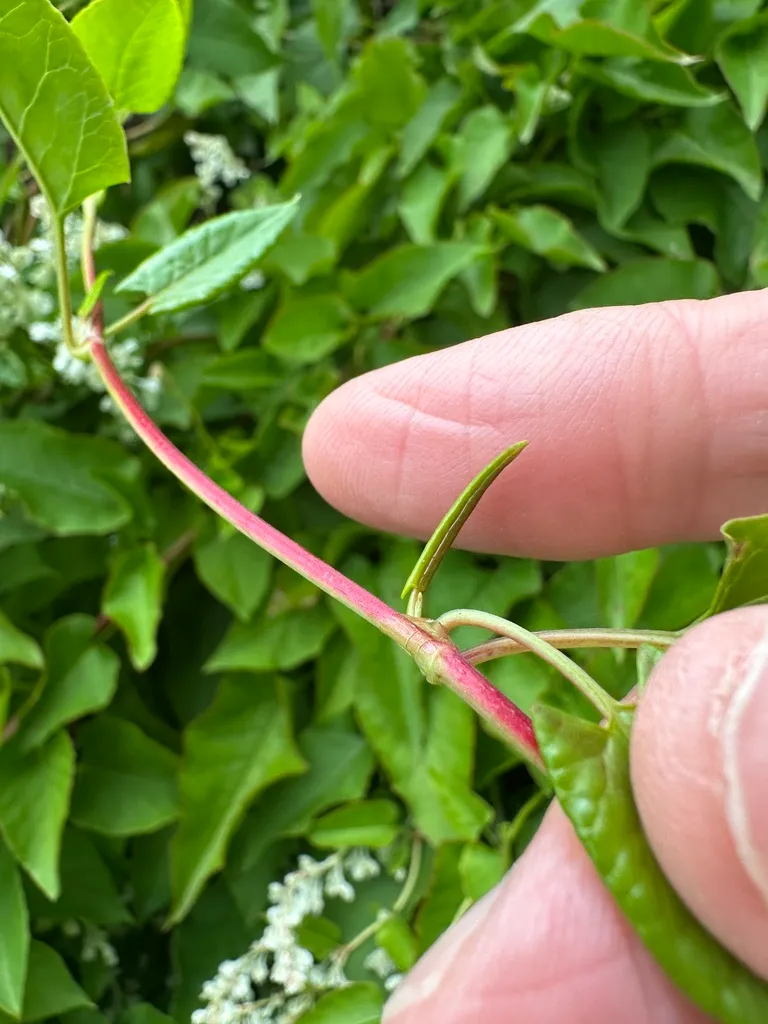
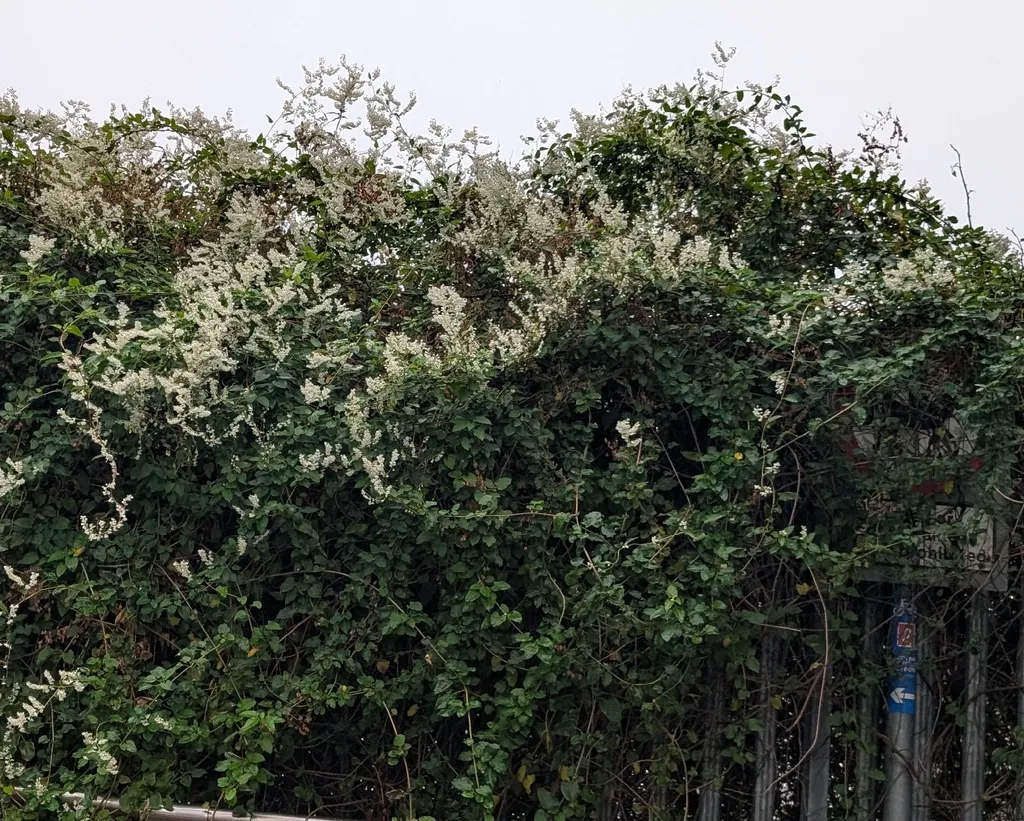
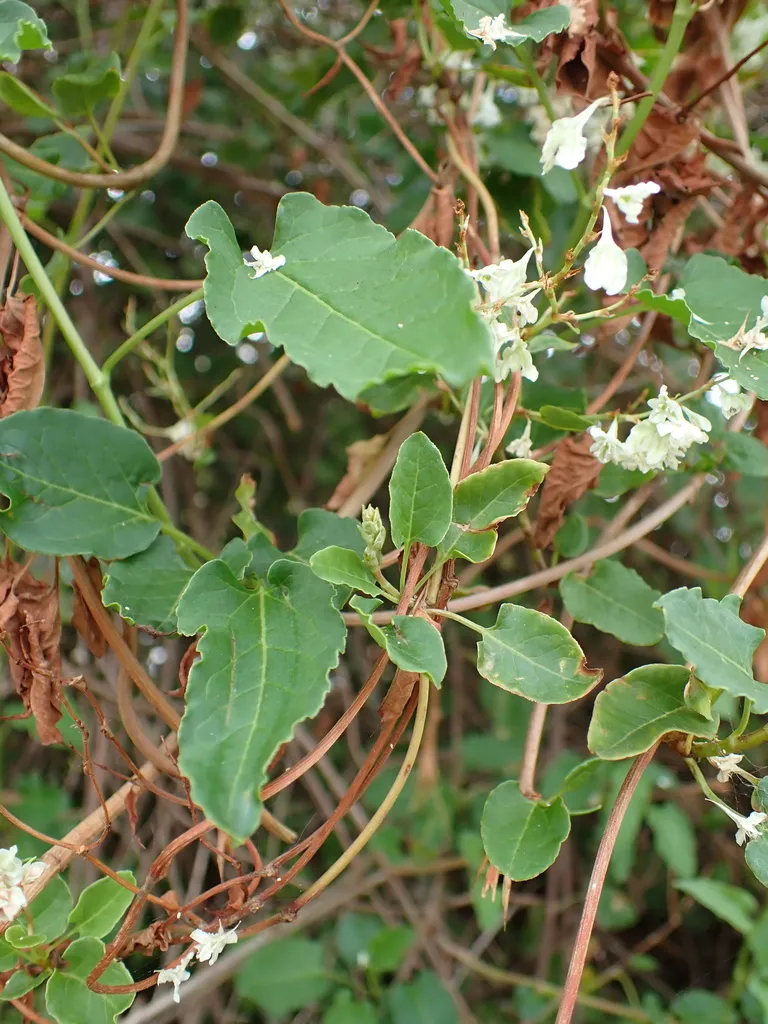
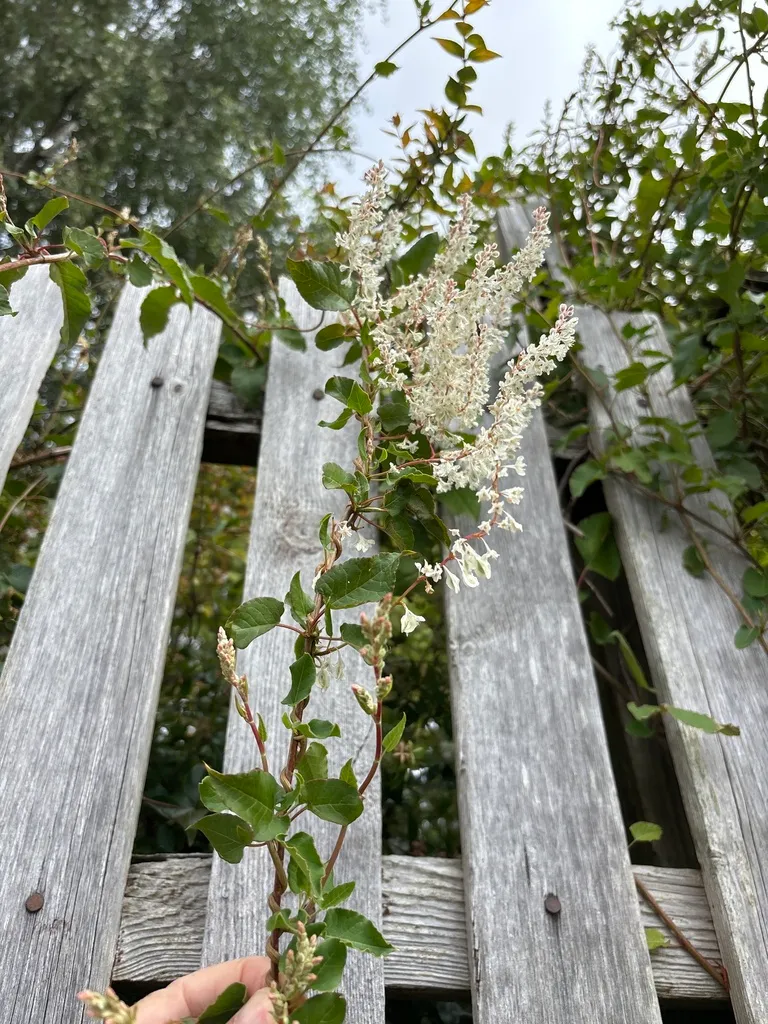
A vigorous, woody, twining deciduous climber, with heart shaped dark green leaves. In summer panicles of tiny pink-white flowers appear, followed by small pink fruits
Scientific classification
- Species
- Russian vine (Fallopia baldschuanica)
- Genus
- Fallopia
- Family
- Polygonaceae
- Information to be completed
- Toxicity
- Climber Wall Shrub
- Plant type
- 8-12 metres
- Height
- 4-8 metres
- Spread
- Deciduous
- Foliage
- Climbing
- Habit
- Spring · Summer · Autumn
- Season of interest
- Full sun · Partial shade
- Sunlight
- Information to be completed
- Ideal temperature









Russian vine pictures
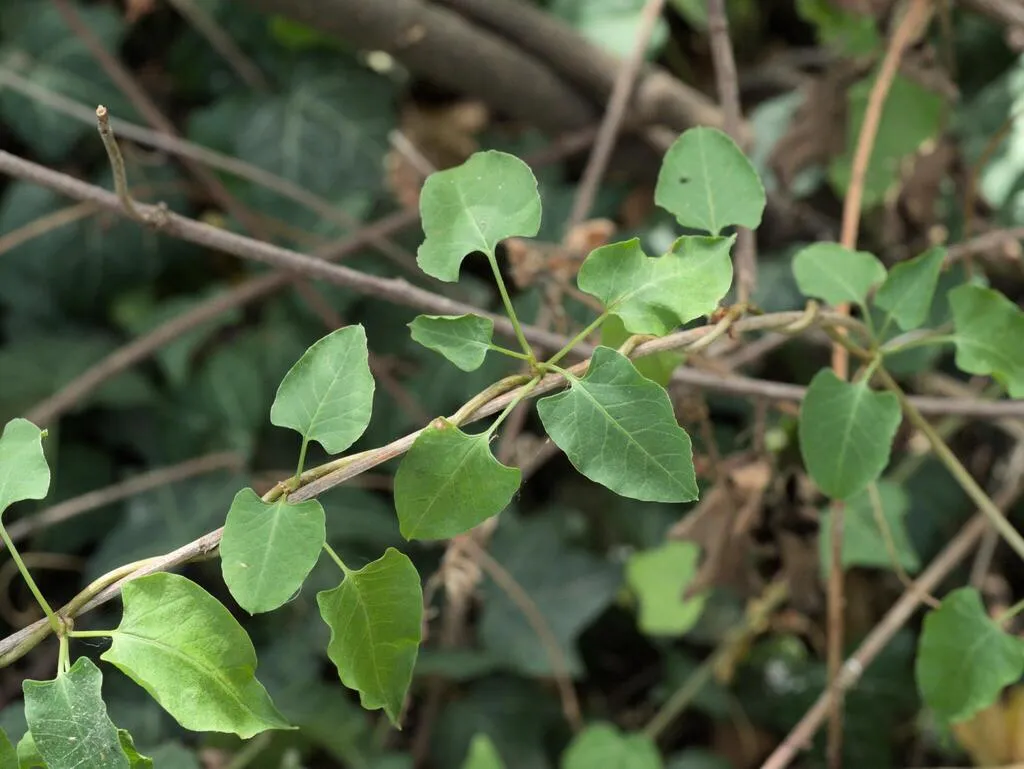
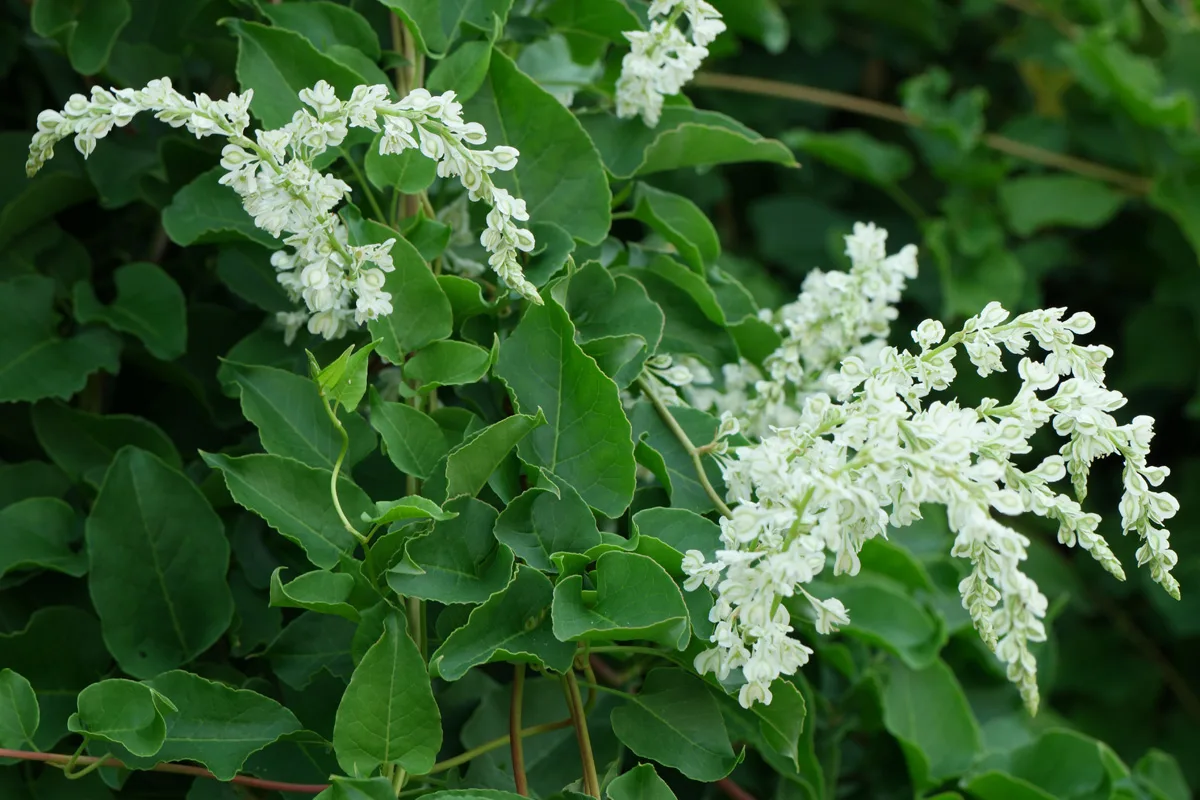
Distribution of Russian vine
Distribution map
Pakistan to Tadzhikistan
Information to be completed
Culture
Information to be completed
Toxicity
Information to be completed
Quick identification of Russian vine
Information to be completed
Russian vine care guide
- Moderate regular watering, allowing brief slight drying between soakings
- Watering
- Full sun · Partial shade
- Sunlight
- Information to be completed
- Ideal temperature

Watering
Moderate regular watering, allowing brief slight drying between soakings
Fertilizing
 Fertilizing
Balanced perennial feed every four weeks from spring through summer
Pruning
 Pruning
Routine pruning is unnecessary; shorten overlong shoots to fit the available space. For last-year flowering growth, prune after flowering; for current-year flowering growth, prune in late winter or spring. This guidance is for established plants.
Propagation
 Propagation
Propagate by seed sown containers and place in a cold frame in spring or as soon as seed is ripe. Take heeled semi-ripe cuttings in summer or hardwood cuttings in autumn.
Growing
 Growing
Grow in poor, moderately fertile moist, but well-drained soil in full sun or partial shade. Provide strong durable supports. Pruning is required to keep this very vigorous climber under control. Please see further advice on plants which have the potential to become a nuisance
People also ask
Information to be completed
Common pests and diseases
Diseases
Generally disease-free
Pests
May be susceptible to leaf minor
Explore the plant health library →




