
crimson bromeliad
Also known as: Information to be completed
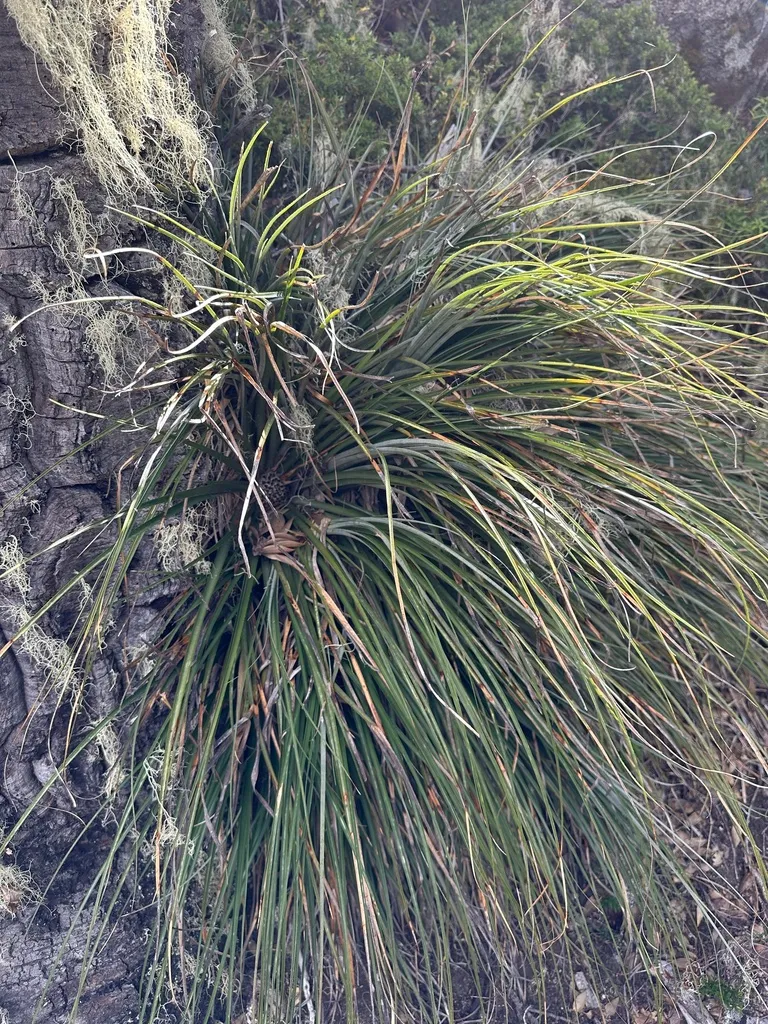
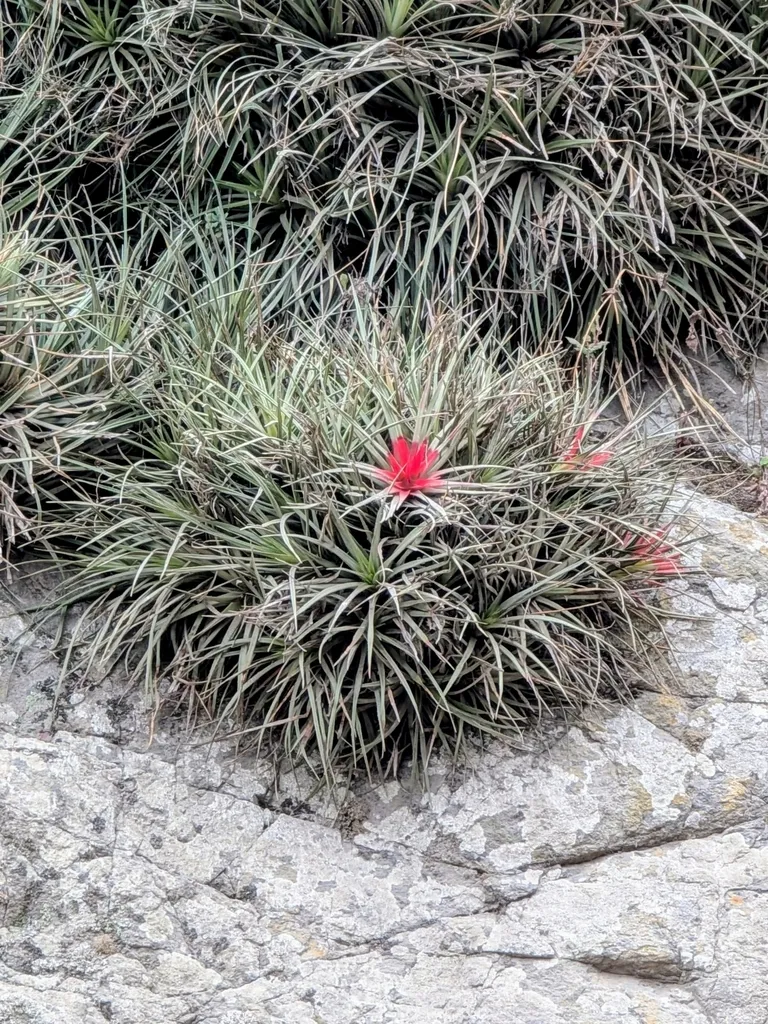
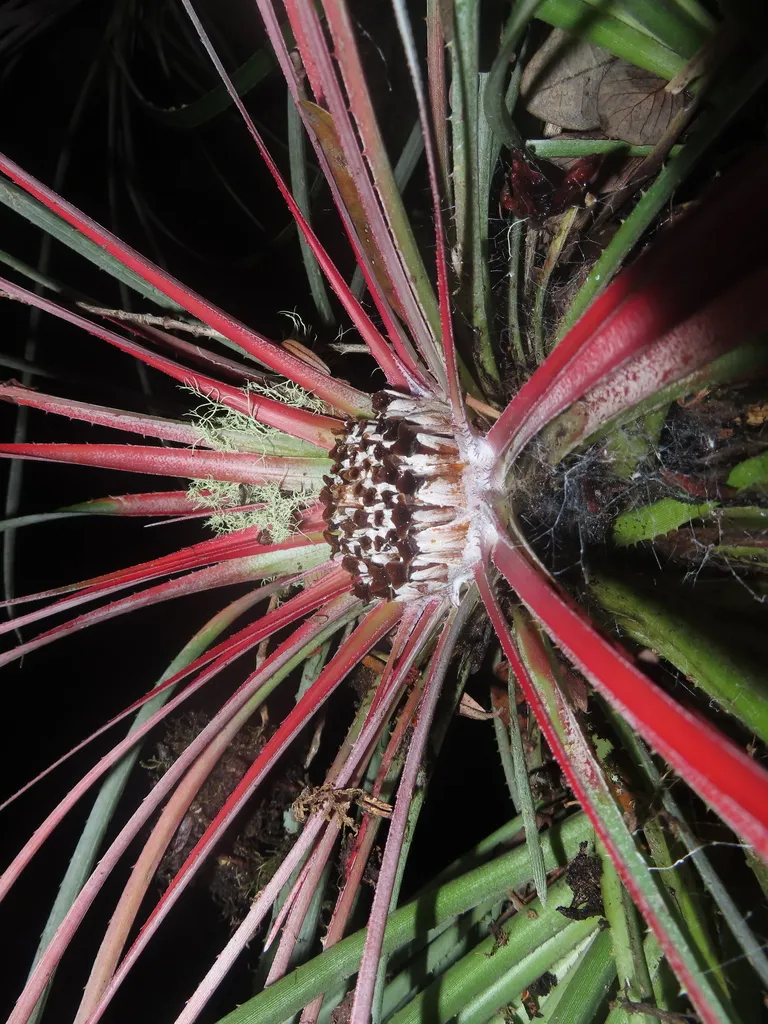
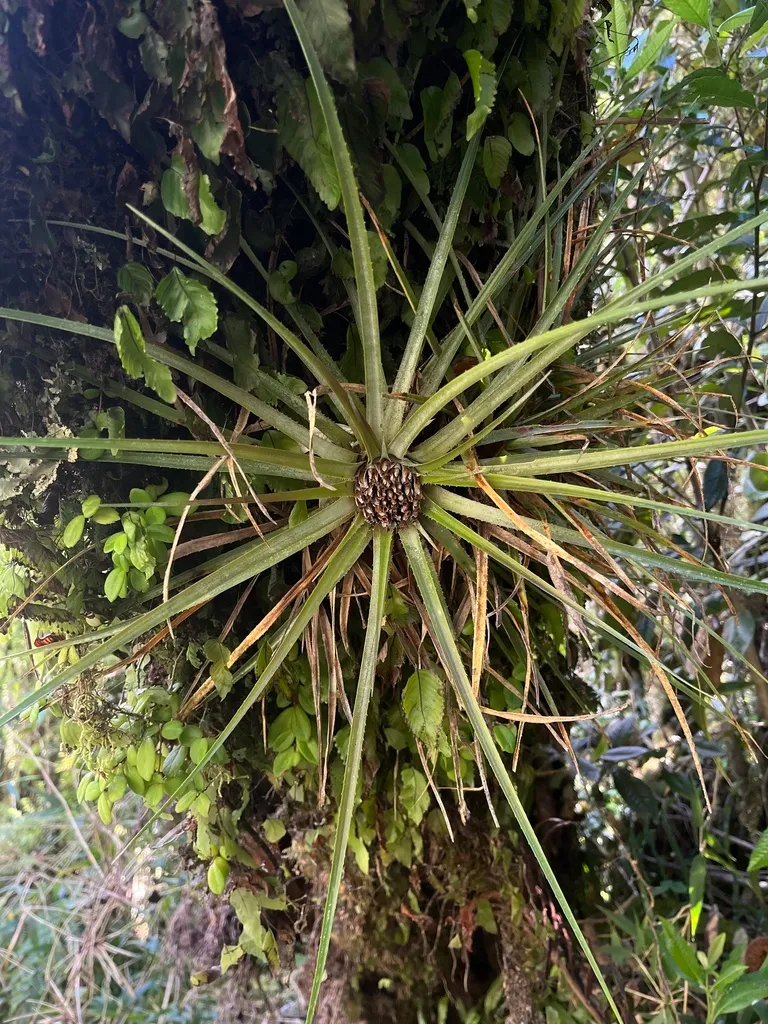
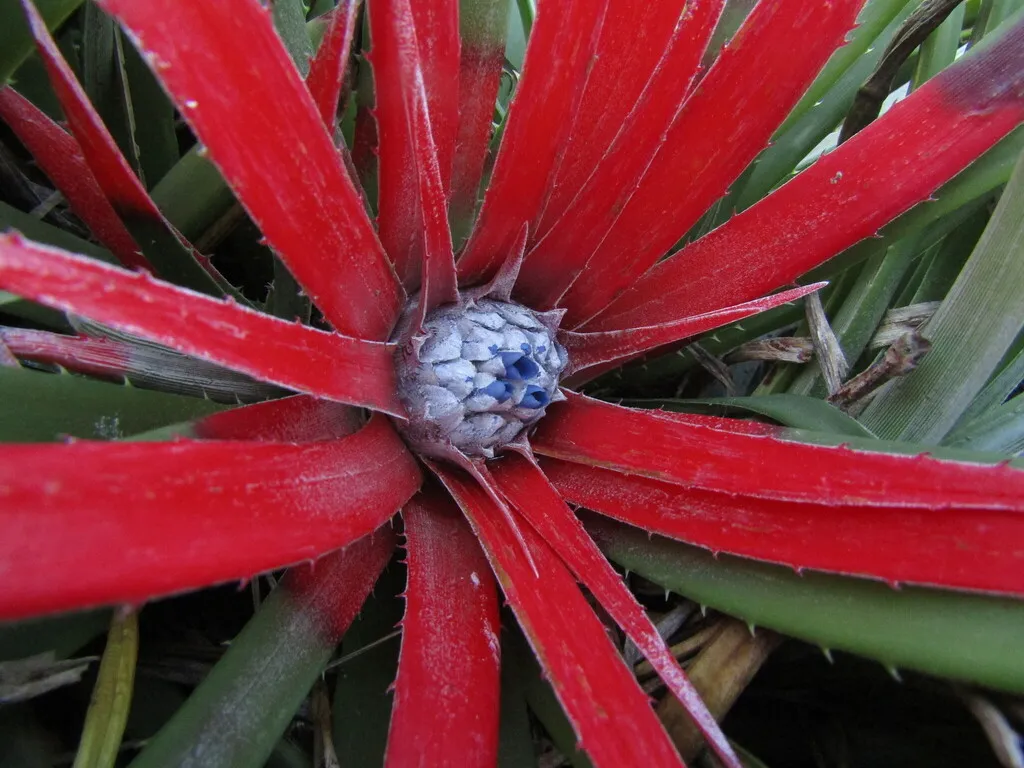
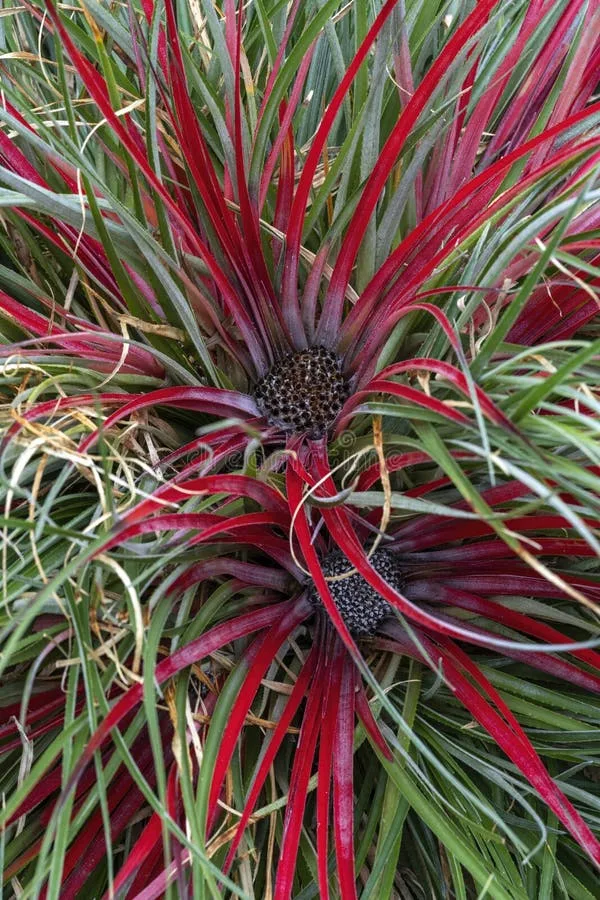
A rosette-forming, terrestrial bromeliad with slender, spiny-toothed, rigid, mid to dark-green, evergreen leaves up to 50cm long. In summer each mature rosette produces a dense central cluster of pale sky-blue flowers surrounded by ivory-white bracts. At this time, the innermost leaves of the rosette turn scarlet red
Scientific classification
- Species
- crimson bromeliad (Fascicularia bicolor)
- Genus
- Fascicularia
- Family
- Bromeliaceae
- Order
- Poales
- Class
- Liliopsida
- Phylum
- Tracheophyta
- Information to be completed
- Toxicity
- Herbaceous Perennial
- Plant type
- 0.1-0.5 metres
- Height
- 0.5-1 metres
- Spread
- Evergreen
- Foliage
- Tufted
- Habit
- Spring · Summer · Autumn · Winter
- Season of interest
- Full sun
- Sunlight
- Information to be completed
- Ideal temperature









crimson bromeliad pictures
Distribution of crimson bromeliad
Distribution map
- Native
- Introduced
- Cultivated
Source:WCVP v16 · Royal Botanic Gardens, Kew · CC BY 3.0 · Boundaries:WGSRPD / TDWG
crimson bromeliad care guide
- Moderate regular watering, allowing brief slight drying between soakings
- Watering
- Full sun
- Sunlight

Watering
Moderate regular watering, allowing brief slight drying between soakings
Fertilizing
 Fertilizing
Balanced perennial feed every four weeks from spring through summer
Pruning
 Pruning
No pruning required
Propagation
 Propagation
Propagate by offsets
Growing
 Growing
Grow outdoors in terrestrial bromeliad compost or sharply-draining, gritty, humus-rich soil, in a sheltered frost-free location. Protect from winter wet. Under glass grow in terrestrial bromeliad compost, full light and with good ventilation. During active growth water moderately and apply a high nitrogen-based fertiliser monthly. Water more sparingly during the winter
Common pests and diseases
Diseases
Generally disease free
Pests
Susceptible to aphids while flowering
Explore the plant health library →




