
kingfisher daisy
Also known as: blue daisy; blue marguerite; Cape aster; flower of happiness; happy flower
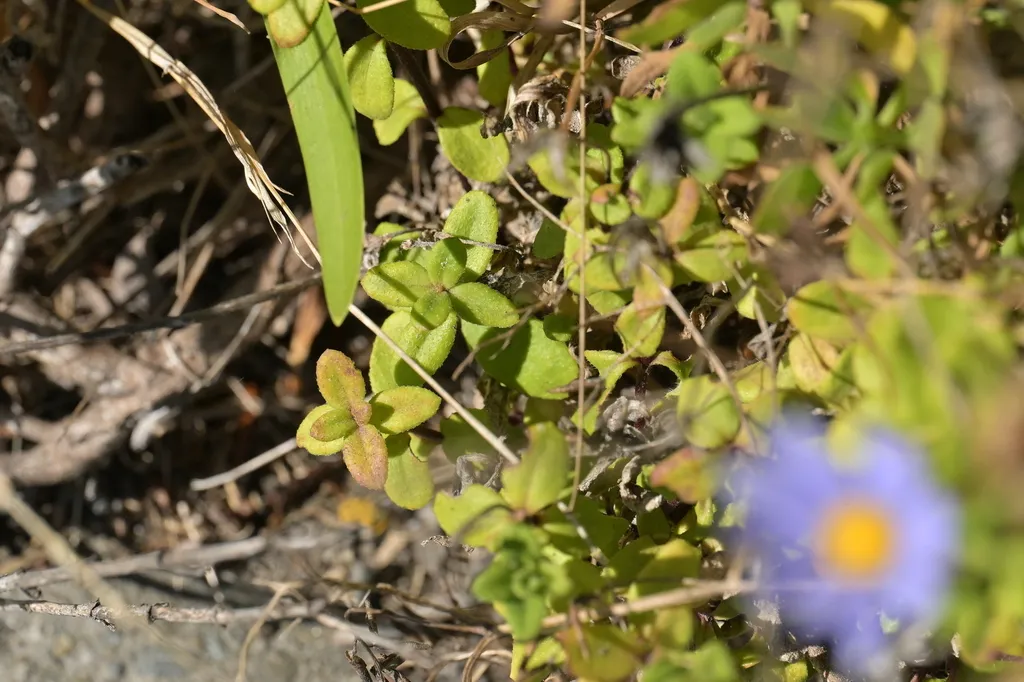
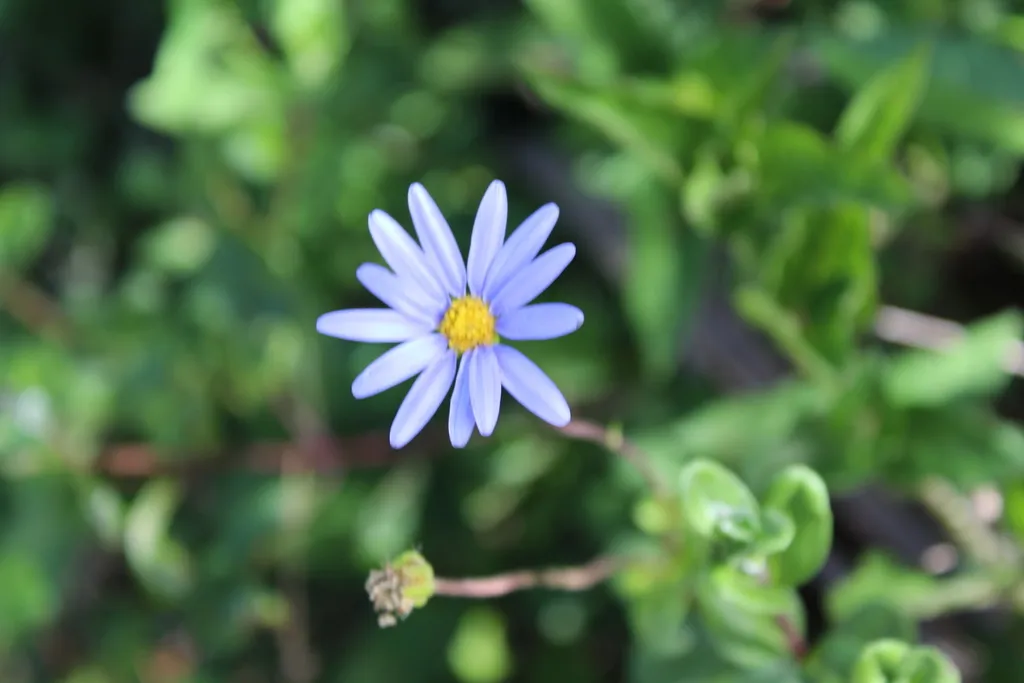
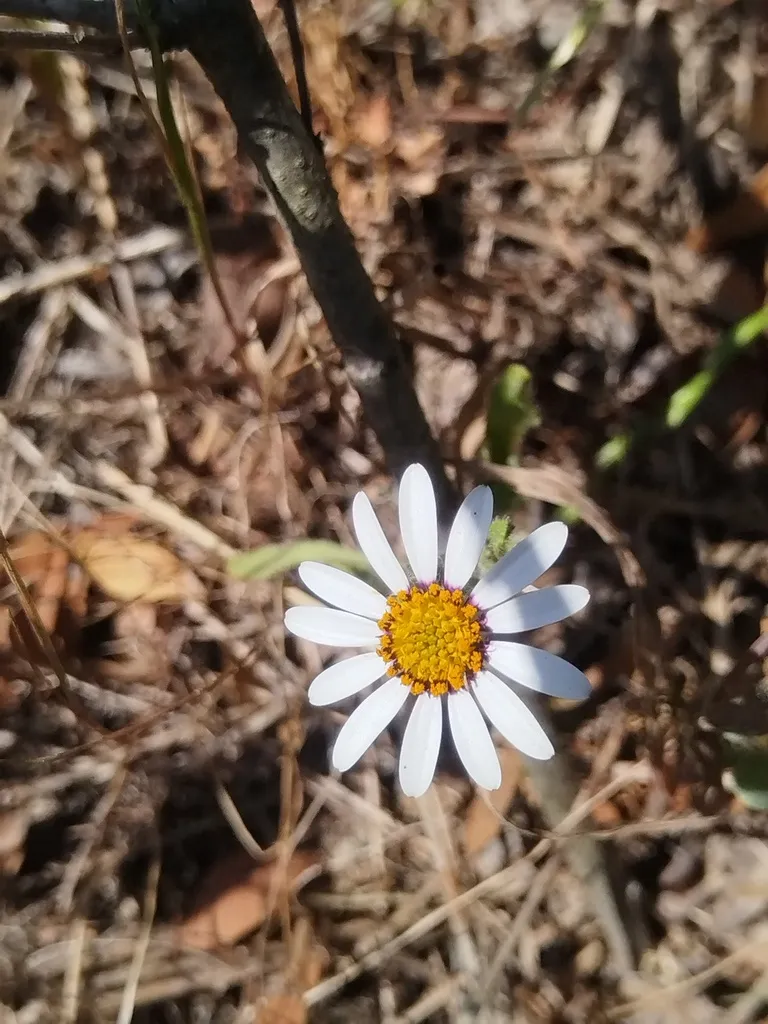
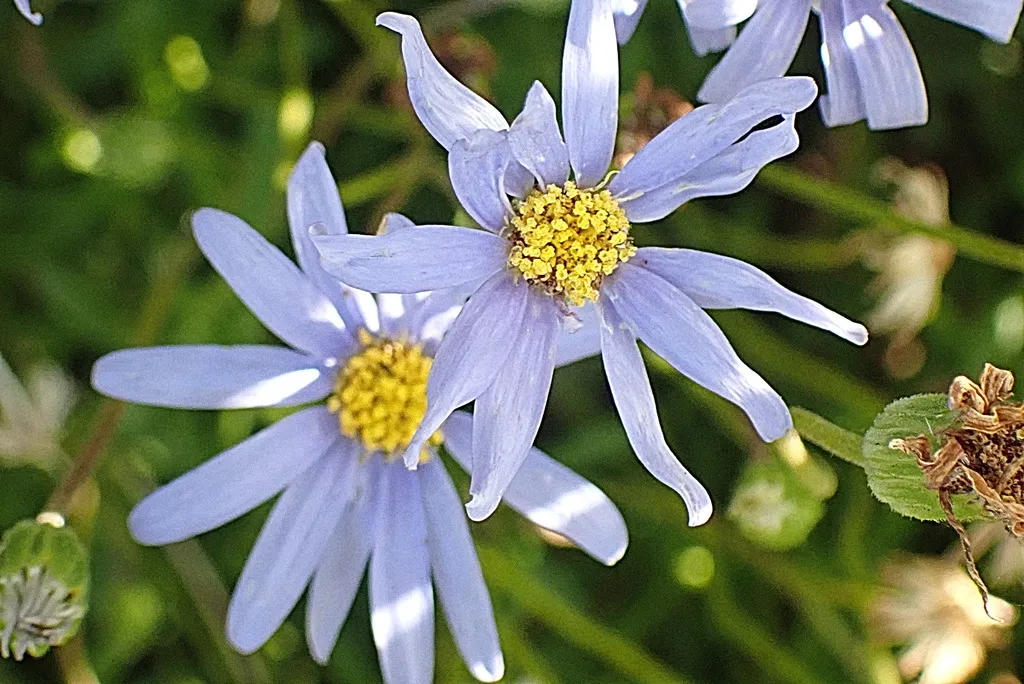
A bushy sub-shrub, to 60cm tall, that is often grown as a bedding plant. It has ovate, rough, hairy leaves, up to 3cm long, and in summer and autumn, small, daisy-like flowers with bright yellow centres surrounded by sky-blue ray florets are borne on leafless stems
Scientific classification
- Species
- kingfisher daisy (Felicia amelloides)
- Genus
- Felicia
- Family
- Asteraceae
- Order
- Asterales
- Class
- Magnoliopsida
- Phylum
- Tracheophyta
- Information to be completed
- Toxicity
- Bedding
- Plant type
- 0.5-1 metres
- Height
- 0.1-0.5 metres
- Spread
- Deciduous
- Foliage
- Bushy
- Habit
- Spring · Summer · Autumn
- Season of interest
- Full sun
- Sunlight
- Information to be completed
- Ideal temperature









kingfisher daisy pictures
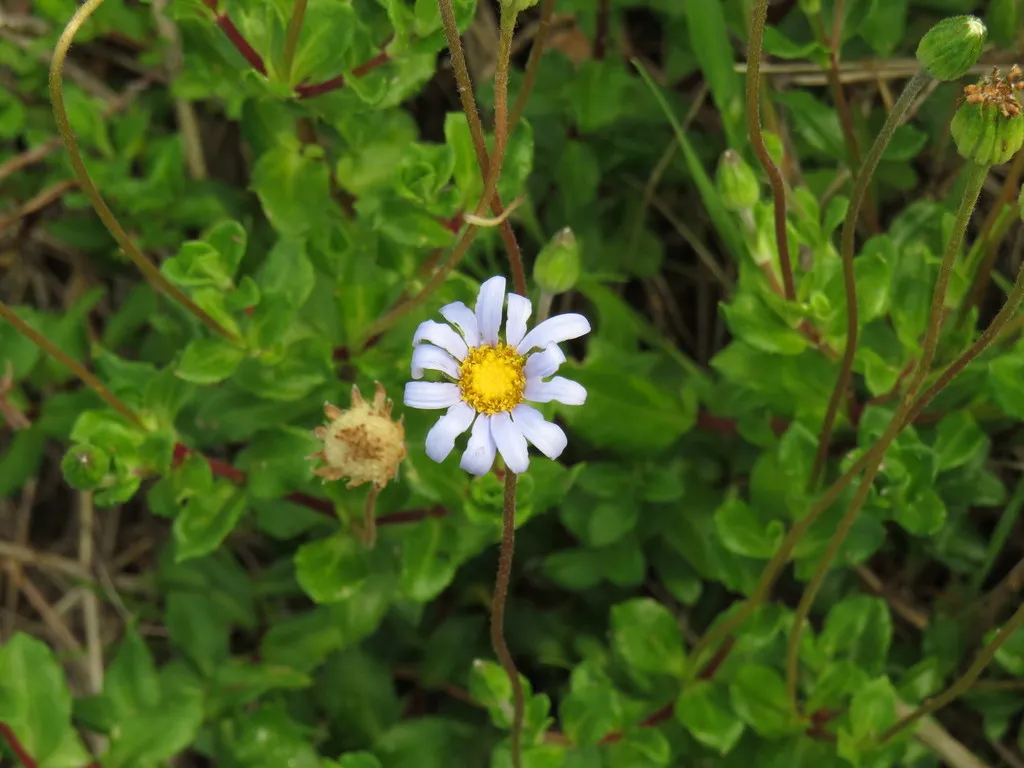
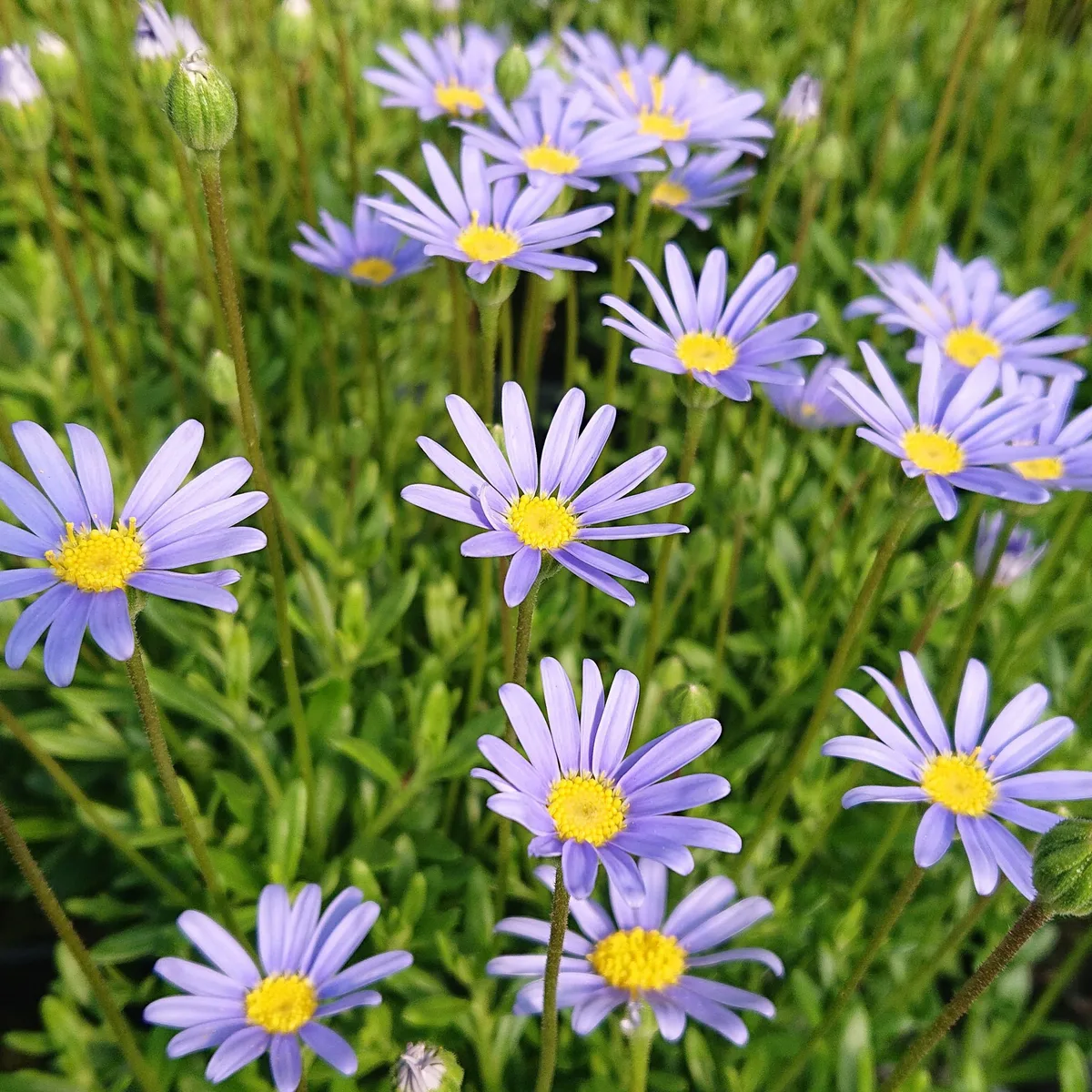
Distribution of kingfisher daisy
Distribution map
- Native
- Introduced
- Cultivated
Source:WCVP v16 · Royal Botanic Gardens, Kew · CC BY 3.0 · Boundaries:WGSRPD / TDWG
kingfisher daisy care guide
- Moderate regular watering, allowing brief slight drying between soakings
- Watering
- Full sun
- Sunlight

Watering
Moderate regular watering, allowing brief slight drying between soakings
Fertilizing
 Fertilizing
Balanced perennial feed every four weeks from spring through summer
Pruning
 Pruning
Pinch back young shoots to encourage bushiness, remove spent flowers to prolong flowering
Propagation
 Propagation
Propagate by seed or stem-tip softwood cuttings
Growing
 Growing
Drought-resistant; grow in poor to moderately fertile well-drained soil in full sun. Under glass grow in loam-based potting compost (JI No2) in full light with low humidity and good ventilation. Water sparingly in winter
Common pests and diseases
Diseases
Generally disease-free
Pests
May be susceptible to aphids and glasshouse red spider mite under glass
Explore the plant health library →




