
okra
Also known as: okra; lady finger; gumbo
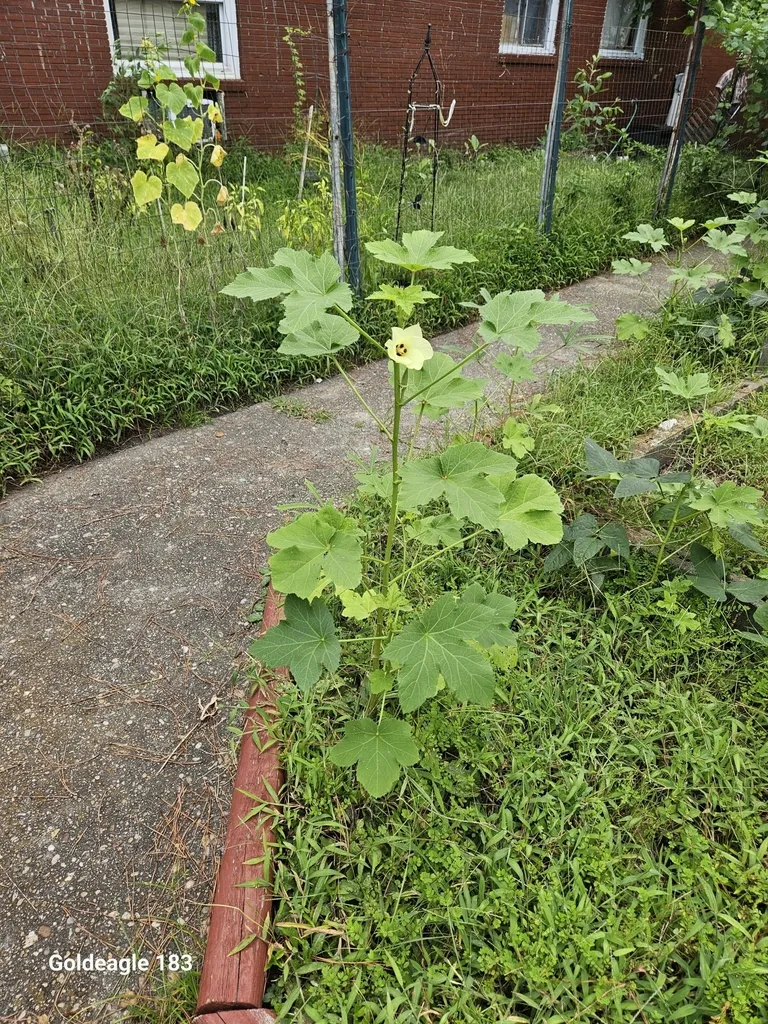
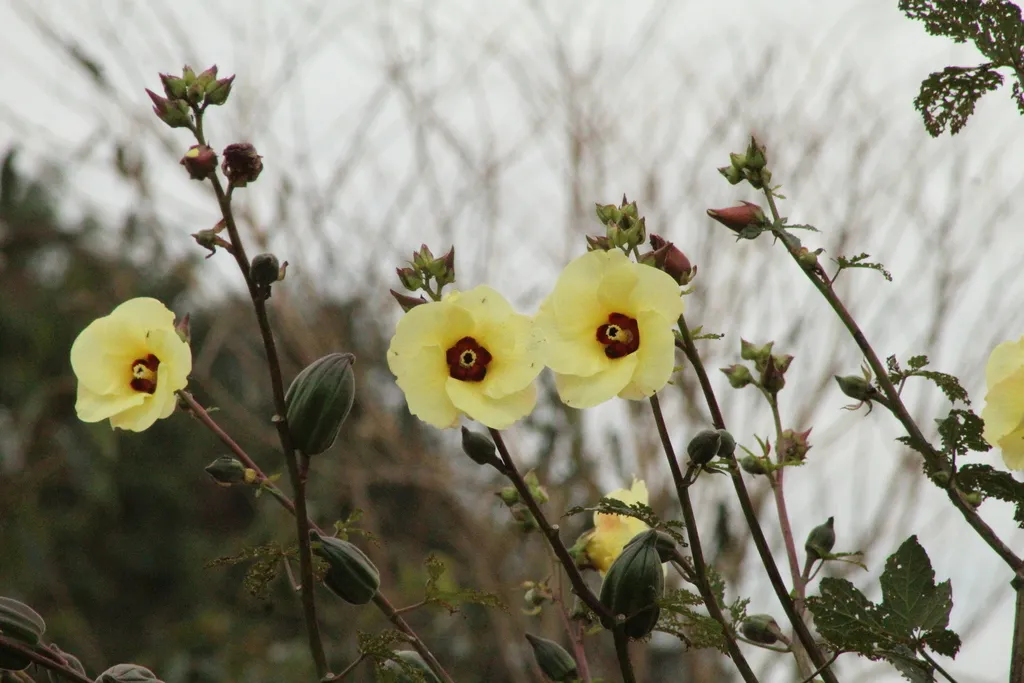
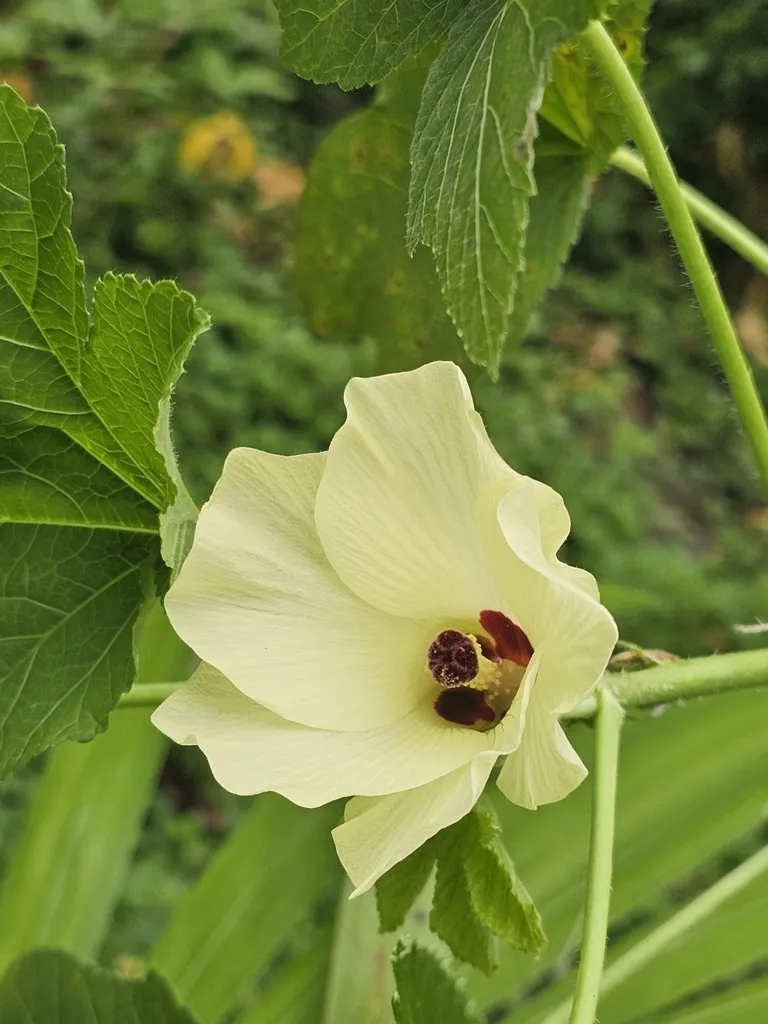
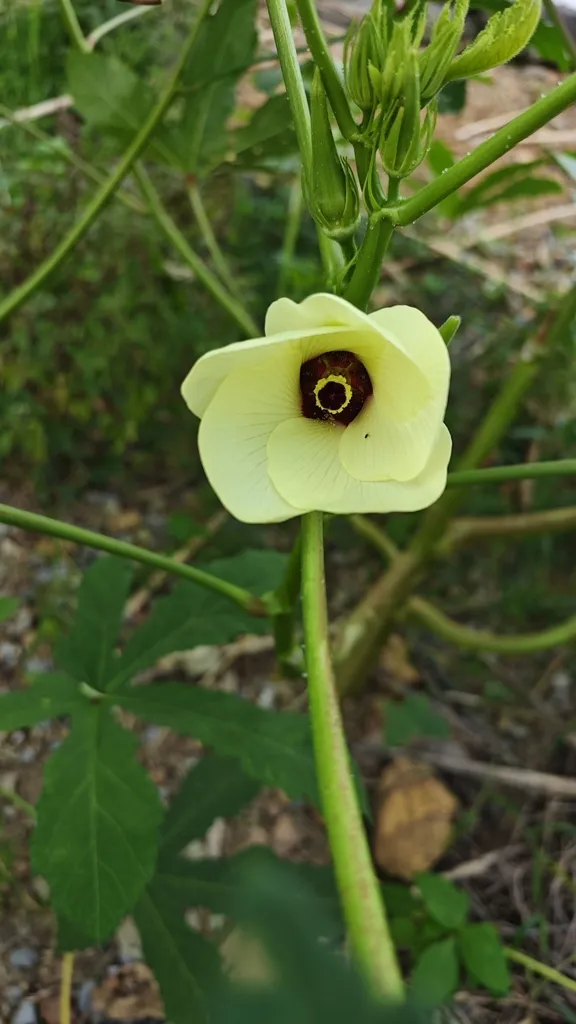
A deciduous perennial from tropical regions that is grown as an annual in temperate climates. It has hairy leaves deeply cut into 5-7 lobes and hibiscus-like pale yellow flowers to around 7cm wide with dark centres borne in summer and followed by edible, green seed pods
Scientific classification
- Species
- okra (Abelmoschus esculentus)
- Genus
- Abelmoschus
- Family
- Malvaceae
- Information to be completed
- Toxicity
- Annual Biennial · Herbaceous Perennial · Herbs - Culinary
- Plant type
- 1-1.5 metres
- Height
- 1-1.5 metres
- Spread
- Deciduous
- Foliage
- Bushy
- Habit
- Spring · Summer · Autumn
- Season of interest
- Full sun
- Sunlight
- Information to be completed
- Ideal temperature









okra pictures
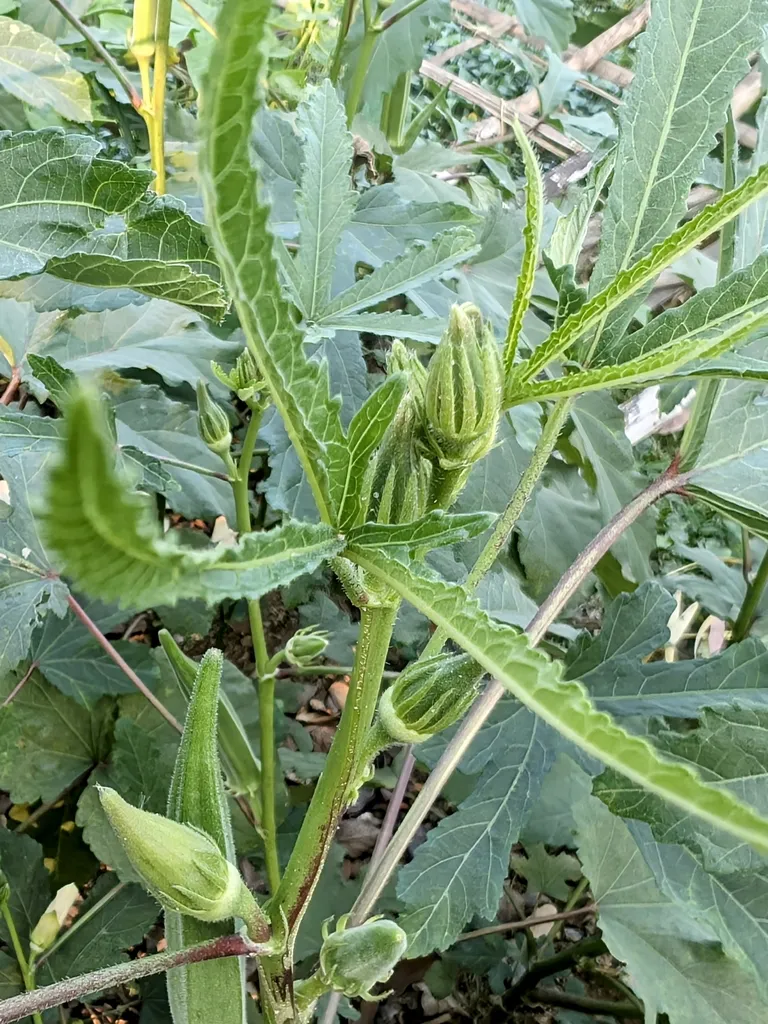
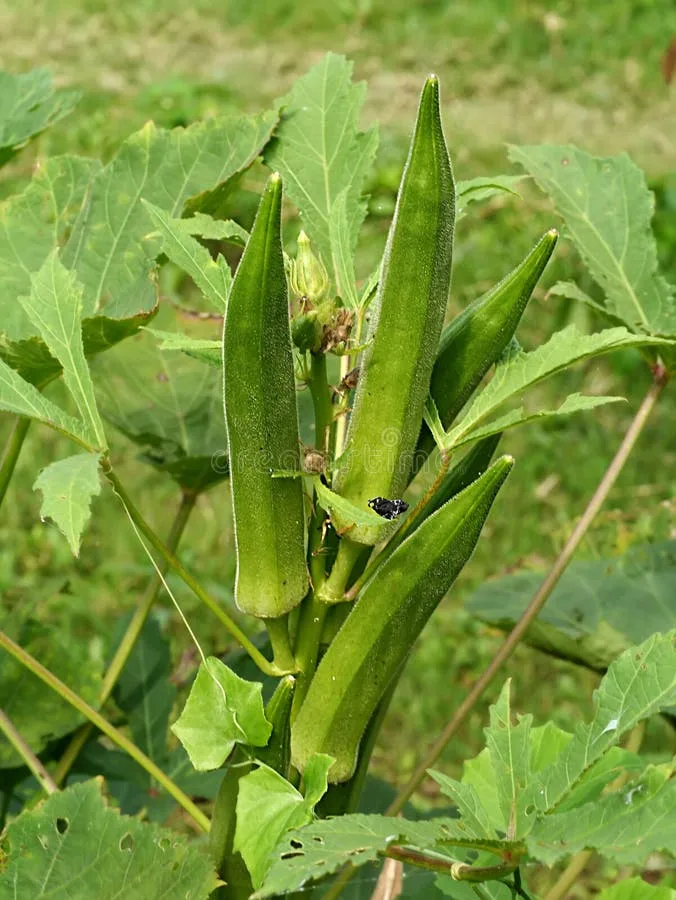
Distribution of okra
Distribution map
Information to be completed
Information to be completed
Culture
Information to be completed
Toxicity
Information to be completed
Quick identification of okra
Information to be completed
okra care guide
- Regular moderate watering, drain excess water to prevent root rot
- Watering
- Full sun
- Sunlight
- Information to be completed
- Ideal temperature

Watering
Regular moderate watering, drain excess water to prevent root rot
Fertilizing
 Fertilizing
Balanced vegetable liquid feed biweekly spring through summer
Pruning
 Pruning
No pruning required
Propagation
 Propagation
Propagate by seed. See sowing vegetable seeds
Growing
 Growing
Best grown under glass or in a polytunnel but can be planted outside in a warm, sunny, sheltered position in a container or in the ground when soil temperature has risen to 15°C. See okra cultivation for further advice
People also ask
Information to be completed
Common pests and diseases
Diseases
May be susceptible to powdery mildews
Pests
May be susceptible to slugs, snails, glasshouse red spider mite and glasshouse whitefly
Explore the plant health library →




