
mistletoe fig
Also known as: mistletoe rubber plant
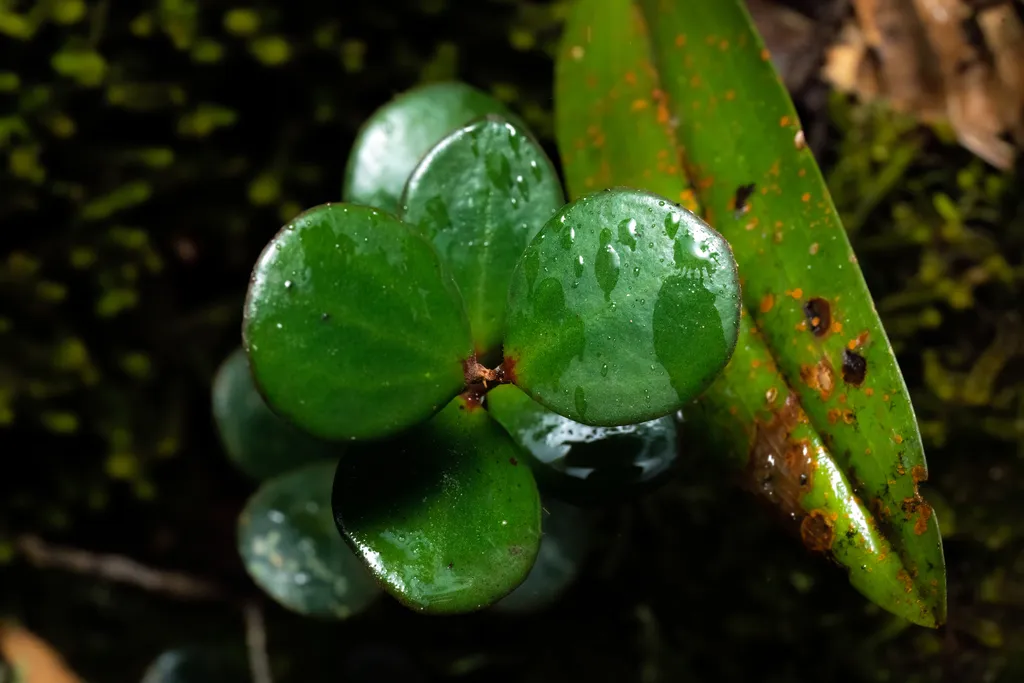
An evergreen shrub to 5m or more, with broadly obovate, glossy rich green leaves to 8cm, ochre or rusty-brown beneath. Young plants have narrowly lance-shaped leaves; fruits small, dull orange or red
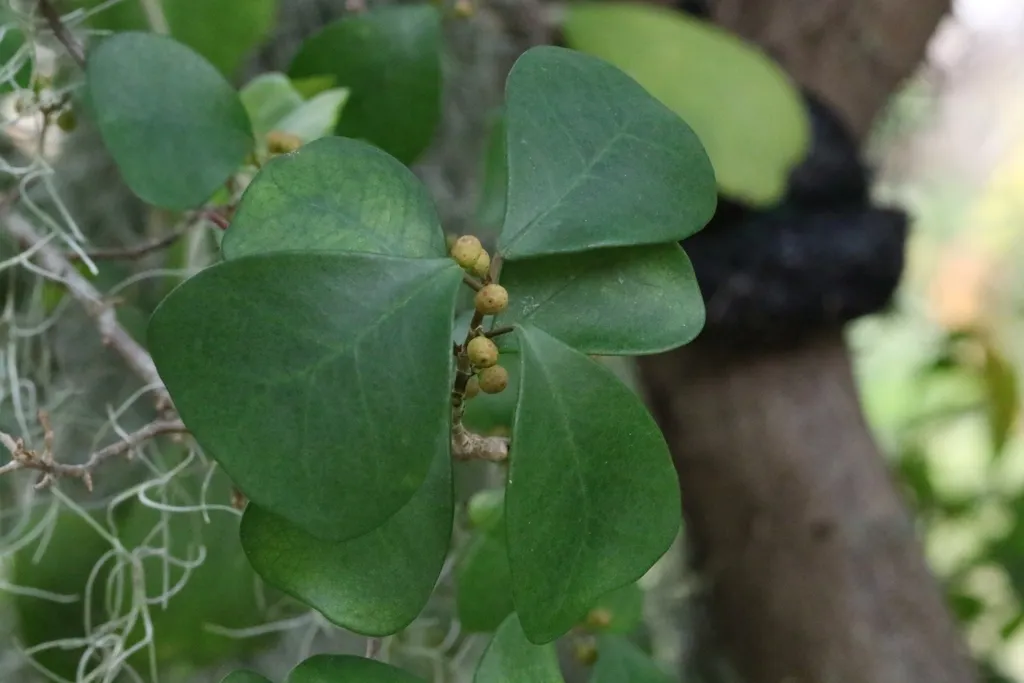
Scientific classification
- Species
- mistletoe fig (Ficus deltoidea)
- Genus
- Ficus
- Family
- Moraceae
- Skin allergen. Wear gloves and other protective equipment when handling
- Toxicity
- Conservatory Greenhouse · Shrubs
- Plant type
- 4-8 metres
- Height
- 1.5-2.5 metres
- Spread
- Evergreen
- Foliage
- Bushy
- Habit
- Spring · Summer · Autumn · Winter
- Season of interest
- Full sun
- Sunlight
- Information to be completed
- Ideal temperature









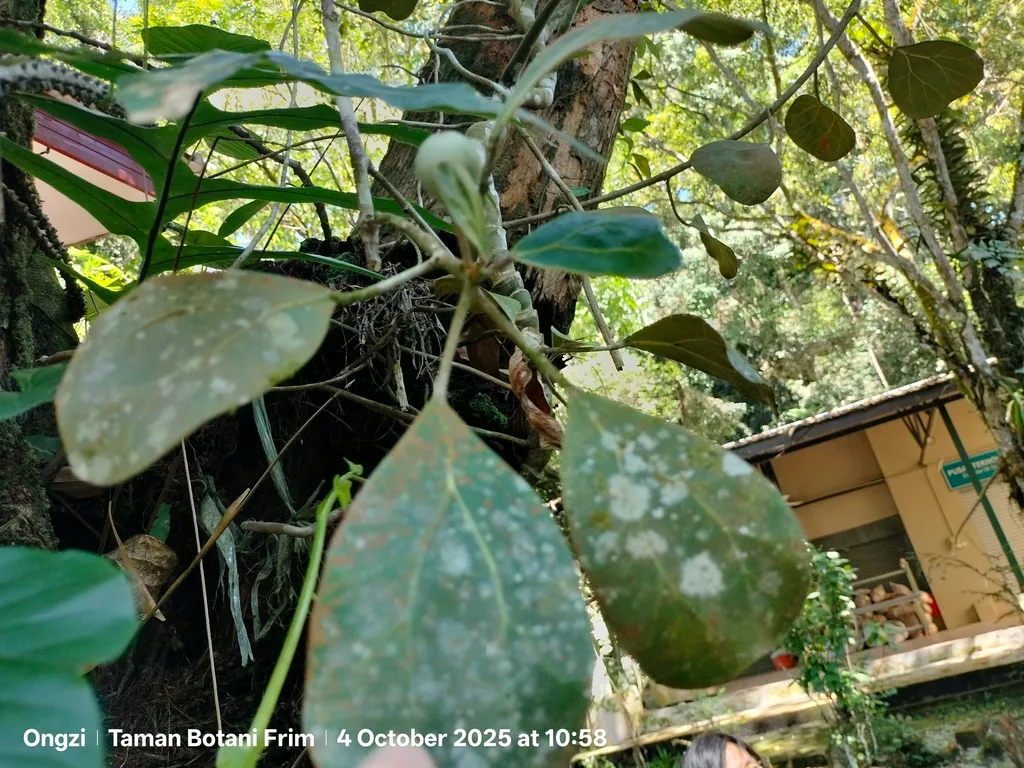
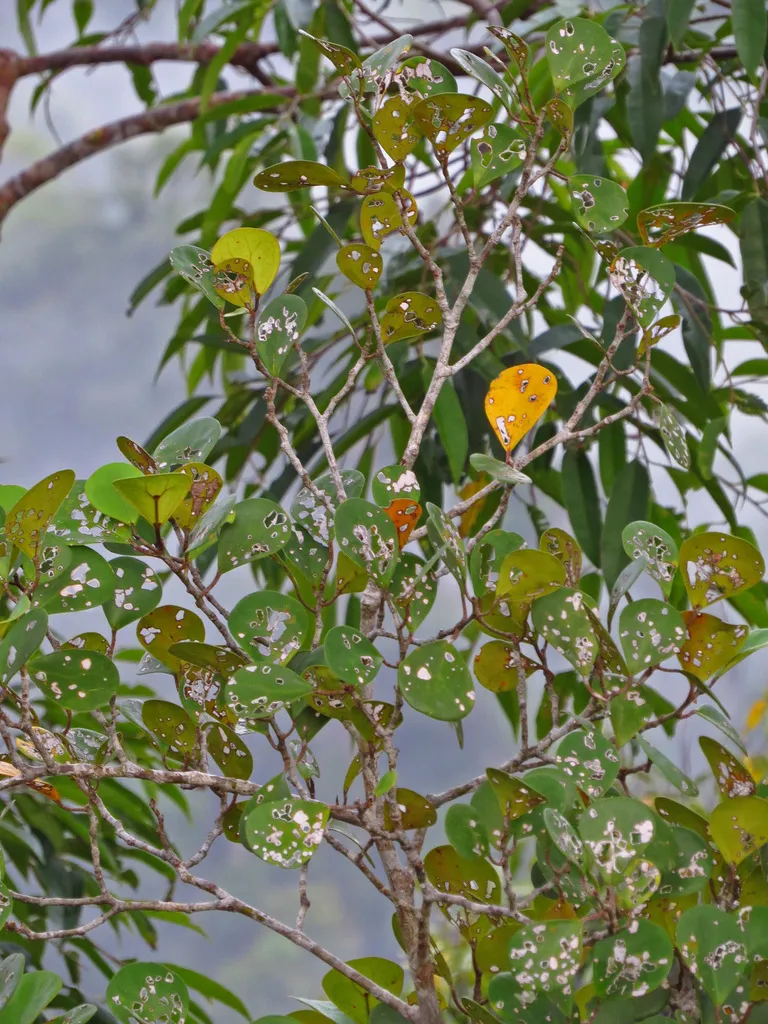
mistletoe fig pictures
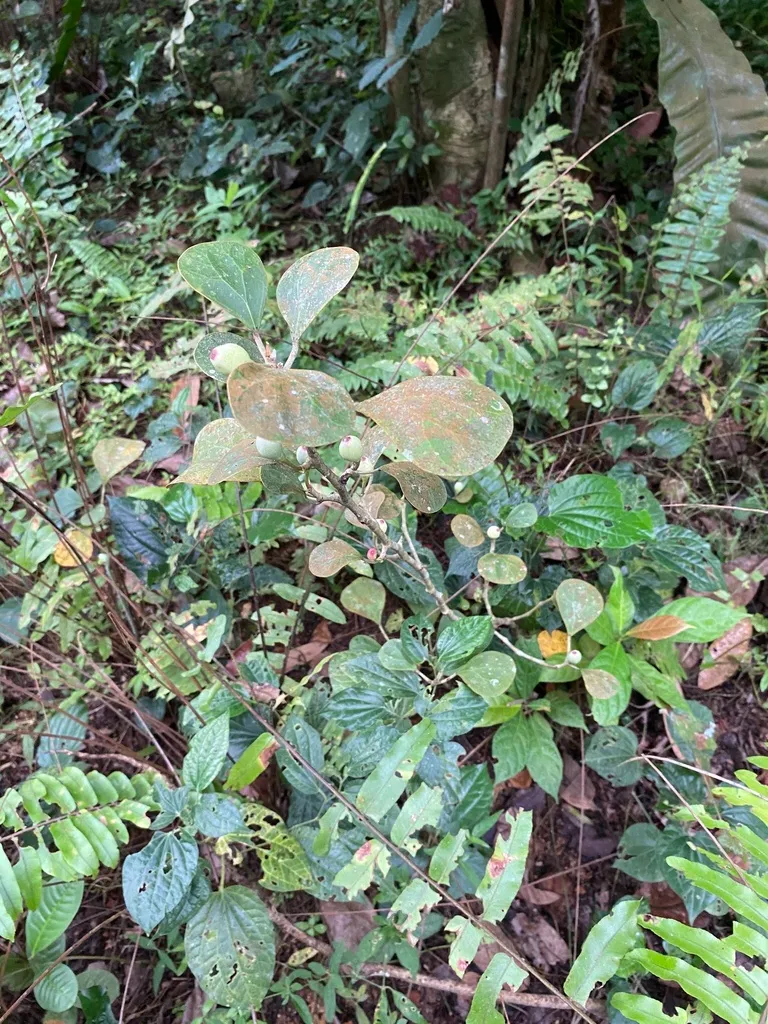
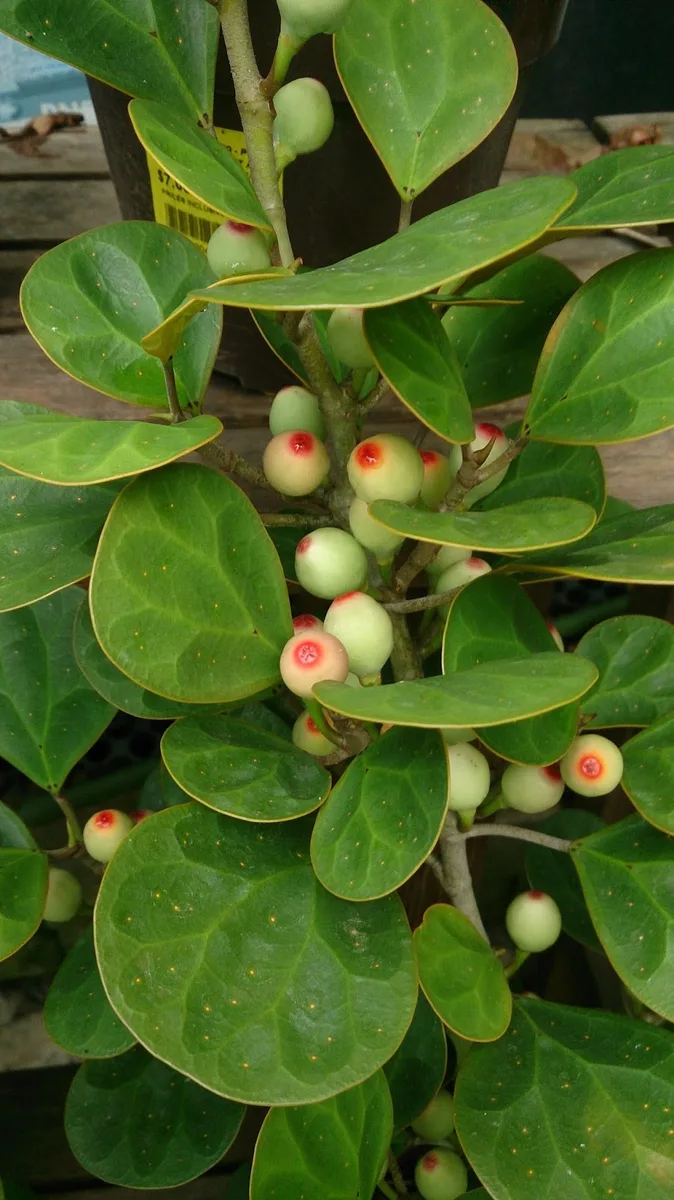
Distribution of mistletoe fig
Distribution map
Southern Eastern Asia
Information to be completed
Culture
Information to be completed
Toxicity
Skin allergen. Wear gloves and other protective equipment when handling
Quick identification of mistletoe fig
Information to be completed
mistletoe fig care guide
- Water when upper compost dries, never keep soggy
- Watering
- Full sun
- Sunlight
- Information to be completed
- Ideal temperature

Watering
Water when upper compost dries, never keep soggy
Fertilizing
 Fertilizing
Balanced feed every few weeks in warm growing season
Pruning
 Pruning
Little pruning is needed. Remove diseased, damaged, crowded or crossing shoots and unwanted growth. Timing depends on the plant: generally late winter or early spring; plants prone to bleeding and deciduous magnolias need different timing, and deciduous azaleas and lilacs are pruned after flowering.
Propagation
 Propagation
Propagate by seed, leaf-bud or semi-hardwood cuttings
Growing
 Growing
Grow outdoors in humus-rich moist but well-drained soil in full sun or partial shade with protection from wind in a frost-free area. Grow under glass in loam-based compost in full or filtered light
People also ask
Information to be completed
Common pests and diseases
Diseases
May be susceptible to honey fungus
Pests
May be susceptible to glasshouse red spider mite, thrips, mealybugs and scale insects under glass
Explore the plant health library →




