
delphinium 'Mrs Newton Lees'
Also known as: Information to be completed
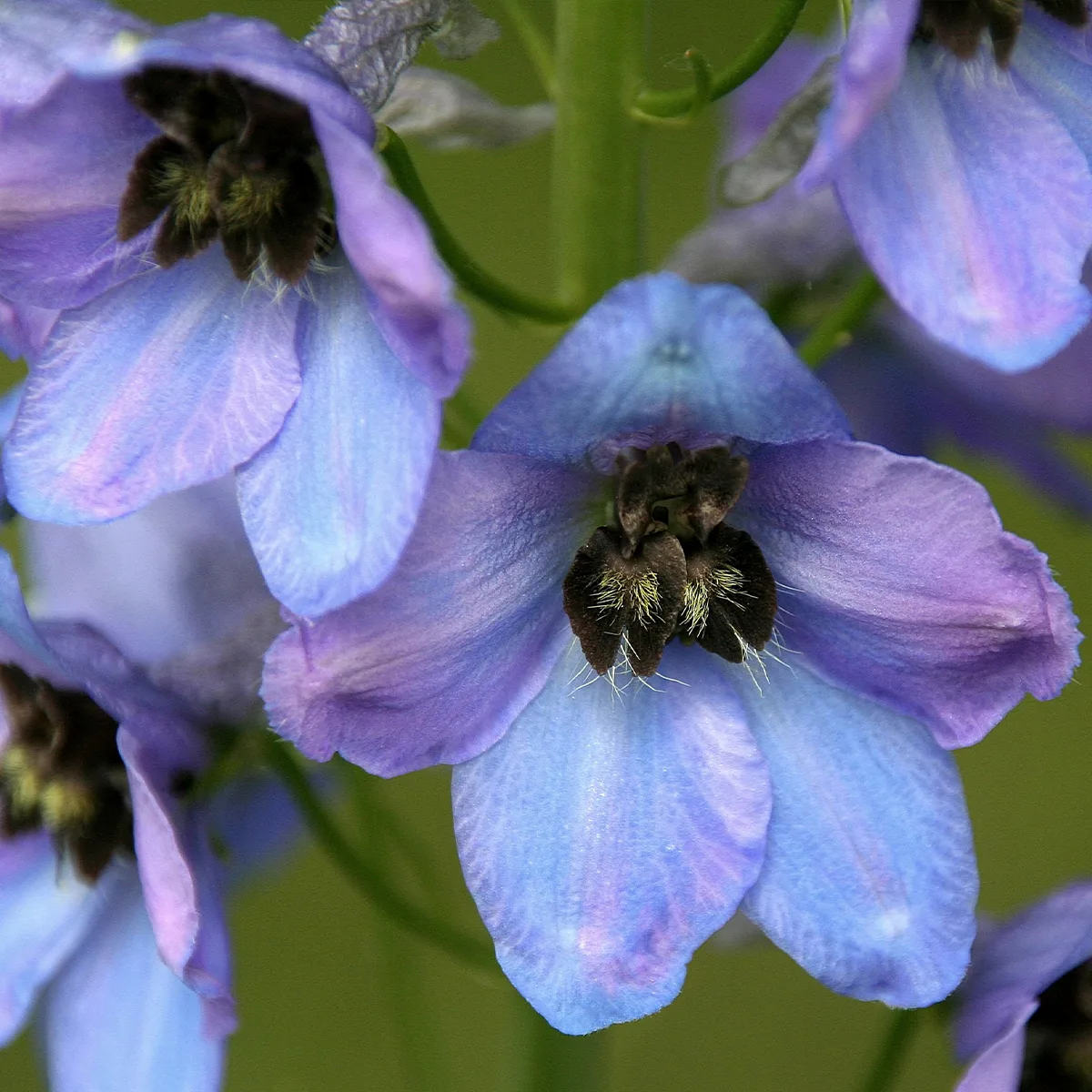
A deciduous, herbaceous perennial that reaches approximately 1.5m in height when in flower. It forms an even mound of fresh to dark green, incised leaves and flower stems of lilac blue flowers with a black centre, in summer
Scientific classification
- Species
- delphinium 'Mrs Newton Lees' (Delphinium 'Mrs Newton Lees')
- Genus
- Delphinium
- Family
- Ranunculaceae
- Order
- Ranunculales
- Class
- Magnoliopsida
- Phylum
- Magnoliophyta
- Harmful if eaten. Wear gloves and other protective equipment when handling
- Toxicity
- Herbaceous Perennial
- Plant type
- 1.5-2.5 metres
- Height
- 0.5-1 metres
- Spread
- Deciduous
- Foliage
- Columnar upright · Clump forming
- Habit
- Spring · Summer · Autumn
- Season of interest
- Full sun
- Sunlight
- Information to be completed
- Ideal temperature









delphinium 'Mrs Newton Lees' pictures
Toxicity
Harmful if eaten. Wear gloves and other protective equipment when handling
delphinium 'Mrs Newton Lees' care guide
- Moderate regular watering, avoid prolonged drought and stagnant waterlogging
- Watering
- Full sun
- Sunlight

Watering
Moderate regular watering, avoid prolonged drought and stagnant waterlogging
Fertilizing
 Fertilizing
Balanced perennial feed every four weeks spring through summer growth
Pruning
 Pruning
Deadhead spent flower spikes back to fresh flowering side shoots and cut back to ground level in late autumn.
Propagation
 Propagation
Propagate by division or by basal softwood cuttings in spring
Growing
 Growing
Grow in fertile, well-drained soil in full sun. Shelter from strong winds and provide support (see staking: perennials). Divide every 2-5 years to maintain vigour. See staking: perennials and delphinium cultivation for further advice
Common pests and diseases
Diseases
May be susceptible to Powdery mildews, delphinium black blotch, crown rot and viruses
Pests
May be susceptible to aphids, earwigs, delphinium leaf miner, delphinium moth caterpillars, slugs, snails and caterpillars
Explore the plant health library →




