
Lavandula dentata var. candicans
Also known as: Information to be completed
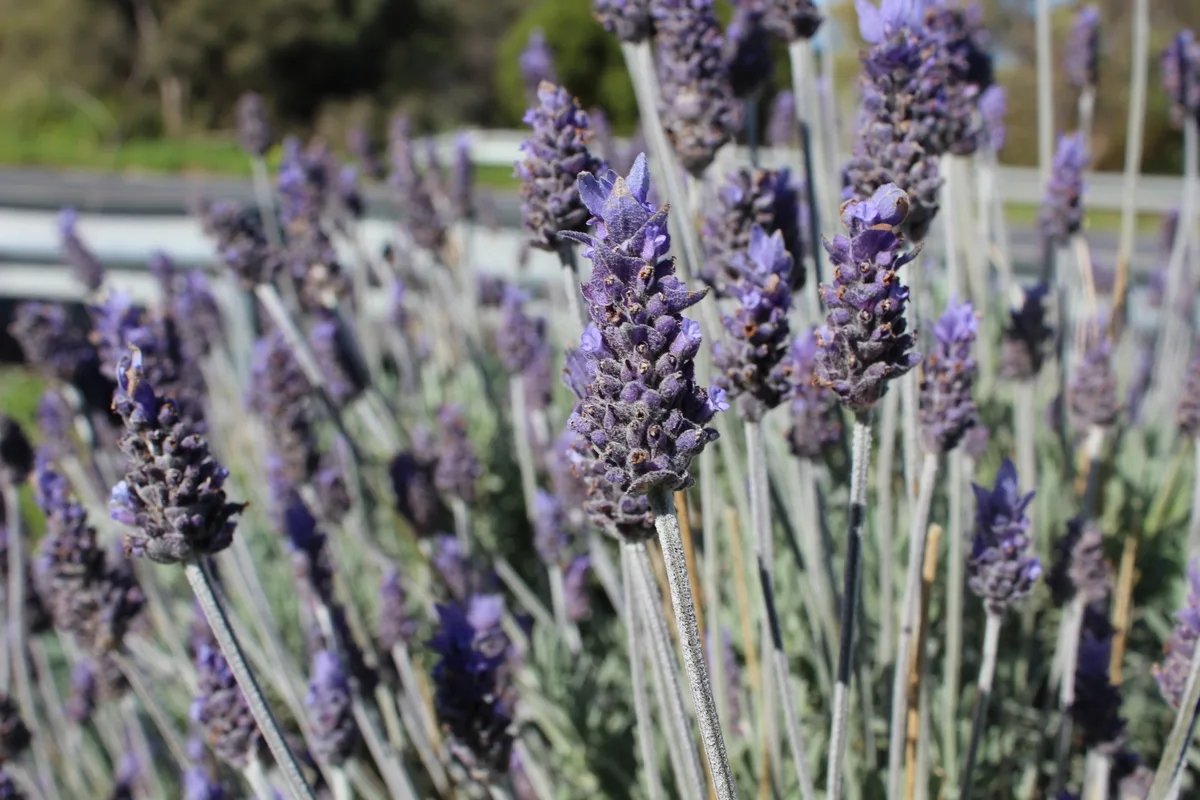
A half-hardy evergreen shrub, with a bushy, spreading habit and silvery grey-green leaves with finely lobed margins. Short spikes of fragrant, pale purple flowers are borne on slender stems in summer
Scientific classification
- Species
- Lavandula dentata var. candicans (Lavandula dentata var. candicans)
- Genus
- Lavandula
- Family
- Lamiaceae
- Order
- Lamiales
- Class
- Magnoliopsida
- Phylum
- Magnoliophyta
- Information to be completed
- Toxicity
- Shrubs
- Plant type
- 0.5-1 metres
- Height
- 0.5-1 metres
- Spread
- Evergreen
- Foliage
- Bushy
- Habit
- Spring · Summer · Autumn · Winter
- Season of interest
- Full sun
- Sunlight
- Information to be completed
- Ideal temperature









Lavandula dentata var. candicans pictures
Distribution of Lavandula dentata var. candicans
Distribution map
- Native
- Introduced
- Cultivated
Source:WCVP v16 · Royal Botanic Gardens, Kew · CC BY 3.0 · Boundaries:WGSRPD / TDWG
Lavandula dentata var. candicans care guide
- Moderate regular watering, avoid prolonged drought and stagnant waterlogging
- Watering
- Full sun
- Sunlight

Watering
Moderate regular watering, avoid prolonged drought and stagnant waterlogging
Fertilizing
 Fertilizing
Balanced perennial feed every four weeks spring through summer growth
Pruning
 Pruning
Shorten flowered shoots to about 1.5–2.5 cm from the previous year's growth. If flowering is on last year's growth, prune after flowering; if on current-year growth, prune the following early to mid-spring.
Propagation
 Propagation
Propagate by semi-hardwood cuttings in summer
Growing
 Growing
Thrives in well-drained, ideally slightly alkaline soil; will not tolerate waterlogging. In warmer regions, may be planted out in a sunny, sheltered position with winter protection. In areas prone to frost, grow in containers and overwinter in a greenhouse or conservatory. See lavender cultivation for more advice
Common pests and diseases
Diseases
May be susceptible to grey moulds (Botrytis) and honey fungus (rarely)
Pests
May be susceptible to rosemary beetle and cuckoo spit (froghoppers)
Explore the plant health library →




