
needle palm
Also known as: blue palmetto; porcupine palm
A bushy, slow-growing palm, with several stems coming from the single stem, to a height of usually no more than 1.5m with glossy, fan-shaped leaves that are deep green and silvery grey beneath. The stems are very spiny, with spines up to 25cm in length. The sporadically produced flowers are purplish-brown and hidden by spines, followed by roundish, red to brown seeds on hermaphrodite and female plants
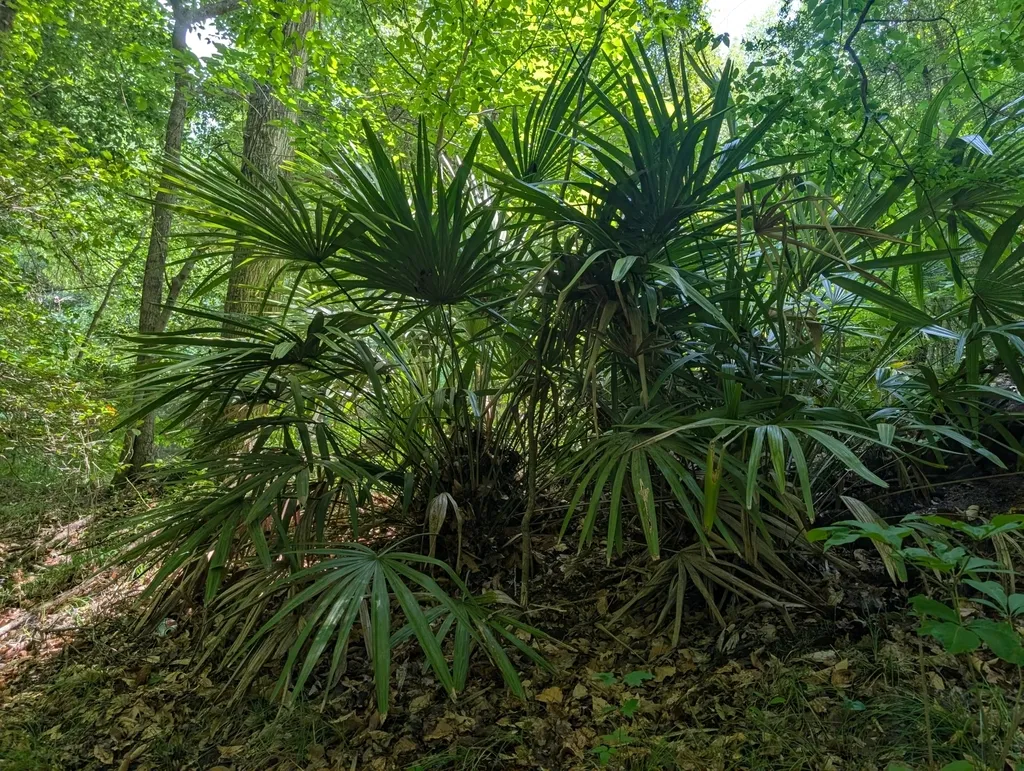
Scientific classification
- Species
- needle palm (Rhapidophyllum hystrix)
- Genus
- Rhapidophyllum
- Family
- Arecaceae
- Information to be completed
- Toxicity
- Palms
- Plant type
- 1-1.5 metres
- Height
- 1-1.5 metres
- Spread
- Evergreen
- Foliage
- Clump forming
- Habit
- Spring · Summer · Autumn · Winter
- Season of interest
- Full sun · Partial shade · Full shade
- Sunlight
- Information to be completed
- Ideal temperature









needle palm pictures
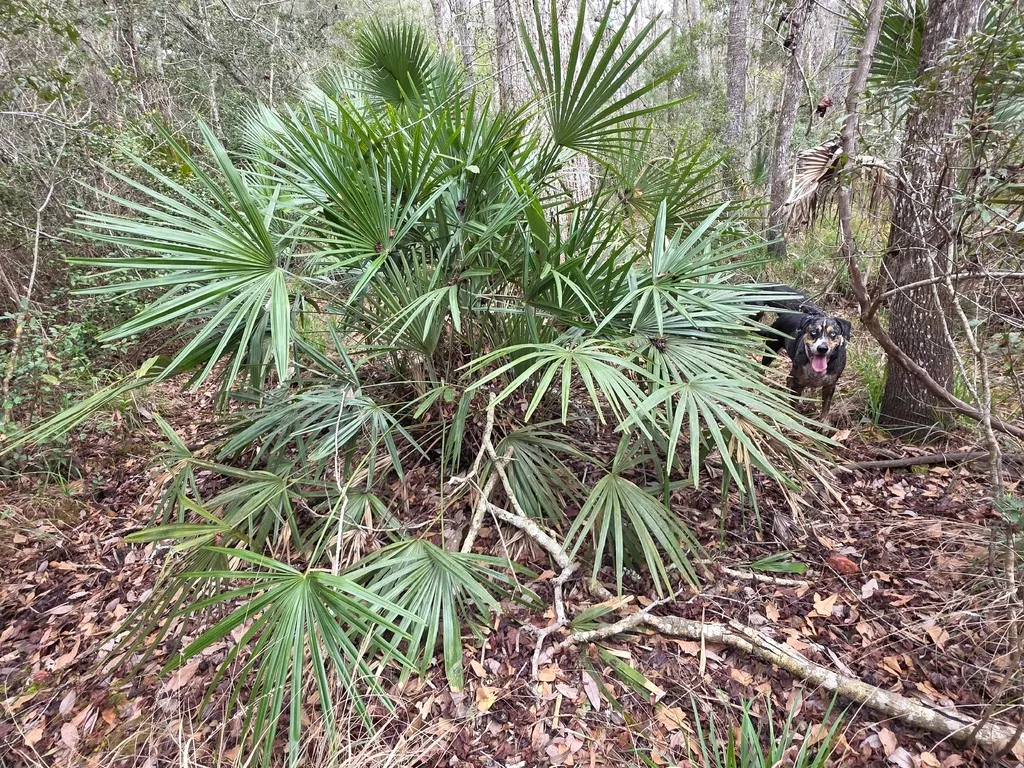
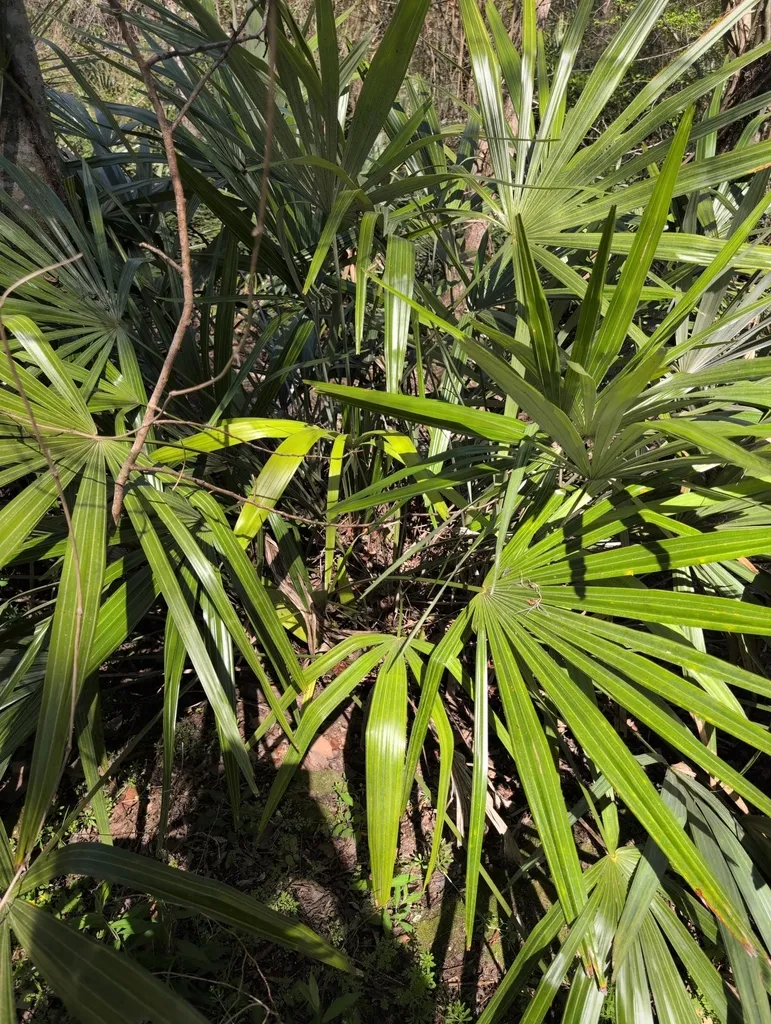
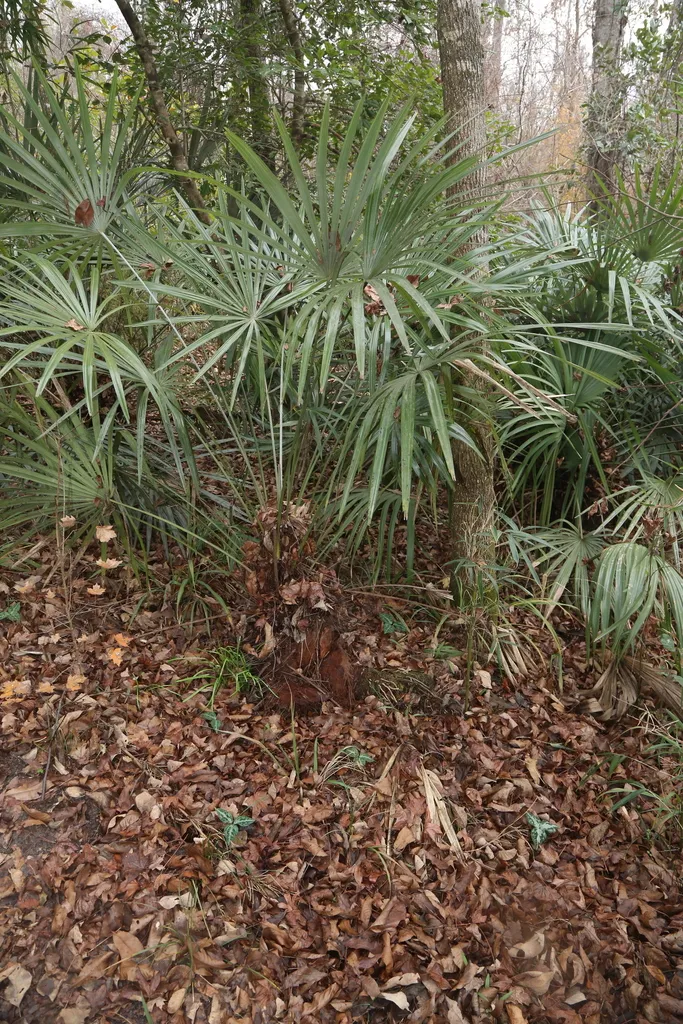
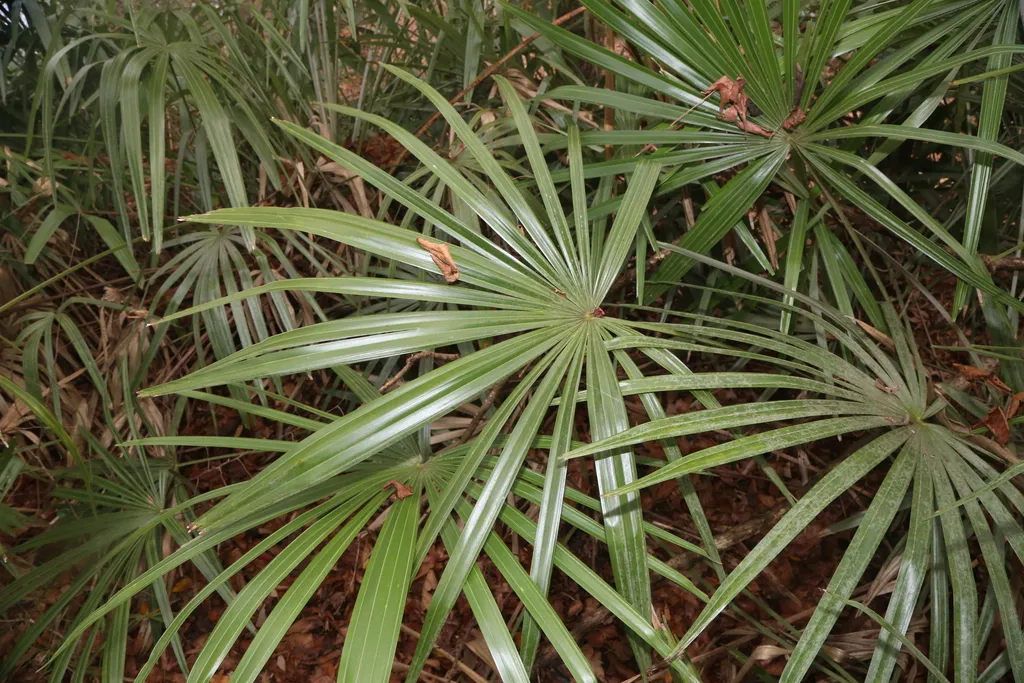
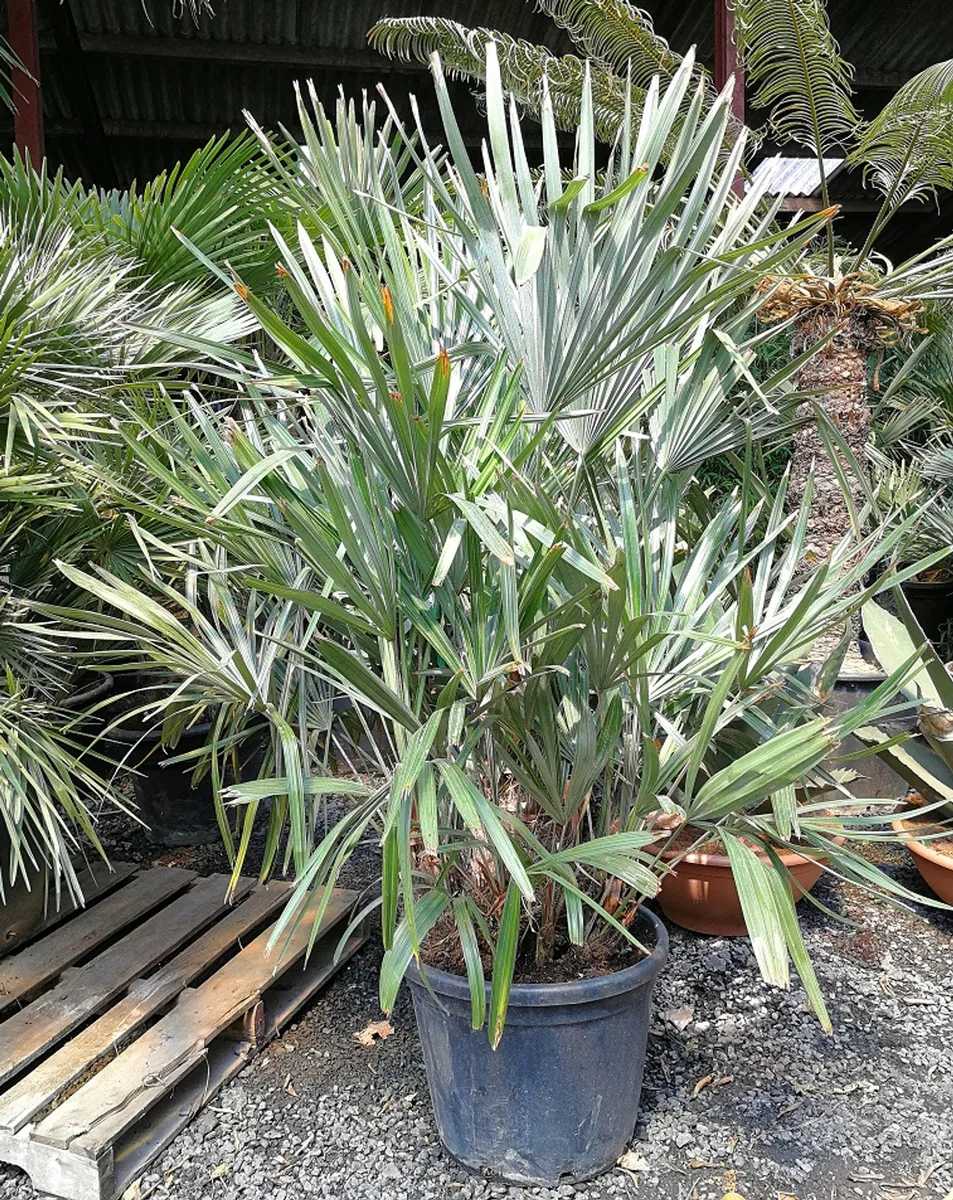
Distribution of needle palm
Distribution map
Southeastern USA
Information to be completed
Culture
Information to be completed
Toxicity
Information to be completed
Quick identification of needle palm
Information to be completed
needle palm care guide
- Moderate regular watering, allowing brief slight drying between soakings
- Watering
- Full sun · Partial shade · Full shade
- Sunlight
- Information to be completed
- Ideal temperature

Watering
Moderate regular watering, allowing brief slight drying between soakings
Fertilizing
 Fertilizing
Balanced perennial feed every four weeks from spring through summer
Pruning
 Pruning
No pruning required
Propagation
 Propagation
Propagate by seed or by removing and potting up suckers
Growing
 Growing
Grows in a wide range of conditions, liking damp soil as well as tolerating some degree of drought. Shelter from cold winds and plant in part-shade or even full shade
People also ask
Information to be completed
Common pests and diseases
Diseases
Generally disease-free
Pests
Generally pest-free
Explore the plant health library →




