
narrow-leaved ash
Also known as: Information to be completed
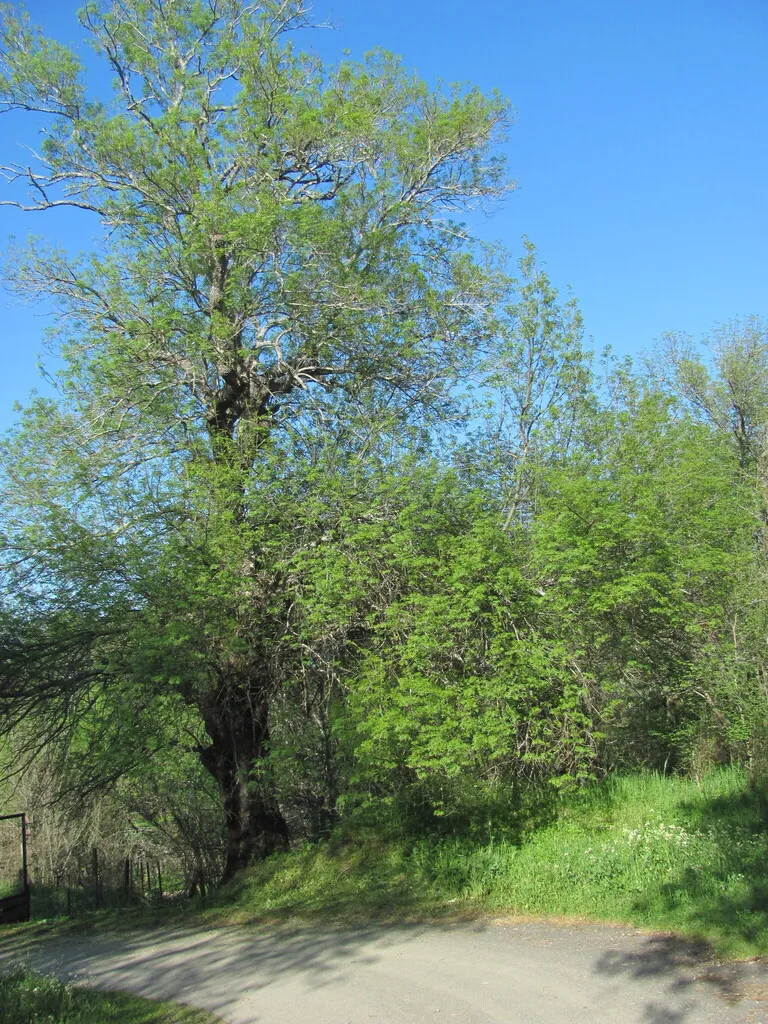
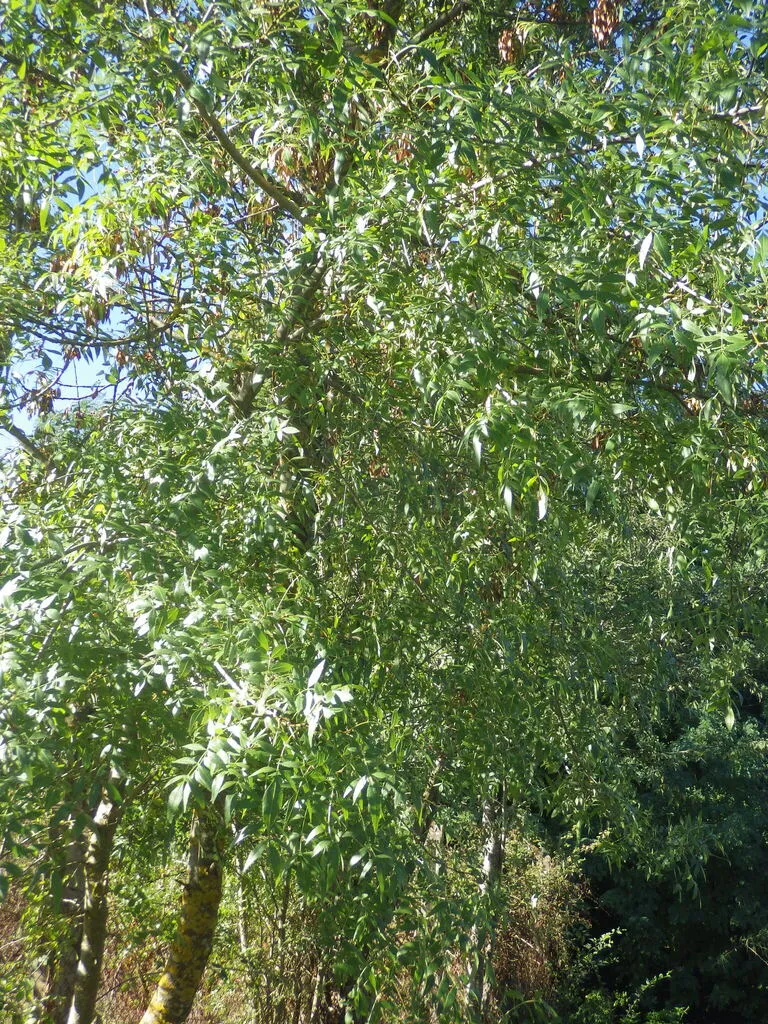
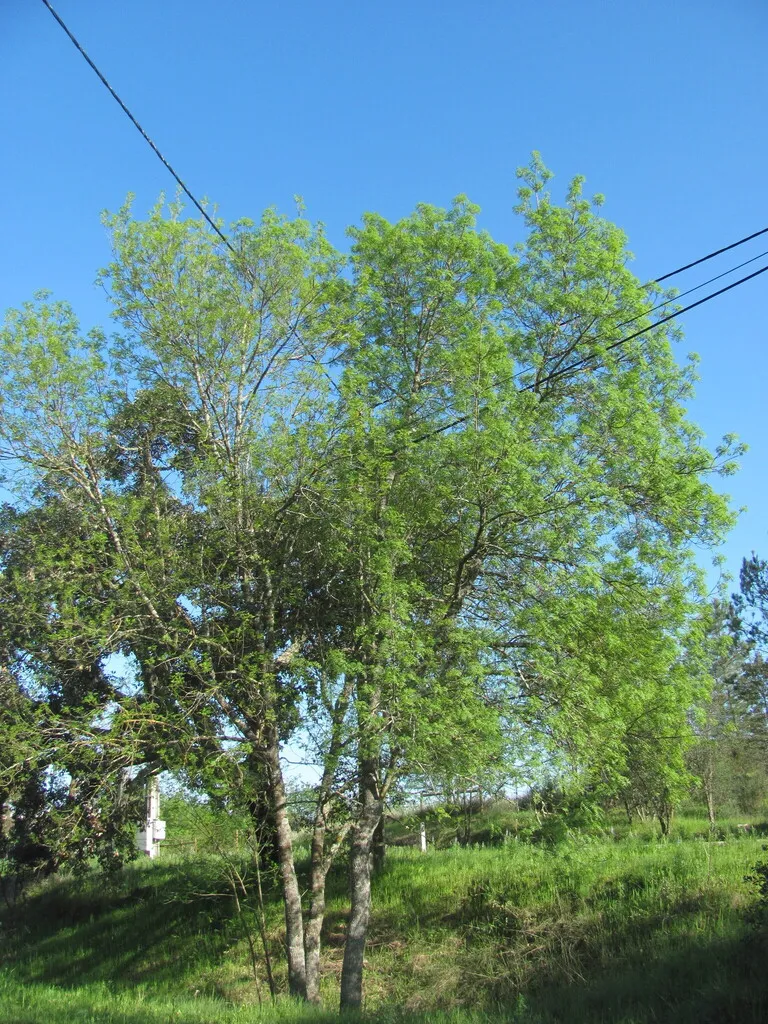
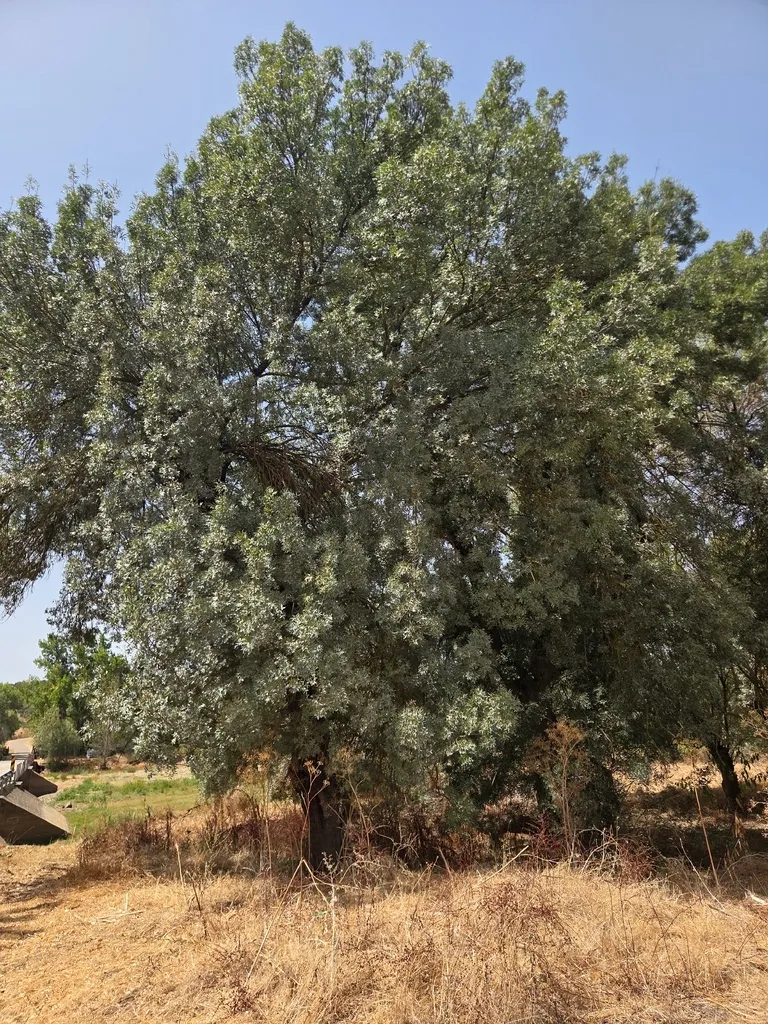
A large, fast-growing, spreading, deciduous tree to 25m tall with grey bark that becomes finely and deeply fissured with age. Leaves, 10-25cm long, from brown winter buds, are made up of 7-13 slender, lance-shaped, dark green and glossy leaflets that turn golden-yellow in autumn. Insignificant greenish flowers are followed by winged fruits in the autumn.
Scientific classification
- Species
- narrow-leaved ash (Fraxinus angustifolia)
- Genus
- Fraxinus
- Family
- Oleaceae
- Order
- Lamiales
- Class
- Magnoliopsida
- Phylum
- Tracheophyta
- Information to be completed
- Toxicity
- Trees
- Plant type
- Higher than 12 metres
- Height
- wider than 8 metres
- Spread
- Deciduous
- Foliage
- Bushy
- Habit
- Autumn · Spring · Summer
- Season of interest
- Full sun
- Sunlight
- Information to be completed
- Ideal temperature









narrow-leaved ash pictures
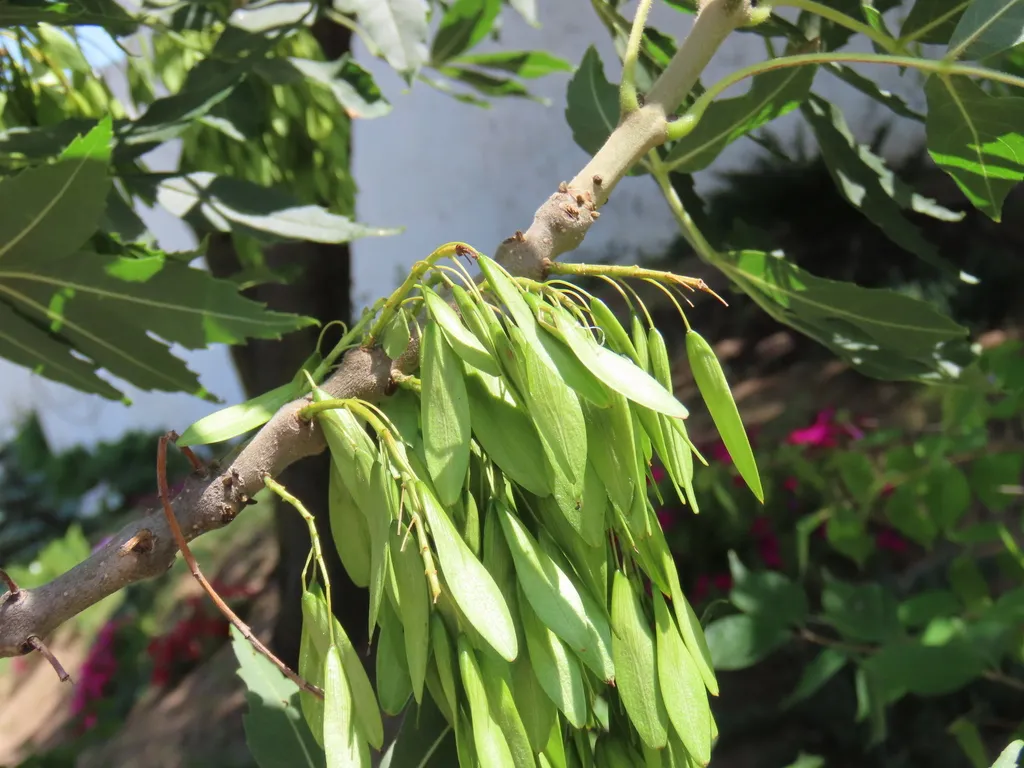
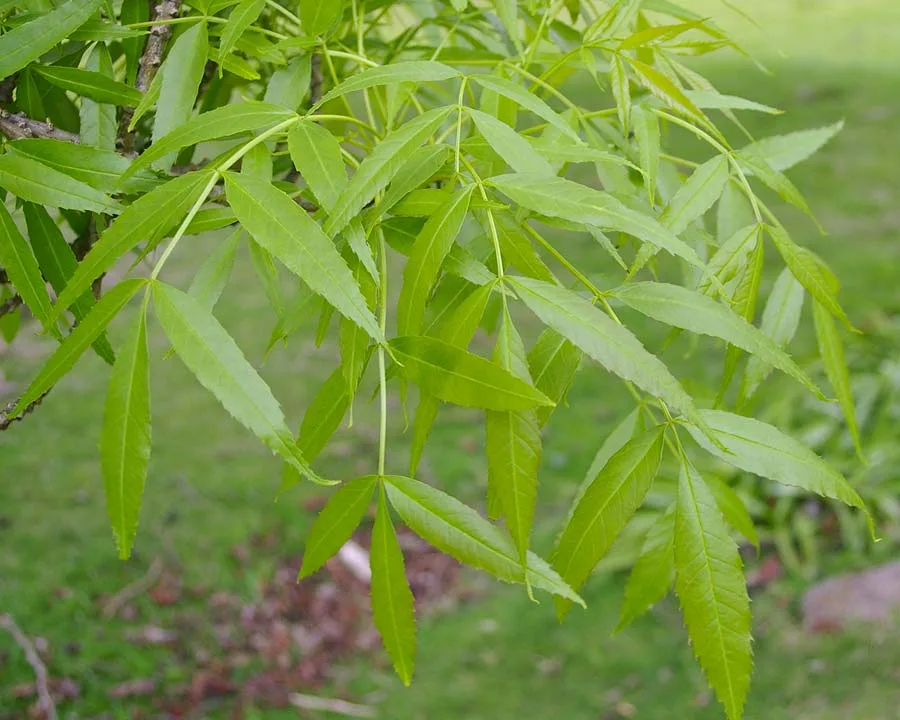
Distribution of narrow-leaved ash
Distribution map
- Native
- Introduced
- Cultivated
Source:WCVP v16 · Royal Botanic Gardens, Kew · CC BY 3.0 · Boundaries:WGSRPD / TDWG
narrow-leaved ash care guide
- Deep regular watering in first years, mature trees withstand mild drought
- Watering
- Full sun
- Sunlight

Watering
Deep regular watering in first years, mature trees withstand mild drought
Fertilizing
 Fertilizing
One annual spring granular fertilizer feed before seasonal leaf flush
Pruning
 Pruning
Little pruning is needed. Remove diseased, damaged, crowded or crossing shoots and unwanted growth. Timing depends on the plant: generally late winter or early spring; plants prone to bleeding and deciduous magnolias need different timing, and deciduous azaleas and lilacs are pruned after flowering.
Propagation
 Propagation
Propagate by seed or grafting
Growing
 Growing
Grows best in a fertile, well-drained, alkaline to neutral soil in full sun. Suitable for woodland and coastal gardens
Common pests and diseases
Diseases
Ash dieback has recently been found in the UK. Restrictions have been put in place (from 29 October 2012) regarding both the importation of ash from abroad and the movement of ash within the UK. May also be susceptible to honey fungus
Pests
Generally trouble free
Explore the plant health library →




