
primrose 'Linnet'
Also known as: Information to be completed
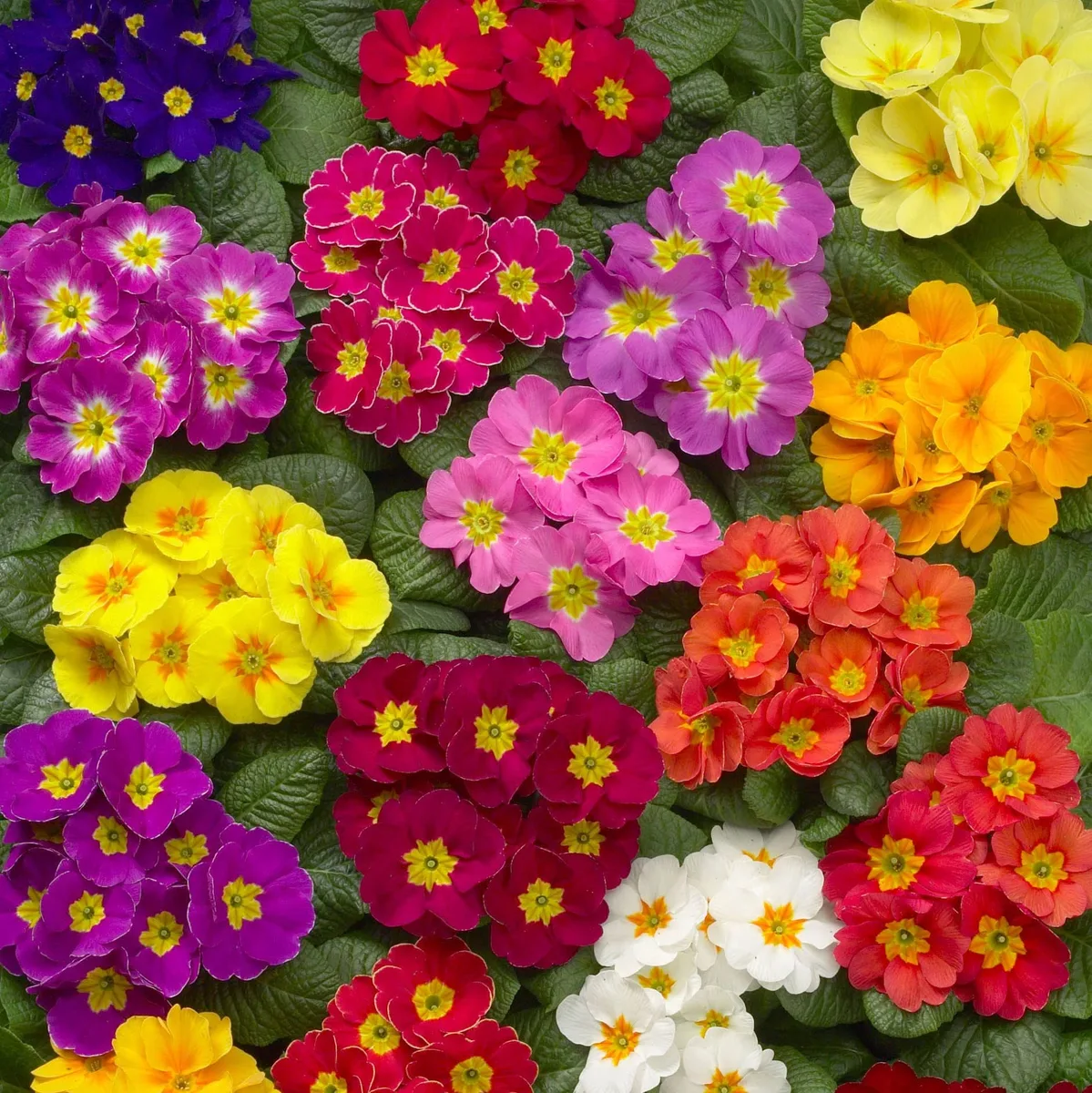
Linnet' is a deciduous perennial to 10cm tall, forming a rosette of wrinkled, toothed leaves with several almost stemless, yellow-eyed mauve-pink flowers in early spring
Scientific classification
- Species
- primrose 'Linnet' (Primula 'Linnet')
- Genus
- Primula
- Family
- Primulaceae
- Information to be completed
- Toxicity
- Alpine Rockery · Herbaceous Perennial
- Plant type
- Up to 10 cm
- Height
- 0-0.1 metre
- Spread
- Deciduous
- Foliage
- Bushy
- Habit
- Spring · Summer · Autumn
- Season of interest
- Full shade · Partial shade
- Sunlight
- Information to be completed
- Ideal temperature









primrose 'Linnet' pictures
Distribution of primrose 'Linnet'
Distribution map
Information to be completed
Information to be completed
Culture
Information to be completed
Toxicity
Information to be completed
Quick identification of primrose 'Linnet'
Information to be completed
primrose 'Linnet' care guide
- Evenly moist soil layer in growth phase, drier soil over cold winter
- Watering
- Full shade · Partial shade
- Sunlight
- Information to be completed
- Ideal temperature

Watering
Evenly moist soil layer in growth phase, drier soil over cold winter
Fertilizing
 Fertilizing
Diluted primrose feed biweekly sprout emergence to blooming stage
Pruning
 Pruning
No pruning required
Propagation
 Propagation
May be propagated by leaf cuttings in summer or early autumn or by division in early spring or after flowering
Growing
 Growing
Grow in deep or partial shade in moist but sharply drained acid soil: protect from excessive winter wet
People also ask
Information to be completed
Common pests and diseases
Diseases
May be susceptible to a virus, grey mould or fungal leaf spot
Pests
May be susceptible to slugs and snails, vine weevil, aphids, woodlice, earwigs and cutworms
Explore the plant health library →




