
American cress
Also known as: bank cress; Belle Isle cress; early cress; early winter cress; land cress; Normandy cress; yellow cress; winter cress; yellow rocket
A biennial producing a rosette of dark green, deeply-lobed leaves which may be used as a watercress substitute. In spring or summer of its second year it produces upright stems with clusters of small, yellow, four-petalled flowers
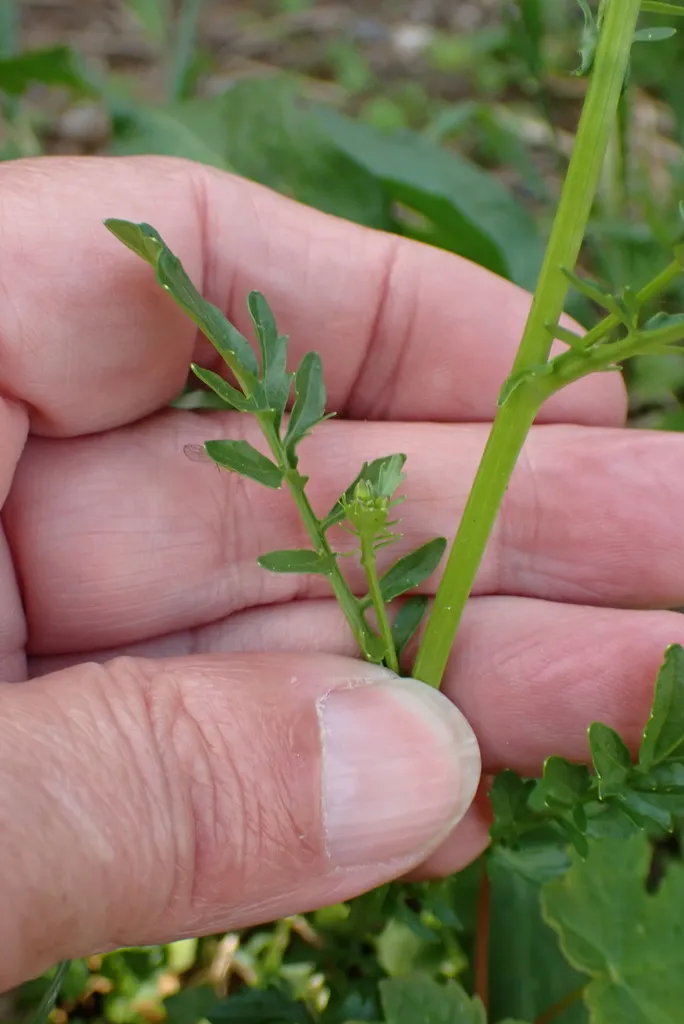
Scientific classification
- Species
- American cress (Barbarea verna)
- Genus
- Barbarea
- Family
- Brassicaceae
- Information to be completed
- Toxicity
- Annual Biennial
- Plant type
- 0.1-0.5 metres
- Height
- 0.1-0.5 metres
- Spread
- Semi evergreen
- Foliage
- Bushy
- Habit
- Spring · Summer · Autumn · Winter
- Season of interest
- Full sun · Partial shade
- Sunlight
- Information to be completed
- Ideal temperature









American cress pictures
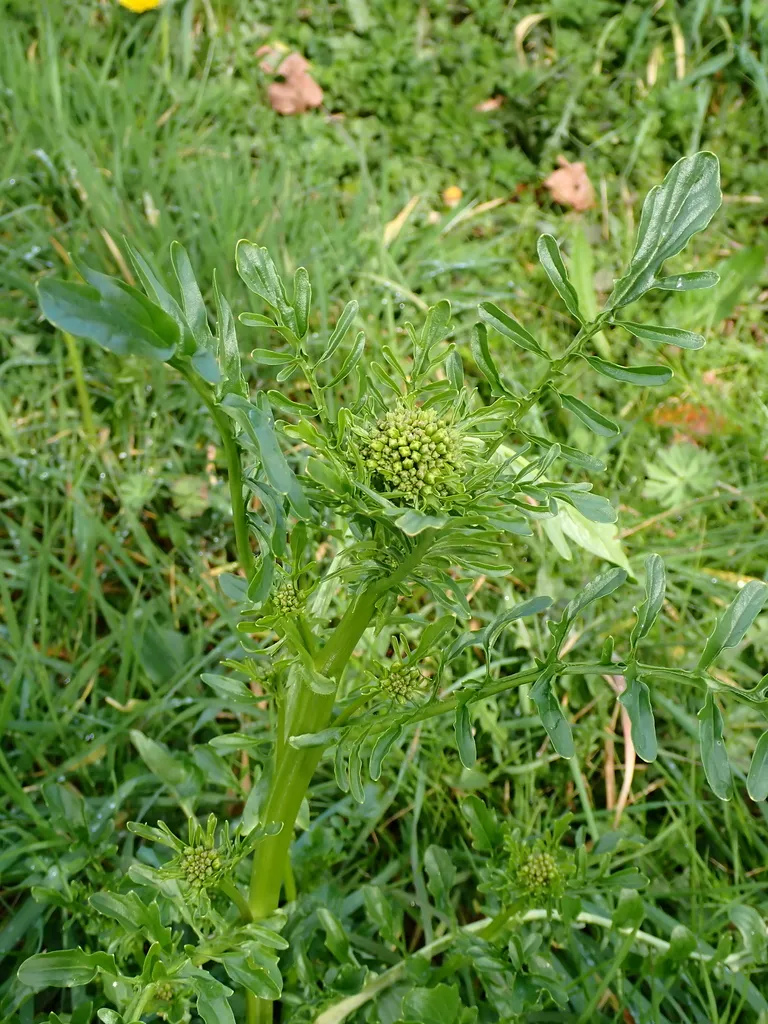
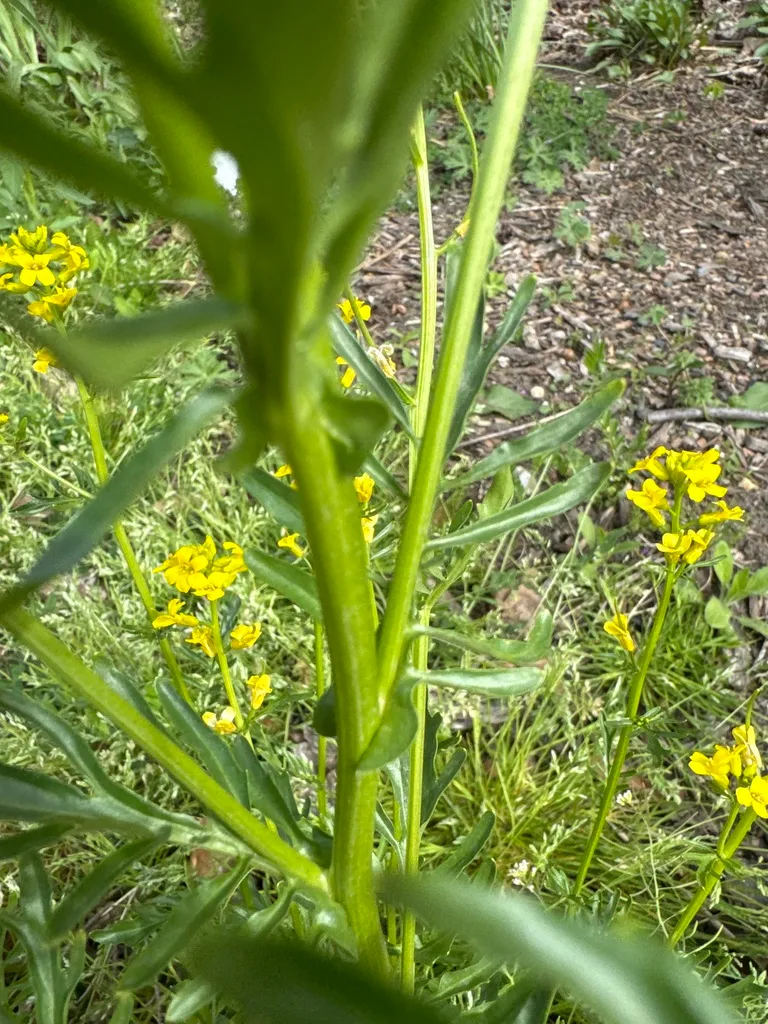
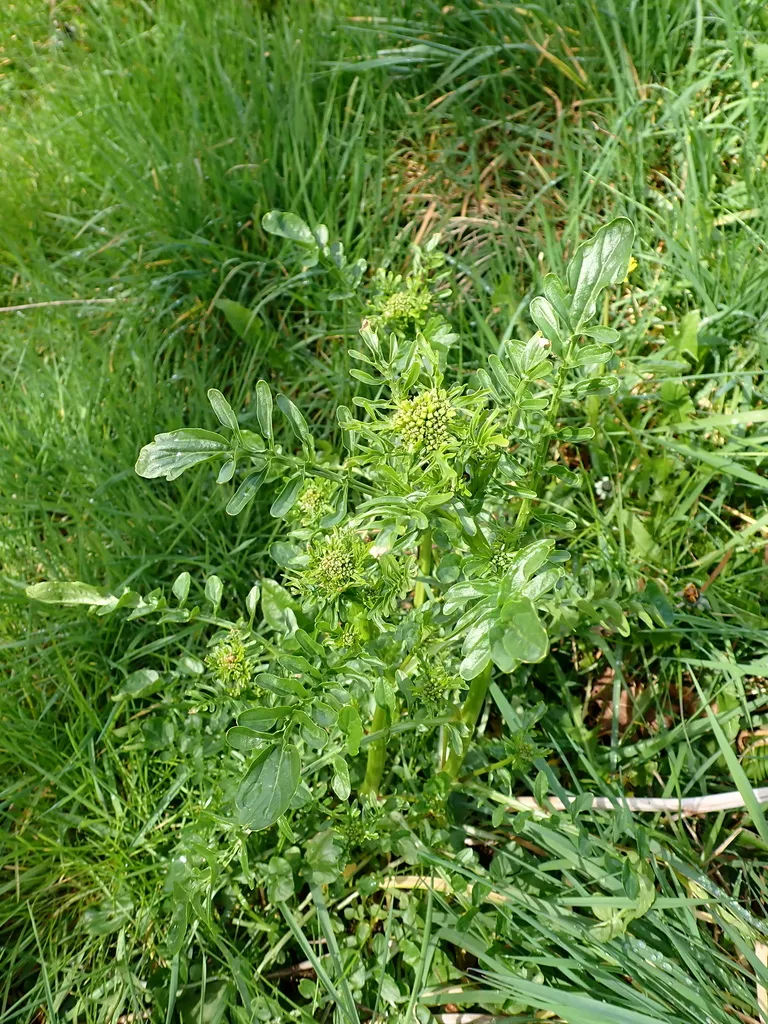
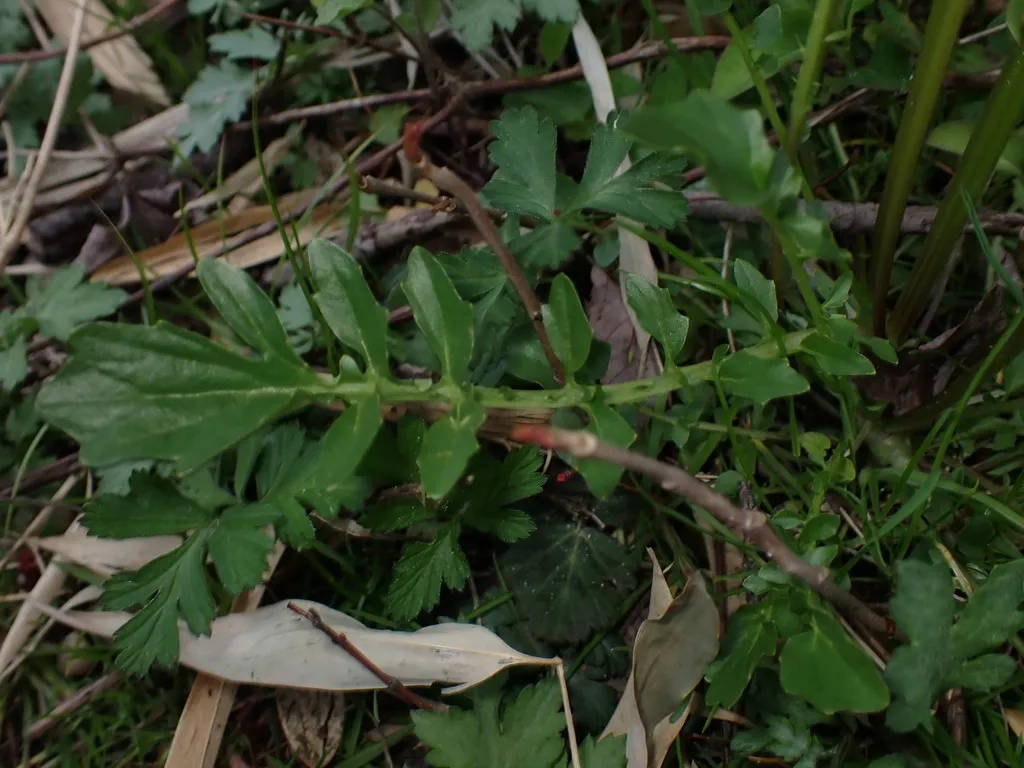
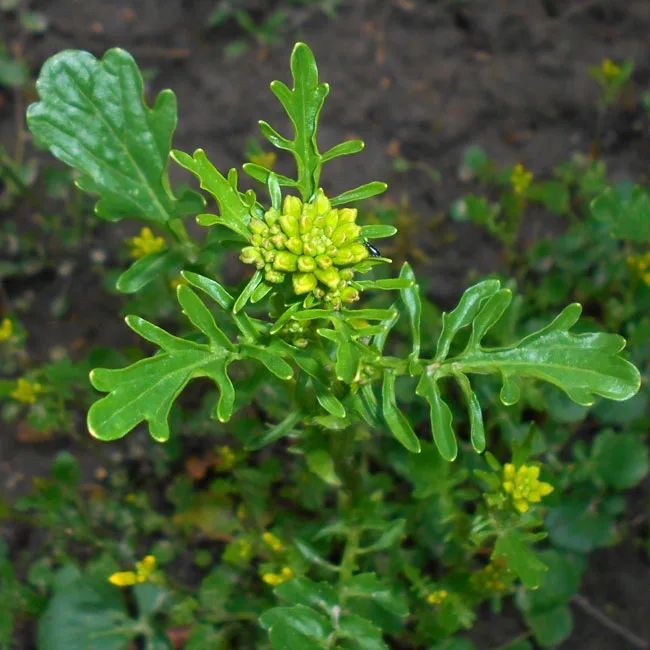
Distribution of American cress
Distribution map
Southwestern Europe
Information to be completed
Culture
Information to be completed
Toxicity
Information to be completed
Quick identification of American cress
Information to be completed
American cress care guide
- Moderate regular watering, allowing brief slight drying between soakings
- Watering
- Full sun · Partial shade
- Sunlight
- Information to be completed
- Ideal temperature

Watering
Moderate regular watering, allowing brief slight drying between soakings
Fertilizing
 Fertilizing
Balanced perennial feed every four weeks from spring through summer
Pruning
 Pruning
No pruning needed
Propagation
 Propagation
Information to be completed
Growing
 Growing
Grow in moist soil in full sun or semi shade. Can be cropped virtually all year by staggering sowing dates
People also ask
Information to be completed
Common pests and diseases
Diseases
Generally disease free
Pests
May be attacked by flea beetle
Explore the plant health library →




