
Rosa 'Rival de Paestum'
Also known as: Information to be completed
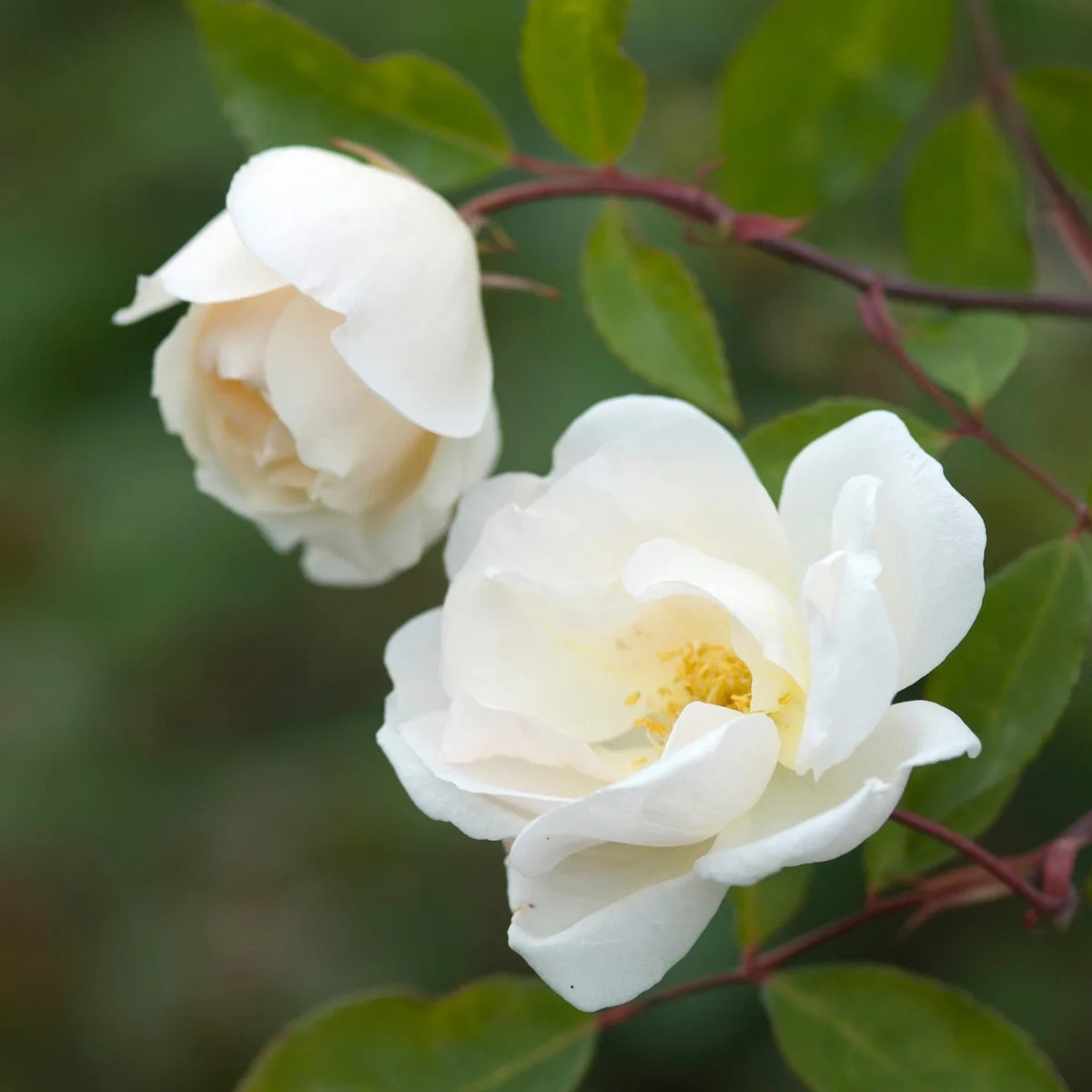
A Tea rose rare in cultivation, of twiggy habit, about 90cm tall with plentiful dark green foliage. Very free-flowering, small, fragrant, fully double blooms of ivory-white flushed blush pink, especially noticeable on the long pointed buds, almost continuously in flower from early summer to autumn; Paul 1848
Scientific classification
- Species
- Rosa 'Rival de Paestum' (Rosa 'Rival de Paestum')
- Genus
- Rosa
- Family
- Rosaceae
- Order
- Rosales
- Class
- Magnoliopsida
- Phylum
- Magnoliophyta
- Fruit are ornamental - not to be eaten. Wear gloves and other protective equipment when handling
- Toxicity
- Roses
- Plant type
- 0.5-1 metres
- Height
- 0.5-1 metres
- Spread
- Deciduous
- Foliage
- Bushy
- Habit
- Spring · Summer · Autumn
- Season of interest
- Full sun
- Sunlight
- Information to be completed
- Ideal temperature









Rosa 'Rival de Paestum' pictures
Toxicity
Fruit are ornamental - not to be eaten. Wear gloves and other protective equipment when handling
Rosa 'Rival de Paestum' care guide
- Deep soak roots regularly, reduce water volume during cool winters
- Watering
- Full sun
- Sunlight

Watering
Deep soak roots regularly, reduce water volume during cool winters
Fertilizing
 Fertilizing
Specialized rose fertilizer every fourteen growing season days
Pruning
 Pruning
Keep single-flowering shrub roses lightly pruned, removing dead, diseased, crossing and weak growth. Thin a few old unproductive stems if crowded. Prune in late summer after flowering.
Propagation
 Propagation
Propagate by hardwood cuttings in autumn, softwood cuttings (under glass) in spring or summer or by chip budding in summer
Growing
 Growing
Grow in fertile, humus-rich, moist but well-drained soil in full sun, in a warm sheltered position. Best suited to southern counties and inner city locations, can be grown in a container and overwintered in a greenhouse in colder areas. Mulch with well-rotted organic matter in late winter or early spring, and for best flowering apply a general rose or shrub fertiliser in early spring and again in early summer. See rose cultivation
Common pests and diseases
Diseases
May be susceptible to rose black spot, rose rust, replant disease, rose dieback, and rose powdery mildew and sometimes honey fungus. May also be susceptible to disorders rose blindness and flower balling
Pests
May be susceptible to aphids, rose leafhopper, glasshouse red spider mite, scale insects, caterpillars, large rose sawfly, rose slugworm sawfly and rose leaf-rolling sawfly. Deer and rabbits can cause damage
Explore the plant health library →




