
aniseed
Also known as: amny; sweet cumin; anise
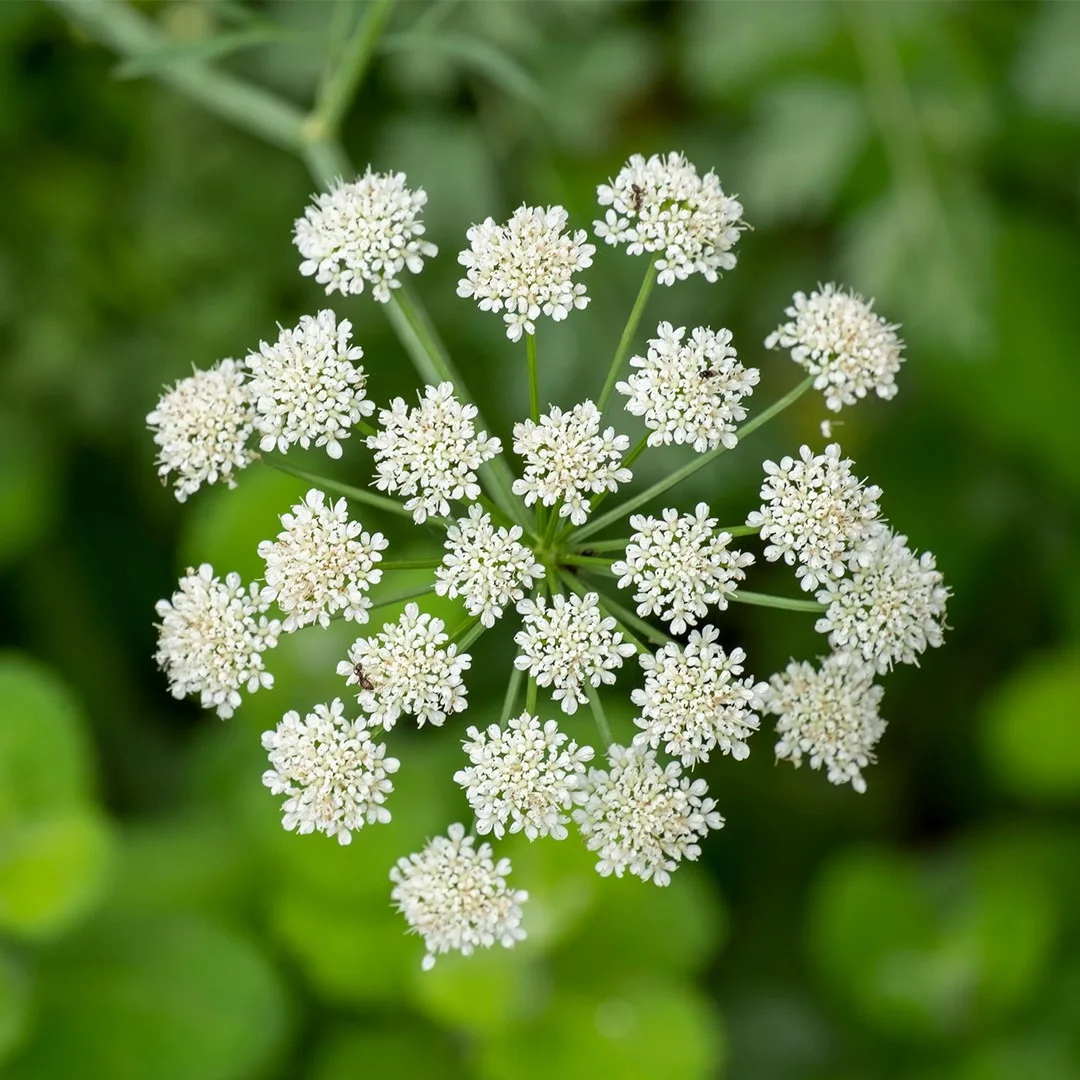
A bushy annual to around 60cm high, with finely divided, fern-like green leaves that are aromatic when crushed. Broad, dome-shaped heads of tiny white flowers are produced in summer, followed by long pods of seeds which can be used as a spice in cooking
Scientific classification
- Species
- aniseed (Pimpinella anisum)
- Genus
- Pimpinella
- Family
- Apiaceae
- Order
- Apiales
- Class
- Magnoliopsida
- Phylum
- Magnoliophyta
- Information to be completed
- Toxicity
- Annual Biennial
- Plant type
- 0.5-1 metres
- Height
- 0.1-0.5 metres
- Spread
- Deciduous
- Foliage
- Bushy
- Habit
- Spring · Summer
- Season of interest
- Full sun
- Sunlight
- Information to be completed
- Ideal temperature









aniseed pictures
aniseed care guide
- Moderate regular watering, avoid prolonged drought and stagnant waterlogging
- Watering
- Full sun
- Sunlight

Watering
Moderate regular watering, avoid prolonged drought and stagnant waterlogging
Fertilizing
 Fertilizing
Balanced perennial feed every four weeks spring through summer growth
Pruning
 Pruning
No pruning required
Propagation
 Propagation
Propagate by seed, ideally sown in situ after risk of frosts has passed, as plants dislike transplanting and root disturbance. In areas where the season is not long enough for seeds to ripen, plants may be started under glass in individual pots, though it is best to sow extra to allow for losses in planting out
Growing
 Growing
Thrives in a sunny position in fertile, moist but well-drained loamy soil. Plants may need staking to keep seed pods off the ground (see staking: perennials)
Common pests and diseases
Diseases
May be susceptible to powdery mildews and downy mildews
Pests
May be susceptible to aphids, slugs, snails and mice
Explore the plant health library →




