
crown imperial
Also known as: crown on crown; royal crown flower
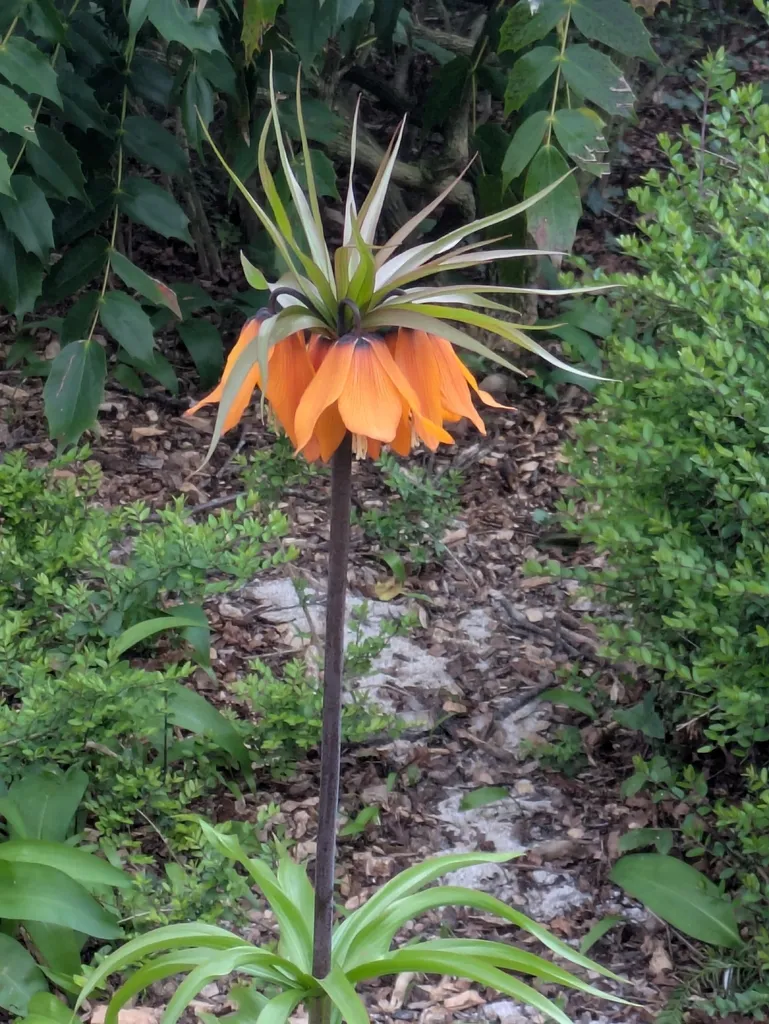
A robust bulbous perennial with stout, erect stems bearing whorled, lance-shaped leaves and, in early summer, a terminal umbel of bell-shaped orange or yellow flowers beneath a crown of bracts
Scientific classification
- Species
- crown imperial (Fritillaria imperialis)
- Genus
- Fritillaria
- Family
- Liliaceae
- Order
- Liliales
- Class
- Liliopsida
- Phylum
- Tracheophyta
- Ornamental bulbs - not to be eaten. Wear gloves and other protective equipment when handling
- Toxicity
- Bulbs
- Plant type
- 1-1.5 metres
- Height
- 0.1-0.5 metres
- Spread
- Deciduous
- Foliage
- Columnar upright
- Habit
- Spring · Summer · Autumn
- Season of interest
- Full sun
- Sunlight
- Information to be completed
- Ideal temperature









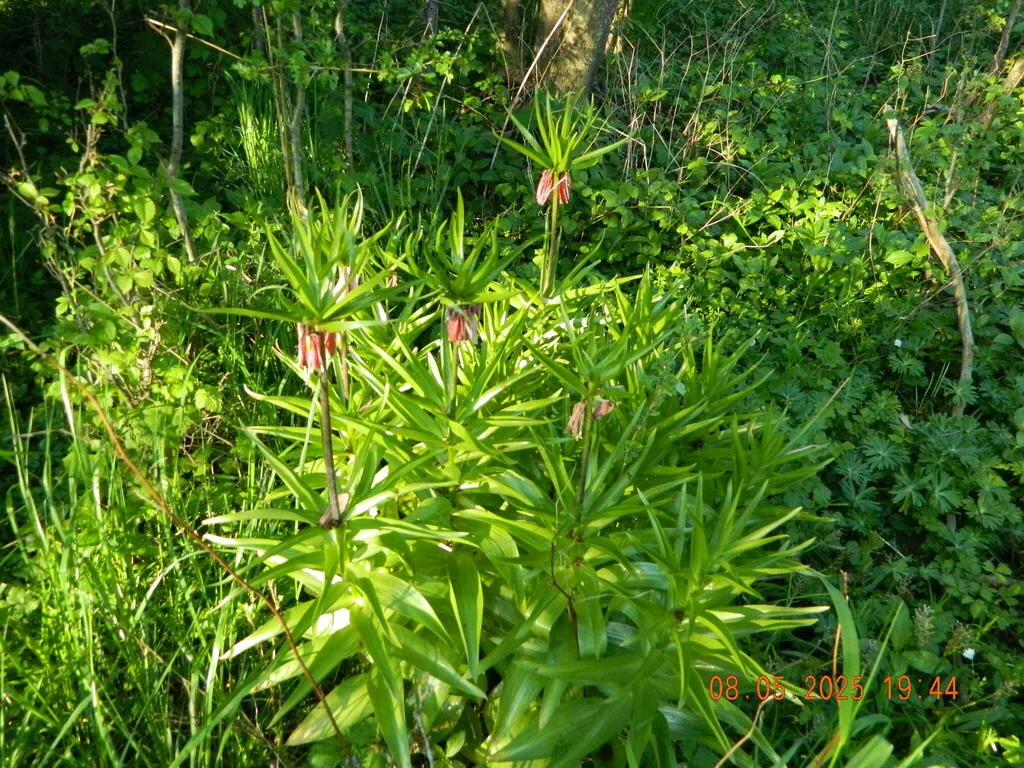
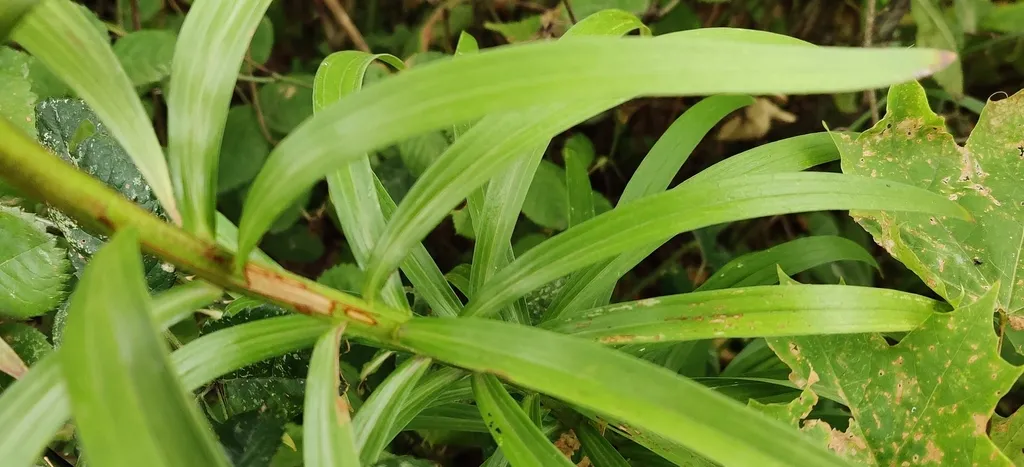
crown imperial pictures
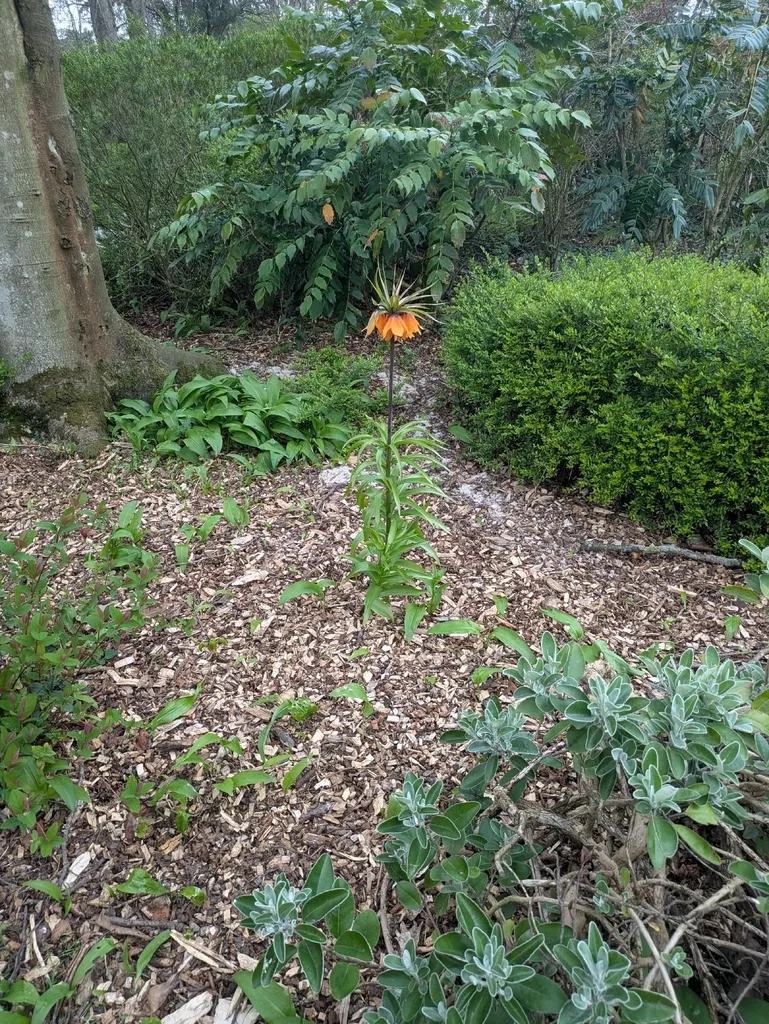
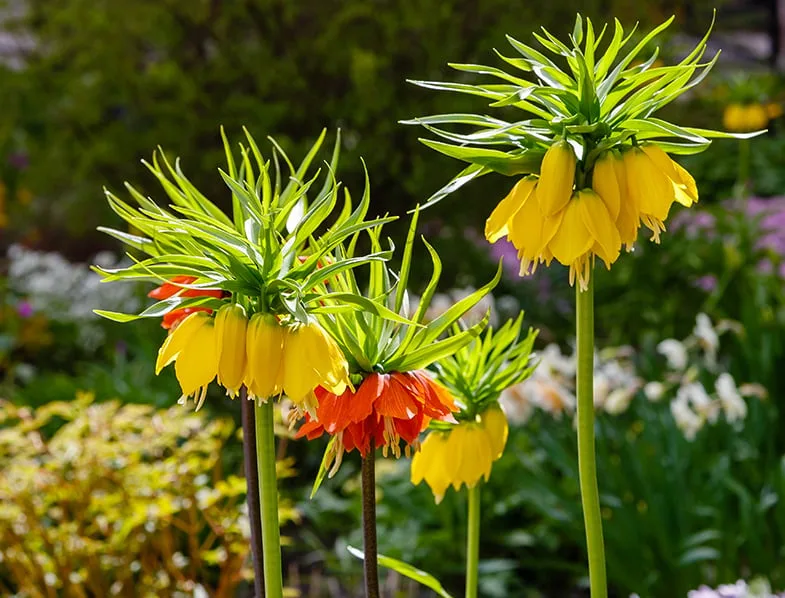
Distribution of crown imperial
Distribution map
- Native
- Introduced
- Cultivated
Source:WCVP v16 · Royal Botanic Gardens, Kew · CC BY 3.0 · Boundaries:WGSRPD / TDWG
Toxicity
Ornamental bulbs - not to be eaten. Wear gloves and other protective equipment when handling
crown imperial care guide
- Moist soil while in active leaf growth, then drier after dormancy begins
- Watering
- Full sun
- Sunlight

Watering
Moist soil while in active leaf growth, then drier after dormancy begins
Fertilizing
 Fertilizing
Light bulb fertilizer at emergence and again after flowering finishes
Pruning
 Pruning
No pruning required
Propagation
 Propagation
Propagate by seed, sown in pots in a cold frame in autumn. Needs exposure to winter cold for germination in spring. division offsets in late summer
Growing
 Growing
Grows well in most fertile, well-drained soils. Handle the fragile bulbs carefully and plant at four times own depth. See crown imperial cultivation
Common pests and diseases
Diseases
Generally disease-free
Pests
May be susceptible to slugs and lily beetle
Explore the plant health library →




