
Persian lily
Also known as: Information to be completed
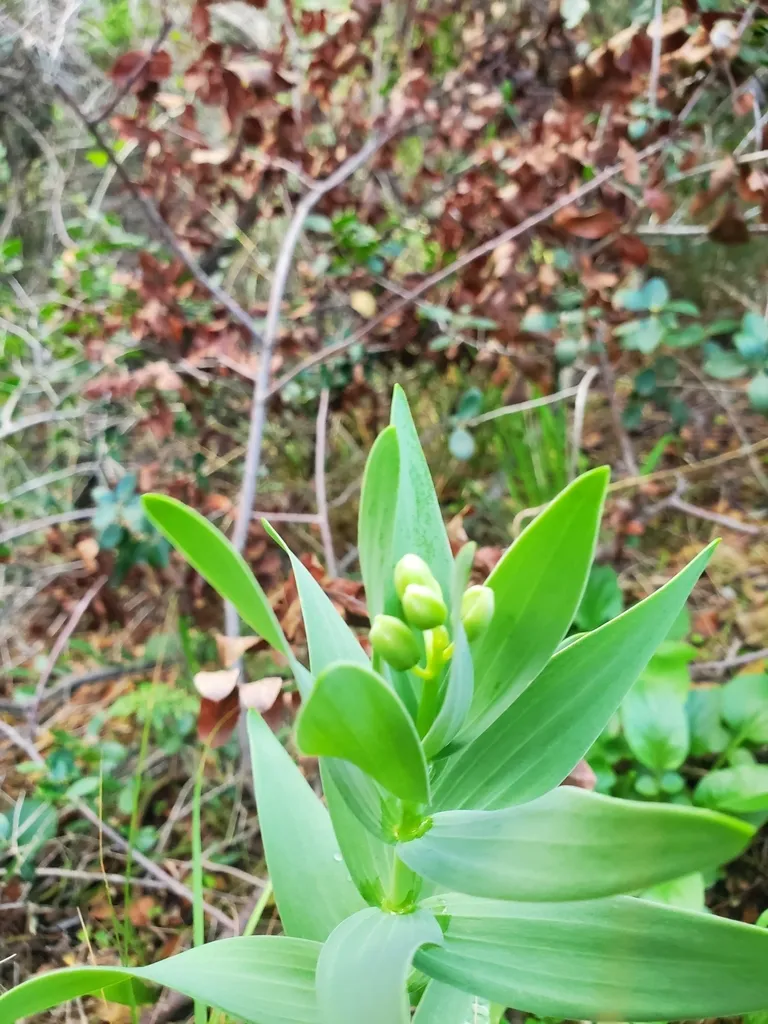
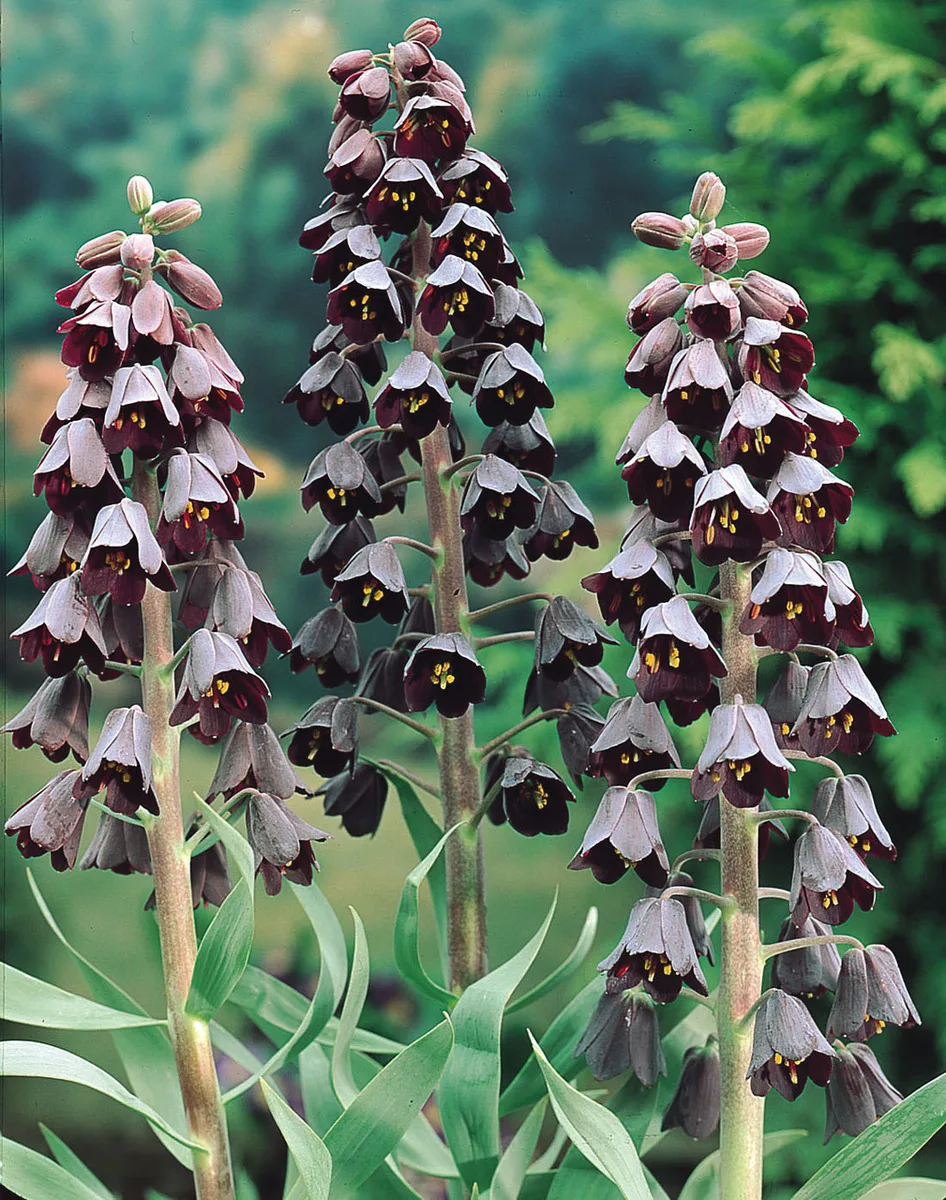
A spring flowering, robust, bulbous perennial. Lance-shaped leaves are produced on upright stems, up to 25cm long, coloured glaucous to grey-green. Up to 30 pendant, narrow bell-shaped flowers, brown to deep-purple in colour, held in racemes appear in the spring
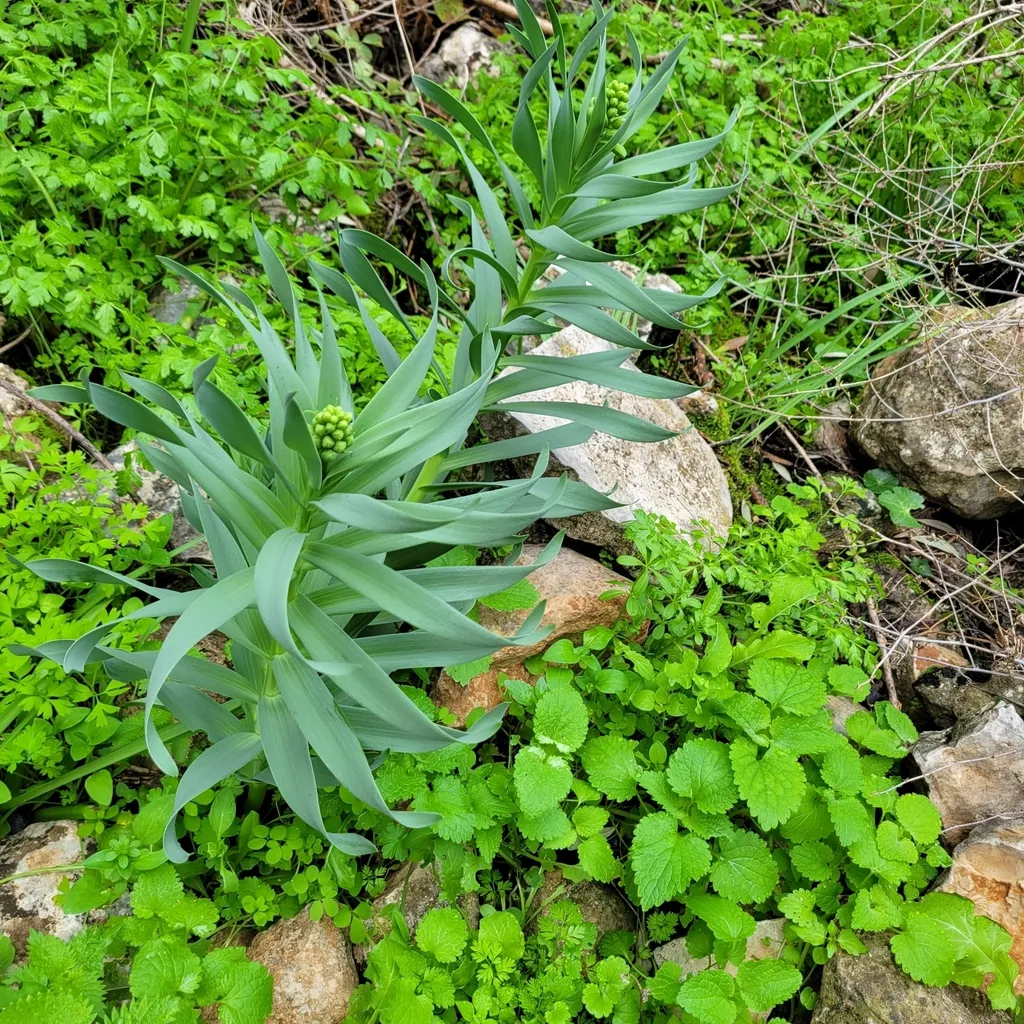
Scientific classification
- Species
- Persian lily (Fritillaria persica)
- Genus
- Fritillaria
- Family
- Liliaceae
- Order
- Liliales
- Class
- Liliopsida
- Phylum
- Tracheophyta
- Never eat ornamental bulbs. Wear gloves and wash hands after handling
- Toxicity
- Herbaceous Perennial · Bulbs
- Plant type
- 0.5-1 metres
- Height
- 0.1-0.5 metres
- Spread
- Deciduous
- Foliage
- Columnar upright
- Habit
- Spring · Summer
- Season of interest
- Full sun
- Sunlight
- Information to be completed
- Ideal temperature









Persian lily pictures
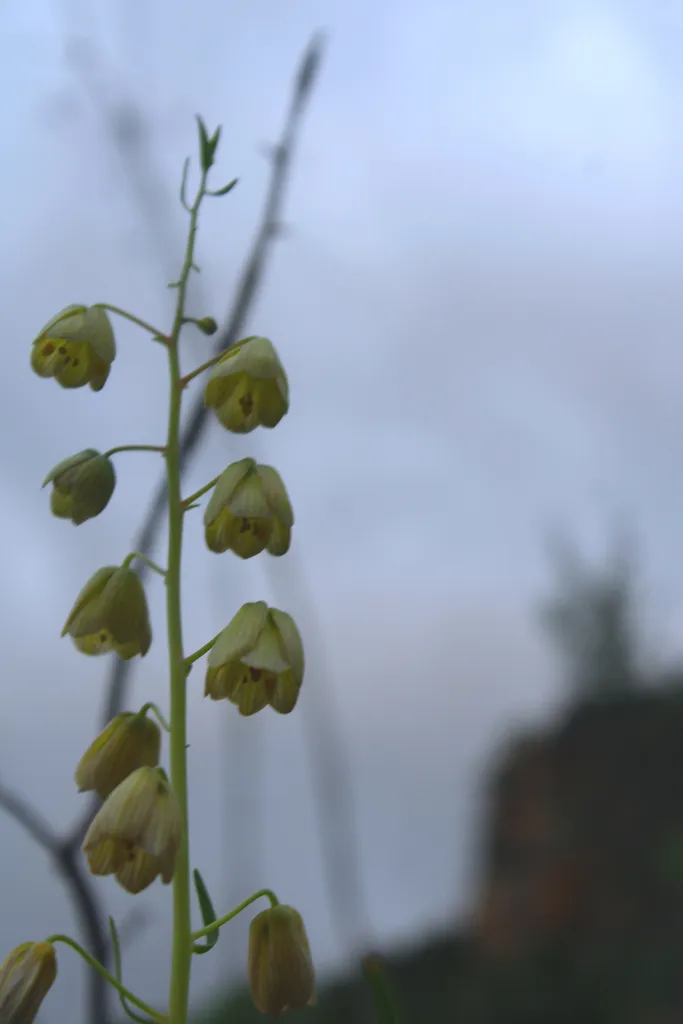
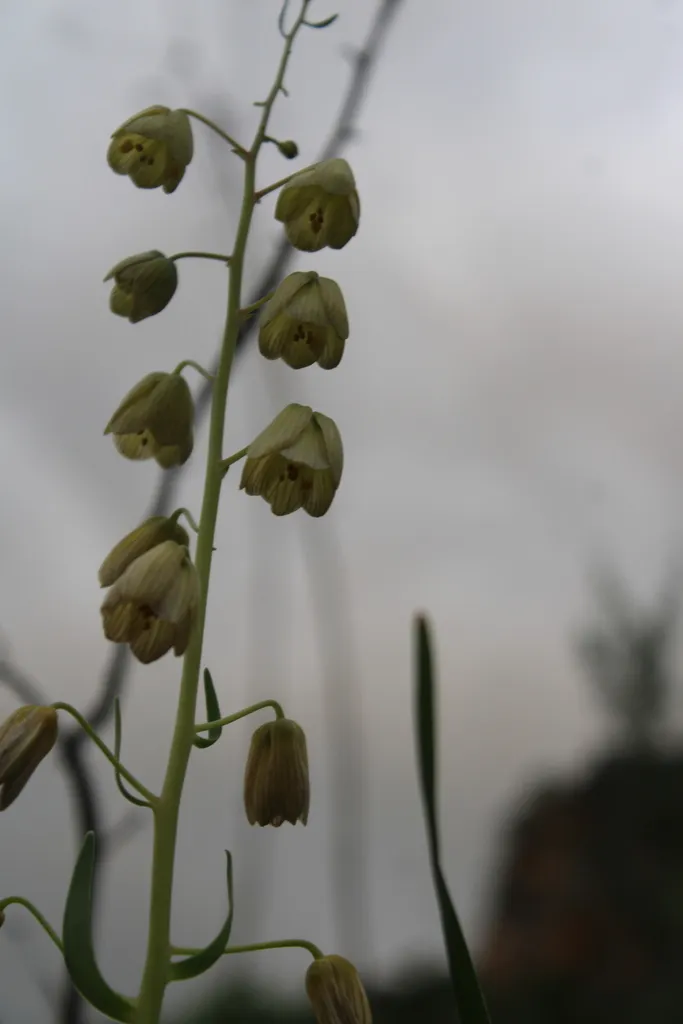
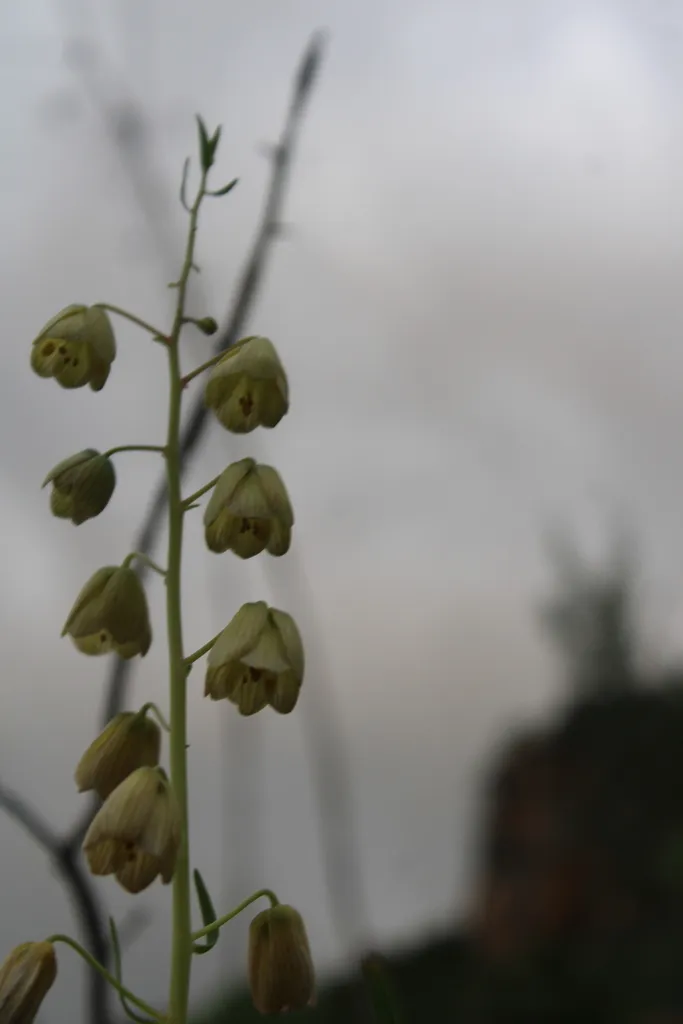
Distribution of Persian lily
Distribution map
- Native
- Introduced
- Cultivated
Source:WCVP v16 · Royal Botanic Gardens, Kew · CC BY 3.0 · Boundaries:WGSRPD / TDWG
Toxicity
Never eat ornamental bulbs. Wear gloves and wash hands after handling
Persian lily care guide
- Moist soil during active growth, then reduce watering after foliage yellows
- Watering
- Full sun
- Sunlight

Watering
Moist soil during active growth, then reduce watering after foliage yellows
Fertilizing
 Fertilizing
Light bulb fertilizer at emergence and again after flowering
Pruning
 Pruning
No pruning required
Propagation
 Propagation
Propagate by dividing offsets late summer. Seeds require a cold period before germination, sow seeds in containers in a cold frame
Growing
 Growing
Grow in fertile, humus-rich, well-drained soil. Will tolerate hotter sites than other Fritillaria
Common pests and diseases
Diseases
Generally disease-free
Pests
May be susceptible to slugs and lily beetle
Explore the plant health library →




