
caper spurge
Also known as: caper bush; caper plant; euphorbia-oil plant; mole plant; mole tree; myrtle spurge; spring wort; wild caper
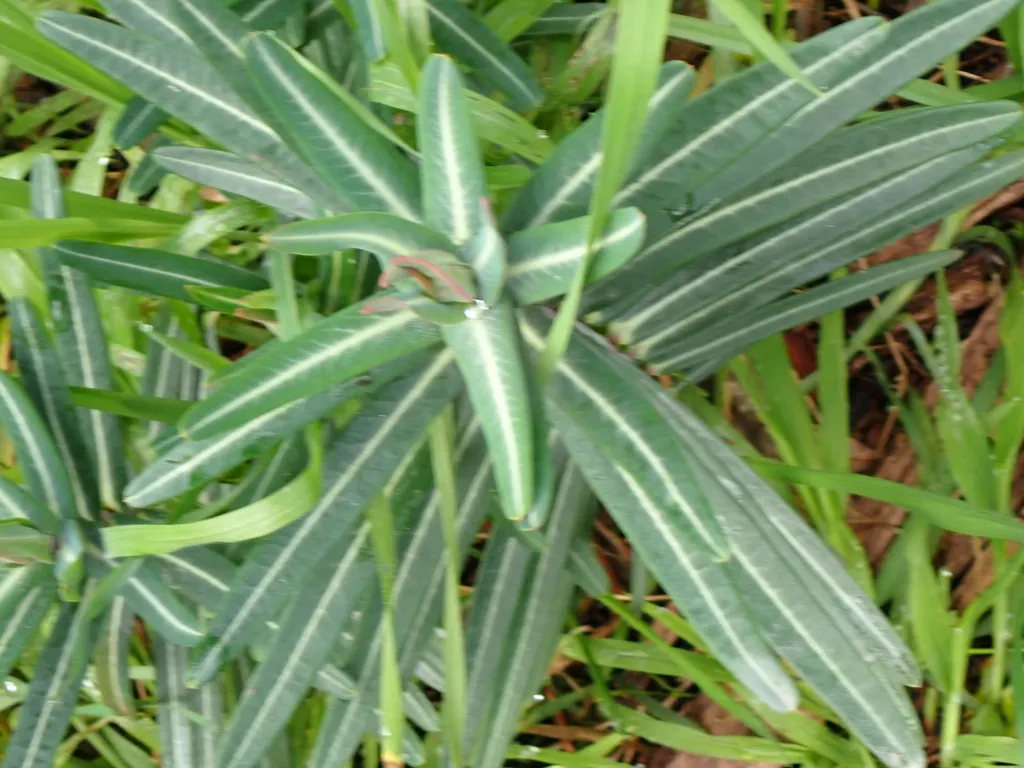
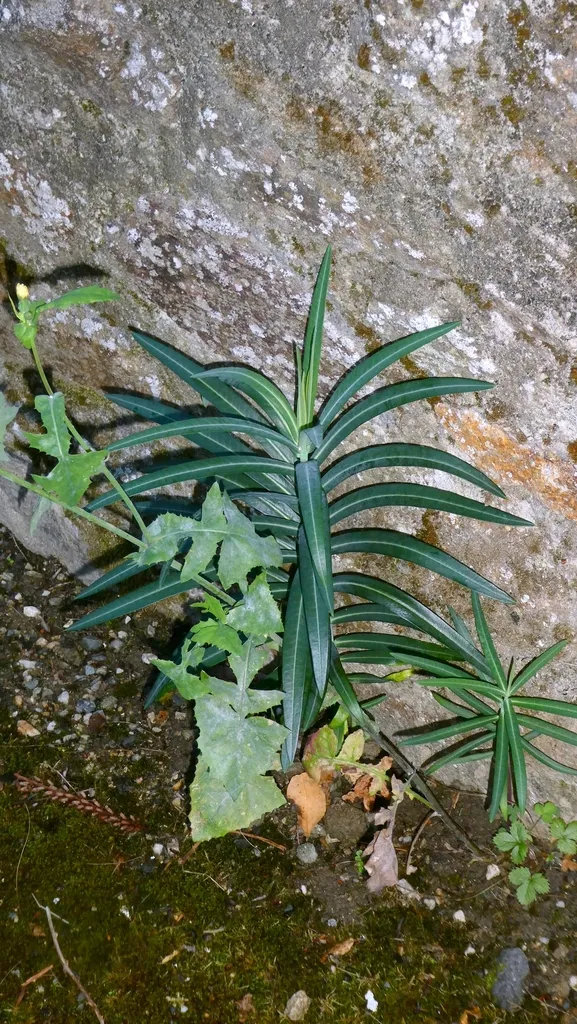
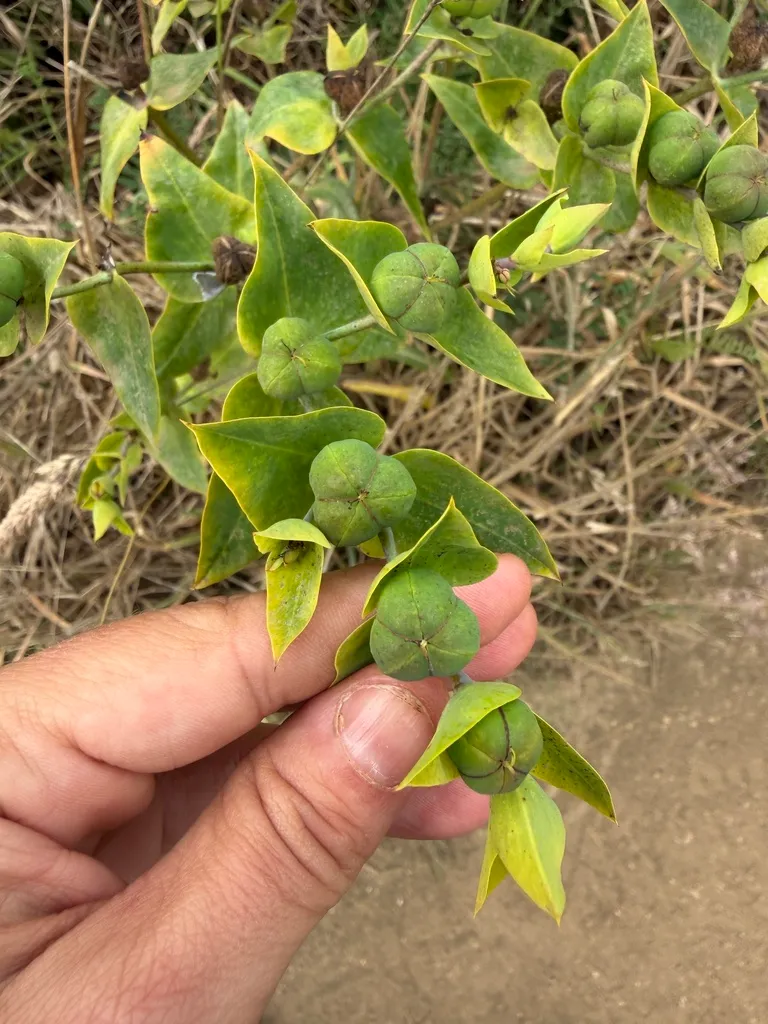
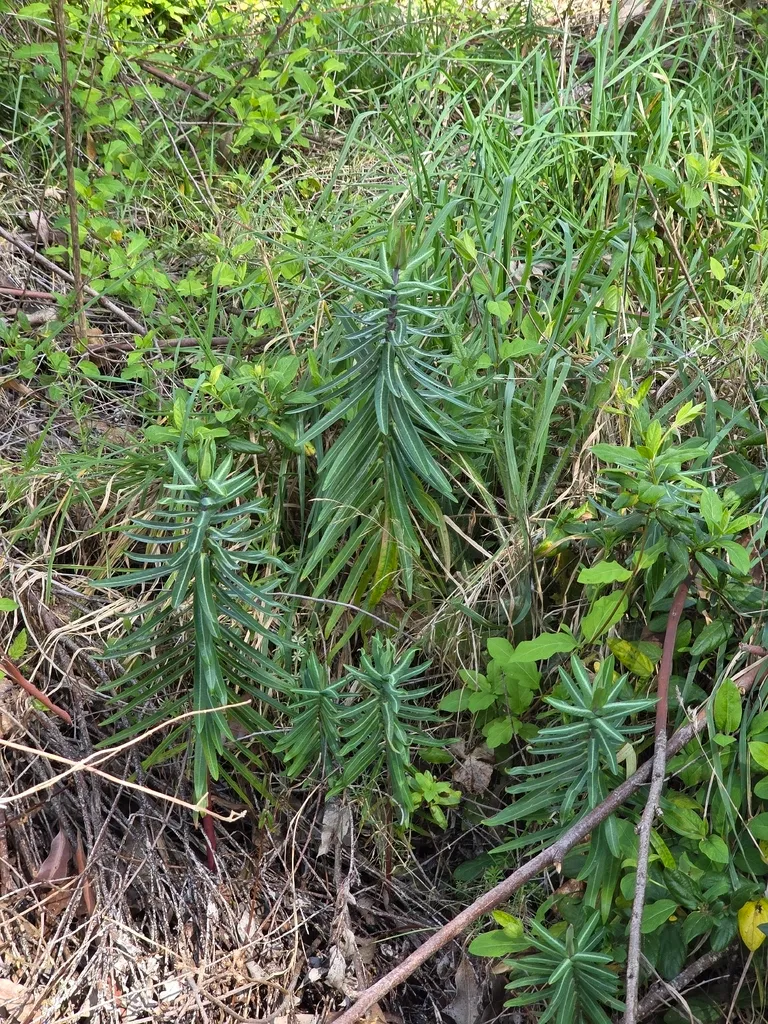
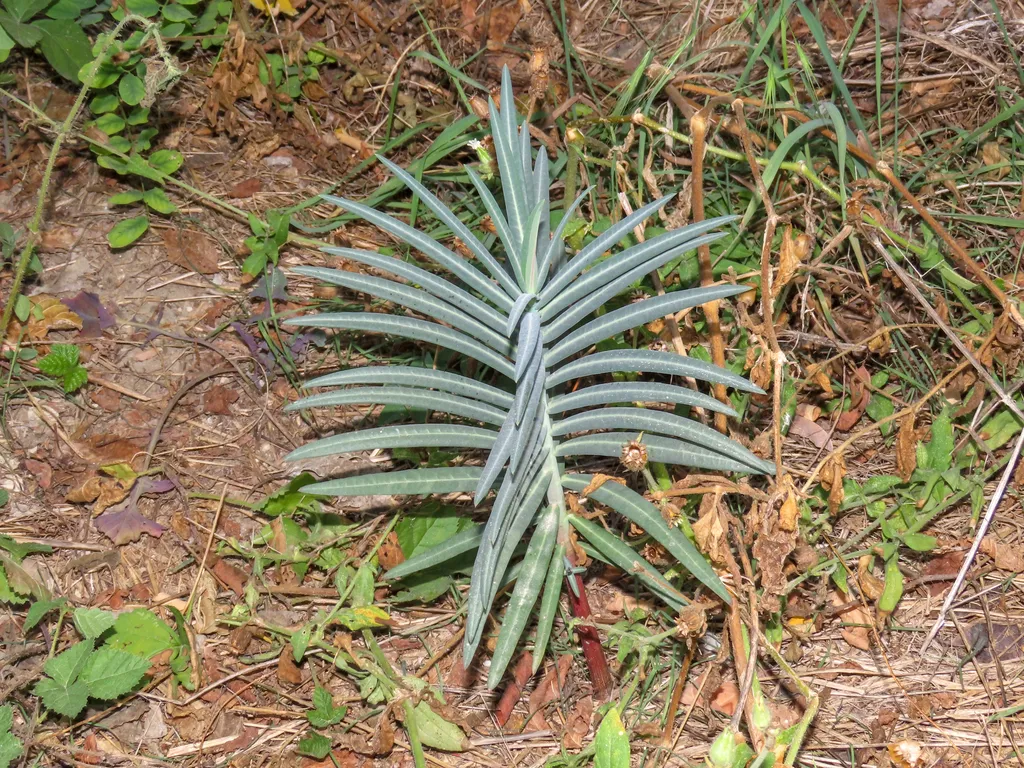
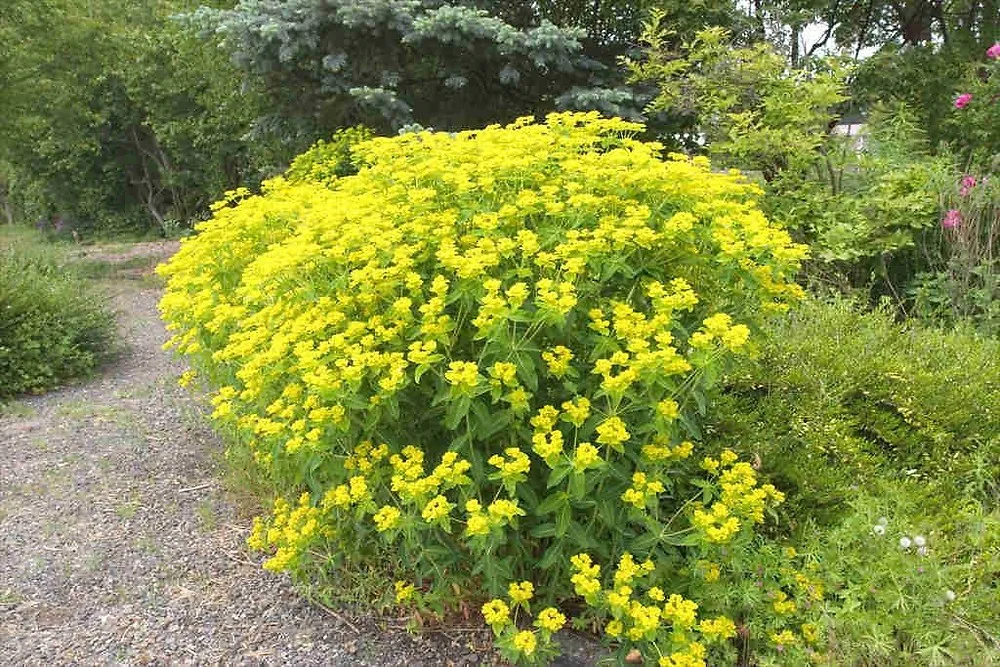
An upright annual/biennial, reaching 1.2m in height, with narrow, lance-shaped dark-green leaves, up to 15cm long, held in regimented horizontal pairs on unbranched stems. Small yellow-green flowers, up to 4mm in diameter, are borne from late spring into summer and are followed by green seeds held in clusters of three, ripening to brown
Scientific classification
- Species
- caper spurge (Euphorbia lathyris)
- Genus
- Euphorbia
- Family
- Euphorbiaceae
- Order
- Malpighiales
- Class
- Magnoliopsida
- Phylum
- Magnoliophyta
- IRRITANT to skin/eye, harmful if eaten. Wear gloves and other protective equipment when handling]
- Toxicity
- Annual Biennial
- Plant type
- 1-1.5 metres
- Height
- 0.1-0.5 metres
- Spread
- Evergreen
- Foliage
- Columnar upright
- Habit
- Spring · Summer · Autumn · Winter
- Season of interest
- Full sun · Partial shade
- Sunlight
- Information to be completed
- Ideal temperature









caper spurge pictures
Distribution of caper spurge
Distribution map
Europe
Toxicity
IRRITANT to skin/eye, harmful if eaten. Wear gloves and other protective equipment when handling]
caper spurge care guide
- Infrequent watering, fully dry soil between each thorough watering
- Watering
- Full sun · Partial shade
- Sunlight

Watering
Infrequent watering, fully dry soil between each thorough watering
Fertilizing
 Fertilizing
Low-nitrogen diluted feed only once monthly in summer growth time
Pruning
 Pruning
None required
Propagation
 Propagation
Propagate by seed in spring
Growing
 Growing
Prefers a well-drained soil in full sun but will tolerate moist soils and shady conditions. Readily self-seeds so may have the potential to become a nuisance; remove flowers as they fade to limit spread. See Euphorbia for further advice
Common pests and diseases
Diseases
Generally disease-free
Pests
Generally pest-free
Explore the plant health library →




