
Radde’s fritillary
Also known as: dwarf crown imperial
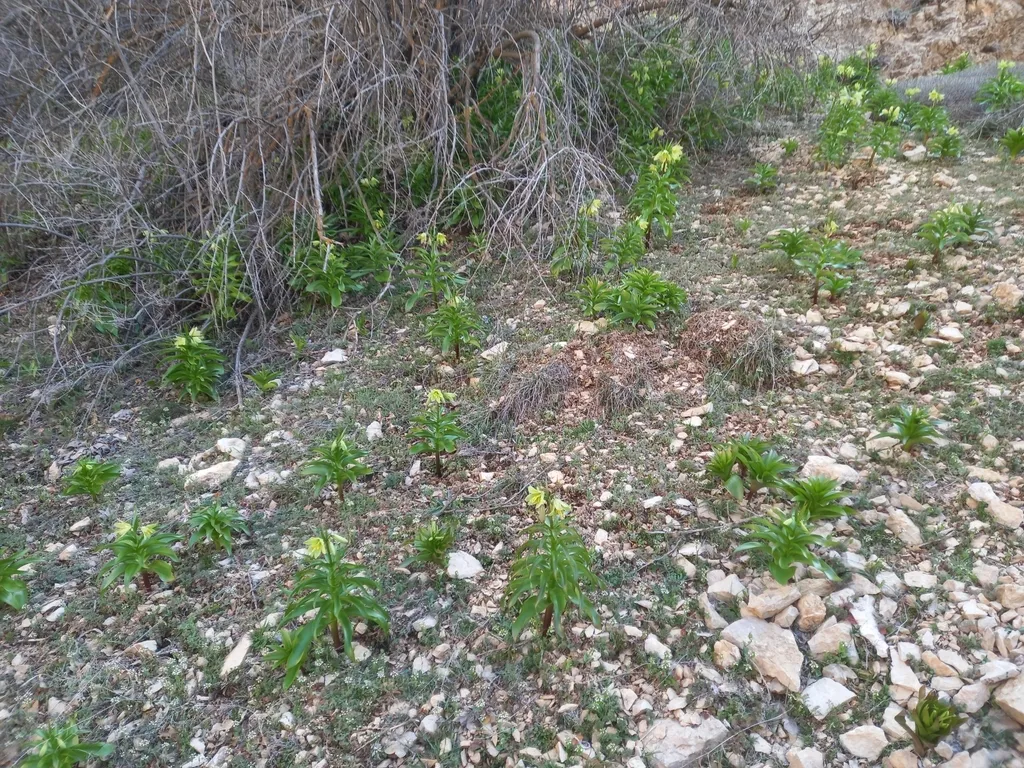
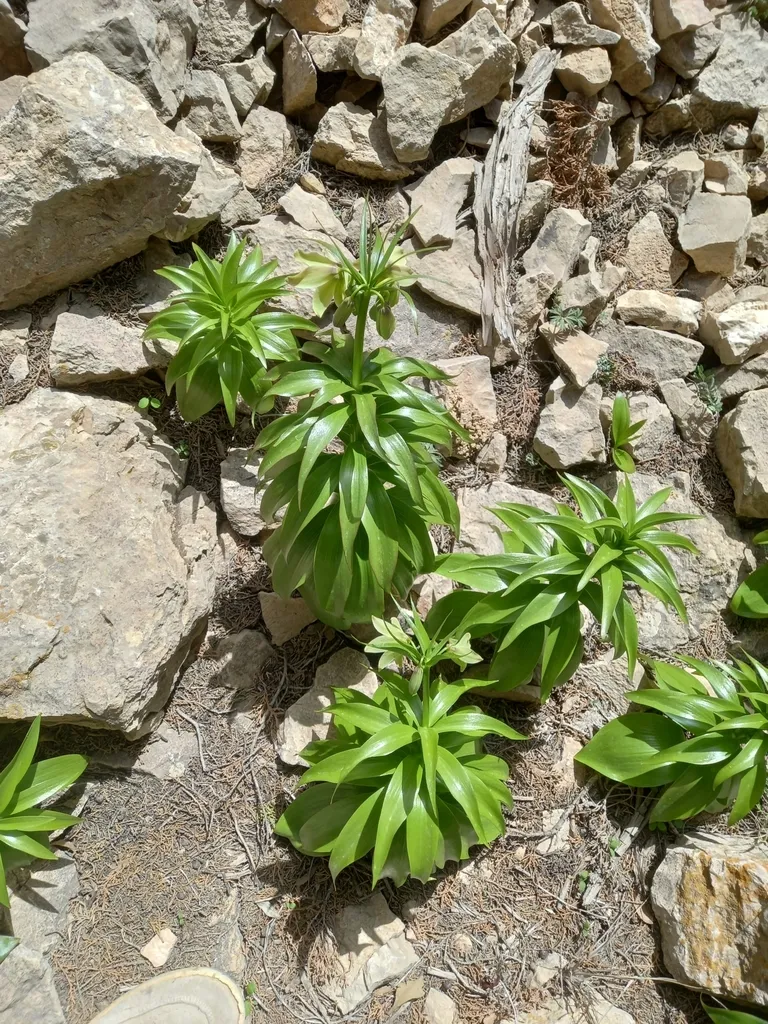
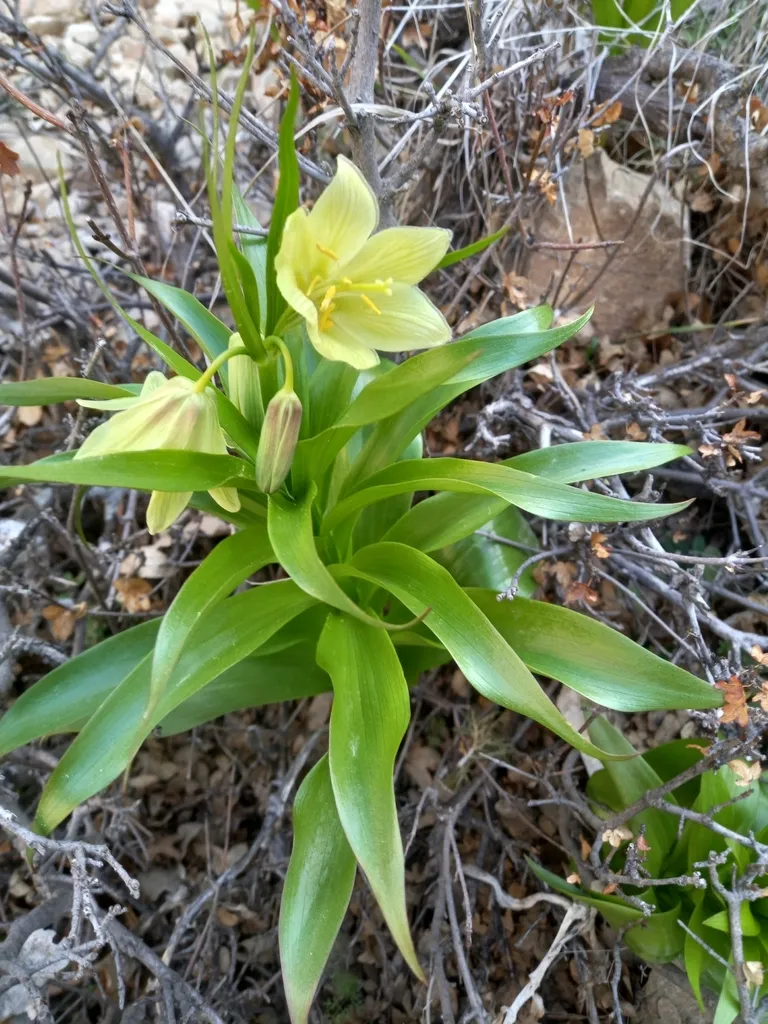
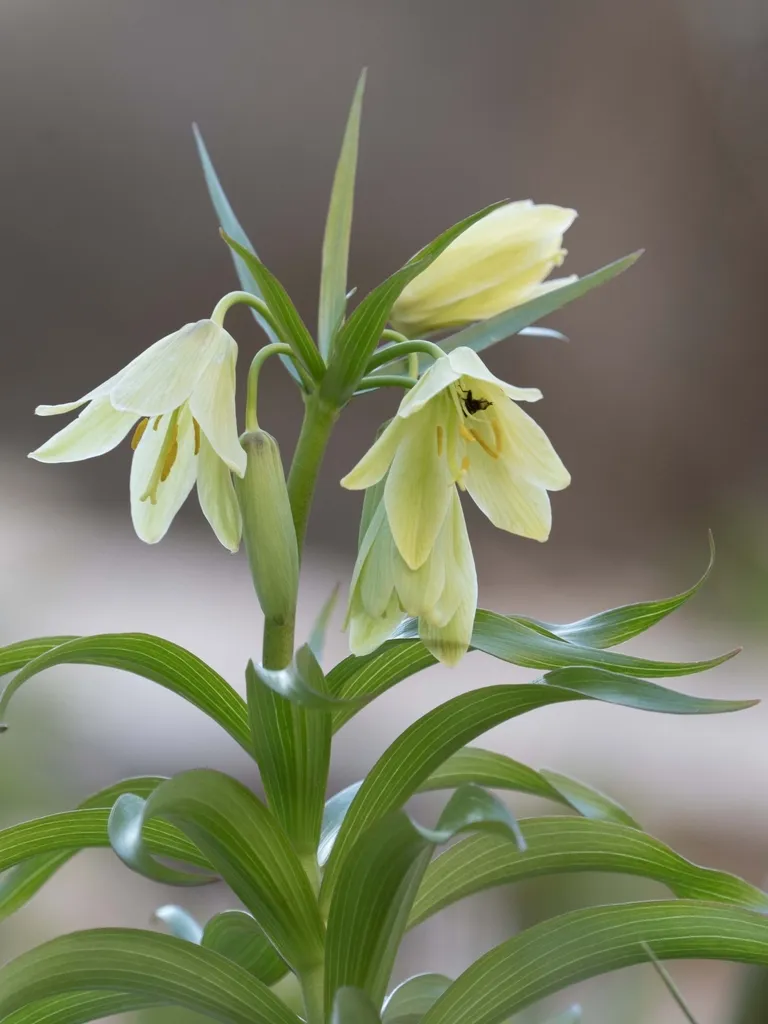
A bulbous perennial, to 60cm tall, with alternate, glossy, slender, pale green leaves to 15cm long, borne on erect stems. In early spring, greenish-cream or pale yellow, broadly bell-shaped, nodding flowers are borne in umbels of 5 or 6, occasionally to 20, and topped with leaf-like bracts
Scientific classification
- Species
- Radde’s fritillary (Fritillaria raddeana)
- Genus
- Fritillaria
- Family
- Liliaceae
- Order
- Liliales
- Class
- Liliopsida
- Phylum
- Tracheophyta
- Ornamental bulbs - not to be eaten. Wear gloves and other protective equipment when handling
- Toxicity
- Bulbs
- Plant type
- 0.5-1 metres
- Height
- 0.1-0.5 metres
- Spread
- Deciduous
- Foliage
- Clump forming
- Habit
- Spring · Summer
- Season of interest
- Full sun · Partial shade
- Sunlight
- Information to be completed
- Ideal temperature









Radde’s fritillary pictures
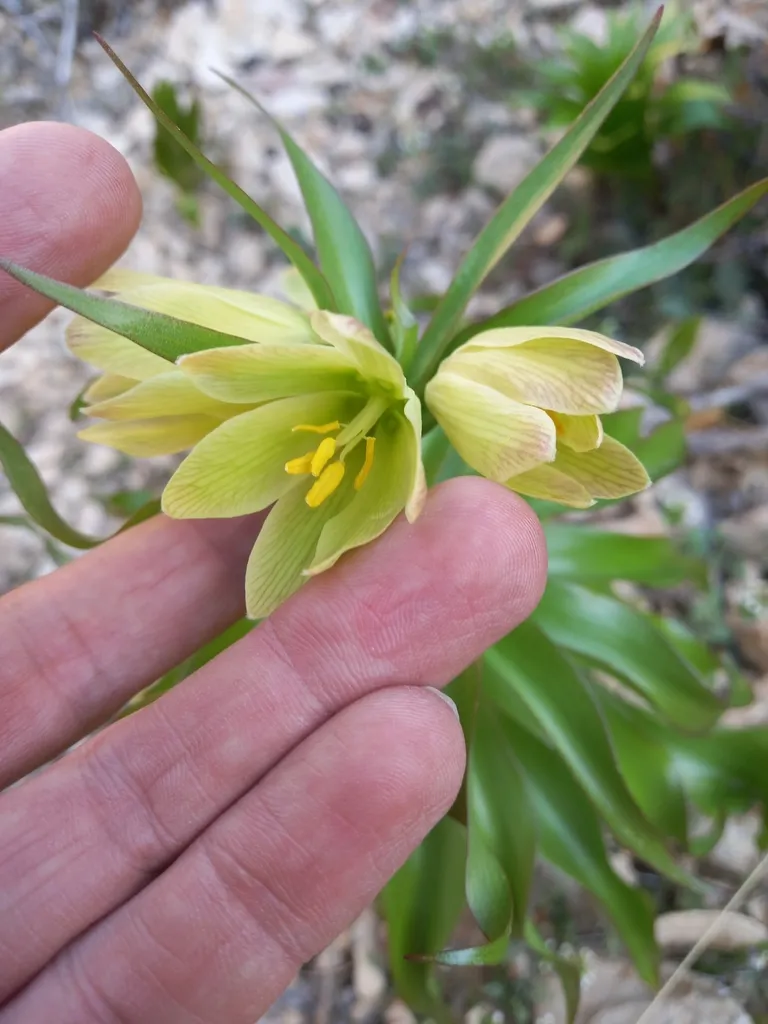
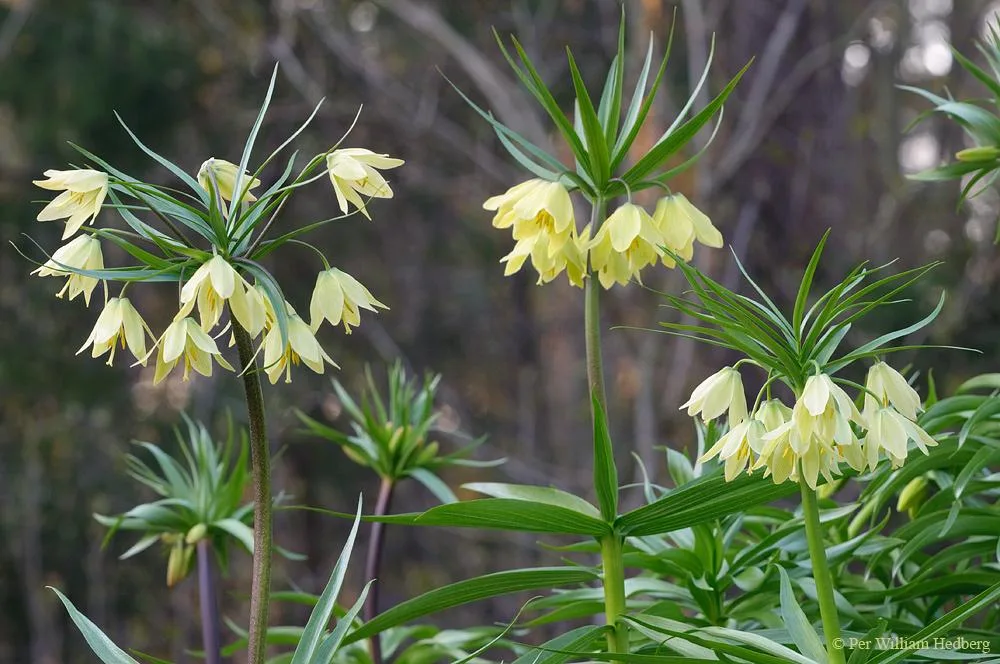
Distribution of Radde’s fritillary
Distribution map
- Native
- Introduced
- Cultivated
Source:WCVP v16 · Royal Botanic Gardens, Kew · CC BY 3.0 · Boundaries:WGSRPD / TDWG
Toxicity
Ornamental bulbs - not to be eaten. Wear gloves and other protective equipment when handling
Radde’s fritillary care guide
- Water moderately during growth, keep dry during summer dormancy.
- Watering
- Full sun · Partial shade
- Sunlight

Watering
Water moderately during growth, keep dry during summer dormancy.
Fertilizing
 Fertilizing
Apply a bulb fertilizer in early spring and a light feed after flowering.
Pruning
 Pruning
No pruning required
Propagation
 Propagation
Propagate by division of offsets in late summer; propagate by seed in autumn
Growing
 Growing
Grows in a range of conditions from fertile well-drained soils in full sun to humus-rich, moisture-retentive soils in full sun or light shade. Handle the fragile bulbs carefully and plant at four times own depth
Common pests and diseases
Diseases
Generally disease-free
Pests
May be susceptible to slugs and lily beetle
Explore the plant health library →




