
Ribes viburnifolium
Also known as: Information to be completed
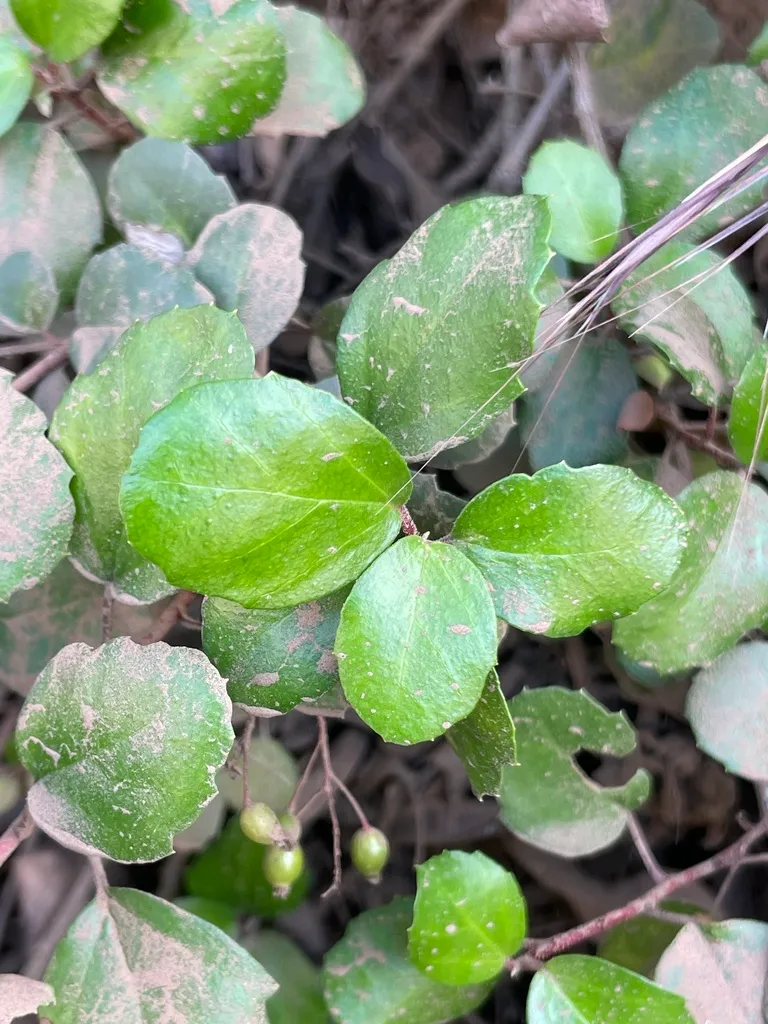
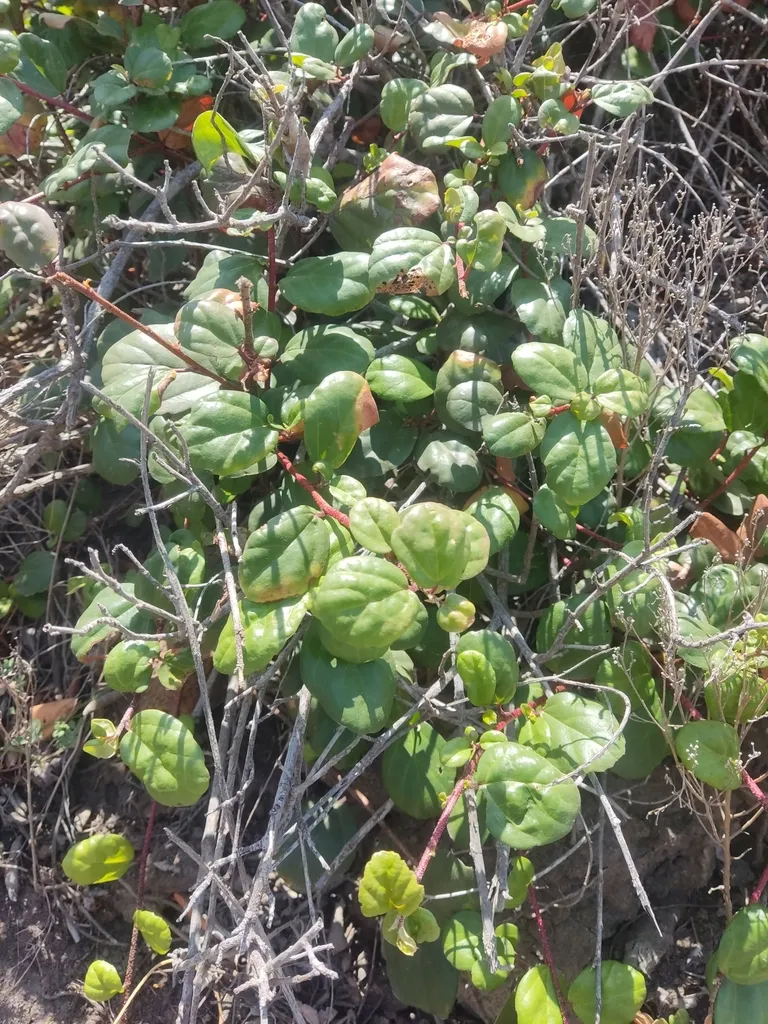
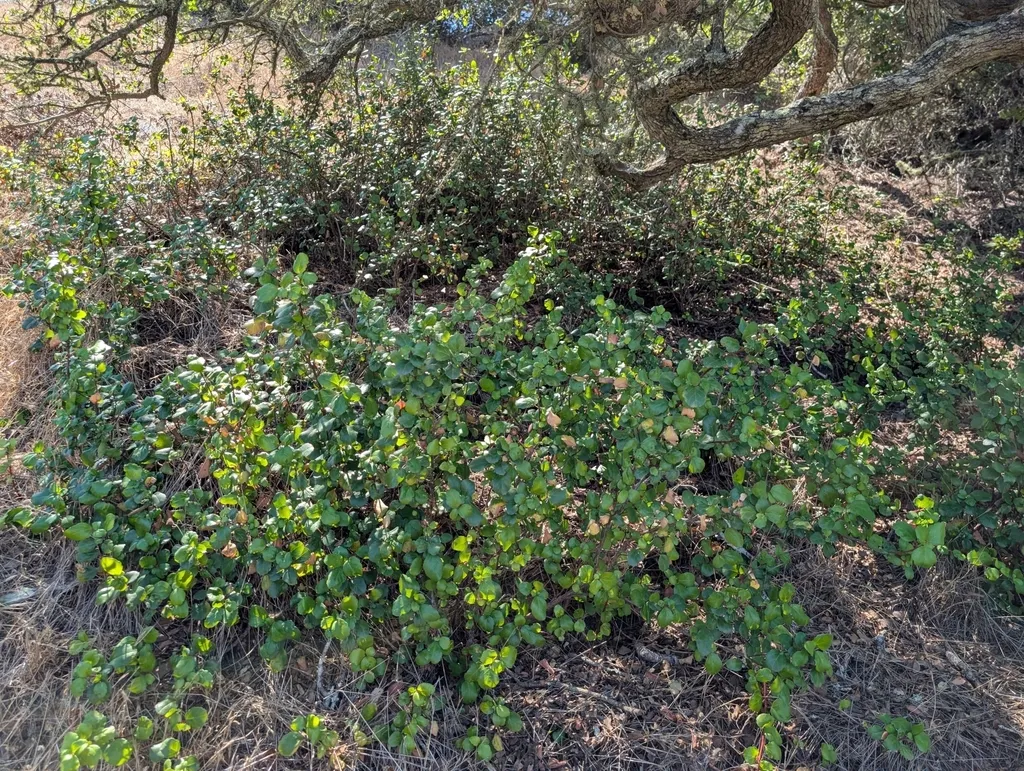
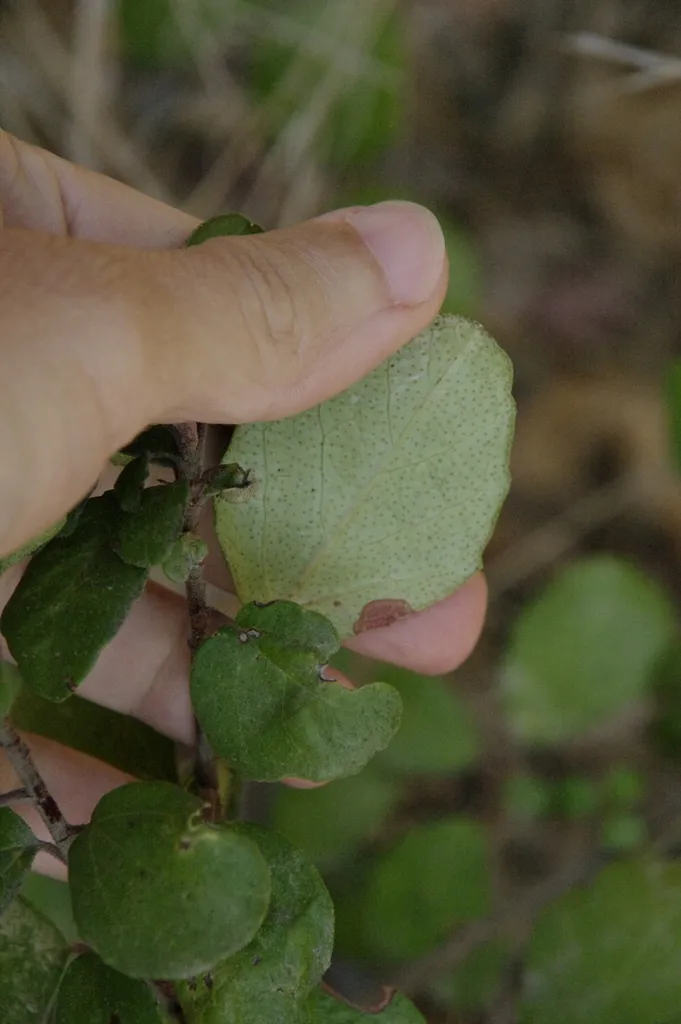
An evergreen shrub with long, slender, arching reddish stems, and broadly oval, glossy deep green leaves that are aromatic when crushed. Clusters of small reddish-pink flowers are produced in early spring, and followed by round red berries that are popular with birds
Scientific classification
- Species
- Ribes viburnifolium (Ribes viburnifolium)
- Genus
- Ribes
- Family
- Grossulariaceae
- Information to be completed
- Toxicity
- Shrubs
- Plant type
- 0.5-1 metres
- Height
- 1-1.5 metres
- Spread
- Evergreen
- Foliage
- Information to be completed
- Habit
- Spring · Summer · Autumn · Winter
- Season of interest
- Partial shade · Full shade
- Sunlight
- Information to be completed
- Ideal temperature









Ribes viburnifolium pictures
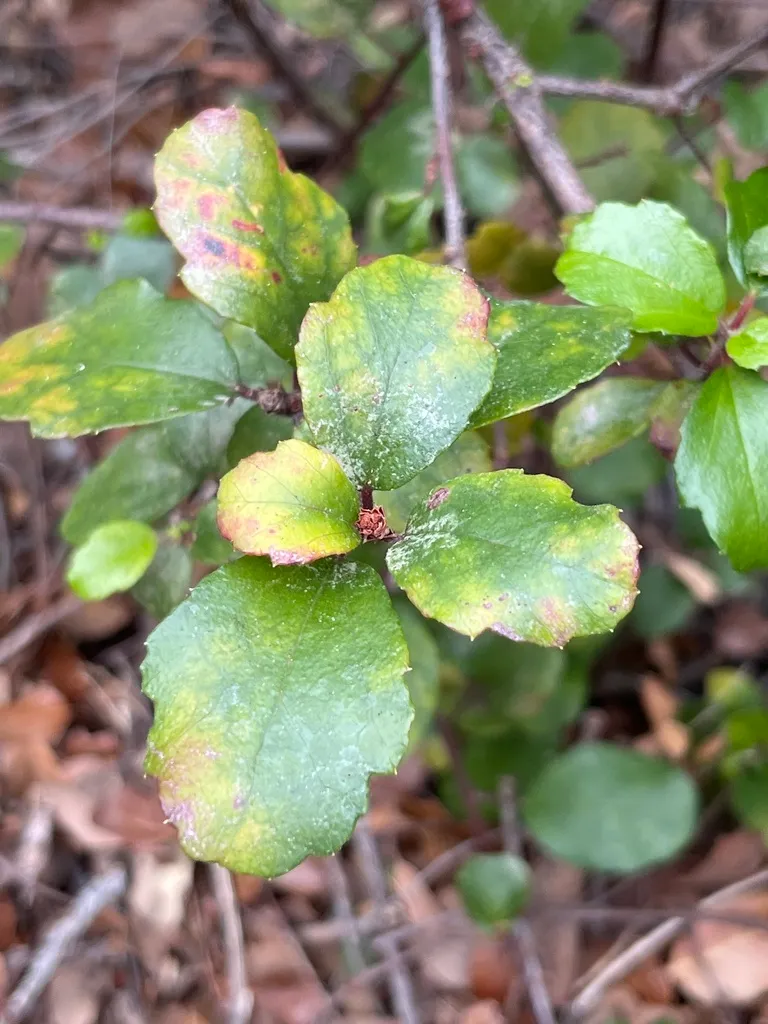
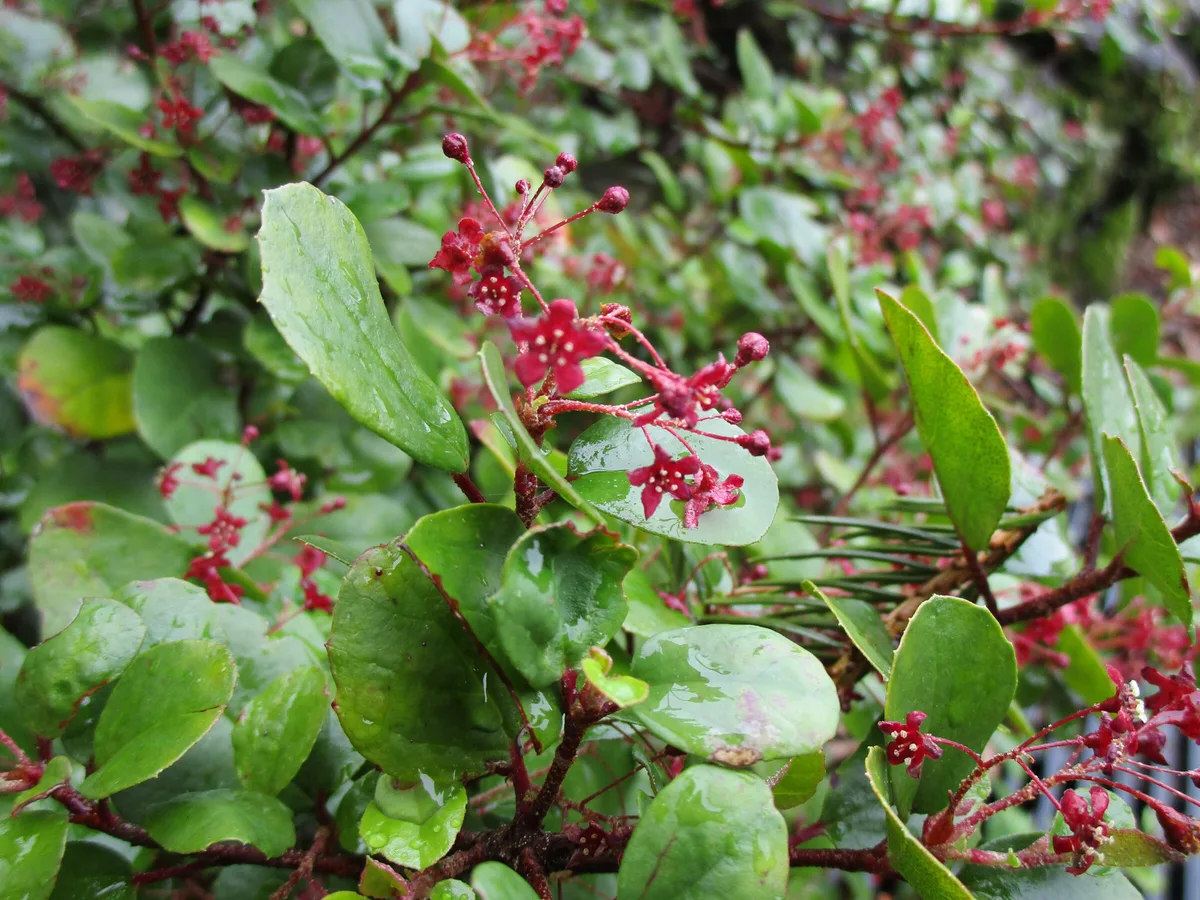
Distribution of Ribes viburnifolium
Distribution map
- Native
- Introduced
- Cultivated
Source:WCVP v16 · Royal Botanic Gardens, Kew · CC BY 3.0 · Boundaries:WGSRPD / TDWG
Culture
Information to be completed
Toxicity
Information to be completed
Quick identification of Ribes viburnifolium
Information to be completed
Ribes viburnifolium care guide
- Moderate deep watering during dry periods, free drainage preferred
- Watering
- Partial shade · Full shade
- Sunlight
- Information to be completed
- Ideal temperature

Watering
Moderate deep watering during dry periods, free drainage preferred
Fertilizing
 Fertilizing
Balanced shrub feed once in spring
Pruning
 Pruning
No pruning required, though can be trimmed to create a bushier shape and will tolerate renovative pruning if necessary
Propagation
 Propagation
Propagate by seed, by semi-ripe cuttings or by layering; stems will sometimes root naturally as they spread
Growing
 Growing
Tolerates a range of soils. Useful ground cover for light shade in warmer regions
People also ask
Information to be completed
Common pests and diseases
Diseases
May be susceptible to a leaf spot, powdery mildews, coral spot and sometimes honey fungus
Pests
May be susceptible to gall mites, gall midges and aphids
Explore the plant health library →




