
blue moor-grass
Also known as: Information to be completed
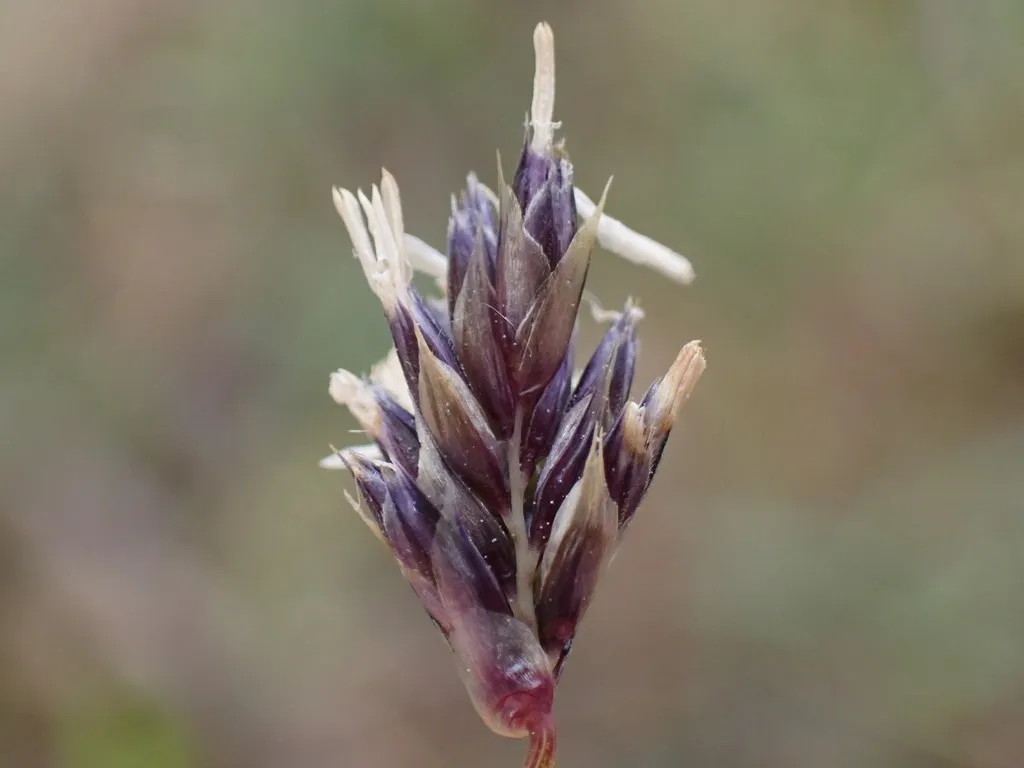
S. caerulea is a compact, tufted evergreen grass with bluntly pointed, linear leaves, blue-green on the upper side, dark glossy green beneath; small, egg-shaped purplish flower heads open in spring, soon fading to pale buff
Scientific classification
- Species
- blue moor-grass (Sesleria caerulea)
- Genus
- Sesleria
- Family
- Poaceae
- Information to be completed
- Toxicity
- Grass Like
- Plant type
- 0.1-0.5 metres
- Height
- 0.1-0.5 metres
- Spread
- Evergreen
- Foliage
- Bushy
- Habit
- Spring · Summer · Autumn · Winter
- Season of interest
- Full sun · Partial shade
- Sunlight
- Information to be completed
- Ideal temperature









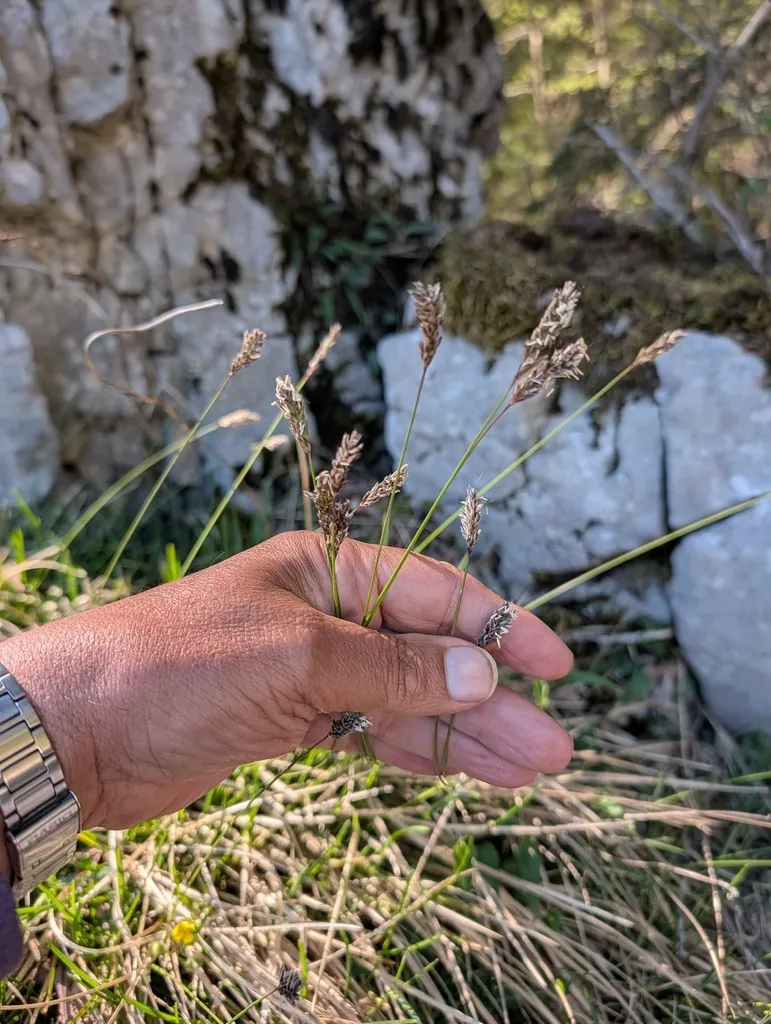
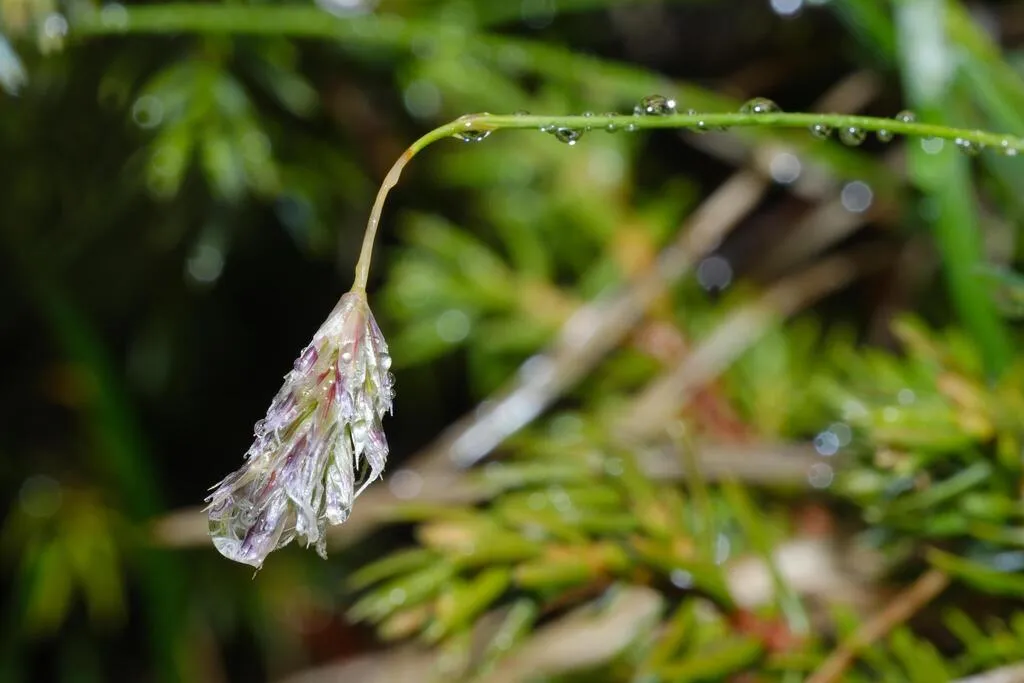
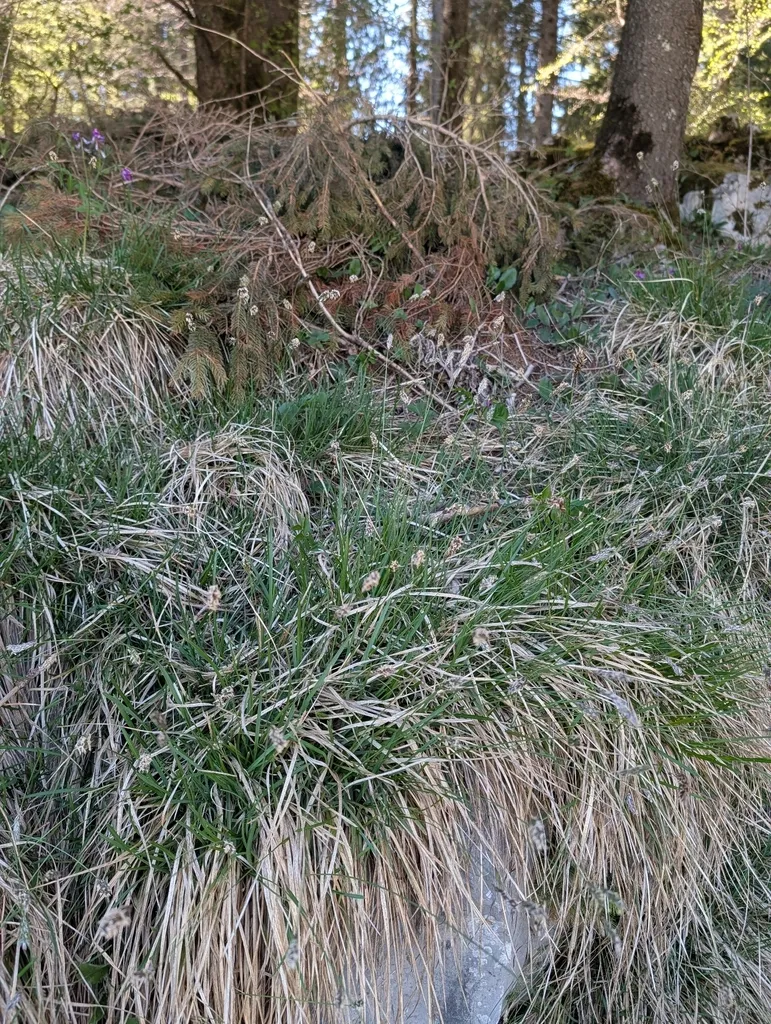
blue moor-grass pictures
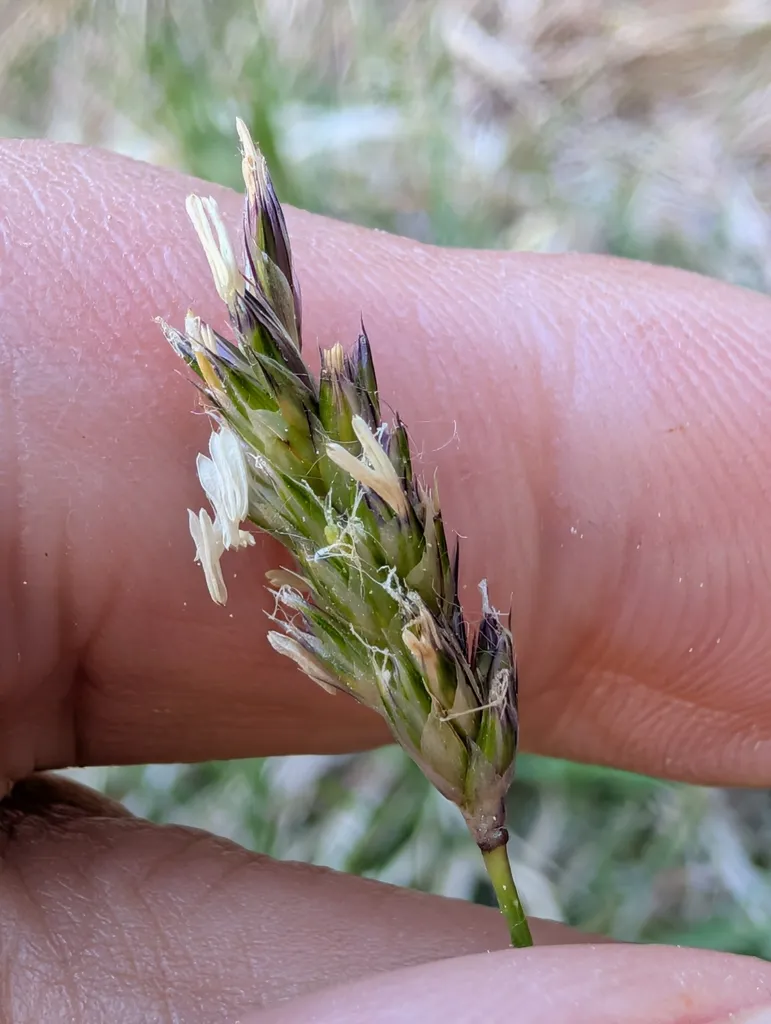
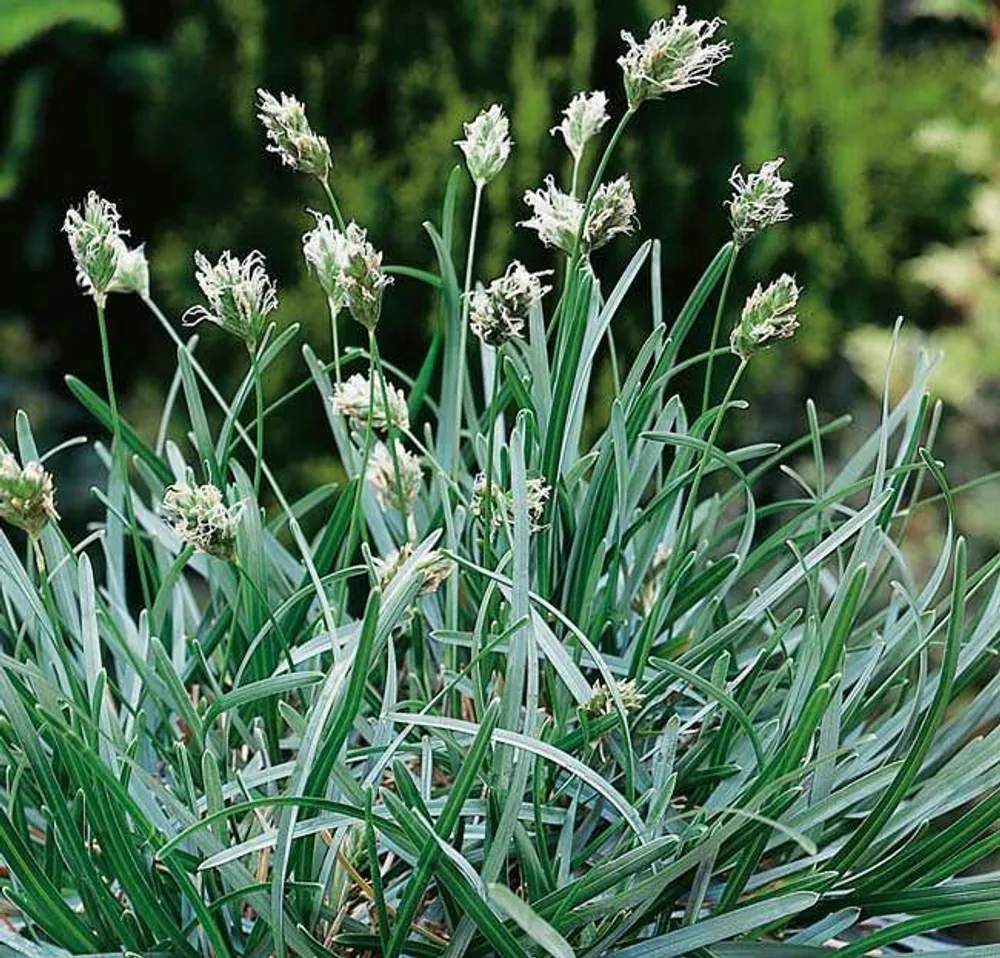
Distribution of blue moor-grass
Distribution map
Europe
Information to be completed
Culture
Information to be completed
Toxicity
Information to be completed
Quick identification of blue moor-grass
Information to be completed
blue moor-grass care guide
- Average watering needs, tolerate brief dry spells once root system matures
- Watering
- Full sun · Partial shade
- Sunlight
- Information to be completed
- Ideal temperature

Watering
Average watering needs, tolerate brief dry spells once root system matures
Fertilizing
 Fertilizing
Light grass feed once annually at onset of spring new growth
Pruning
 Pruning
Remove dead foliage as necessary
Propagation
 Propagation
Propagate by seed in containers in a cold frame in spring or autumn
Growing
 Growing
Grow in moderately fertile, well-drained, neutral to slightly alkaline soil in full sun or dappled shade. See ornamental grasses cultivation for further advice
People also ask
Information to be completed
Common pests and diseases
Diseases
Generally trouble free
Pests
Generally trouble free
Explore the plant health library →




