
shrubby cinquefoil 'Elizabeth'
Also known as: Information to be completed
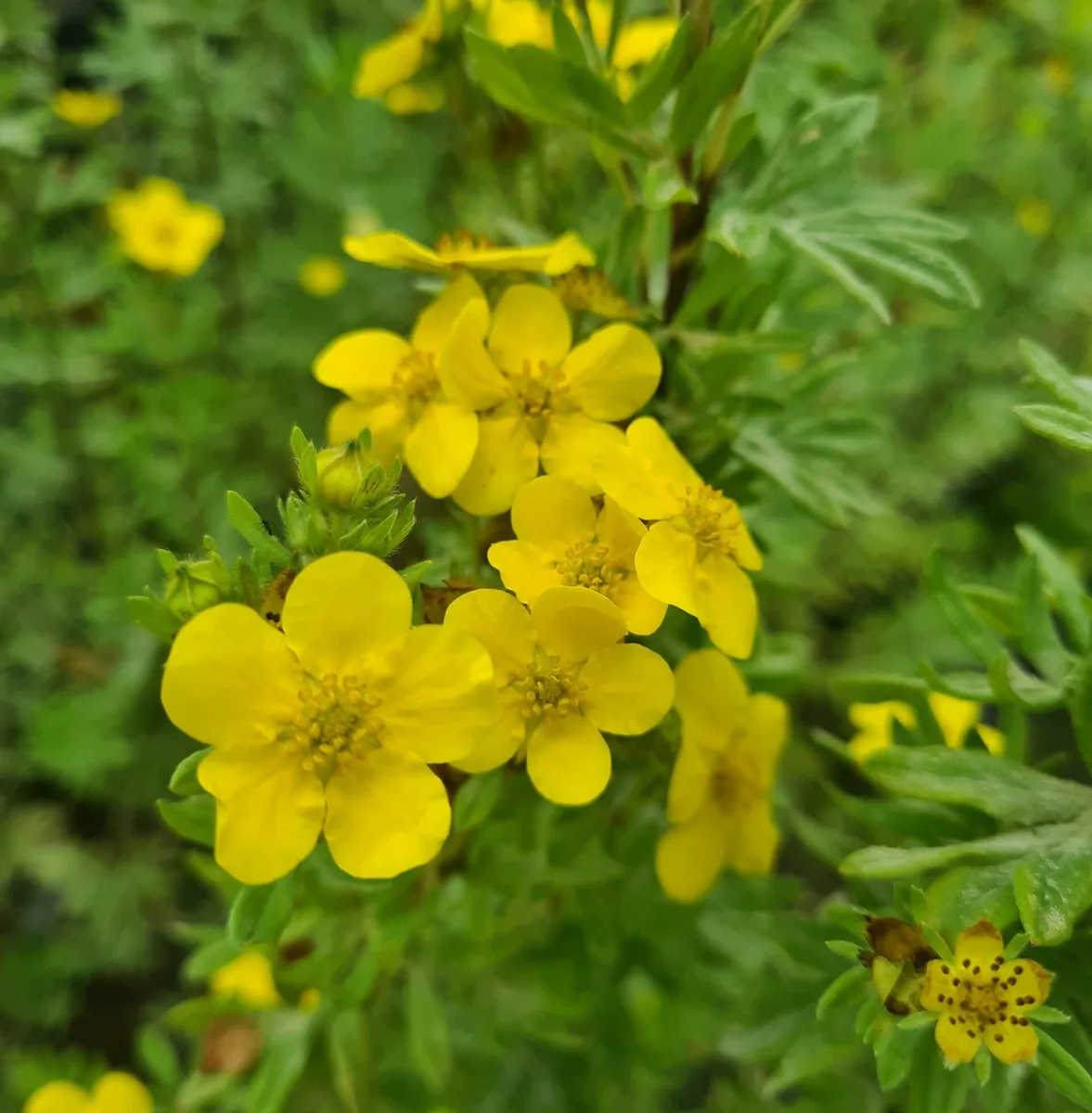
A spreading deciduous shrub to 90cm tall, with pinnate grey-green leaves and primrose yellow flowers from late spring to early autumn
Scientific classification
- Species
- shrubby cinquefoil 'Elizabeth' (Potentilla fruticosa 'Elizabeth')
- Genus
- Potentilla
- Family
- Rosaceae
- Order
- Rosales
- Class
- Magnoliopsida
- Phylum
- Magnoliophyta
- Fruit are ornamental - not to be eaten. Wear gloves and other protective equipment when handling
- Toxicity
- Shrubs
- Plant type
- 0.5-1 metres
- Height
- 0.5-1 metres
- Spread
- Deciduous
- Foliage
- Bushy
- Habit
- Spring · Summer · Autumn
- Season of interest
- Full sun · Partial shade
- Sunlight
- Information to be completed
- Ideal temperature









shrubby cinquefoil 'Elizabeth' pictures
Distribution of shrubby cinquefoil 'Elizabeth'
Distribution map
- Native
- Introduced
- Cultivated
Source:WCVP v16 · Royal Botanic Gardens, Kew · CC BY 3.0 · Boundaries:WGSRPD / TDWG
Toxicity
Fruit are ornamental - not to be eaten. Wear gloves and other protective equipment when handling
shrubby cinquefoil 'Elizabeth' care guide
- Moderate watering, withstand brief dry warm summer weather spells
- Watering
- Full sun · Partial shade
- Sunlight

Watering
Moderate watering, withstand brief dry warm summer weather spells
Fertilizing
 Fertilizing
Shrubby potentilla slow release feed once per early spring annually
Pruning
 Pruning
Shorten flowered shoots to about 1.5–2.5 cm from the previous year's growth. If flowering is on last year's growth, prune after flowering; if on current-year growth, prune the following early to mid-spring.
Propagation
 Propagation
Propagate by softwood cuttings in early summer
Growing
 Growing
Easy to grow well in most soils but flowers fade more rapidly in full sun and last longer in moister soils
Common pests and diseases
Diseases
May sometimes be susceptible to honey fungus
Pests
Generally pest-free
Explore the plant health library →




