
geranium 'The Boar'
Also known as: Information to be completed
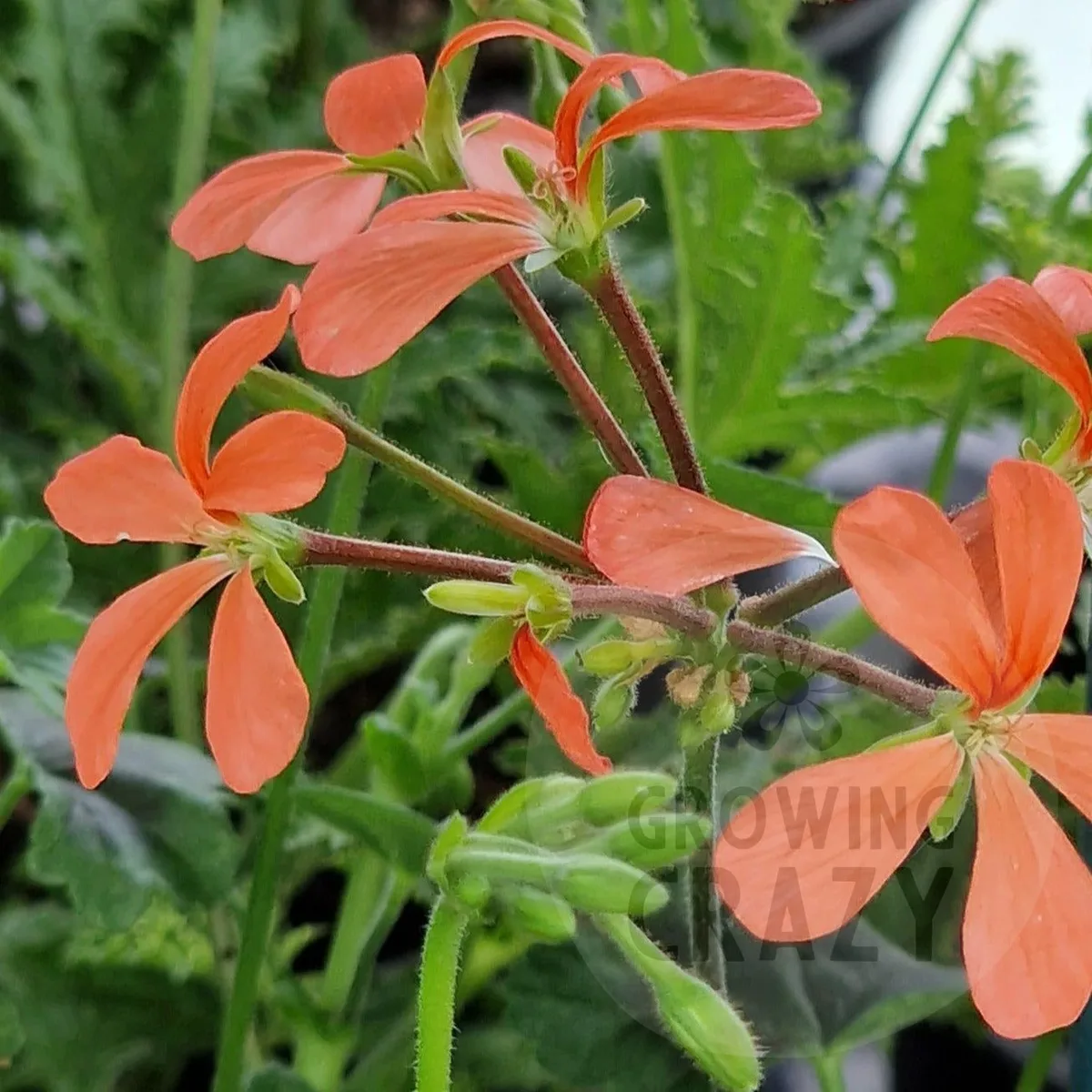
A compact, bushy herbaceous perennial with lax trailing stems to 40cm tall; rounded, purple-centred leaves and lax clusters of single, salmon-pink flowers in spring and summer
Scientific classification
- Species
- geranium 'The Boar' (Pelargonium 'The Boar')
- Genus
- Pelargonium
- Family
- Geraniaceae
- Order
- Geraniales
- Class
- Magnoliopsida
- Phylum
- Magnoliophyta
- Information to be completed
- Toxicity
- Conservatory Greenhouse · Herbaceous Perennial
- Plant type
- 0.1-0.5 metres
- Height
- 0.1-0.5 metres
- Spread
- Evergreen
- Foliage
- Bushy
- Habit
- Spring · Summer · Autumn · Winter
- Season of interest
- Full sun · Partial shade
- Sunlight
- Information to be completed
- Ideal temperature









geranium 'The Boar' pictures
geranium 'The Boar' care guide
- Moderate regular watering, allowing brief slight drying between soakings
- Watering
- Full sun · Partial shade
- Sunlight

Watering
Moderate regular watering, allowing brief slight drying between soakings
Fertilizing
 Fertilizing
Balanced perennial feed every four weeks from spring through summer
Pruning
 Pruning
Cut back top growth by up to two thirds and repot overwintering plants as they are resuming new growth in the late winter/early spring
Propagation
 Propagation
Take softwood cuttings in spring, late summer or early autumn
Growing
 Growing
Under glass grow in a loamless, or well drained, loam based compost (JI No 2) in full light but with protection from hot sun. Water moderately when the plant is in active growth and feed with a balanced fertiliser in spring, switching to a high potash fertiliser from early summer until autumn. Outside, grow in a neutral to alkaline soil in full sun. Lift in the autumn and keep plants dry, in bright light and frost free conditions until the spring. See Pelargonium cultivation for further advice.
Common pests and diseases
Diseases
May be susceptible to grey mould and black leg
Pests
May be susceptible to vine weevils, leaf hoppers, aphids, root mealybugs, caterpillars, western flower thrips, sciarid flies
Explore the plant health library →




