
cabbage thistle
Also known as: meadow distaff
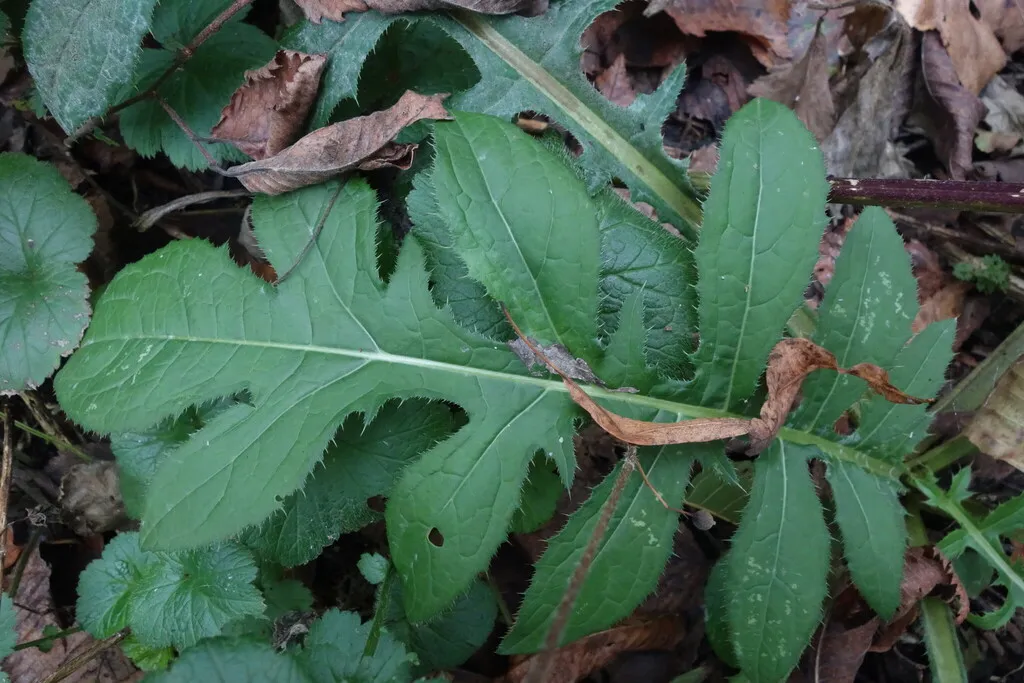
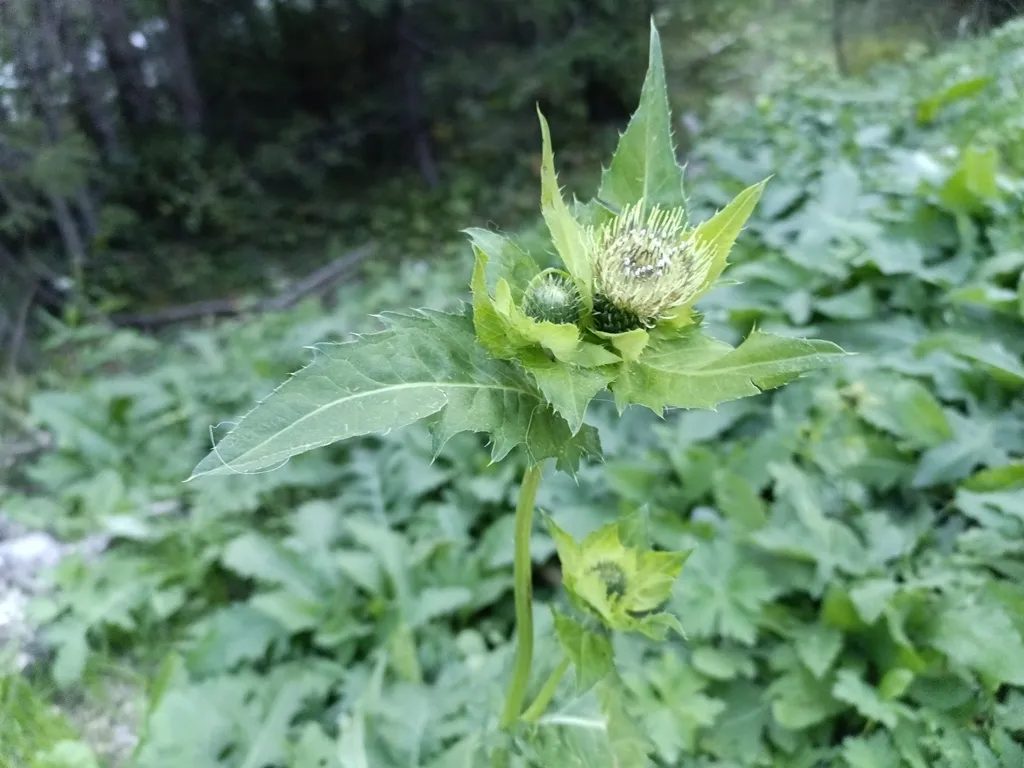
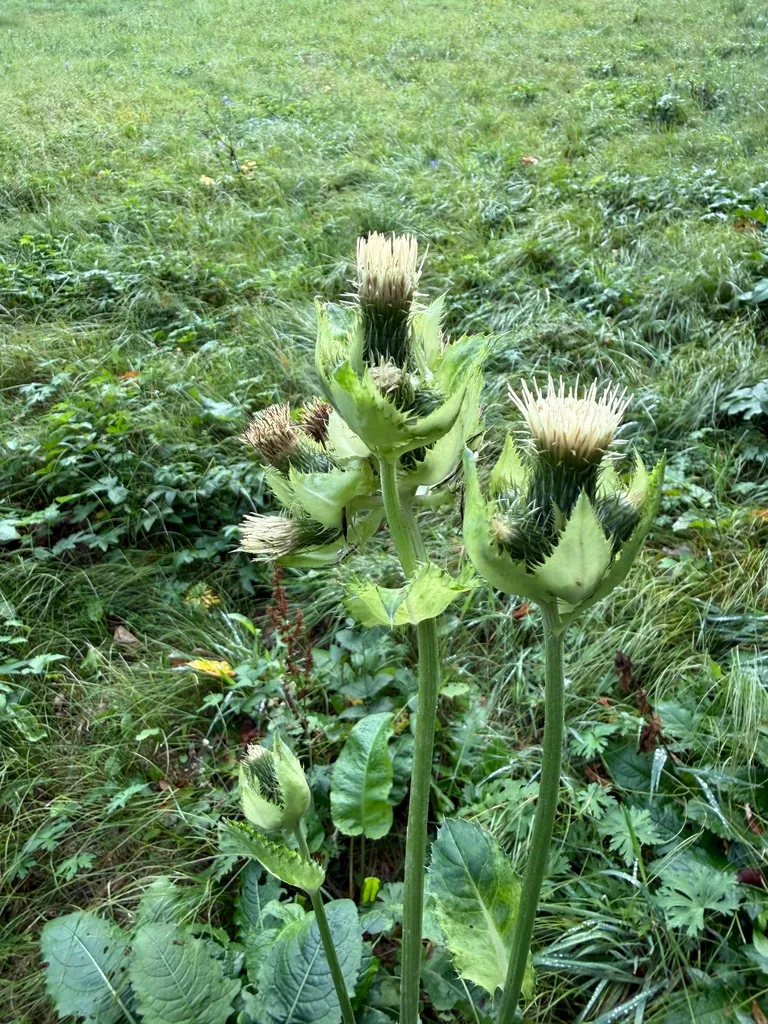
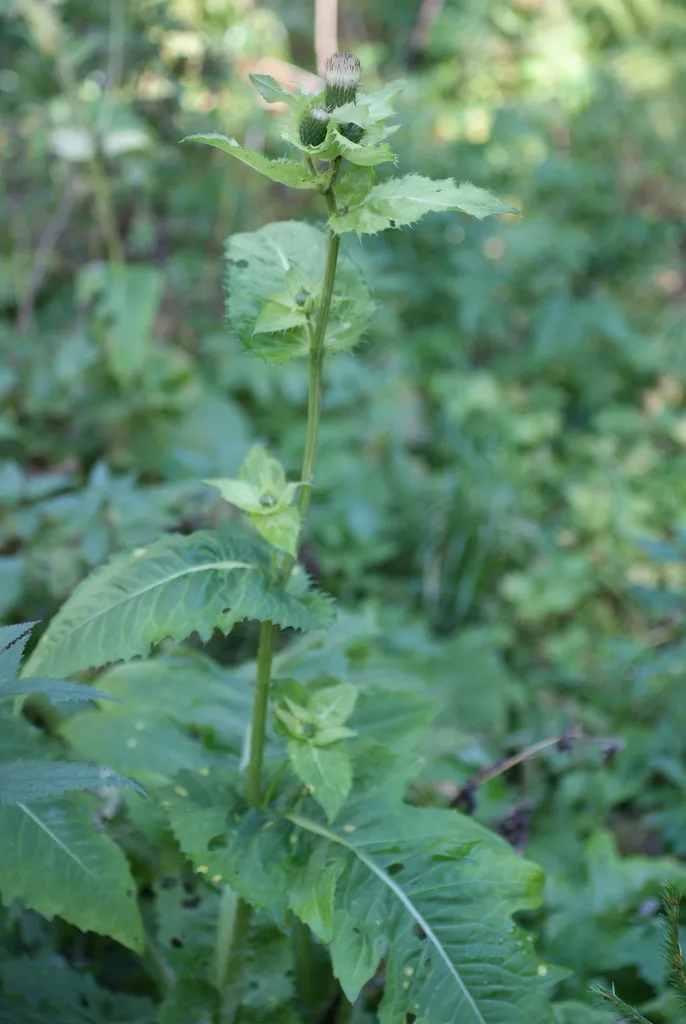
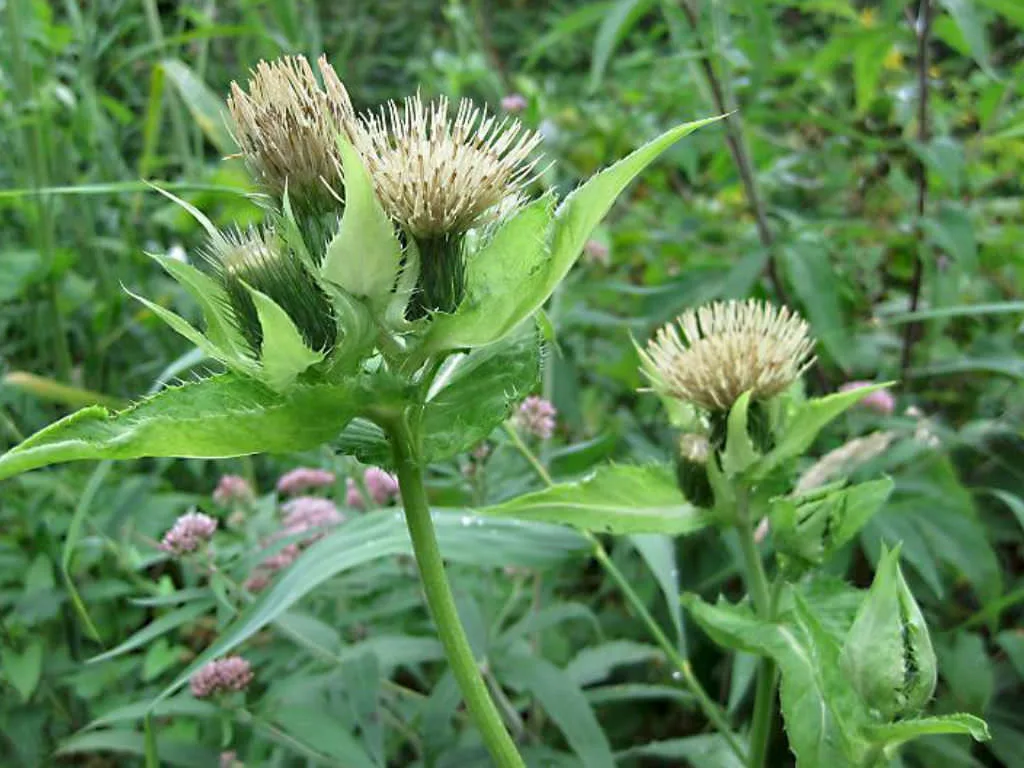
A clump-forming perennial up to 1.2m tall. The deeply lobed, mid-green leaves have softly-spiny edges. In late summer and early autumn produces terminal clusters of creamy, thistle flowers, surrounded by large green bracts. Has been used as a vegetable
Scientific classification
- Species
- cabbage thistle (Cirsium oleraceum)
- Genus
- Cirsium
- Family
- Asteraceae
- Information to be completed
- Toxicity
- Herbaceous Perennial
- Plant type
- 1-1.5 metres
- Height
- 0.1-0.5 metres
- Spread
- Deciduous
- Foliage
- Columnar upright
- Habit
- Spring · Summer · Autumn
- Season of interest
- Full sun · Partial shade
- Sunlight
- Information to be completed
- Ideal temperature









cabbage thistle pictures
Distribution of cabbage thistle
Distribution map
Europe
Information to be completed
Culture
Information to be completed
Toxicity
Information to be completed
Quick identification of cabbage thistle
Information to be completed
cabbage thistle care guide
- Moderate regular watering, allowing brief slight drying between soakings
- Watering
- Full sun · Partial shade
- Sunlight
- Information to be completed
- Ideal temperature

Watering
Moderate regular watering, allowing brief slight drying between soakings
Fertilizing
 Fertilizing
Balanced perennial feed every four weeks from spring through summer
Pruning
 Pruning
If self-seeding is a problem then cut back hard after flowering
Propagation
 Propagation
Propagate by seed sown in pots in a cold frame in spring or by division in spring
Growing
 Growing
Grow in moist, alkaline or neutral soil in sun or partial shade
People also ask
Information to be completed
Common pests and diseases
Diseases
Generally trouble free but powdery mildews may be a problem
Pests
Generally pest-free
Explore the plant health library →




