
amphibious bistort
Also known as: amphibious knot grass; floating polygonum; ground willow; water buckwheat; willow grass; heart's ease; water willow
A perennial marginal or aquatic plant, with long, slightly glossy green leaves with paler green veins. Produces short spikes densely packed with tiny pink flowers, from mid summer to early autumn
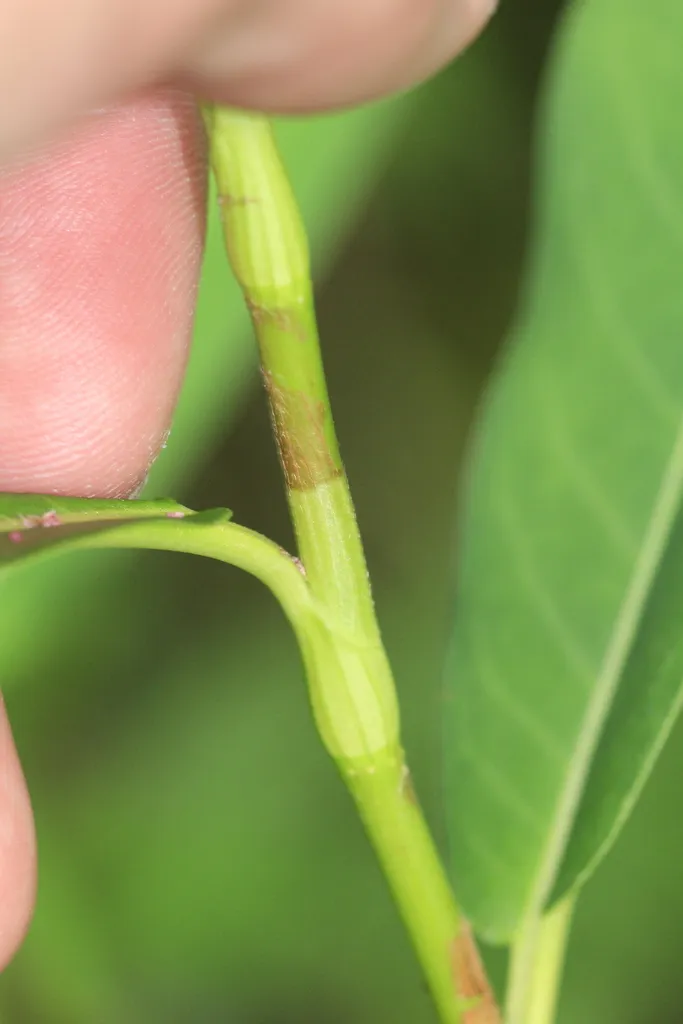
Scientific classification
- Species
- amphibious bistort (Persicaria amphibia)
- Genus
- Persicaria
- Family
- Polygonaceae
- Order
- Caryophyllales
- Class
- Magnoliopsida
- Phylum
- Magnoliophyta
- Information to be completed
- Toxicity
- Aquatic · Bogs · Herbaceous Perennial
- Plant type
- 0.1-0.5 metres
- Height
- 0.5-1 metres
- Spread
- Deciduous
- Foliage
- Clump forming
- Habit
- Spring · Summer · Autumn
- Season of interest
- Full sun · Partial shade
- Sunlight
- Information to be completed
- Ideal temperature









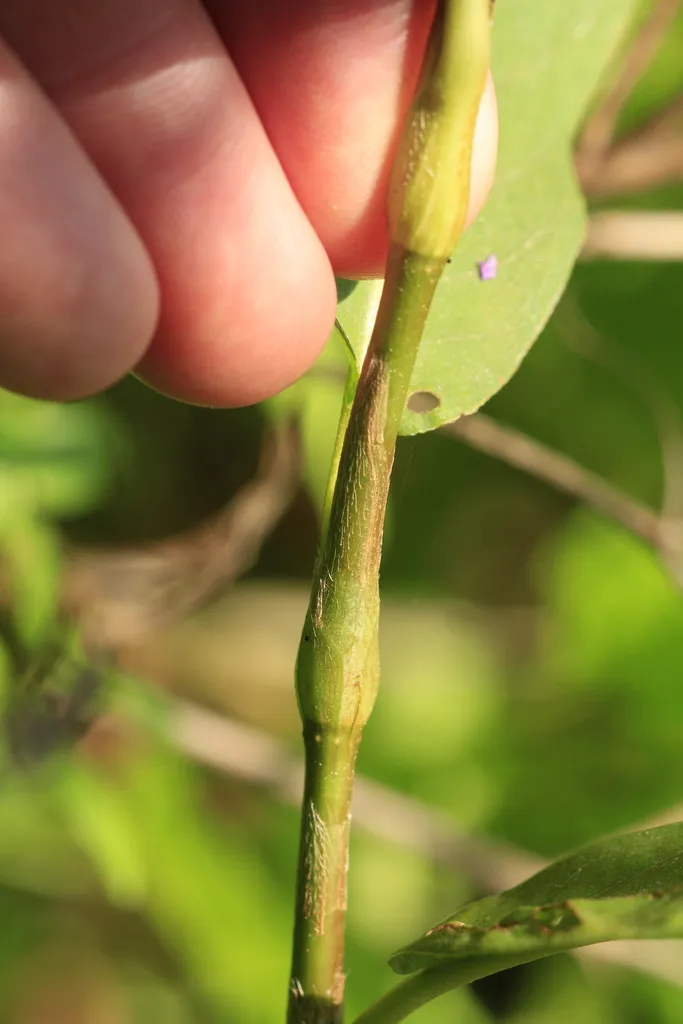
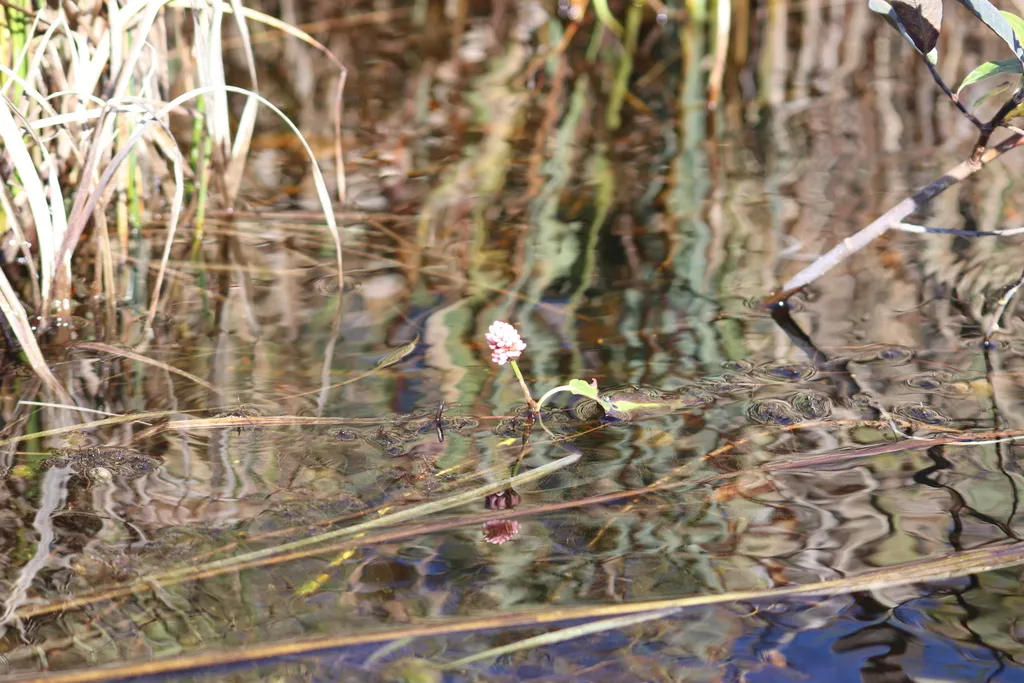
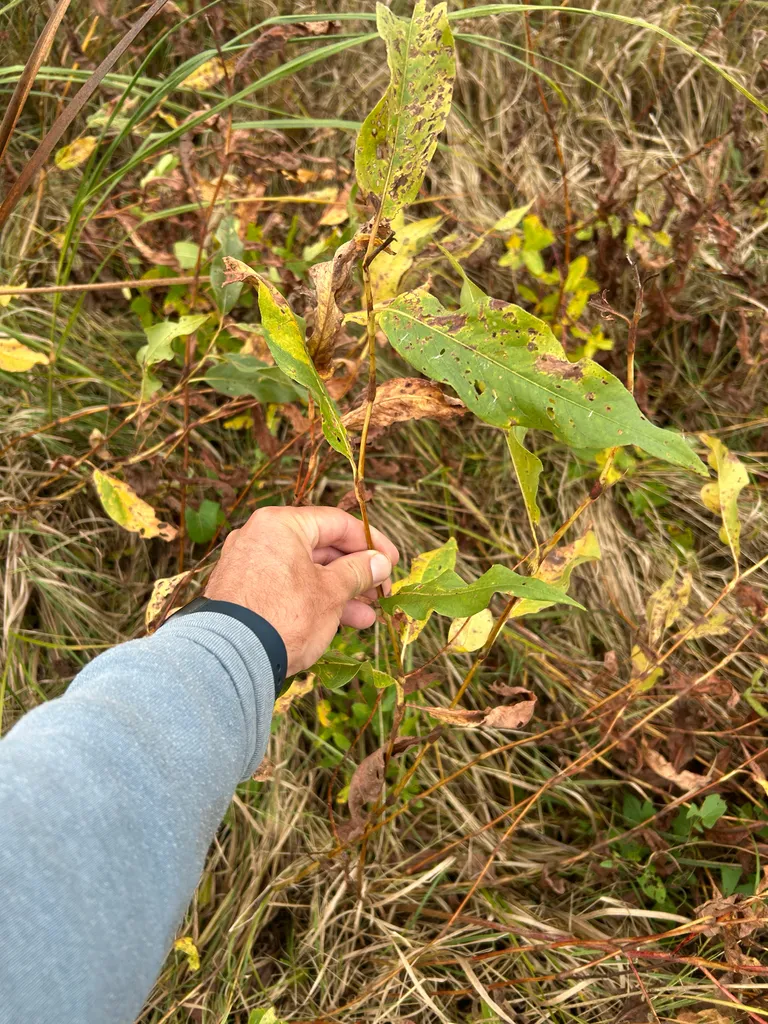
amphibious bistort pictures
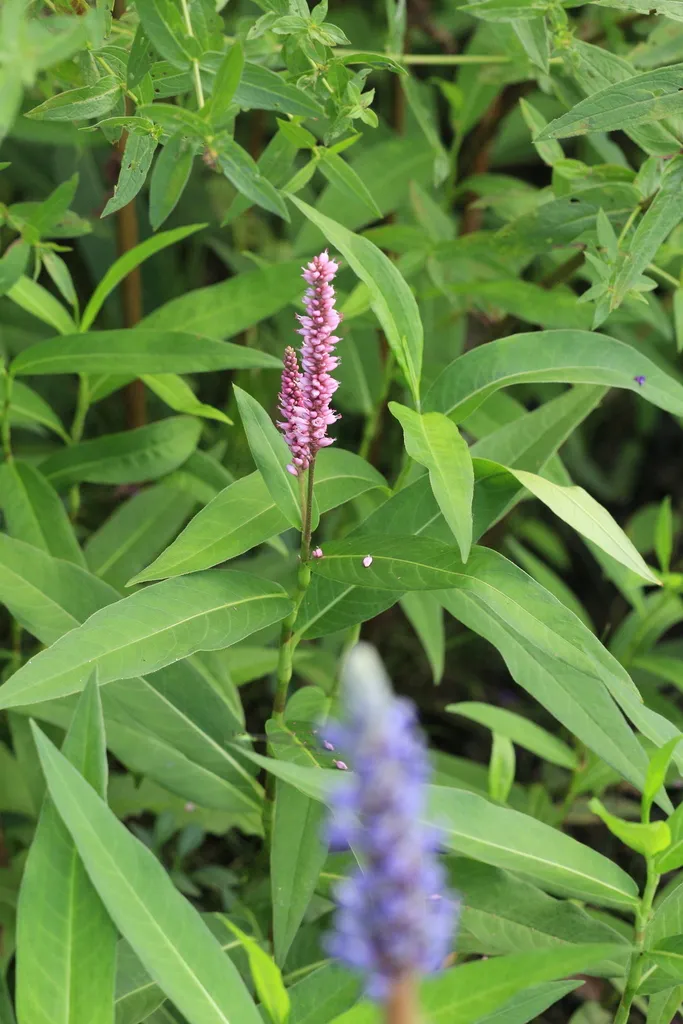
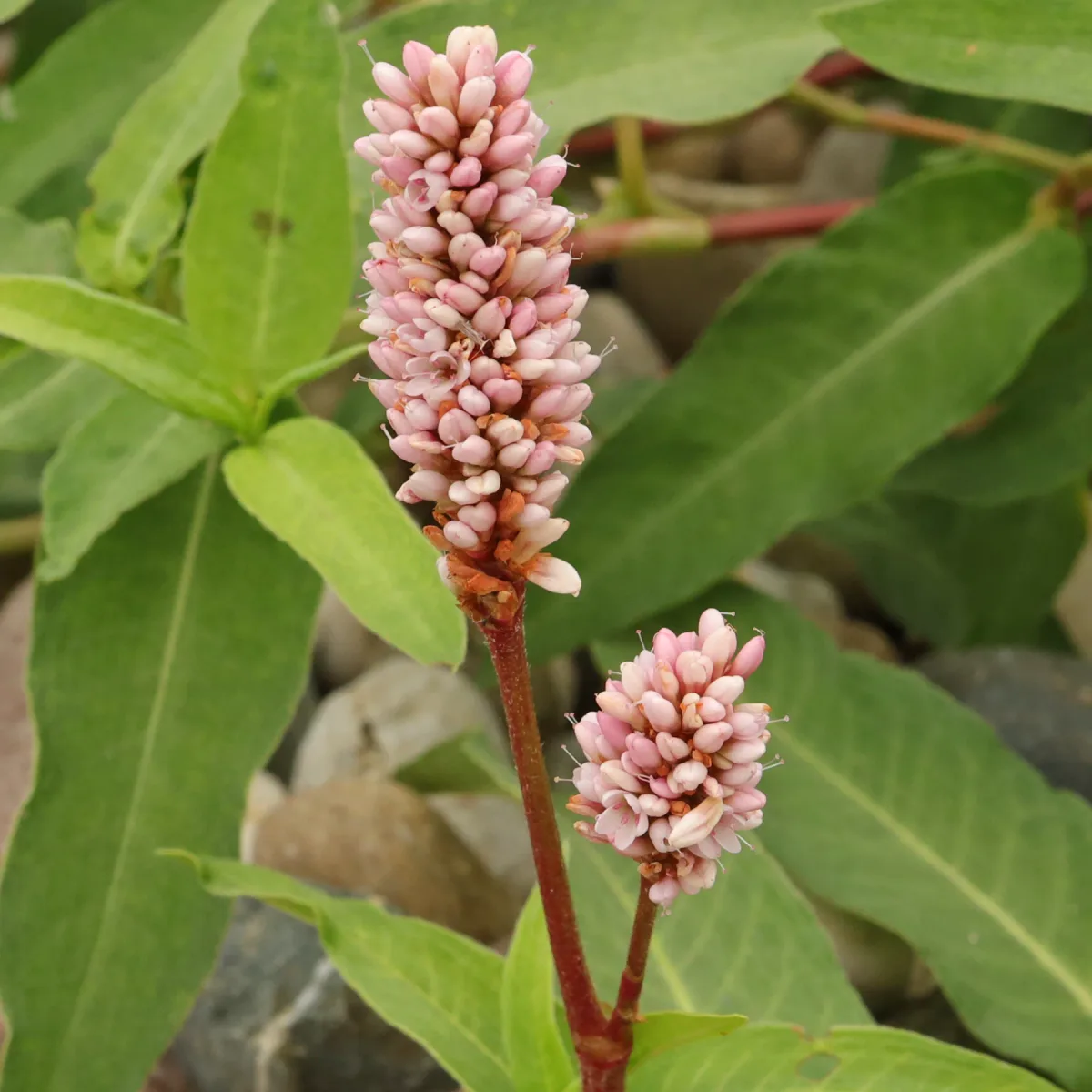
Distribution of amphibious bistort
Distribution map
- Native
- Introduced
- Cultivated
Locally extinct or doubtful records are excluded from native and introduced layers.
Source:WCVP v16 · Royal Botanic Gardens, Kew · CC BY 3.0 · Boundaries:WGSRPD / TDWG
amphibious bistort care guide
- Constantly submerged or saturated aquatic soil all year round
- Watering
- Full sun · Partial shade
- Sunlight

Watering
Constantly submerged or saturated aquatic soil all year round
Fertilizing
 Fertilizing
Diluted aquatic perennial feed every four weeks spring and summer
Pruning
 Pruning
No pruning required
Propagation
 Propagation
Propagate by seed or by division
Growing
 Growing
Grow as a marginal or bog plant, in moist soil, or as an aquatic plant, at up to 80cm depth. Flowers best in full sun. Lower young aquatic plants in stages, allowing them to grow at each stage until the leaves float on the surface of the water. Divide regularly to avoid congestion. May have the potential to become a nuisance if not managed well
Common pests and diseases
Diseases
Generally disease-free
Pests
Generally pest-free
Explore the plant health library →




