
Ledebouria cooperi
Also known as: Information to be completed
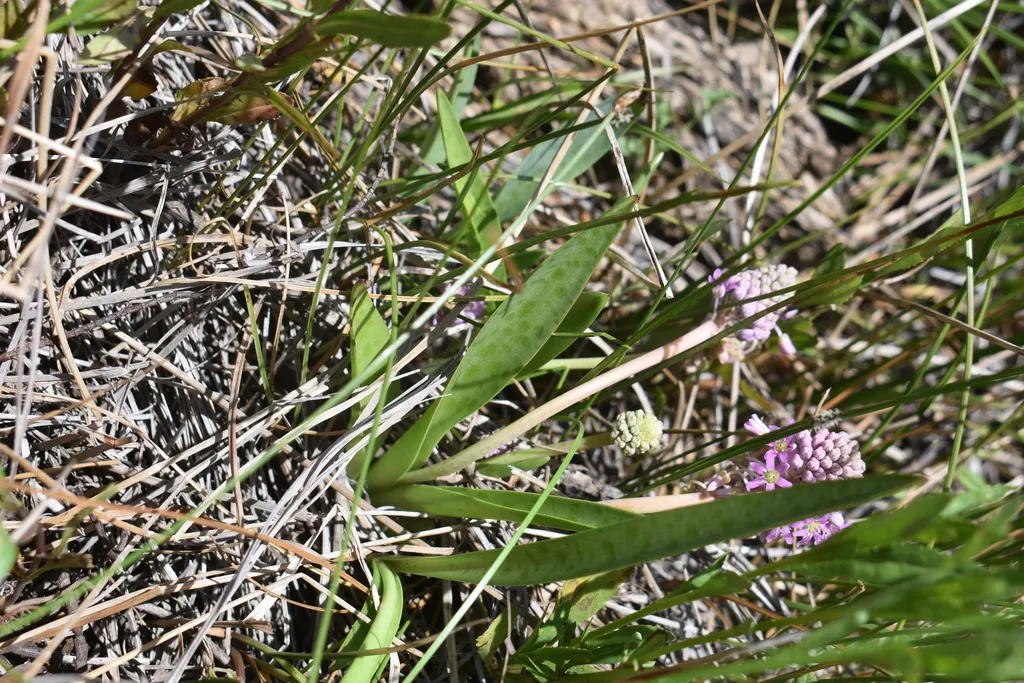
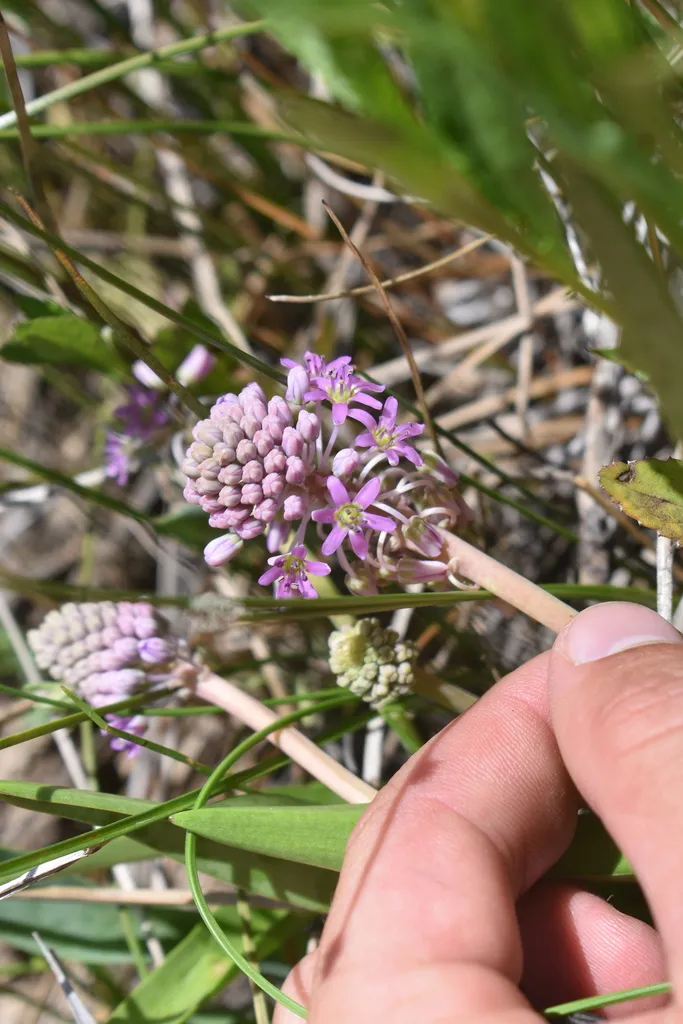
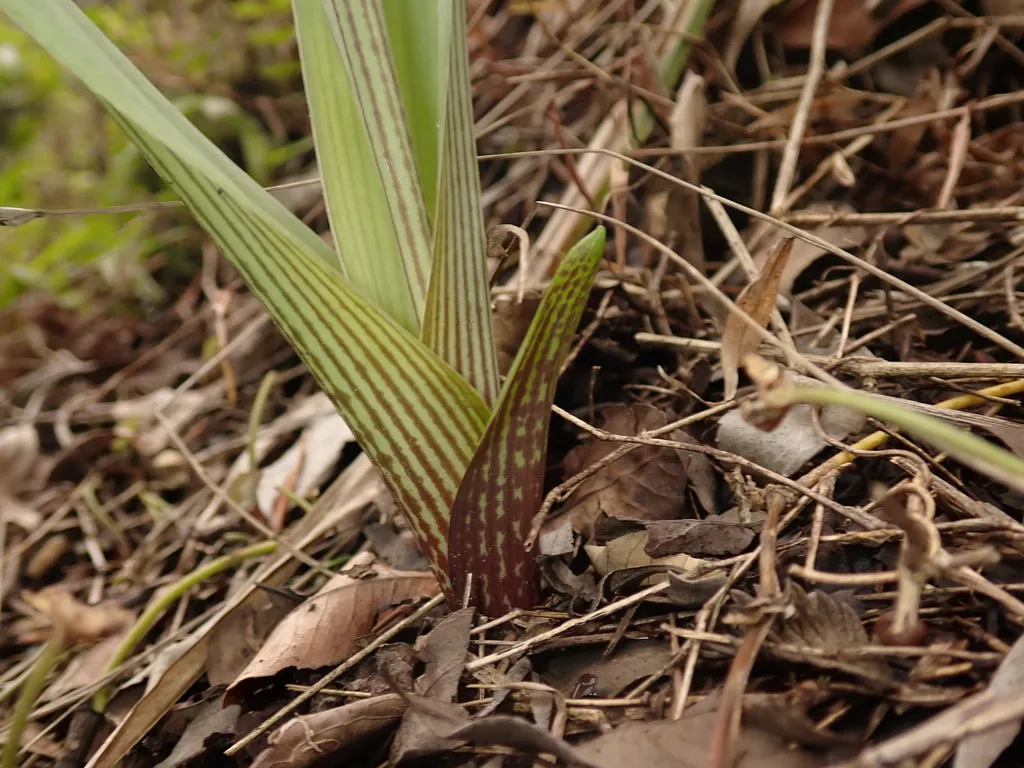
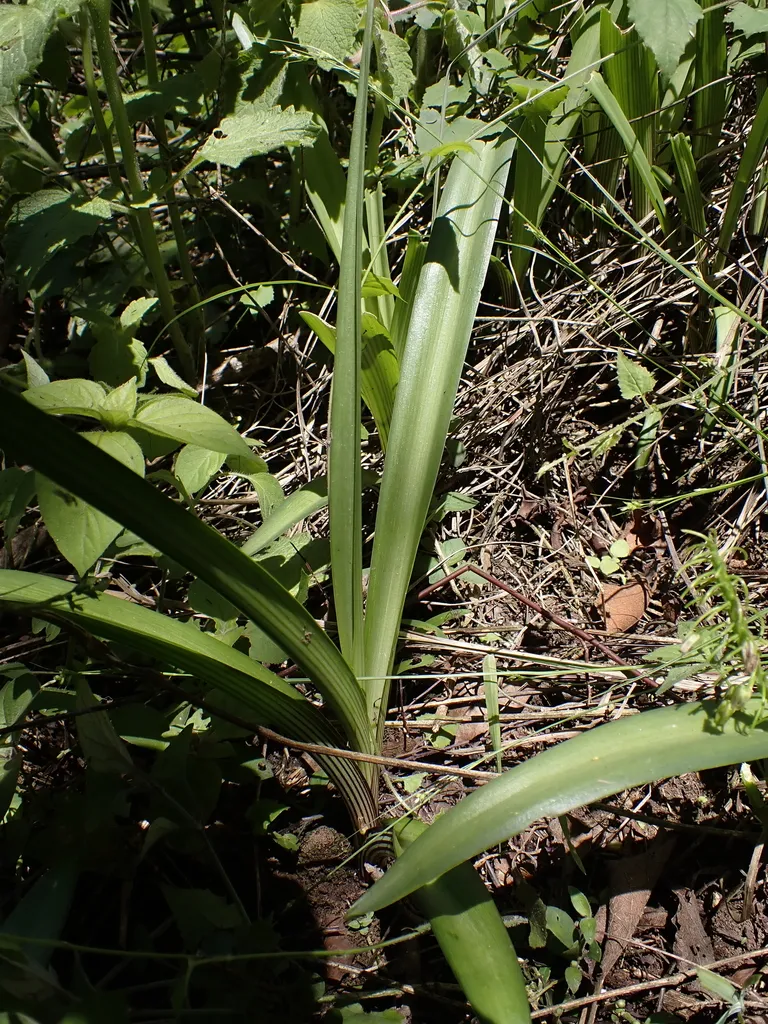
A half-hardy, bulbous perennial to 20cm tall, with semi-erect, linear basal leaves with bold purple stripes. In summer it produces a flowerspike bearing numerous tiny, bell-shaped purple-pink flowers, tipped or striped green. Best grown in a cool greenhouse or alpine trough
Scientific classification
- Species
- Ledebouria cooperi (Ledebouria cooperi)
- Genus
- Ledebouria
- Family
- Asparagaceae
- Information to be completed
- Toxicity
- Bulbs
- Plant type
- 0.1-0.5 metres
- Height
- 0-0.1 metre
- Spread
- Deciduous
- Foliage
- Tufted
- Habit
- Spring · Summer
- Season of interest
- Full sun
- Sunlight
- Information to be completed
- Ideal temperature









Ledebouria cooperi pictures
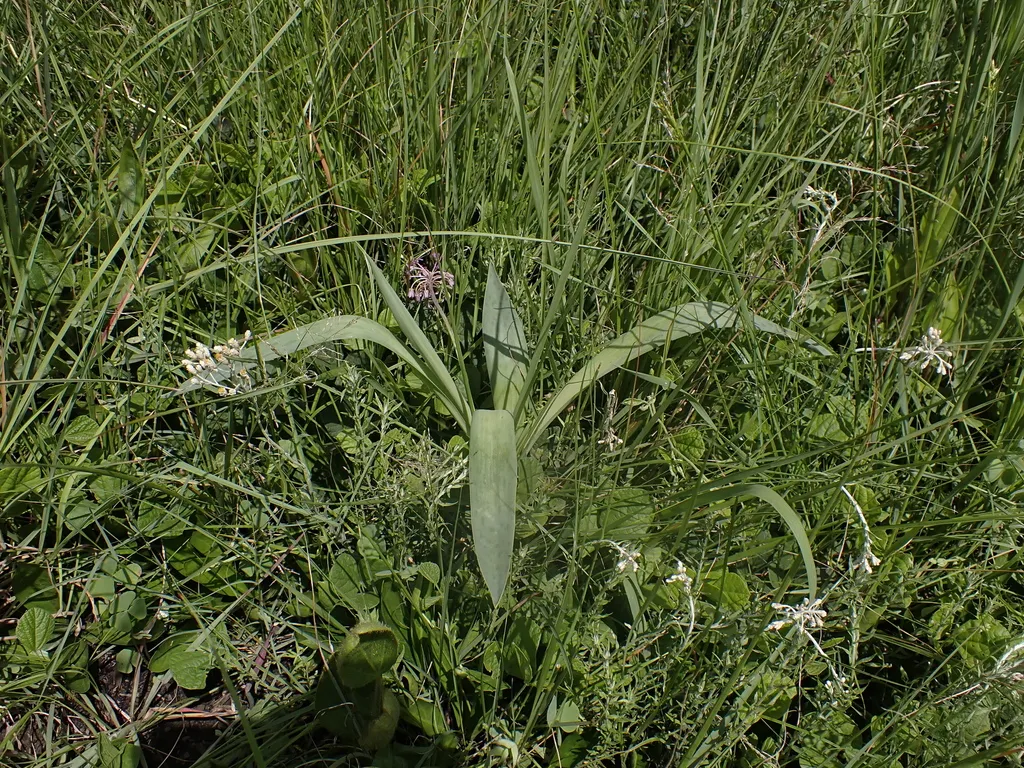
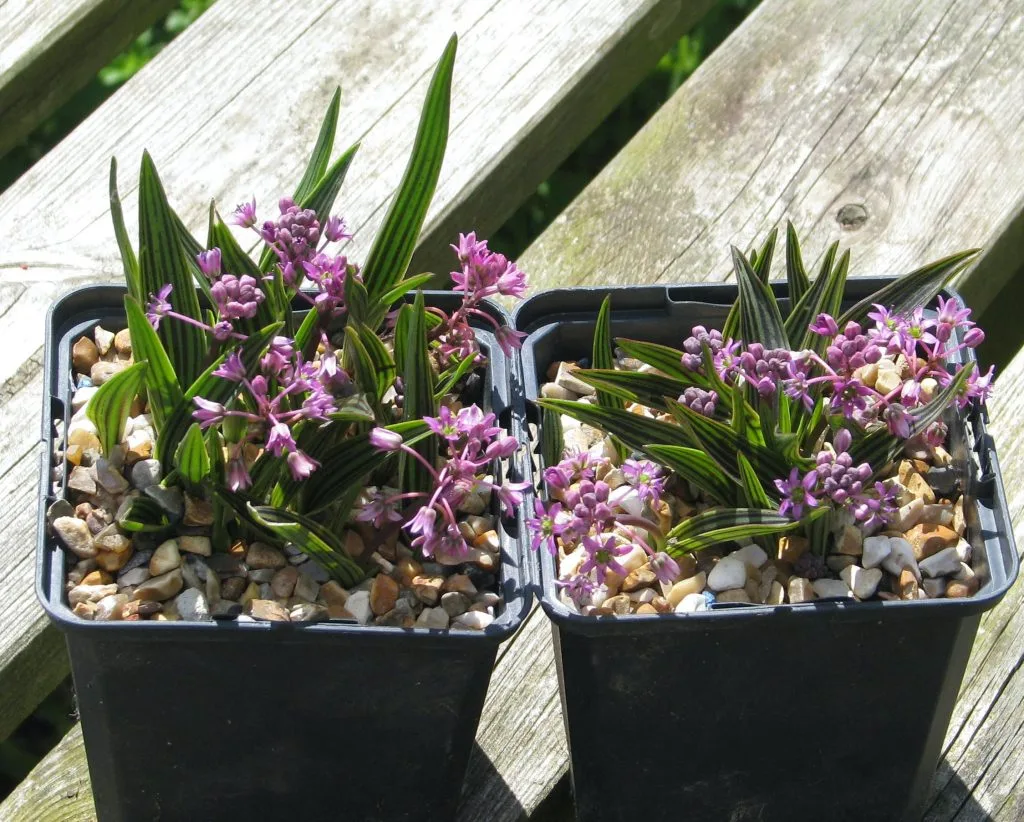
Distribution of Ledebouria cooperi
Distribution map
Central South Africa
Information to be completed
Culture
Information to be completed
Toxicity
Information to be completed
Quick identification of Ledebouria cooperi
Information to be completed
Ledebouria cooperi care guide
- Moderate regular watering, avoid prolonged drought and stagnant waterlogging
- Watering
- Full sun
- Sunlight
- Information to be completed
- Ideal temperature

Watering
Moderate regular watering, avoid prolonged drought and stagnant waterlogging
Fertilizing
 Fertilizing
Balanced perennial feed every four weeks spring through summer growth
Pruning
 Pruning
No pruning required
Propagation
 Propagation
Propagate by seed or removing offsets
Growing
 Growing
Under glass, grow in loam-based potting compost with added sharp sand, planting the bulb so that the neck is above soil level. Position in full light and water freely while in growth, applying a high-potash fertiliser monthly. Keep just moist in winter. Outdoors, grow in freely-draining soil in a sheltered site in full sun. Protect from excessive winter wet
People also ask
Information to be completed
Common pests and diseases
Diseases
Generally disease-free
Pests
Generally pest-free
Explore the plant health library →




