
silk tassel bush
Also known as: feverbush
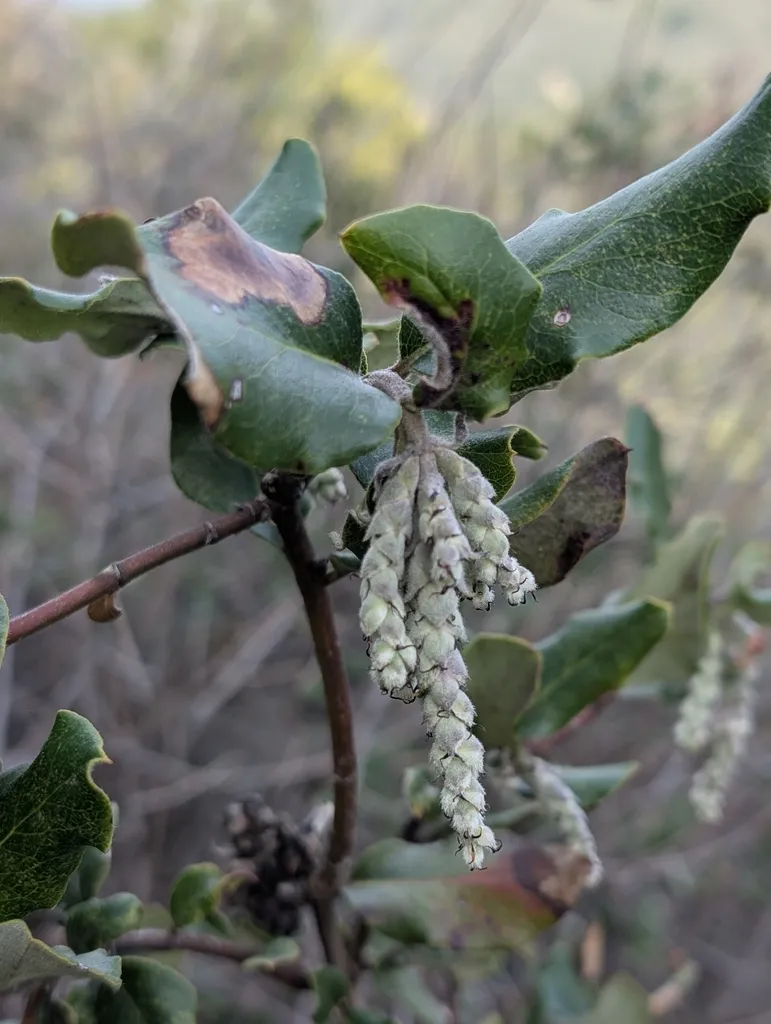
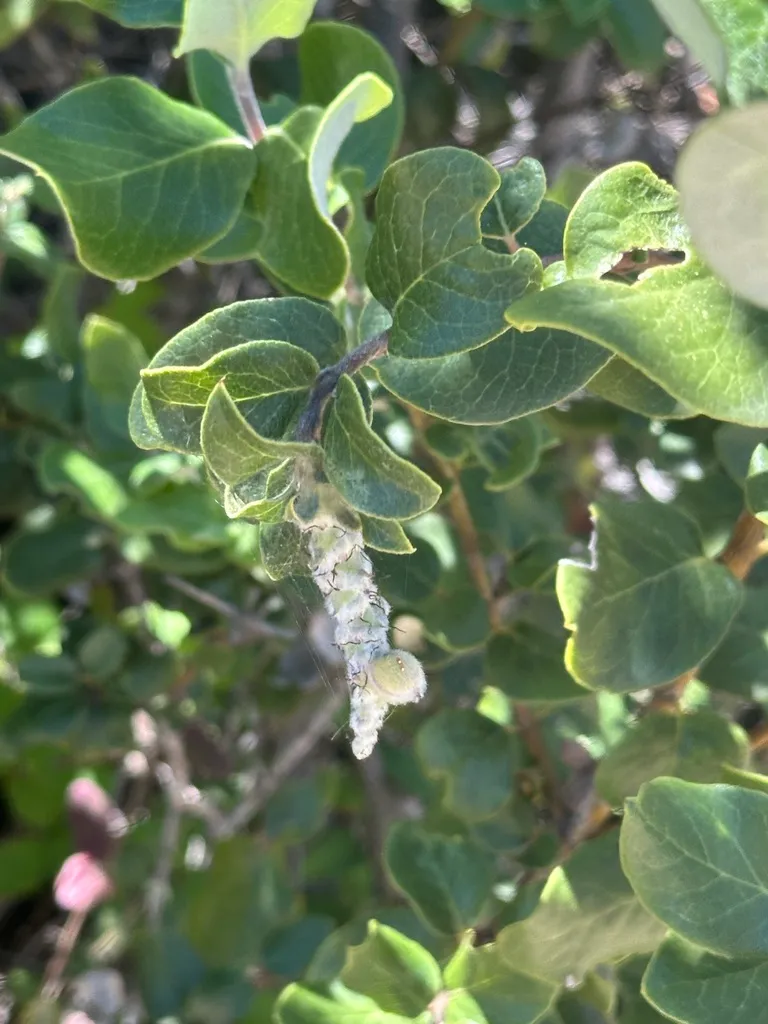
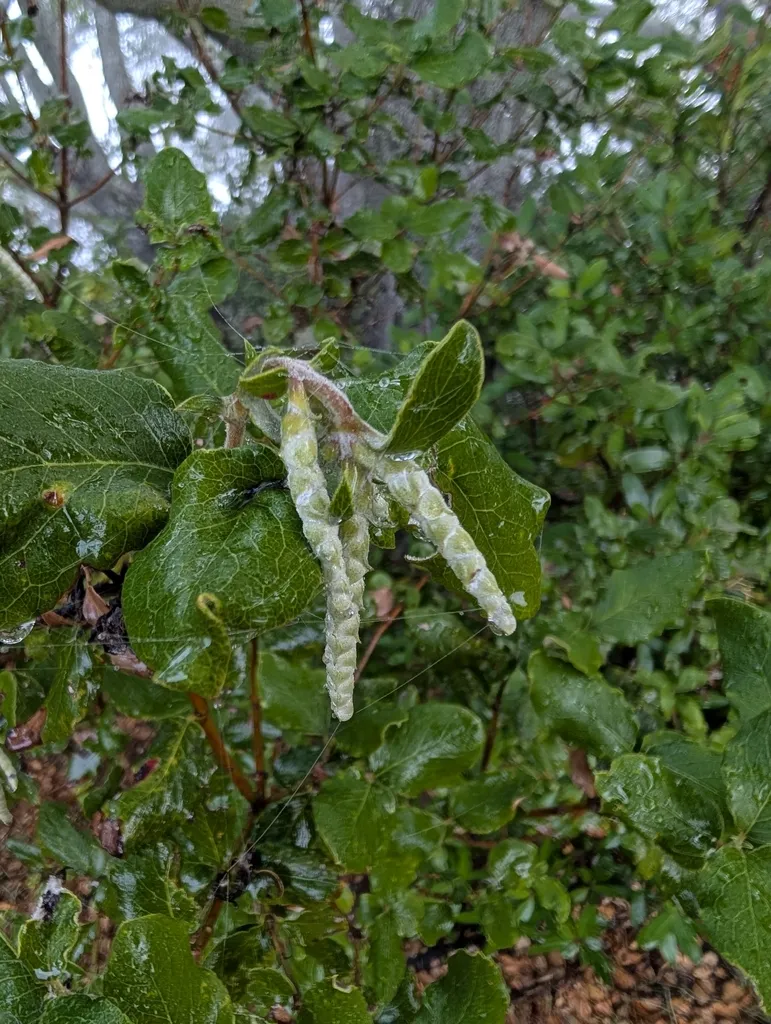
A shrub or small tree of rapid growth and bushy habit, to 3.5m or even to 4.5m in mild areas. Leaves oval to roundish, dark shining green above, felted grey beneath. The long, grey-green male catkins flower in January and February. The female plant is less commonly seen, but produces long clusters of purple-brown fruits in summer
Scientific classification
- Species
- silk tassel bush (Garrya elliptica)
- Genus
- Garrya
- Family
- Garryaceae
- Information to be completed
- Toxicity
- Climber Wall Shrub · Shrubs
- Plant type
- 2.5-4 metres
- Height
- 2.5-4 metres
- Spread
- Evergreen
- Foliage
- Bushy
- Habit
- Spring · Summer · Autumn · Winter
- Season of interest
- Full sun · Partial shade
- Sunlight
- Information to be completed
- Ideal temperature









silk tassel bush pictures
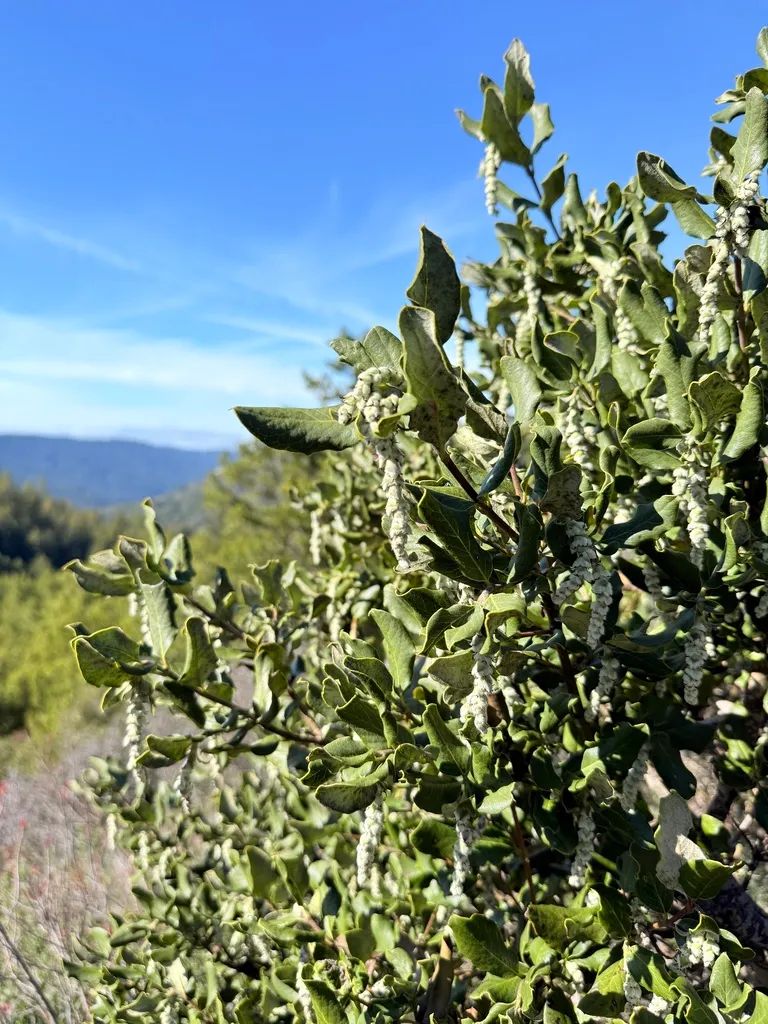
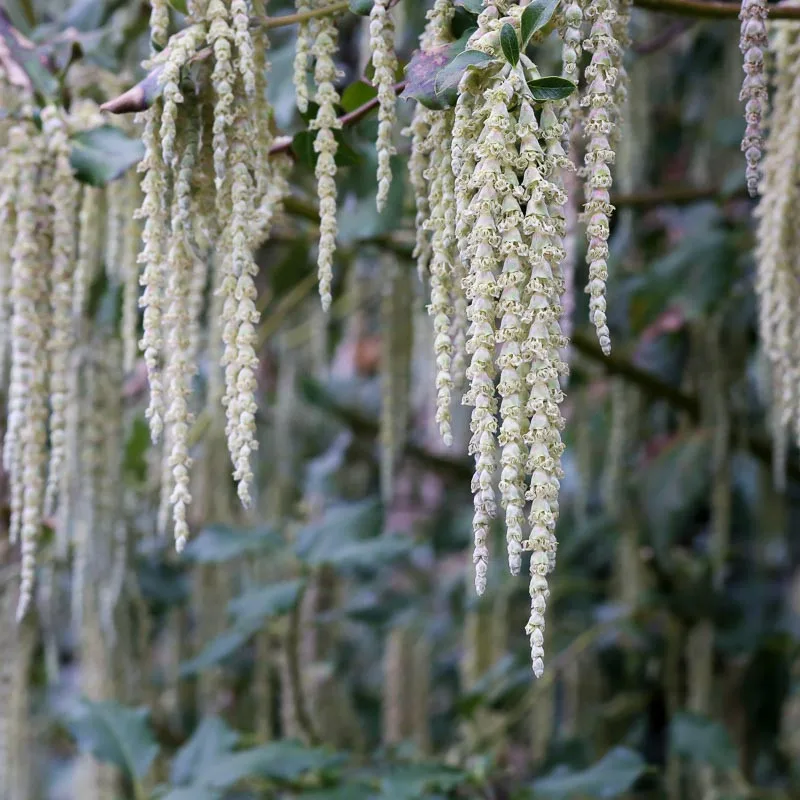
Distribution of silk tassel bush
Distribution map
USA (California, Oregon)
Information to be completed
Culture
Information to be completed
Toxicity
Information to be completed
Quick identification of silk tassel bush
Information to be completed
silk tassel bush care guide
- Moderate regular watering, allowing brief slight drying between soakings
- Watering
- Full sun · Partial shade
- Sunlight
- Information to be completed
- Ideal temperature

Watering
Moderate regular watering, allowing brief slight drying between soakings
Fertilizing
 Fertilizing
Balanced perennial feed every four weeks from spring through summer
Pruning
 Pruning
Usually little pruning is needed. Lightly shape if necessary, removing dead, damaged or diseased shoots. Prune after flowering.
Propagation
 Propagation
Propagate by semi-hardwood cuttings
Growing
 Growing
Grow in well-drained soil in full sun or partial shade
People also ask
Information to be completed
Common pests and diseases
Diseases
May be susceptible to a leaf spot and honey fungus (rarely)
Pests
Generally pest-free
Explore the plant health library →




