
Shaw's albuca
Also known as: Information to be completed
A deciduous species with very narrow, fleshy, slightly sticky leaves and slender, erect flower stems, to 30cm, bearing many nodding, yellow flowers with green stripes for quite a long season in summer. Flowers are almond-scented, and foliage slightly aromatic
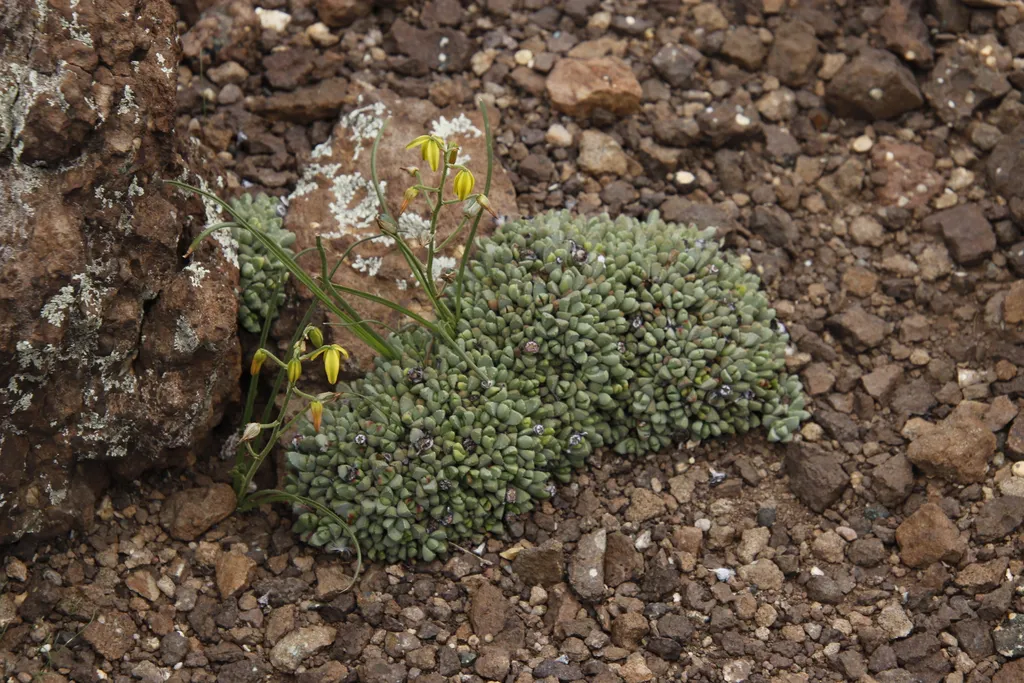
Scientific classification
- Species
- Shaw's albuca (Albuca shawii)
- Genus
- Albuca
- Family
- Asparagaceae
- Harmful if eaten, skin irritant. Wear gloves and other protective equipment when handling]
- Toxicity
- Bulbs · Herbaceous Perennial
- Plant type
- 0.1-0.5 metres
- Height
- 0-0.1 metre
- Spread
- Deciduous
- Foliage
- Matforming
- Habit
- Spring · Summer
- Season of interest
- Full sun
- Sunlight
- Information to be completed
- Ideal temperature









Shaw's albuca pictures
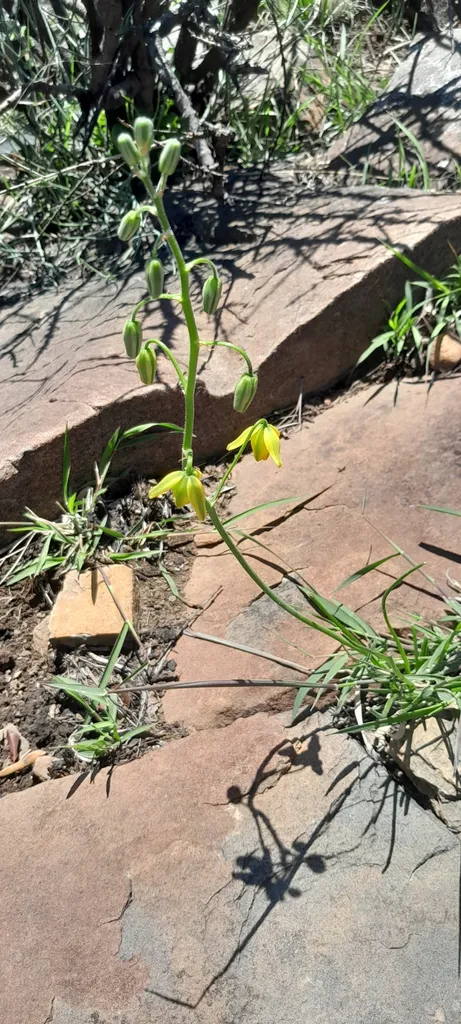
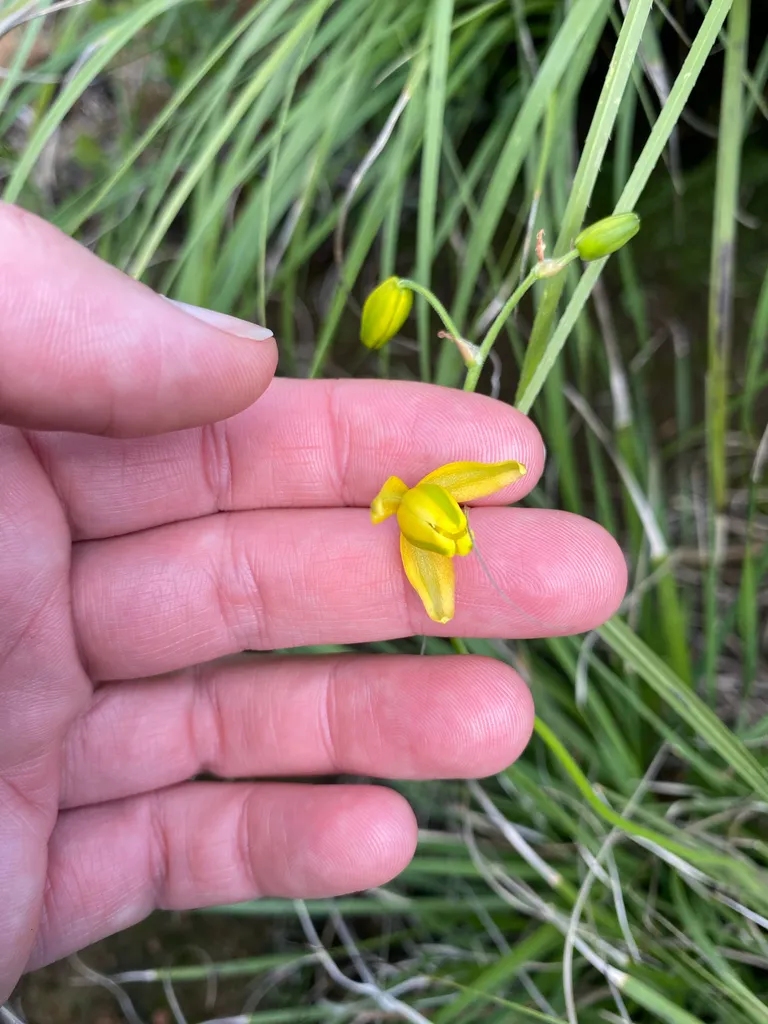
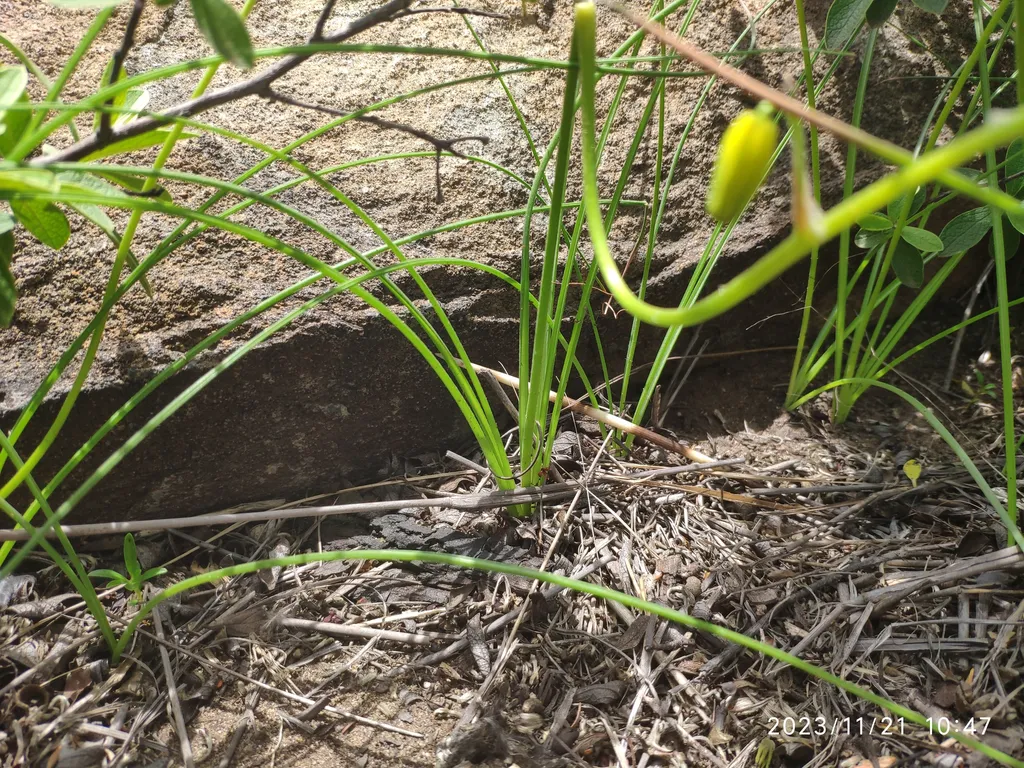
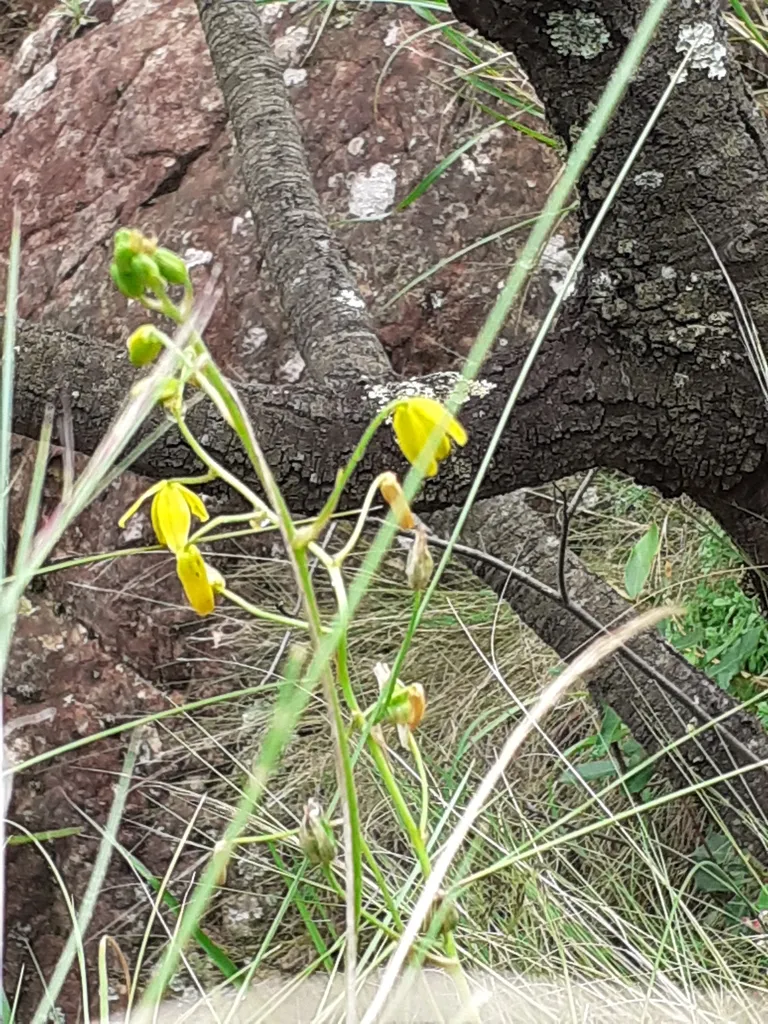
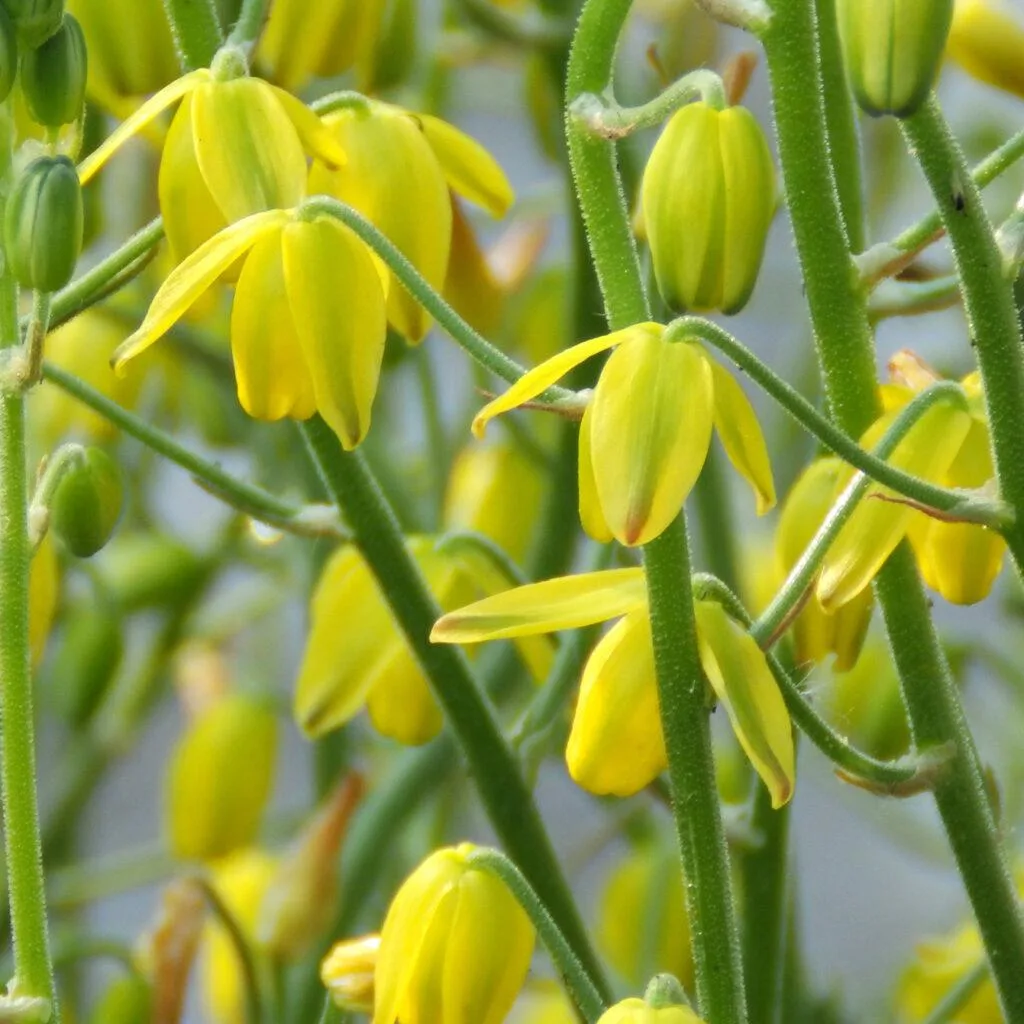
Distribution of Shaw's albuca
Distribution map
Southern Africa, Lesotho
Information to be completed
Culture
Information to be completed
Toxicity
Harmful if eaten, skin irritant. Wear gloves and other protective equipment when handling]
Quick identification of Shaw's albuca
Information to be completed
Shaw's albuca care guide
- Water moderately, allowing the soil to dry slightly between waterings.
- Watering
- Full sun
- Sunlight
- Information to be completed
- Ideal temperature

Watering
Water moderately, allowing the soil to dry slightly between waterings.
Fertilizing
 Fertilizing
Apply a balanced liquid fertilizer monthly during the growing season.
Pruning
 Pruning
No pruning required
Propagation
 Propagation
Propagate by seed at 13-18°C (55-64F) as soon as ripe or remove offsets when the plant is dormant
Growing
 Growing
Plant bulbs 8-10cm (3-4in) deep in spring. Any sunny position in a well-drained, fertile soil is suitable. Under glass, grow in containers of John Innes No 2 potting compost with added sharp sand and leafmould. A position in full light is ideal. Water moderately when the bulbs are in growth and apply a balanced liquid fertiliser monthly. When dormant, keep bulbs dry
People also ask
Information to be completed
Common pests and diseases
Diseases
Generally disease-free
Pests
Generally pest-free
Explore the plant health library →




