
Japanese cedar 'Dacrydioides'
Also known as: Information to be completed
A slow-growing, shrubby conifer, 2-3m high after 10 years, with an irregular, spreading habit making it an unusual specimen plant. Long branches bear clusters of slender branchlets, that are cloaked in short, grey-green awl-shaped leaves. Foliage is tinted bronze in winter
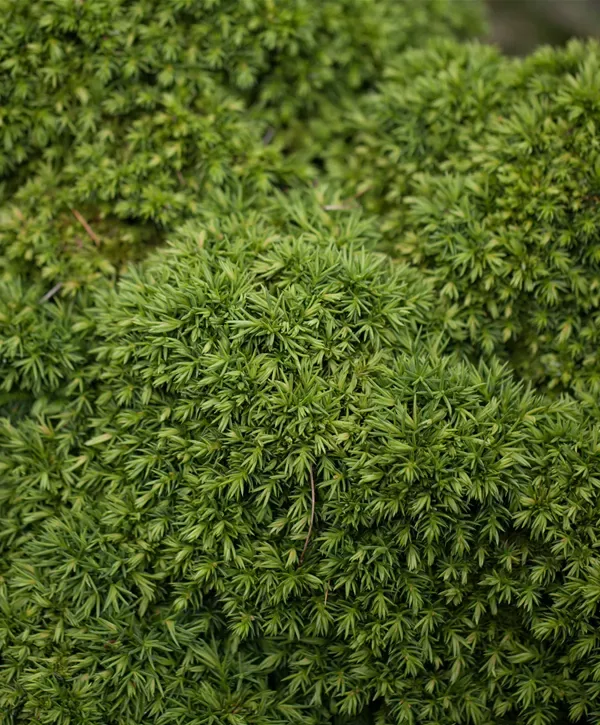
Scientific classification
- Species
- Japanese cedar 'Dacrydioides' (Cryptomeria japonica 'Dacrydioides')
- Genus
- Cryptomeria
- Family
- Cupressaceae
- Order
- Cupressales
- Class
- Pinopsida
- Phylum
- Pinophyta
- Information to be completed
- Toxicity
- Conifers
- Plant type
- 4-8 metres
- Height
- 4-8 metres
- Spread
- Evergreen
- Foliage
- Information to be completed
- Habit
- Spring · Summer · Autumn · Winter
- Season of interest
- Full sun · Partial shade
- Sunlight
- Information to be completed
- Ideal temperature









Japanese cedar 'Dacrydioides' pictures
Distribution of Japanese cedar 'Dacrydioides'
Distribution map
- Native
- Introduced
- Cultivated
Source:WCVP v16 · Royal Botanic Gardens, Kew · CC BY 3.0 · Boundaries:WGSRPD / TDWG
Japanese cedar 'Dacrydioides' care guide
- Moderate regular watering, allowing brief slight drying between soakings
- Watering
- Full sun · Partial shade
- Sunlight

Watering
Moderate regular watering, allowing brief slight drying between soakings
Fertilizing
 Fertilizing
Balanced perennial feed every four weeks from spring through summer
Pruning
 Pruning
No pruning required
Propagation
 Propagation
Propagate by semi-hardwood cuttings in late summer or early autumn
Growing
 Growing
Tolerates most soils, but prefers a humus-rich, slightly acidic, moist but well-drained soil in full sun or partial shade. Requires a sheltered site. Does not tolerate waterlogging
Common pests and diseases
Diseases
May be susceptible to phytophthora root rot and honey fungus (rarely)
Pests
Generally pest-free
Explore the plant health library →




