
Lysimachia barystachys
Also known as: Information to be completed
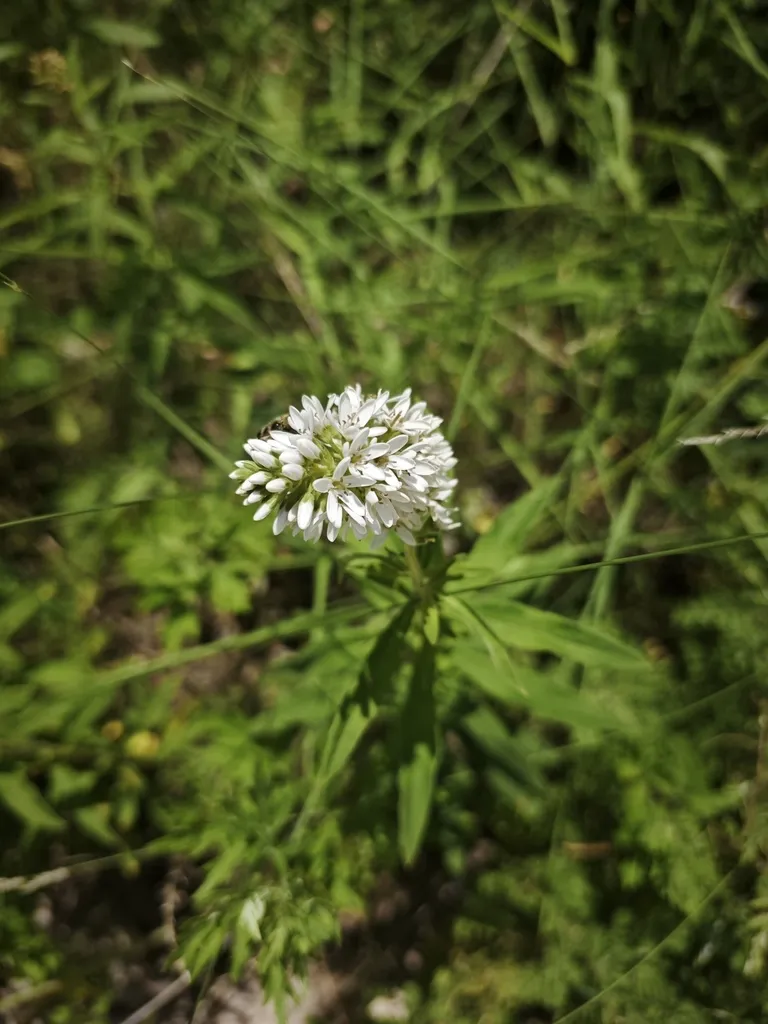
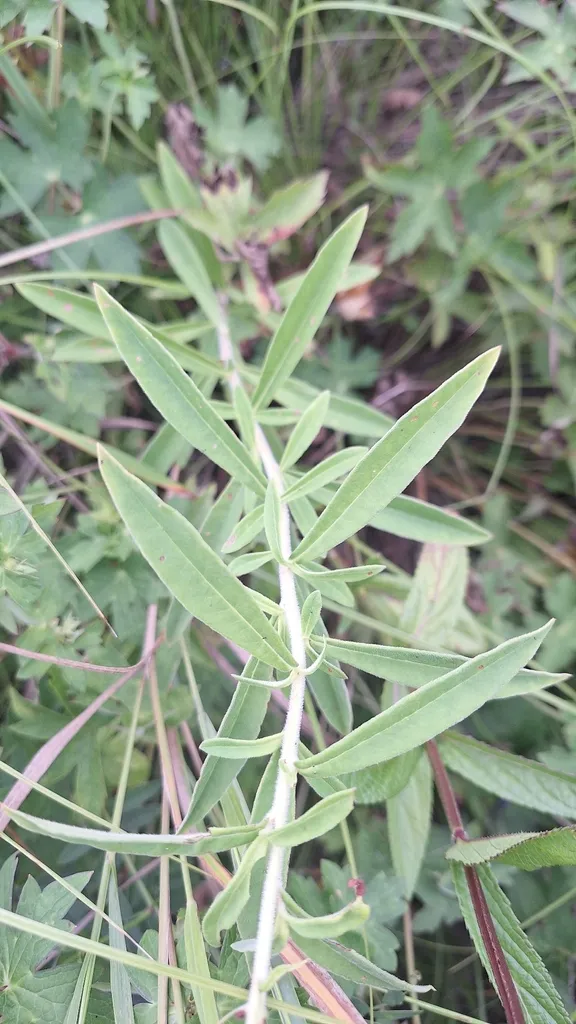
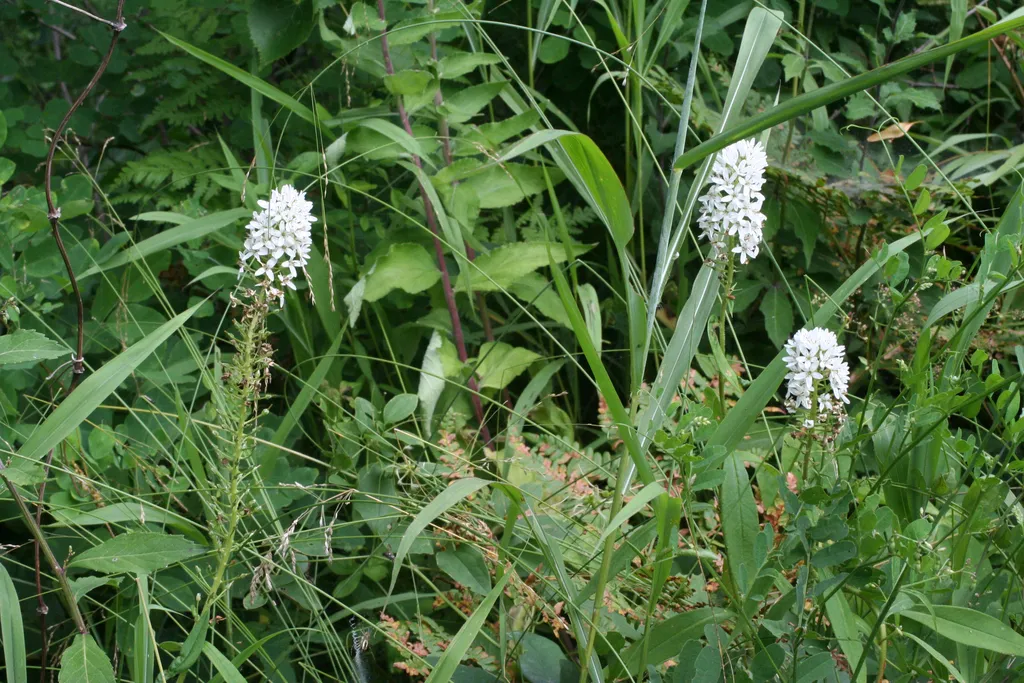
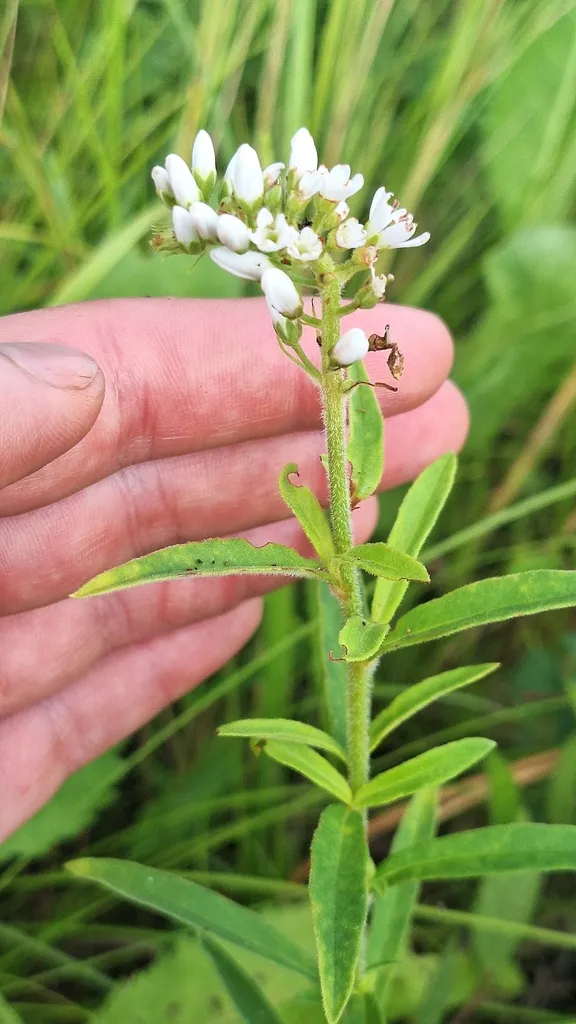
A vigorous clump-forming perennial up to 1m high, with hairy stems and oblong to lance-shaped leaves with finely hairy edges. Long, dense spikes of small white flowers, often curving at the tips, are produced in mid to late summer
Scientific classification
- Species
- Lysimachia barystachys (Lysimachia barystachys)
- Genus
- Lysimachia
- Family
- Primulaceae
- Information to be completed
- Toxicity
- Herbaceous Perennial
- Plant type
- 0.5-1 metres
- Height
- 0.1-0.5 metres
- Spread
- Deciduous
- Foliage
- Clump forming
- Habit
- Spring · Summer · Autumn
- Season of interest
- Full sun · Partial shade
- Sunlight
- Information to be completed
- Ideal temperature









Lysimachia barystachys pictures
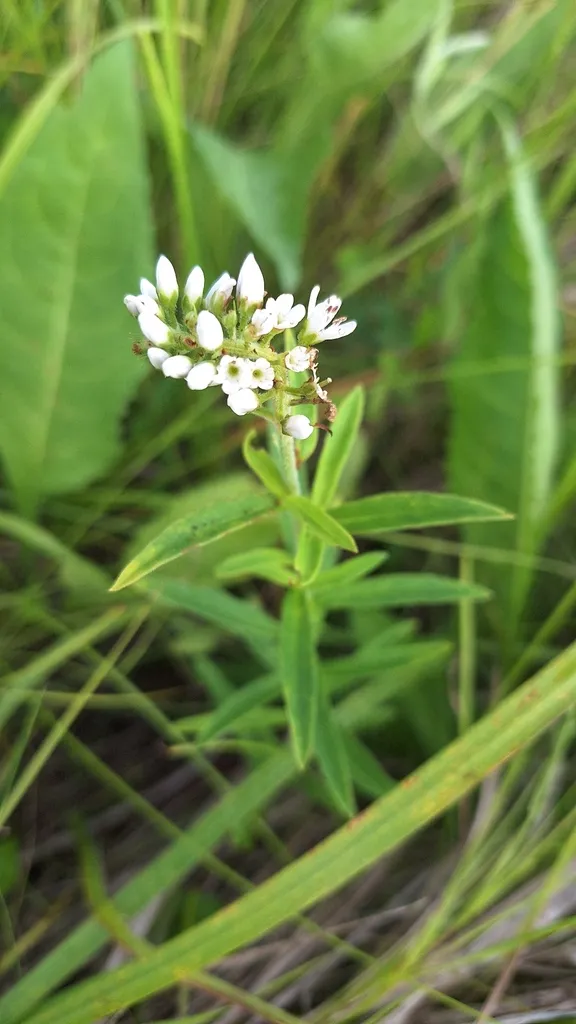
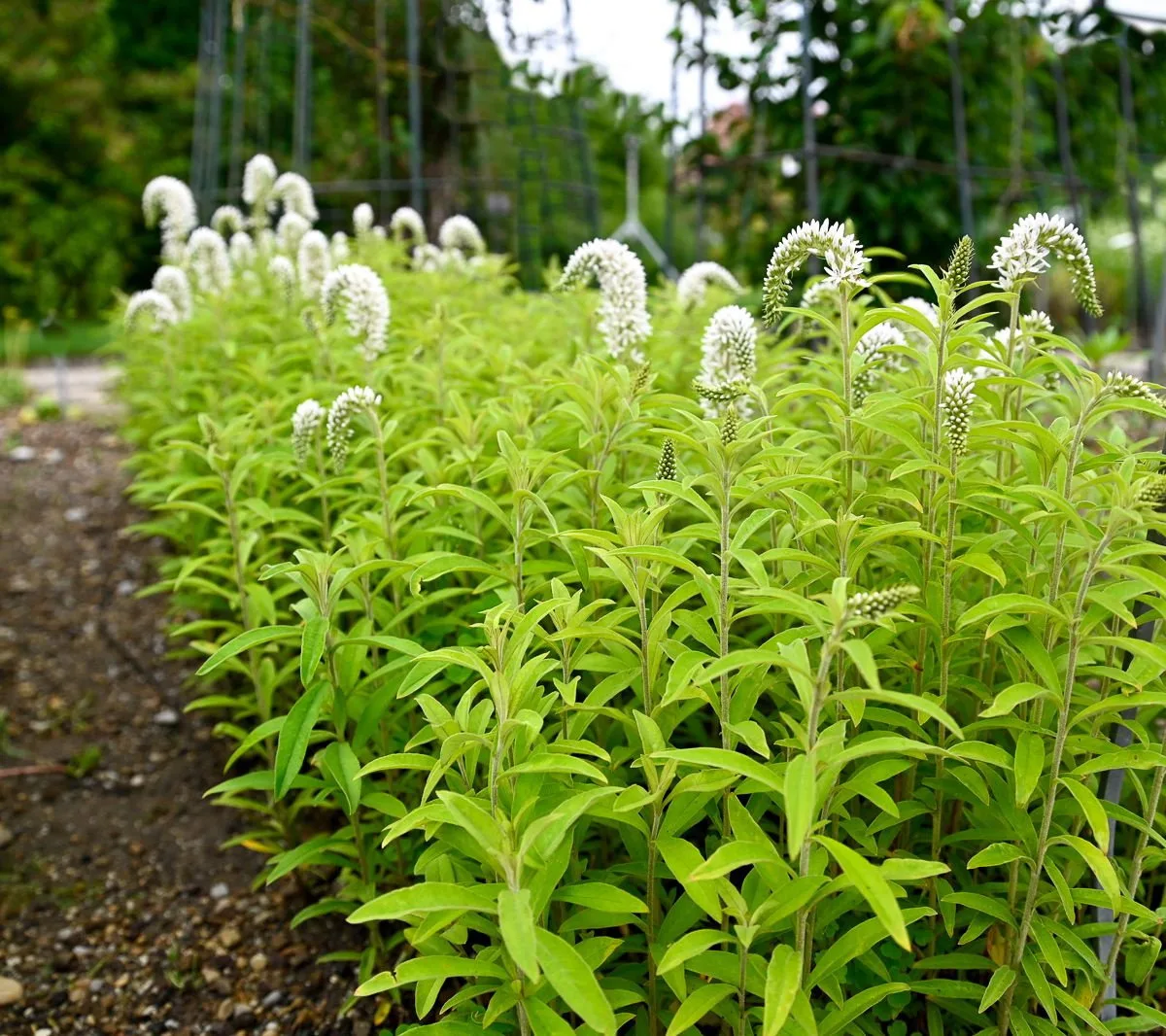
Distribution of Lysimachia barystachys
Distribution map
Information to be completed
Information to be completed
Culture
Information to be completed
Toxicity
Information to be completed
Quick identification of Lysimachia barystachys
Information to be completed
Lysimachia barystachys care guide
- Moderate regular watering, allowing brief slight drying between soakings
- Watering
- Full sun · Partial shade
- Sunlight
- Information to be completed
- Ideal temperature

Watering
Moderate regular watering, allowing brief slight drying between soakings
Fertilizing
 Fertilizing
Balanced perennial feed every four weeks from spring through summer
Pruning
 Pruning
Cut back after flowering
Propagation
 Propagation
Propagate by seed or by division, spreads naturally by rhizomes
Growing
 Growing
Grow in humus-rich, moist soil that does not dry out in summer. Thrives in full sun but will tolerate partial shade. Can spread rapidly in good conditions, divide regularly to control growth
People also ask
Information to be completed
Common pests and diseases
Diseases
Generally disease-free
Pests
May be susceptible to slugs and snails
Explore the plant health library →




