
oca
Also known as: Information to be completed
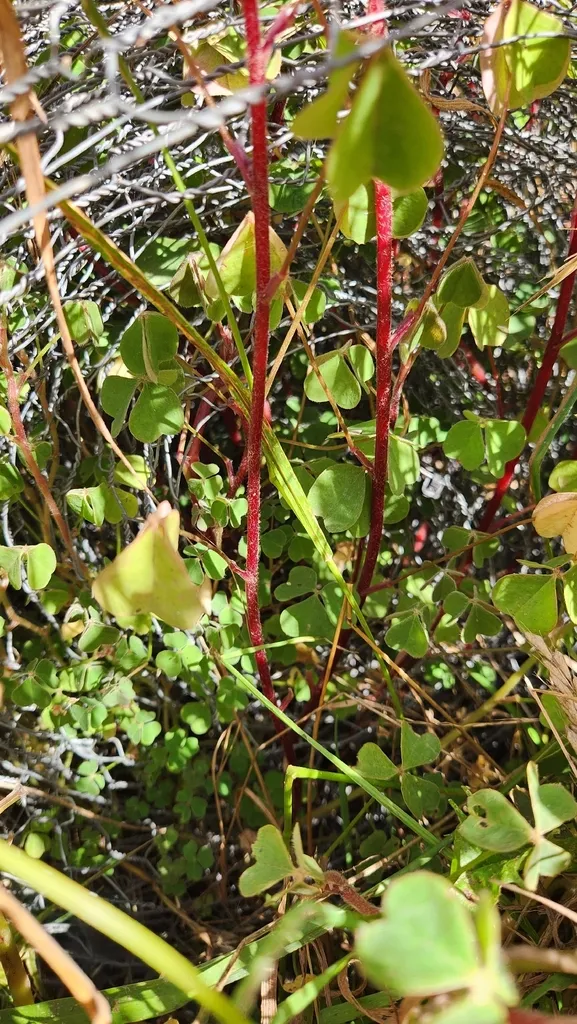
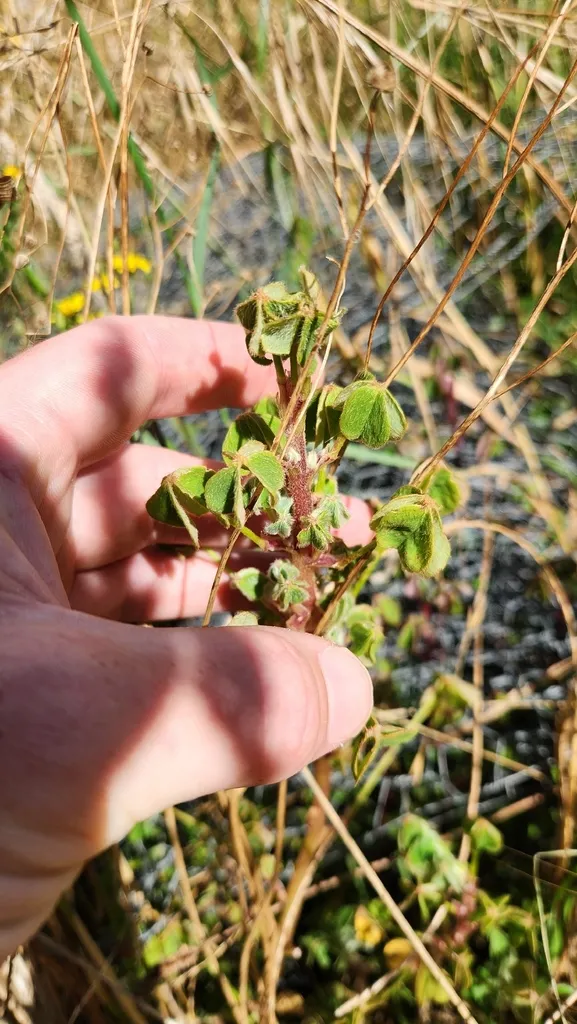
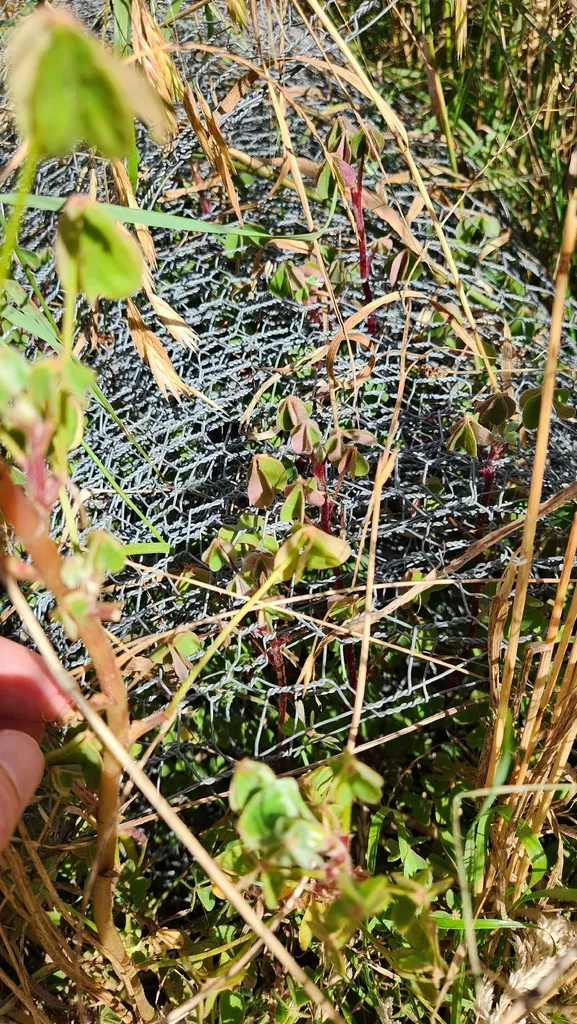
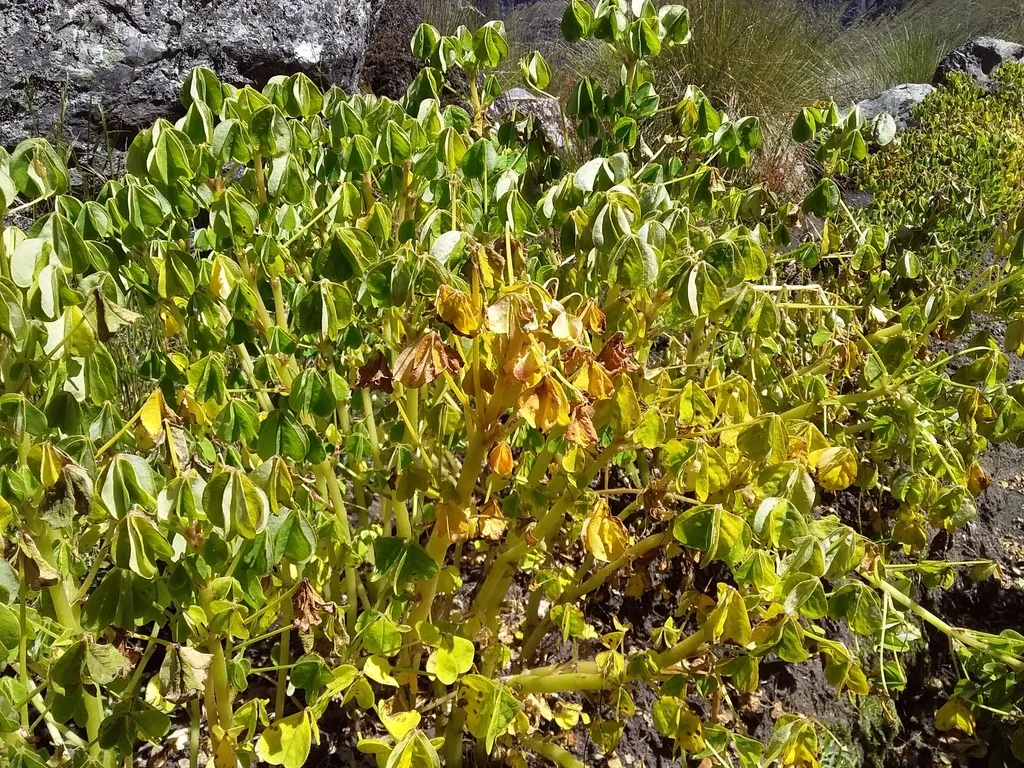
O. tuberosa is a sprawling perennial with edible, fleshy, red or yellow tubers, fleshy stems, and green or purple, trifoliate leaves. Small clusters of yellow, funnel-shaped flowers, 2cm across, are produced in summer
Scientific classification
- Species
- oca (Oxalis tuberosa)
- Genus
- Oxalis
- Family
- Oxalidaceae
- Order
- Oxalidales
- Class
- Magnoliopsida
- Phylum
- Magnoliophyta
- Information to be completed
- Toxicity
- Conservatory Greenhouse · Herbaceous Perennial
- Plant type
- 0.1-0.5 metres
- Height
- 0.1-0.5 metres
- Spread
- Deciduous
- Foliage
- Trailing
- Habit
- Spring · Summer · Autumn
- Season of interest
- Full sun · Partial shade
- Sunlight
- Information to be completed
- Ideal temperature









oca pictures
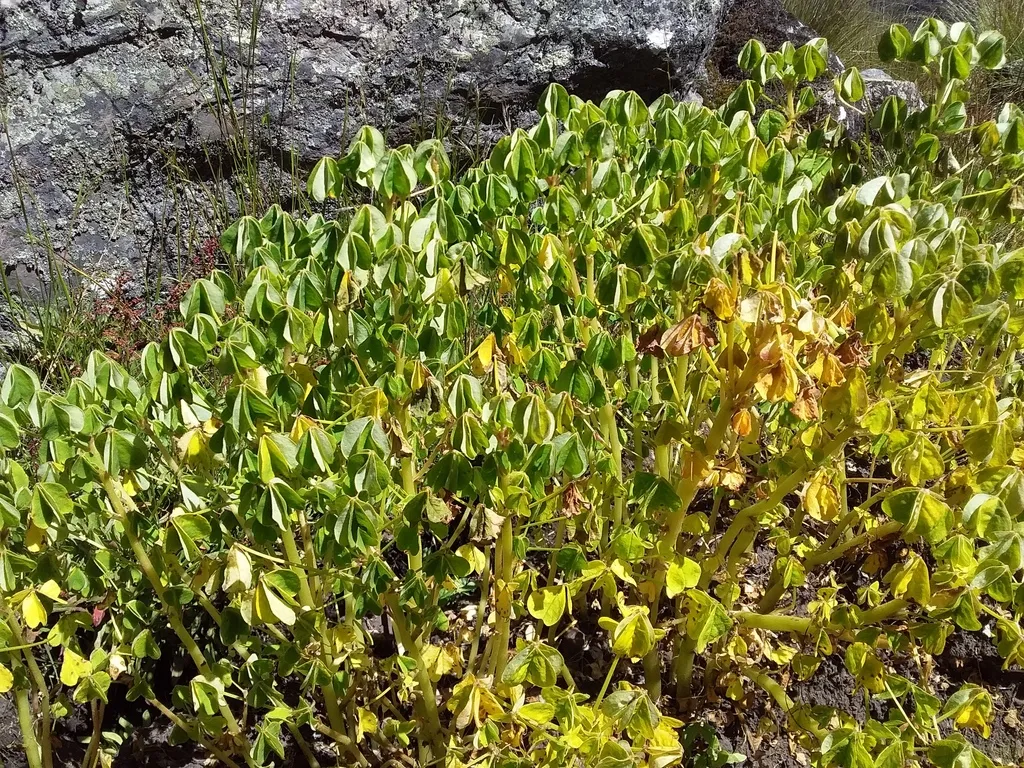
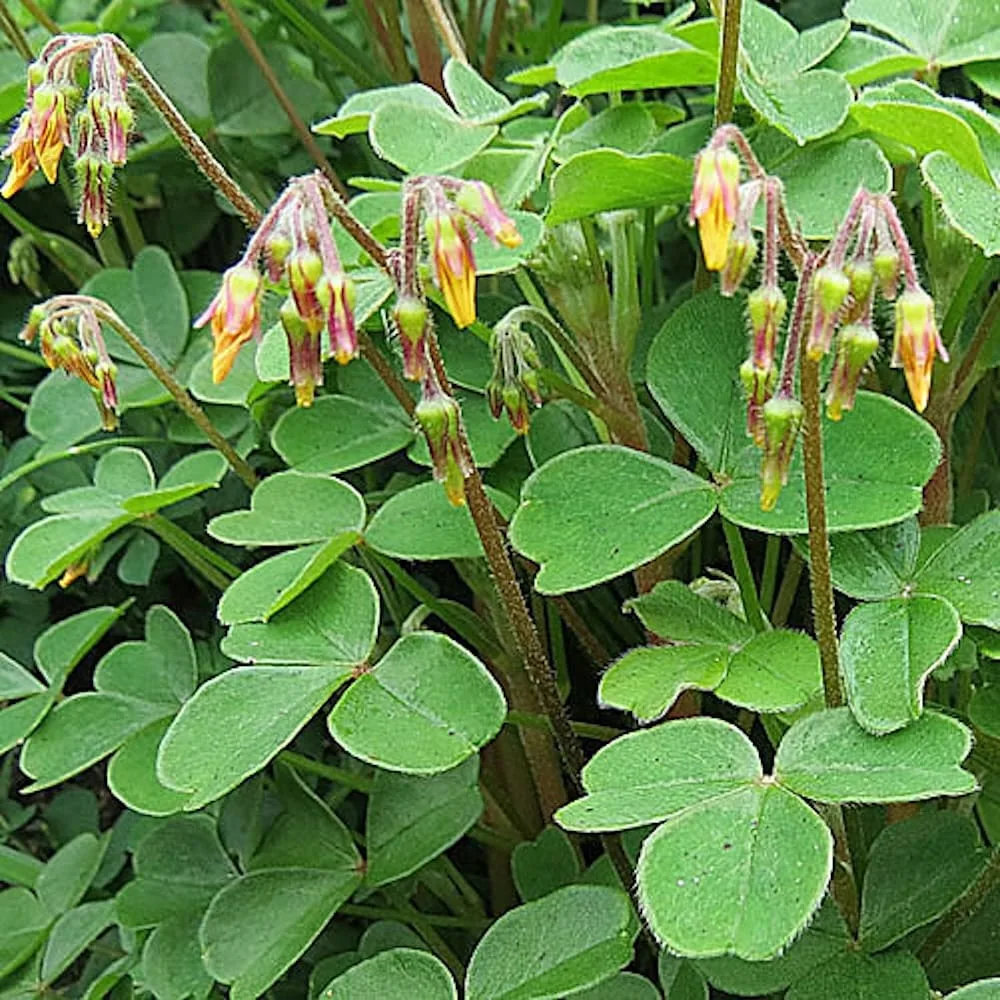
Distribution of oca
Distribution map
- Native
- Introduced
- Cultivated
Source:WCVP v16 · Royal Botanic Gardens, Kew · CC BY 3.0 · Boundaries:WGSRPD / TDWG
oca care guide
- Moderate watering, reduce moisture when foliage dies back
- Watering
- Full sun · Partial shade
- Sunlight

Watering
Moderate watering, reduce moisture when foliage dies back
Fertilizing
 Fertilizing
Balanced tuber vegetable feed once monthly in growing months
Pruning
 Pruning
No pruning required
Propagation
 Propagation
Separate and replant tubers in autumn or spring
Growing
 Growing
Grow under glass in loam-based potting compost with added grit in bright, filtered light and low humidity. Can stand outside in frost-free months
Common pests and diseases
Diseases
Generally disease-free
Pests
May be susceptible to vine weevil
Explore the plant health library →




